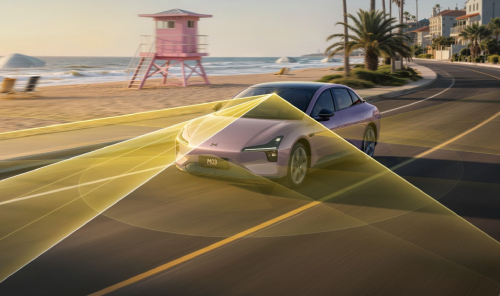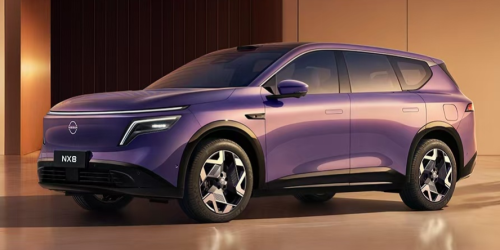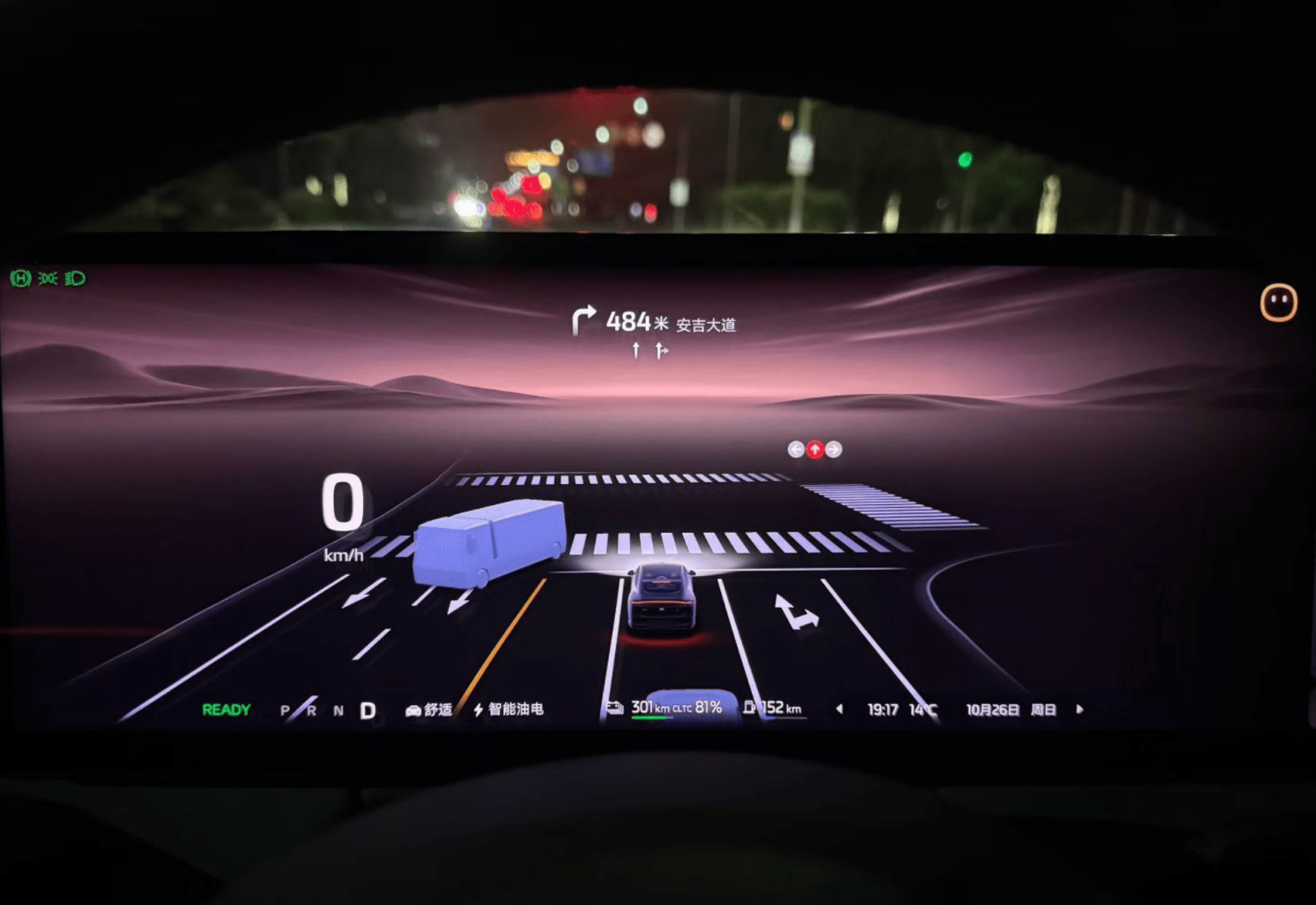
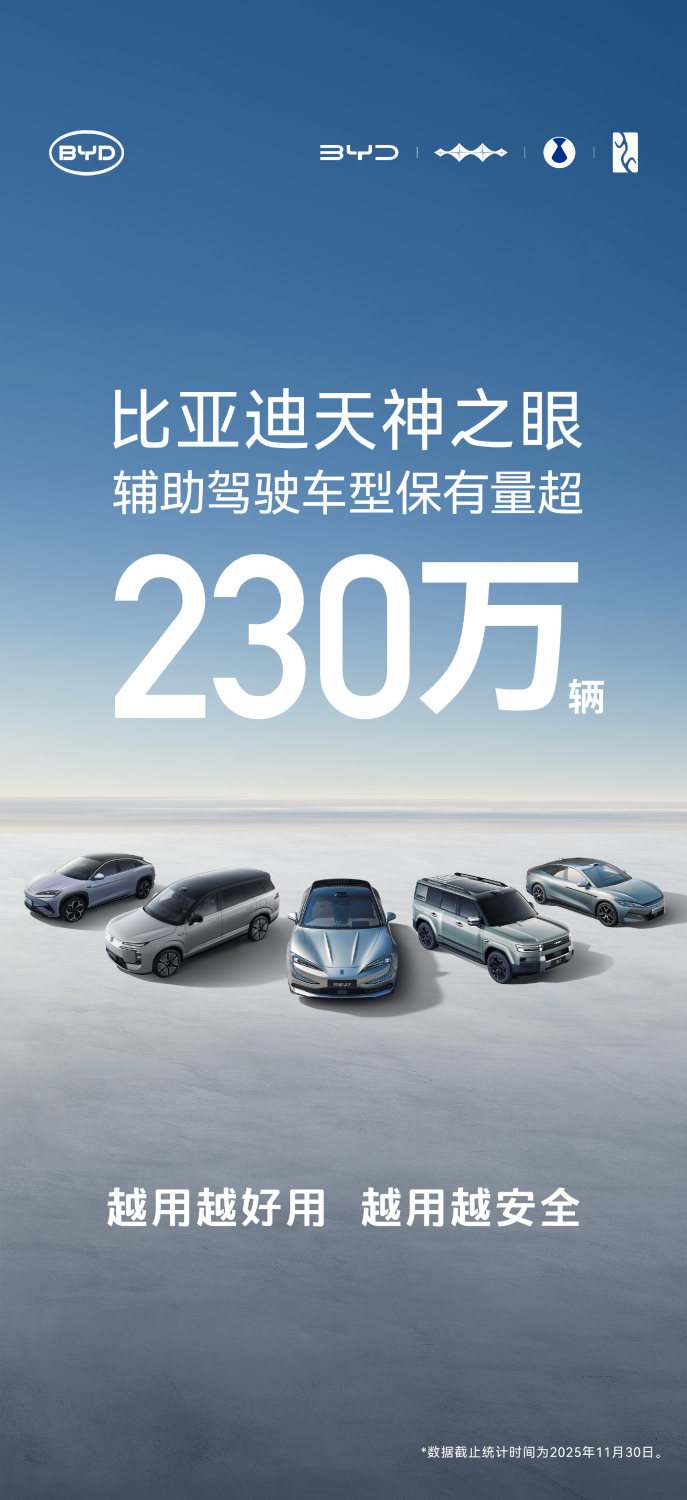
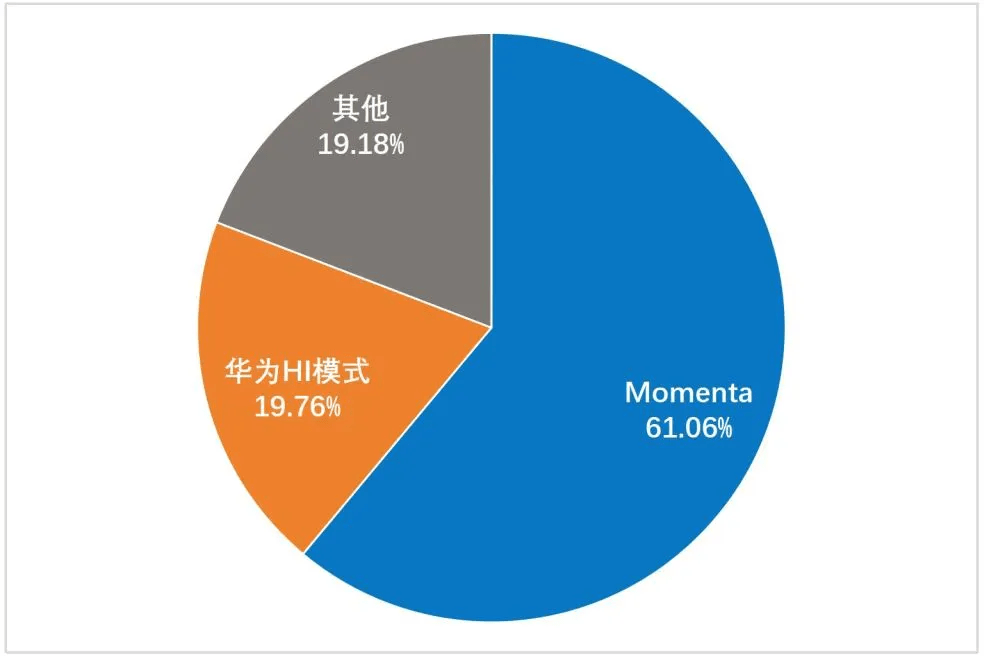




















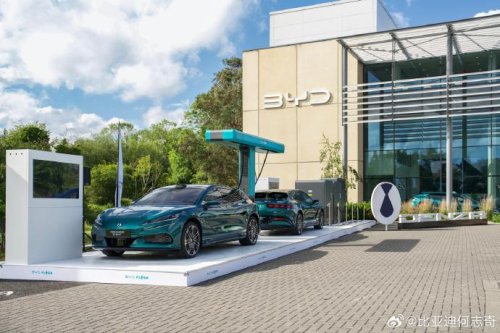

Among mainstream passenger cars with a starting price below RMB 300,000, models equipped with City NOA accounted for over 68.9% of sales. The Chinese Association of Automobile Manufacturers has released the “2025 City NOA Driving Assistance Research Report.” Core data indicates that City NOA has entered a new phase of large-scale popularization. From January to November 2025, cumulative sales of passenger vehicles equipped with City NOA in China reached 3.129 million units, achieving a 15.1% penetration rate of insured passenger vehicles—up 5.6 percentage points from the full year of 2024. IM Motors NOA UI Interface More notably, the report highlights a shift in vehicle structure: among mainstream passenger vehicles priced below 300,000 yuan, City NOA-equipped models accounted for over 68.9% of sales. This data strongly demonstrates that City NOA has successfully broken through price barriers, evolving from a premium differentiator into a mainstream, mass-market feature. In the first three quarters of 2025, sales of new passenger vehicles with Level 2 combined driving assistance grew 21.2% year-over-year, reaching a 64% penetration rate. This is projected to rise to 66.1% by year-end, with approximately two-thirds of new models expected to feature Level 2 systems. Behind this market surge lies fierce competition and rapid cost reduction. Leading domestic brands such as BYD, Geely, and Chery have widely adopted a “standard configuration on key models” strategy. BYD’s driver-assistance vehicle fleet exceeds 2.3 million units This has accelerated the migration of advanced driving assistance from the 300,000+ yuan segment down to 200,000 yuan and even 150,000 yuan vehicles. The report attributes this ongoing price decline to two key drivers: the democratization of supplier technology and growing consumer willingness to pay for these features. Currently, the primary competitive battleground has concentrated in the 150,000-200,000 yuan mainstream price range, with future expansion expected into the 100,000-150,000 yuan market. Domestic brands have played a central role in City NOA adoption, with both installation volume and penetration rates growing rapidly—2.6 percentage points higher than the overall market average. Meanwhile, luxury brands including Mercedes-Benz, BMW, and Audi have begun collaborating with Chinese local intelligent driving suppliers, indirectly validating the technical maturity of China’s autonomous driving solutions. City NOA Third-Party Supplier Market Share Statistics (Jan-Nov 2025) In response to rapid market development, the report proposes forward-looking policy recommendations. First, it urges prompt issuance of a roadmap for autonomous driving classification management, clarifying technical boundaries, safety responsibilities, and market access standards for each level. Simultaneously, amending the Road Traffic Safety Law and related regulations to provide clear legal frameworks for liability determination has become an urgent industry requirement. On the technical front, official recommendations call for expanding pilot programs for Level 3 and above autonomous driving in typical urban clusters and specific scenarios.