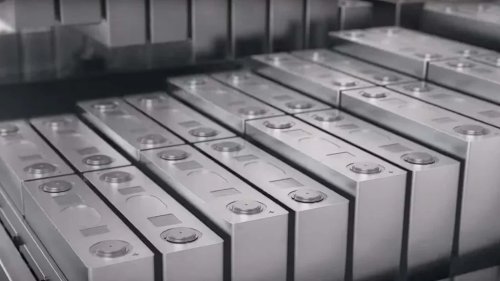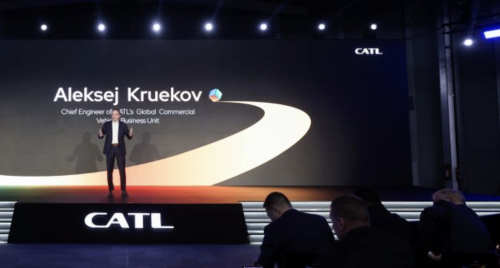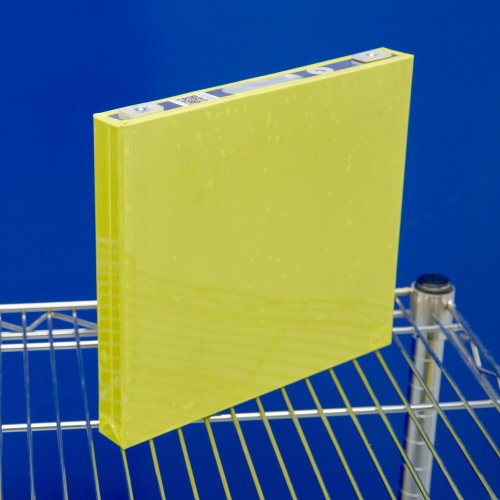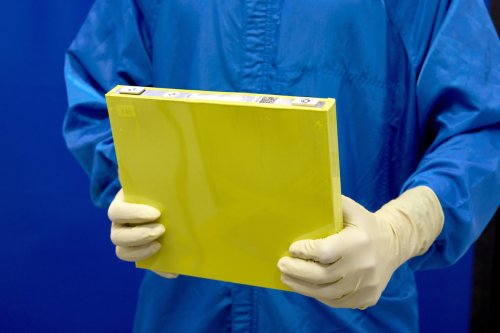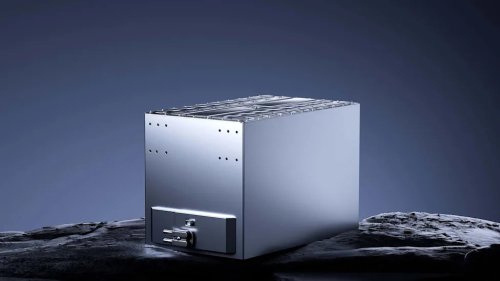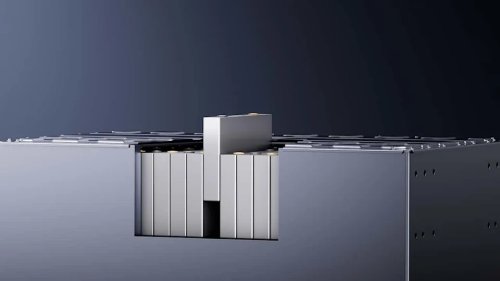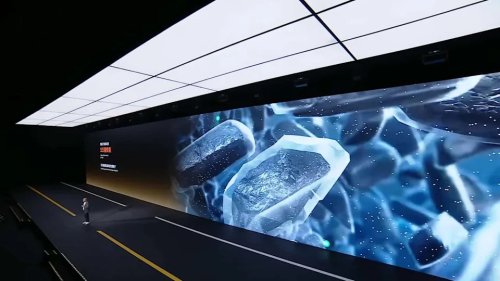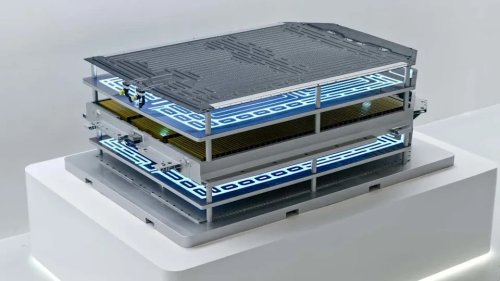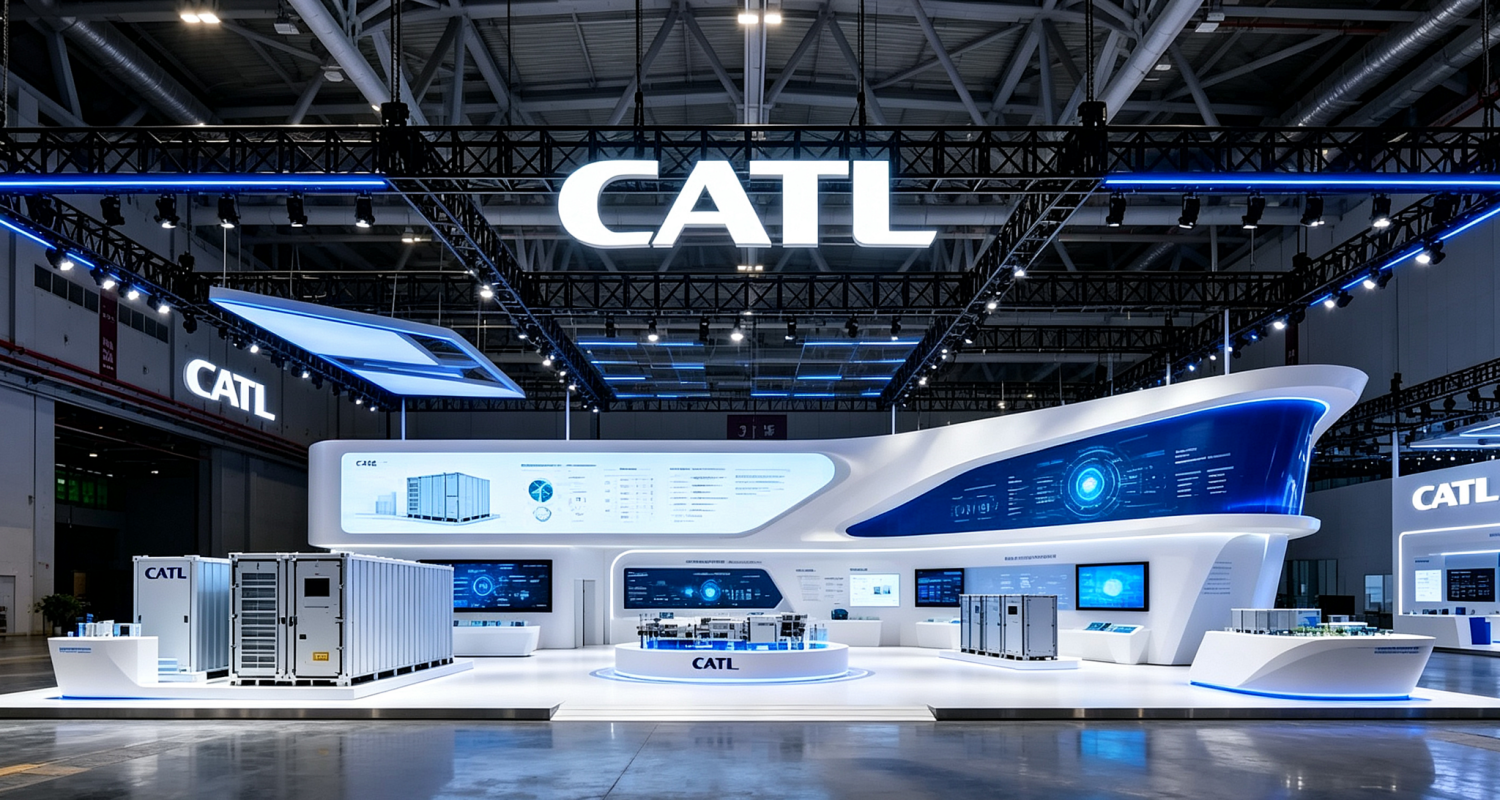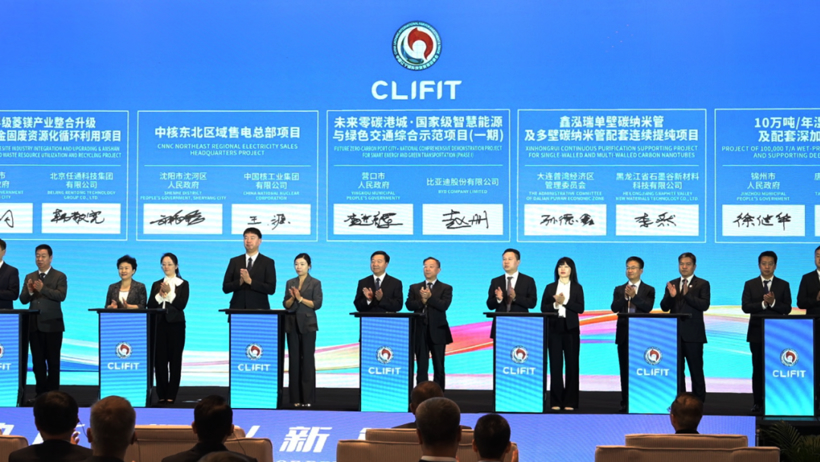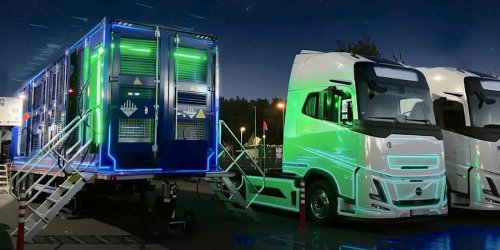



















Chairman Robin Zeng stated that full solid state battery mass production requires reaching level nine. Credit: CNC Understand China EV’s Market Real-time notifications when critical EV data is released All important data in one place 2,000,000+ data points Become a member CATL‘s solid-state battery technology has reached only the fourth level of a nine-point developmental scale. Chairman Robin Zeng clarified the engineering status during an industry panel, noting that full commercialisation requires reaching the final tier. The disclosure grounds near-term mass production expectations across major vehicle platforms, reports IThome. Reaching full maturity requires parallel optimisation of technical, safety, and commercial tracks. Engineering teams must resolve interface contact resistance and packaging integrity parameters before scaling manufacturing. These constraints guide ongoing research investments away from premature expansions of factory-floor footprint. New industry standards Incoming national regulatory guidelines reclassify advanced energy configurations to clarify long-term market structures. Government framework updates establish that power packs containing 5%-20% liquid electrolyte constitute hybrid designs. True solid-state classification requires dropping beneath a strict 5% liquid threshold. This clear demarcation alters the valuation models for the manufacturing infrastructure of major suppliers. The industry baseline reveals that existing lithium lines require less than 10% modifications to assemble hybrid packs. Consequently, the widely projected 59.2 billion yuan (8.73 billion USD) dedicated machinery market remains unfulfilled. Competitor deployment paths Automaker product roadmaps showcase contrasting implementation timelines across competitive manufacturer networks. CATL Chief Scientist Wu Kai targets reaching level seven or eight by 2027 to enable pilot validation. Meanwhile, competitor Dongfeng Motor plans to mass-produce an advanced energy pack by late 2026. The upcoming Dongfeng platform targets an engineering benchmark enabling a 1000 km range. However, initial configurations will likely leverage hybrid architecture rather than true unliquidated chemistry to ensure thermal stability. This allows the manufacturer to capture early consumer interest while tracking multi-year performance. Market volume trackers Domestic monthly cell deployment metrics confirm the continued leadership of conventional chemistry footprints. China EV Datatracker for May 2026 reveals total installations scaled to 71.9 GWh, up 25.9% year on year. Lithium iron phosphate compositions maintained their market leadership by capturing 58.4 GWh for an 81.2% segment share. Ternary chemistry secured 13.4 GWh, capturing an 18.6% share. This entrenched liquid paradigm highlights why mass solid-state integration remains a post-2030 objective.