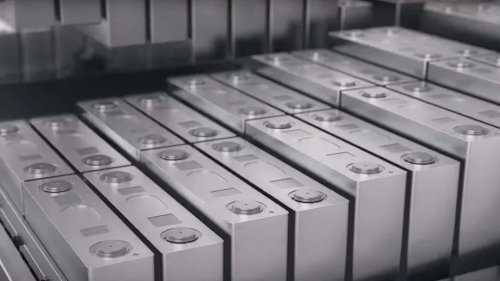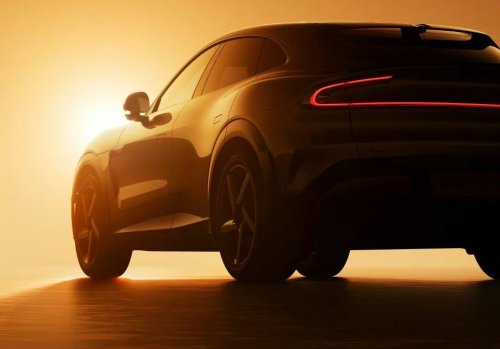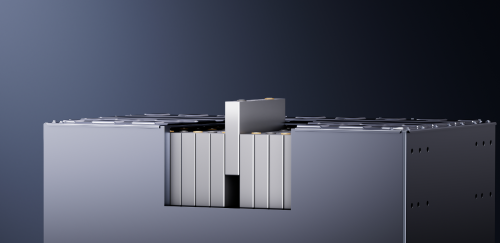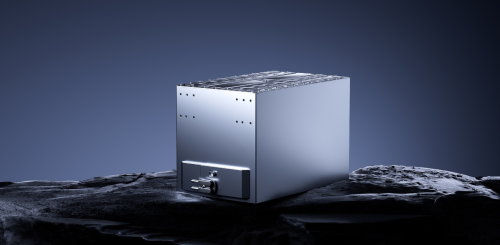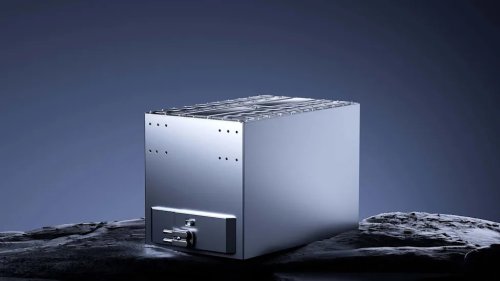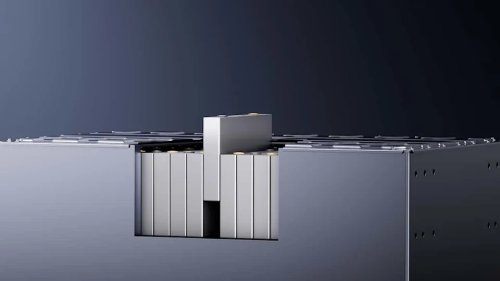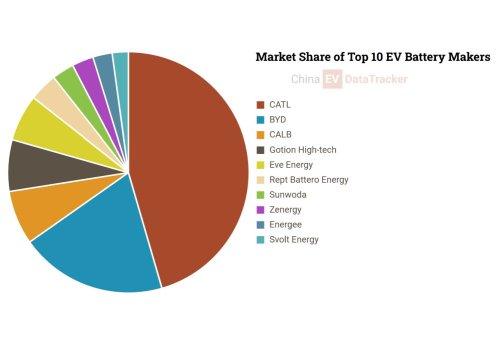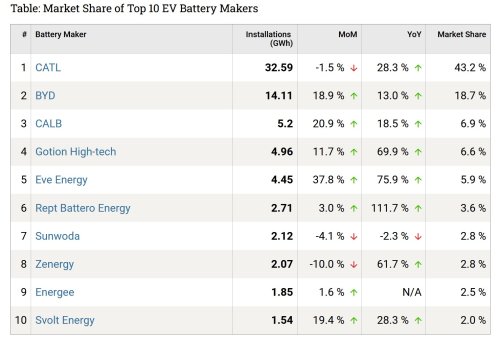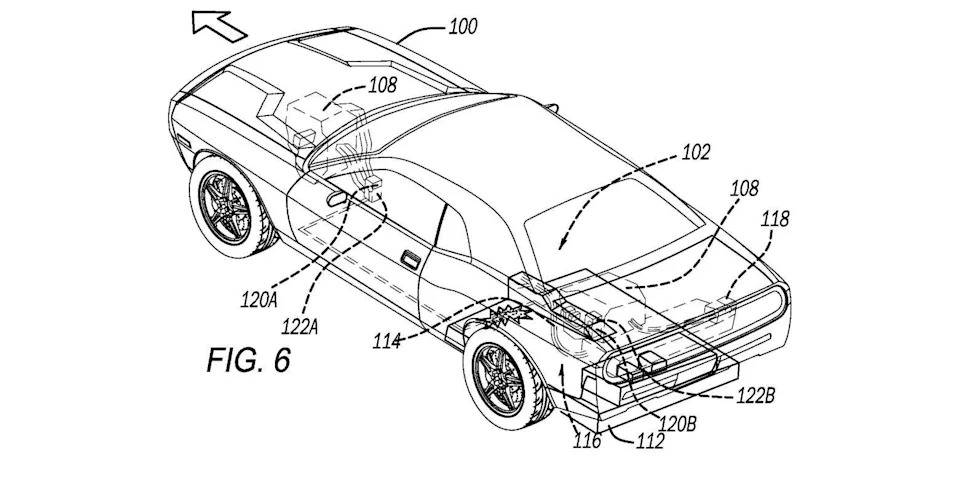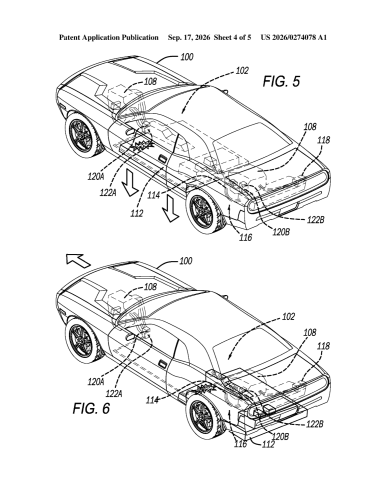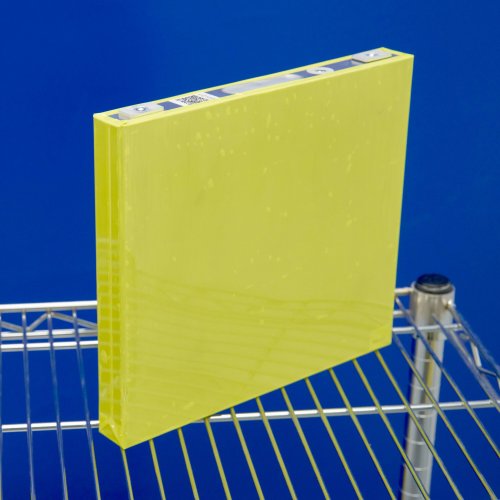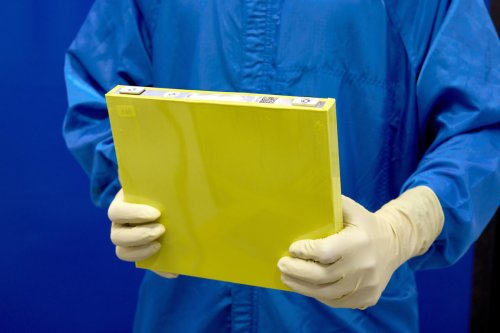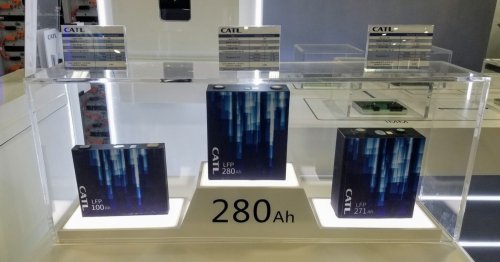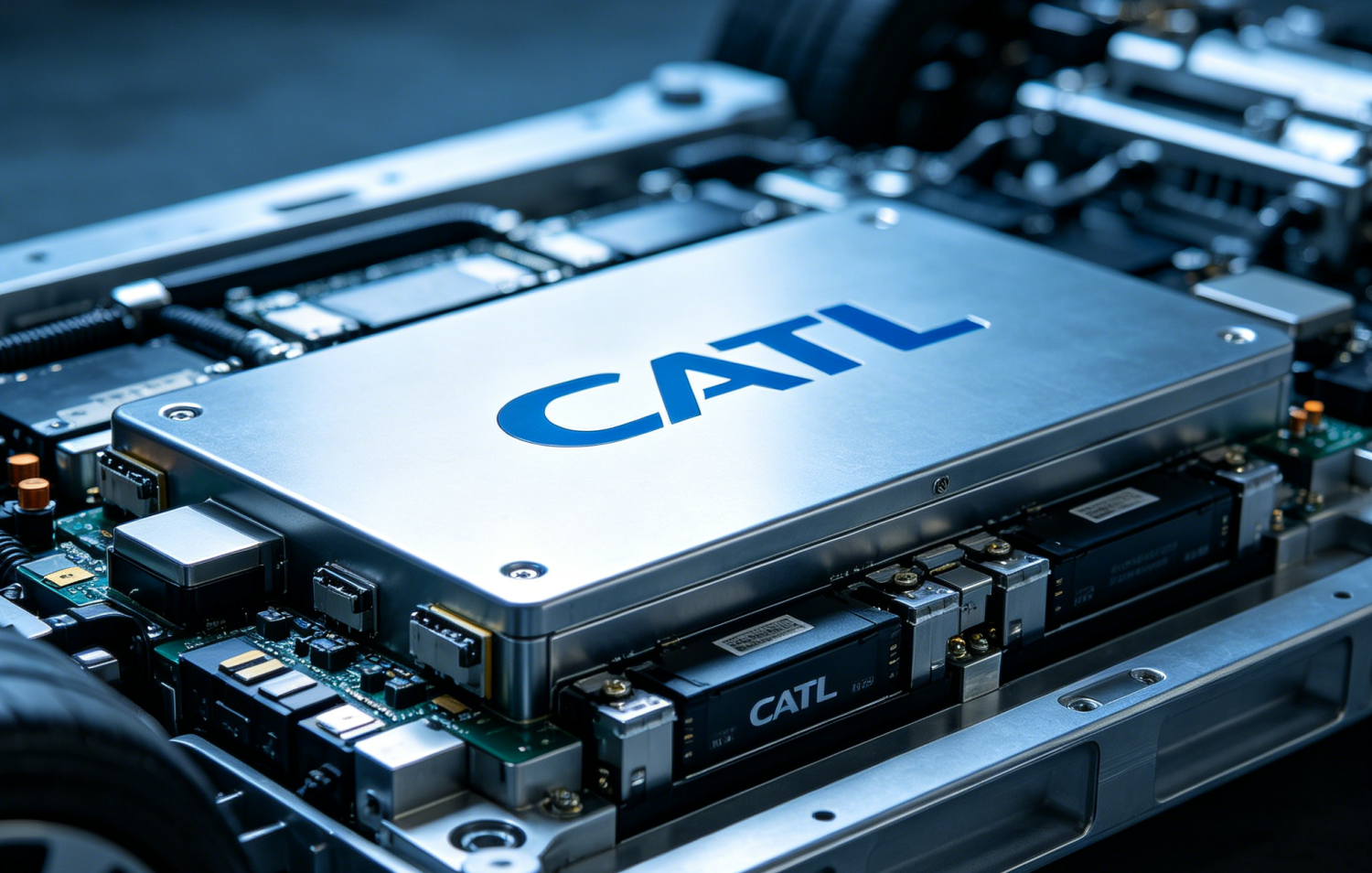



















CATL introduces specialized cell packaging modifications to lower electric sports sedan chassis designs safely. Image rendered by CNC Understand China EV’s Market Real-time notifications when critical EV data is released All important data in one place 2,000,000+ data points Become a member CATL vehicle cell components underwent a mechanical redesign to eliminate floor-thickness constraints in electric sports sedans. The manufacturing modification targets physical vertical packaging barriers to lower-performance car silhouettes. This layout limits structural height dimensions before the finalised battery pack assembly begins, according to Sina. The newly authorised hardware patent introduces an integrated thinned zone directly beneath the terminal cover assembly. This clearance allows internal electrode tabs to fold tightly without contacting the outer metallic housing walls. This layout prevents internal micro short circuits during road vibrations. Packaging clearance Thick under-floor battery packs remain a physical challenge for designers of low-slung performance vehicles. Standard configurations force automakers to raise rooflines or compromise rear occupant seating ergonomics to clear bulkier prismatic cells. The redesigned components trim vertical footprint dimensions, enabling drop-chassis architectures without cutting passenger space. This geometric optimisation directly addresses immediate consumer protection priorities. The architecture functions as a mechanical safeguard, separating internal electrical networks from container walls during directional stresses. It complements the previous corporate strategy, which aimed to secure specialised CATL pack-level safety hardware designs to reduce thermal-failure exposure. Financial strength These hardware updates leverage a 22.147 billion yuan (3.28 billion USD) corporate research allocation deployed throughout 2025. This continuous capitalisation supports the optimisation of liquid-electrolyte infrastructures as next-generation solid-state alternatives scale up. Capital capability allows the firm to prioritise physical containment over standard software monitoring patches. The heavy R&D spending reflects broader operational resilience across the automotive supply ecosystem. Explicitly, the CATL single-quarter net profit reached 20.7 billion yuan (3.06 billion USD) during the first quarter of 2026. This financial result surpassed the combined net profits of leading Chinese automakers, including BYD, Geely, and Chery. Installation metrics Commercial deployment data confirms the corporate market position as these technical revisions enter production. According to monthly registration-tracking data from China EV DataTracker, the company recorded 33.08 GWh of total battery installations in May 2026. This represents a 13.8% month-on-month increase and a 35.2% year-on-year expansion. CATL secured a 46.1% domestic market share baseline. The distribution chart shows that lithium iron phosphate chemistry accounts for the largest share of total volume, followed by lithium nickel-manganese-cobalt.