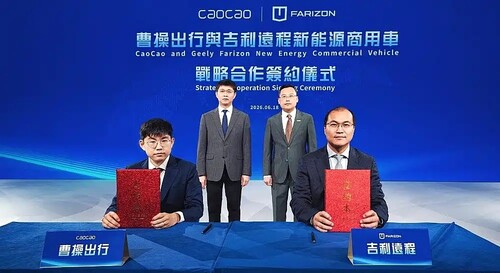
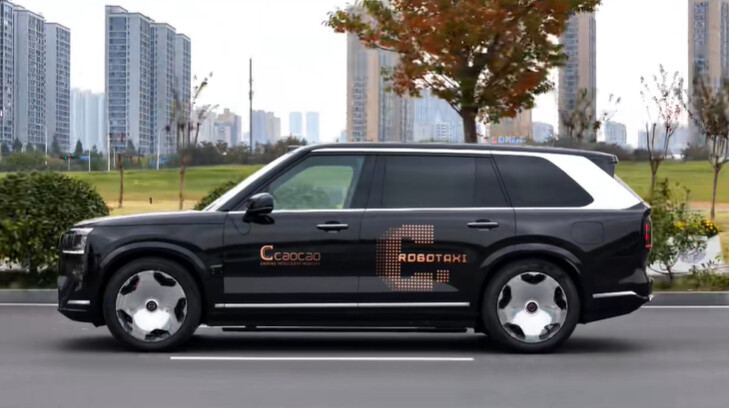
Gabriel Anderson · 3 months ago@gabrielanderson79CaoCao Inc. Puts First Batch of Robovan Autonomous Delivery Vehicles into Operation Liked by+63 othersPost commentRelated PostsCaoCao Launches Robovan Operations; Great Wall Expects Profit Drop; PrimeBOT Unveils Transformable Humanoid 67 · Sophie Morgan · 3 months agoGeely-Backed Farizon, CaoCao Mobility Target 100K Robovans by 2030 11 · Connor Leblanc · 4 months agoCaoCao Inc., Dazhong Transportation plan Shanghai Robotaxi partnership 83 · Gabriel White · 2 months agoCaoCao Mobility Officially Launches Driverless Robotaxi Testing 76 · Caleb Roy · 2 months agoCaoCao begins Robotaxi testing without onboard safety operator on public roads in Hangzhou 68 · Madeleine Bouchard · 3 months agoCaoCao Mobility plans to enter Europe's Robotaxi market 47 · Samuel Tremblay · 4 months agoCaoCao Mobility Robotaxi Push, XPENG X9 Tops 60K Sales, JETTA Expands Overseas 51 · Adam Scott · 4 months agoCaoCao Mobility launches AI innovation center to accelerate RoboX autonomous mobility strategy 57 · Isabelle Morgan · 4 months agoGeely’s Uber rival Caocao plans robotaxi initiative 37 · Zoë Brown · 5 months agoNIO Inc. Delivers over 37,400 Vehicles in September, YTD Deliveries Top 300,000Zoë Lee · 16 days agoNIO Inc. boasts 14.5% YoY growth in Aug. 2026 deliveries 24 · Zoë Lee · 1 months agoUS Auto Safety Regulator Opens Probe into almost 115,000 Rivian Automotive, Inc. (RIVN) Vehicles 53 · Oliver Hall · 4 months agoNIO Inc. scores 2-digit YoY, MoM growth in May deliveries 89 · Ethan King · 4 months agoCar rental company Car Inc Orders up to 100,000 BYD vehicles 44 · Oliver Leblanc · 5 months agoBYD and Car Inc. ink deal for 100,000 rental cars and Flash Charging stations 82 · Kaitlyn Young · 5 months agoBYD, CAR Inc. strike strategic deal for 100,000 NEVs, nationwide FLASH Charging rollout 88 · Caleb White · 5 months ago8 engineering risks that made Tesla, Inc. the industry disruptor 99 · Henry Brown · 8 months agoNio Inc. Delivers 35,486 Vehicles in March, Up 136% YoY 75 · Ryan Nelson · 6 months agoZotye Auto's First Small Batch of Wink Y01 International Edition Trial Production Vehicles Rolls Off Line 39 · Oliver Rogers · 1 months agoDon’t Call It a Recall: Dodge Orders Repairs for Batch of Demon 170s to Stop Possible Engine Damage 40 · Noah White · 1 months ago


 +63 others+63 others
 +63 others