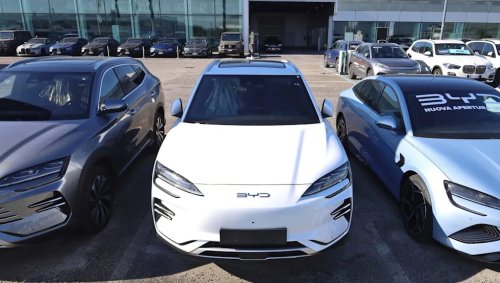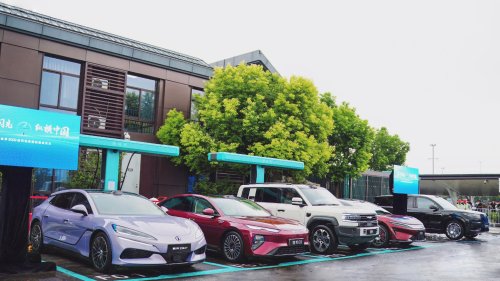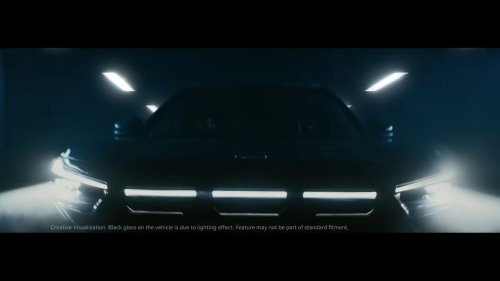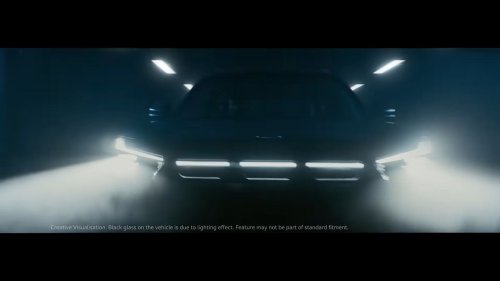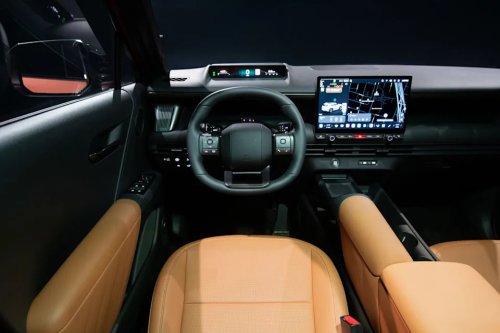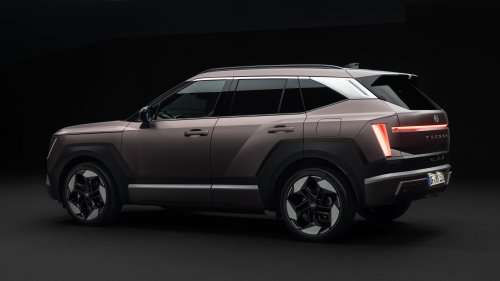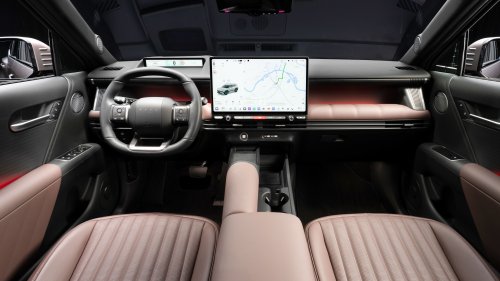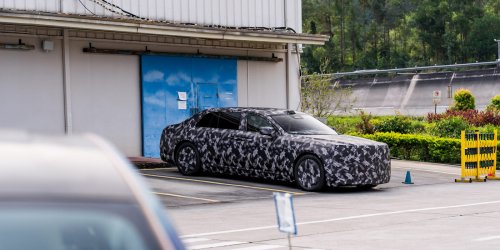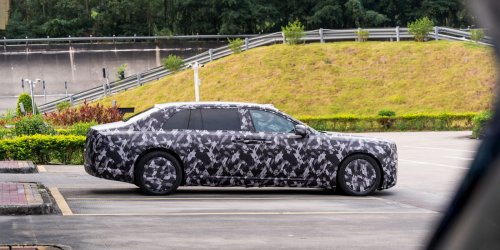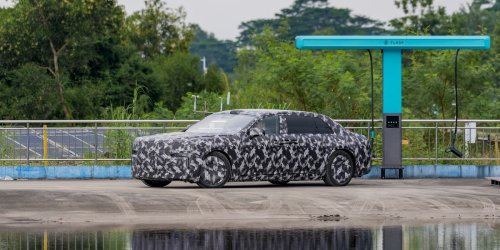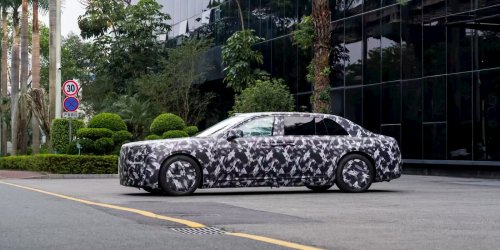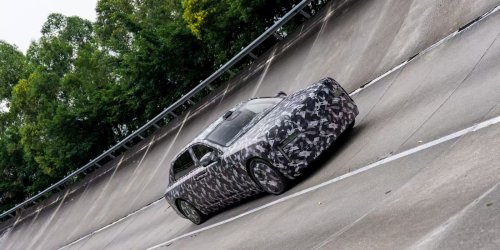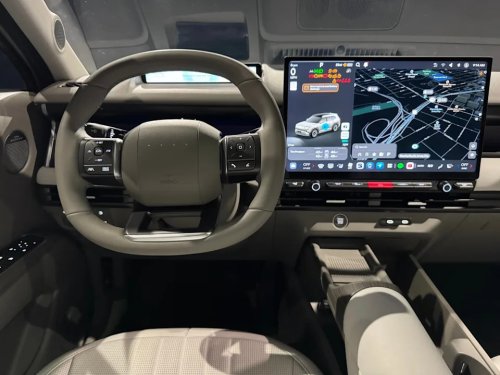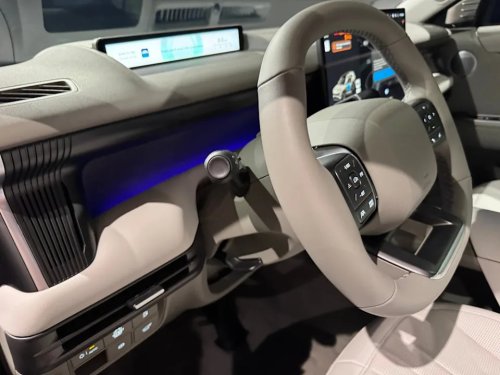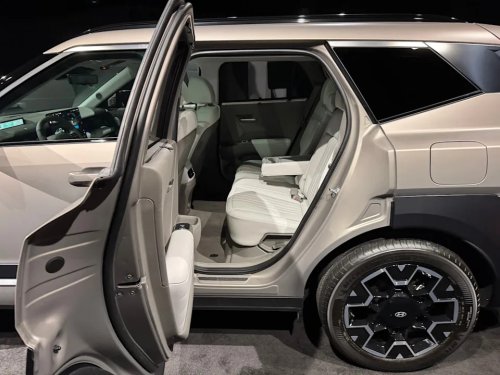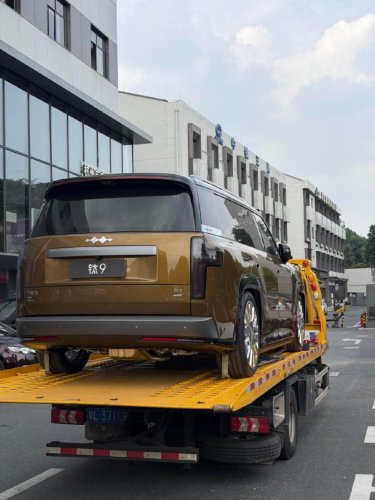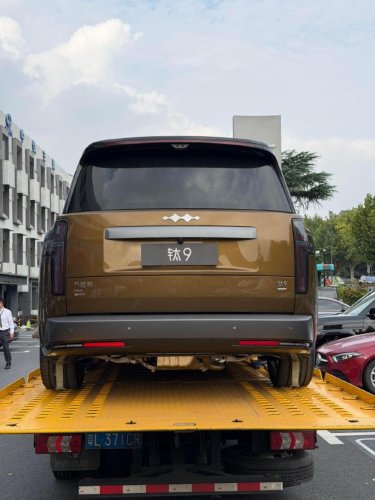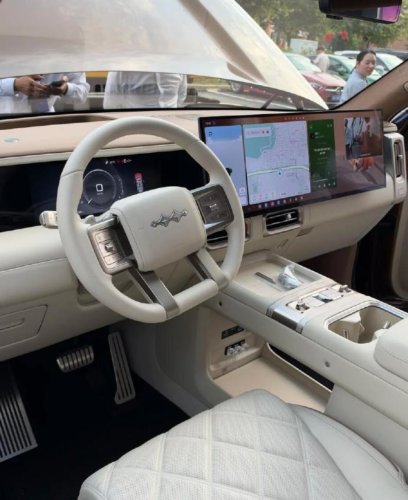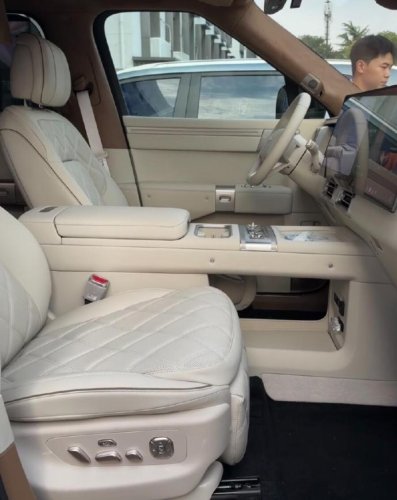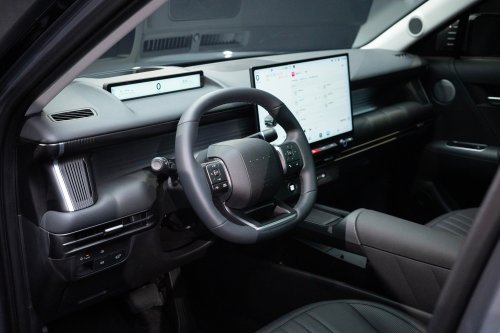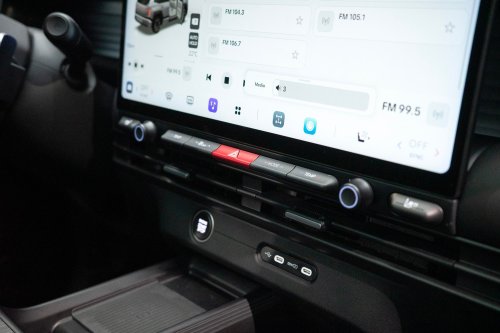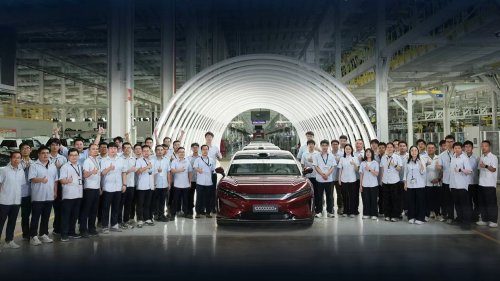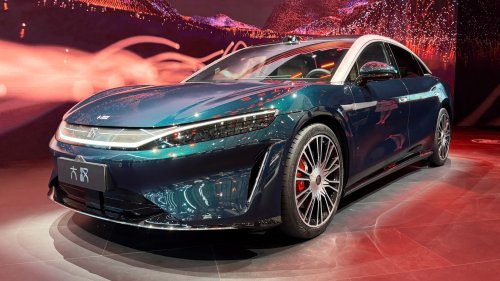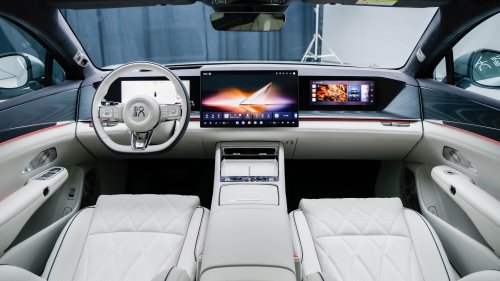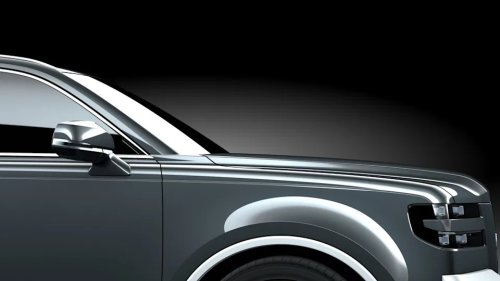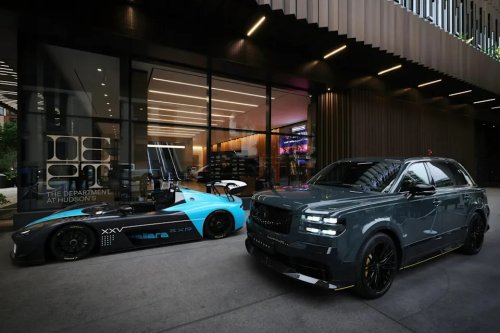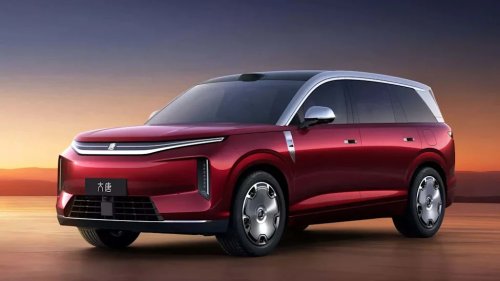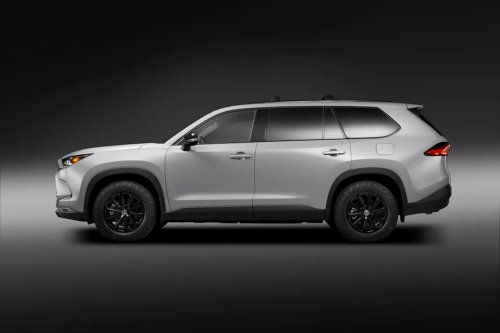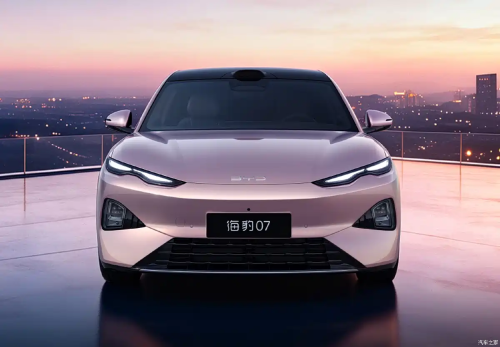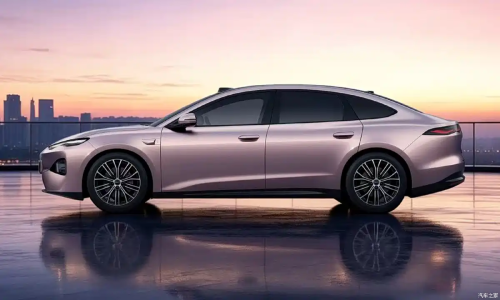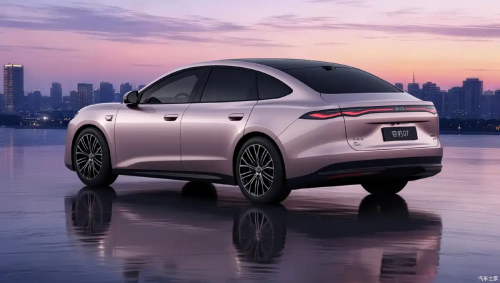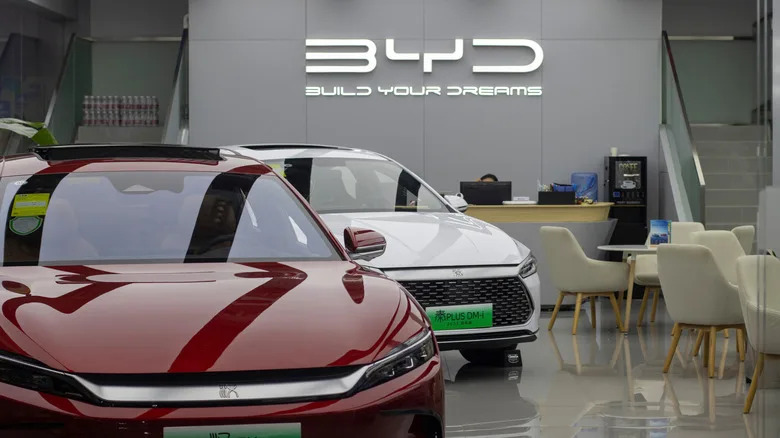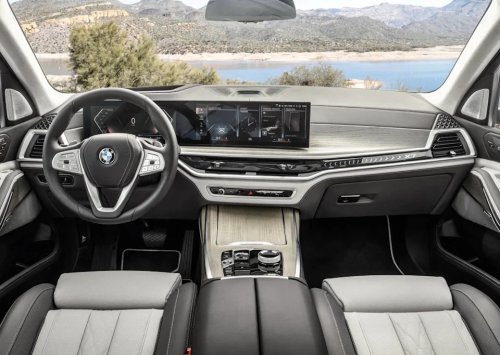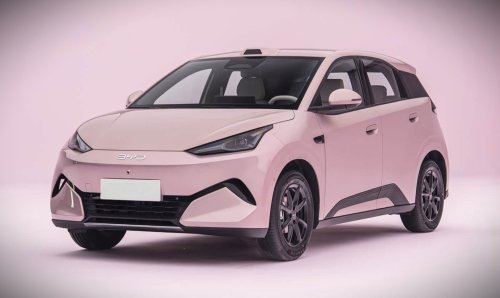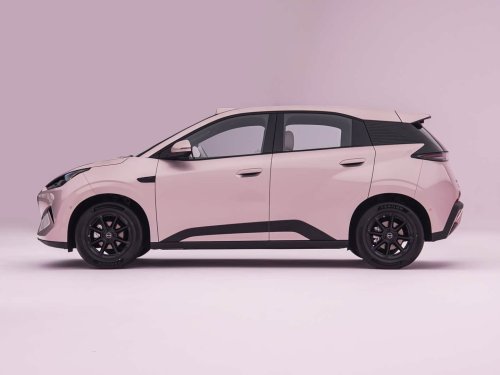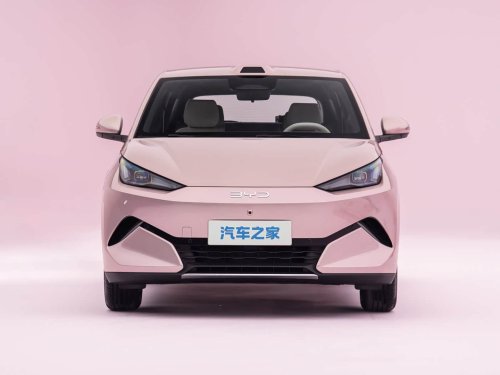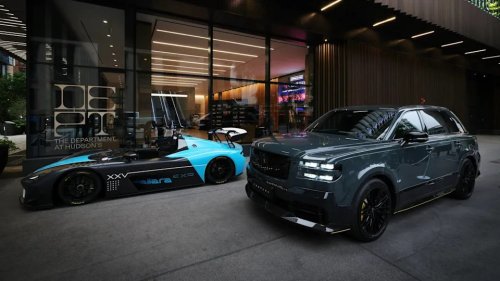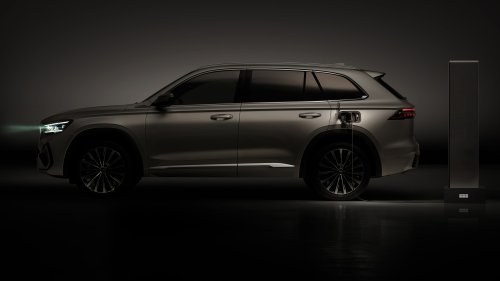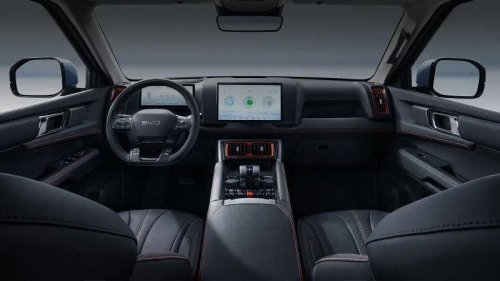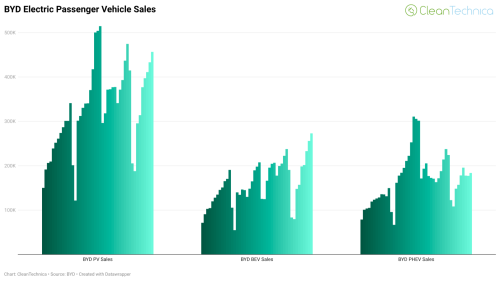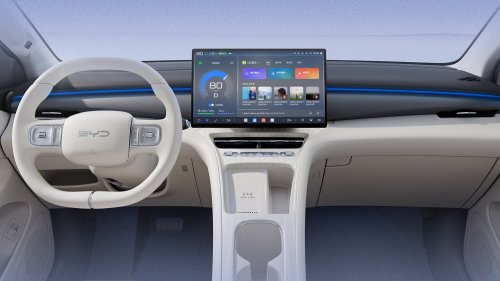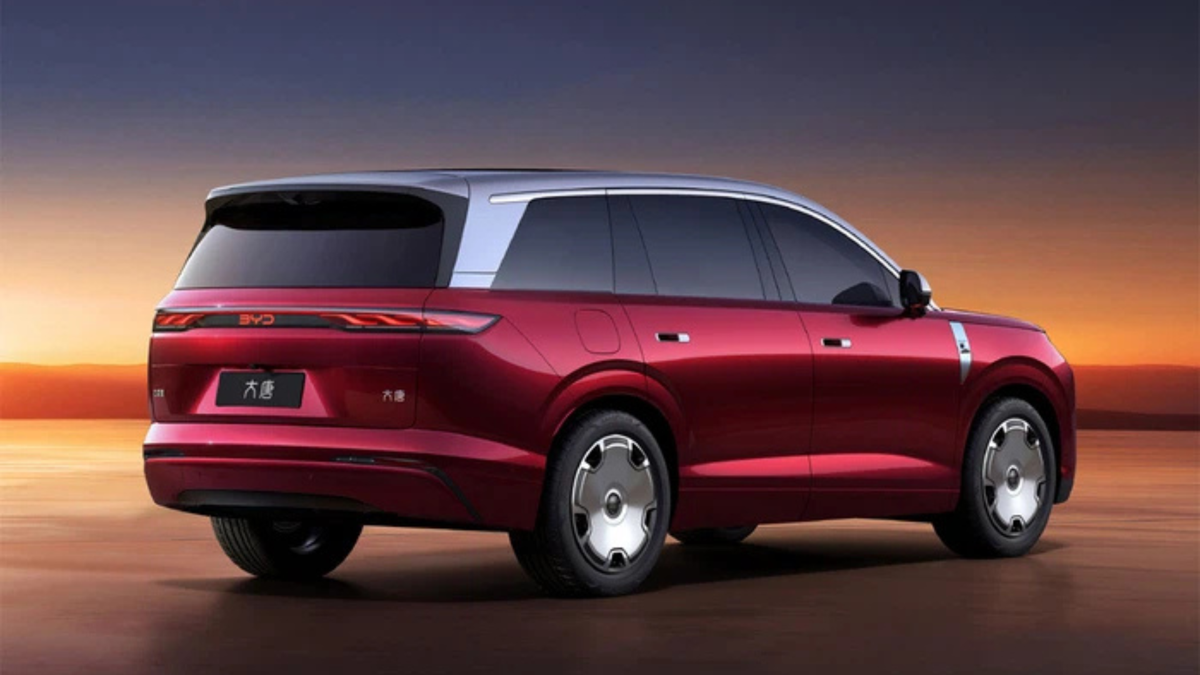
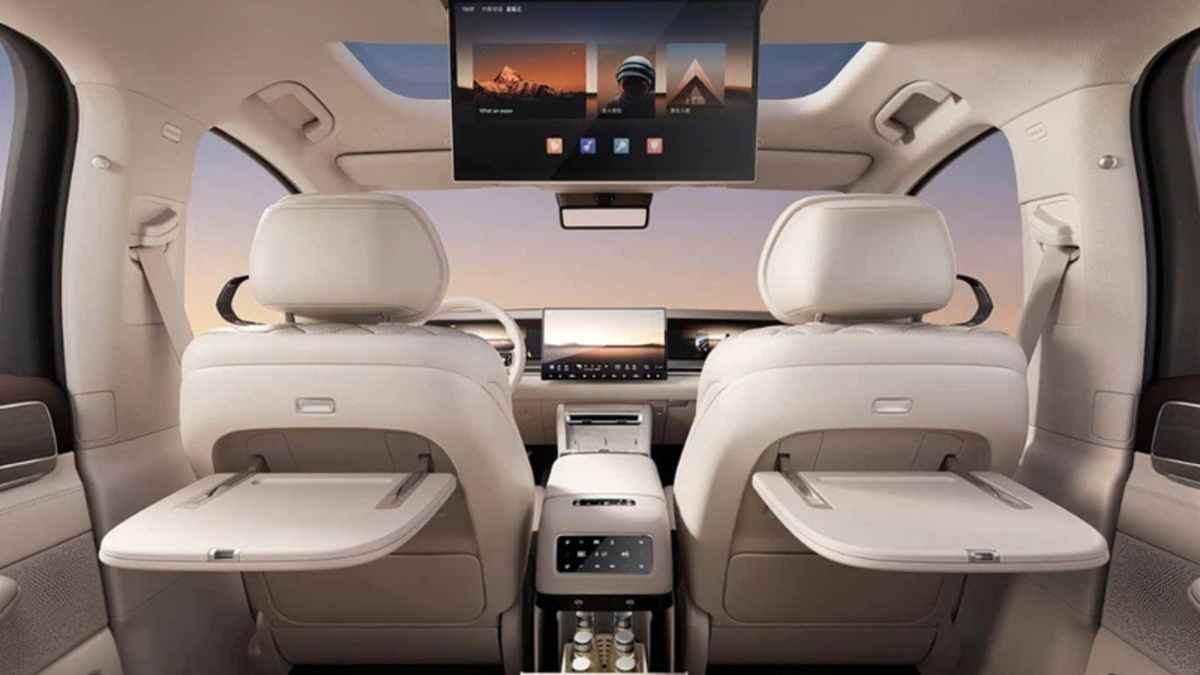
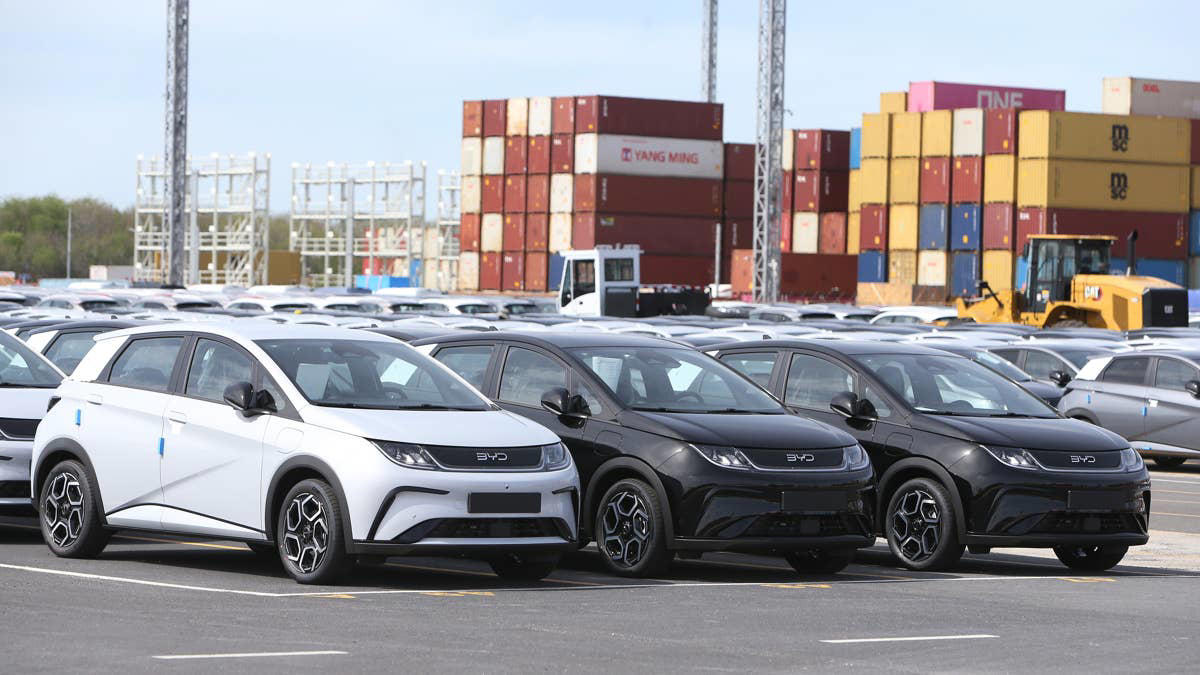



















BYD Sales Onslaught ContinuesBYD is not slowing down. Fresh off overtaking Tesla as the world’s top EV seller, the Chinese giant has unveiled its latest flagship SUV, the Great Tang. Within just 24 hours of launch, the model secured over 30,000 pre-orders, reinforcing the brand’s accelerating dominance in the global EV race and highlighting strong domestic appetite for high-end electrified SUVs.The Great Tang backs that hype with serious numbers and hardware. The rear-wheel-drive version delivers up to 950 km of CLTC range, positioning it among the longest-range SUVs in its class. The dual-motor all-wheel-drive variant produces 585 kW and accelerates from 0 to 100 km/h in 3.9 seconds. Fast charging is equally aggressive with a 10C rate and peak current of 1000A. Even better, plug-in hybrid variants expand their reach. The DM-i tech pairs a 1.5T engine with a 300 kW motor for efficiency. The DM-p uses dual motors with 400 kW and hits 62 mph in 4.3 seconds. Chassis tech includes DiSus-A dual-chamber air suspension, rear-wheel steering, and a tight 17-foot turning radius. Cabin technology features lidar-assisted driving, a 3 nm cockpit chip, and a 27-speaker Devialet sound system. Demand Could Be Even HigherAccording to CarNewsChina, Early dealer data suggests the initial 30,000-unit figure may only tell part of the story. Some channel checks point to actual orders being significantly higher, with internal estimates hinting the number could approach double that figure. Even if official numbers remain conservative, the launch performance is already exceptional by any metric.A key enabler is BYD’s second-generation Blade Battery. The updated architecture improves charging speed, thermal management, and structural safety. With BYD’s in-house control of batteries, motors, and semiconductors, the company can compress costs while pushing performance forward. This tight integration remains one of its biggest competitive advantages in a crowded EV market. The BYD SurgeBYD’s trajectory now resembles a surge rather than a gradual climb. A global fuel crunch has accelerated the shift to electrification, and BYD is scaling aggressively to meet that demand. The irony is that its biggest bottleneck is no longer market acceptance but production capacity, as factories race to keep up with incoming orders.The competitive landscape is shifting quickly. BYD has already moved past Tesla in EV volume and is increasingly challenging legacy automakers like Ford in total sales. With improving engineering quality and growing international confidence, the brand is closing the gap to traditional leaders. If momentum holds and supply constraints ease, BYD’s push toward the very top of the global auto industry looks less like a possibility and more like an inevitability.