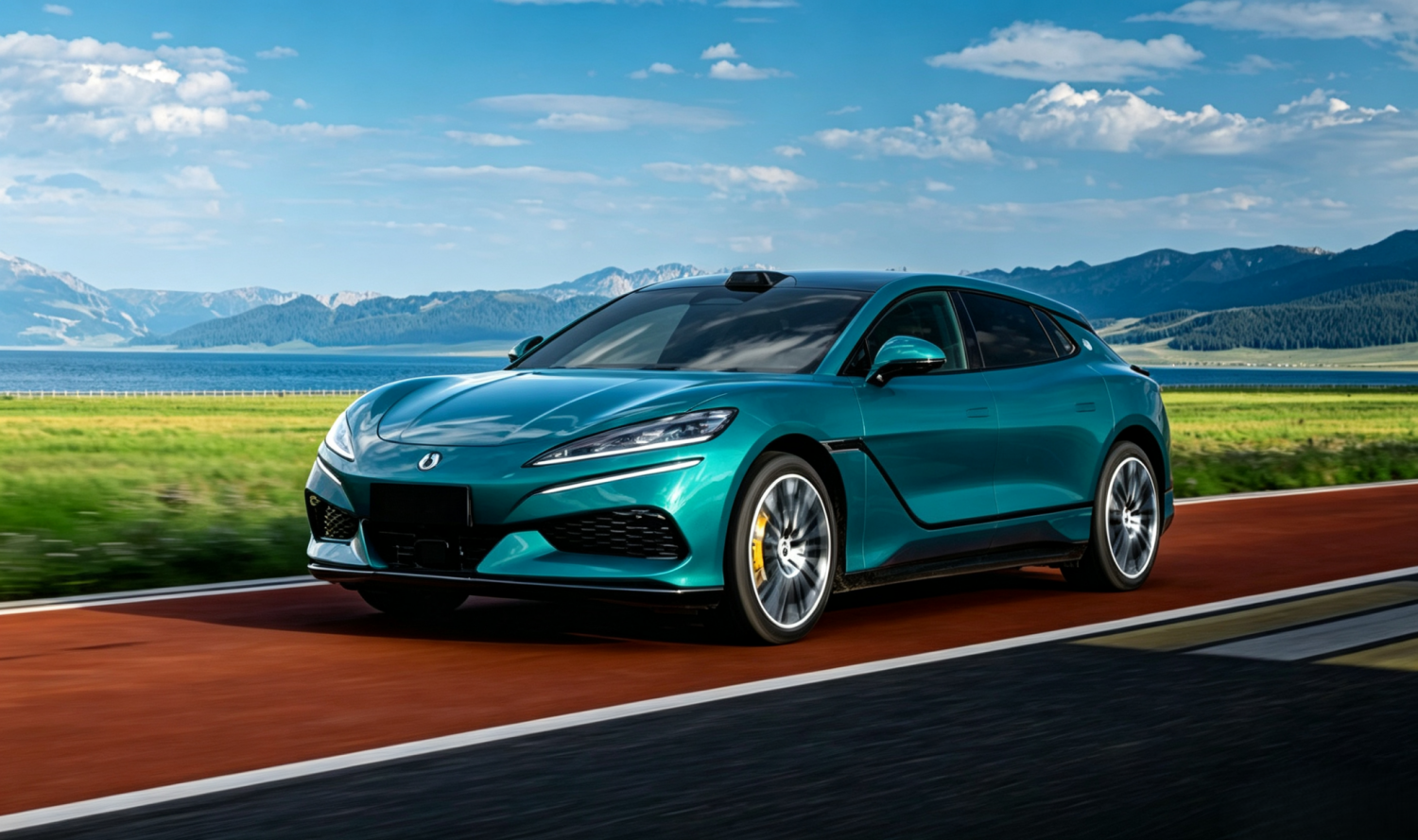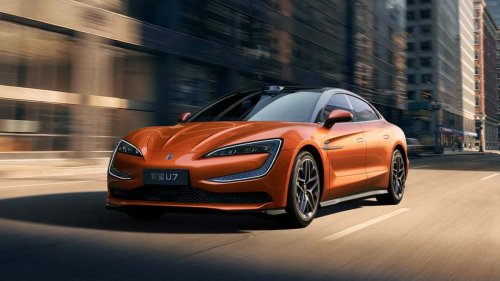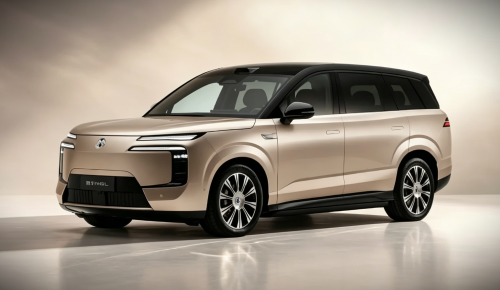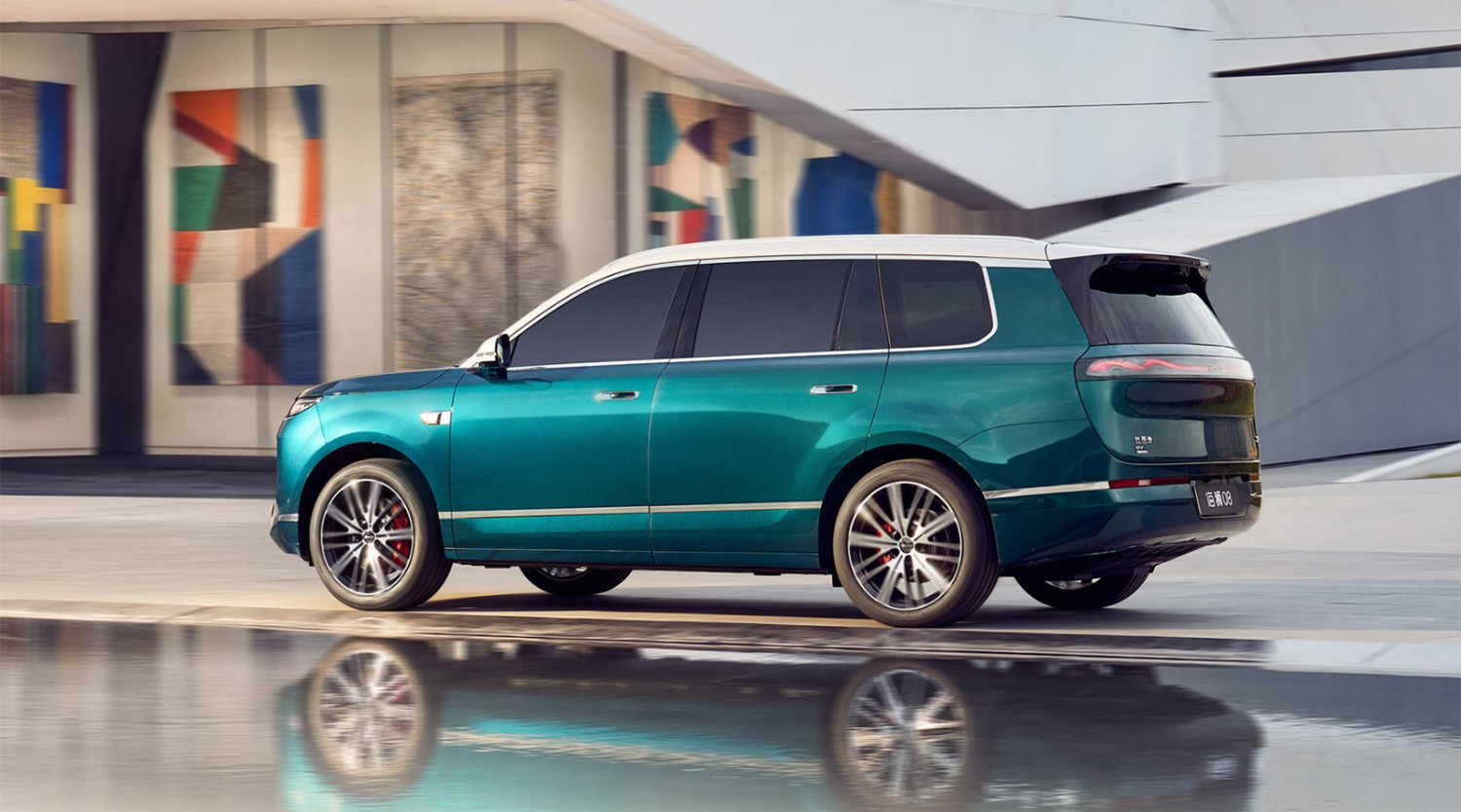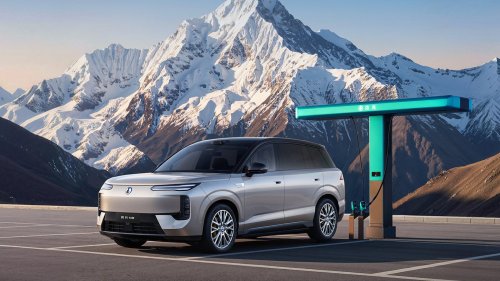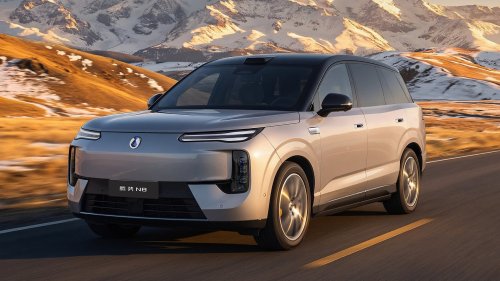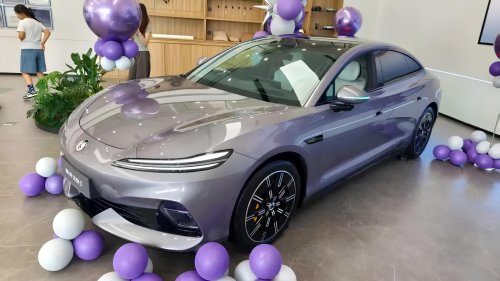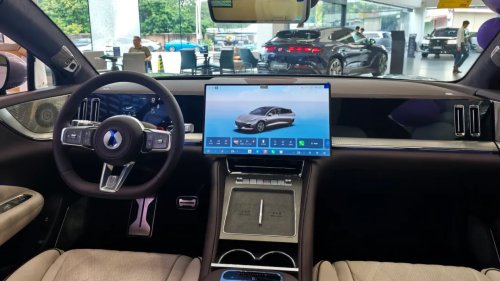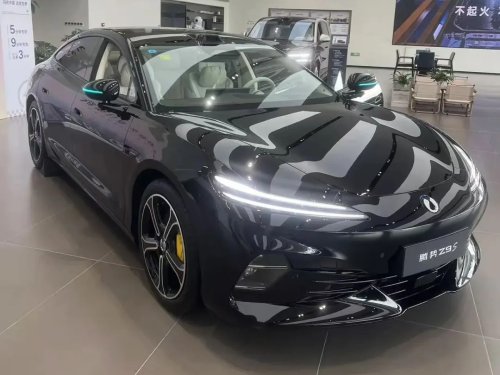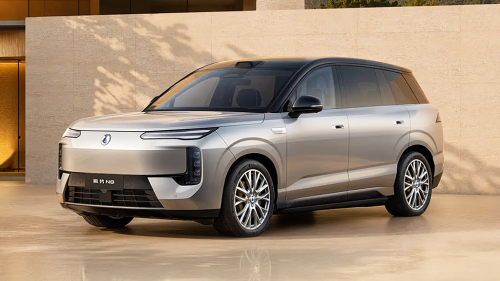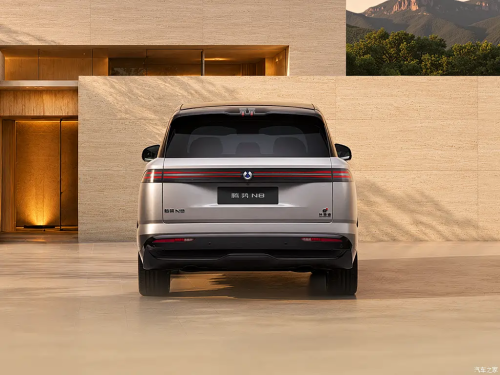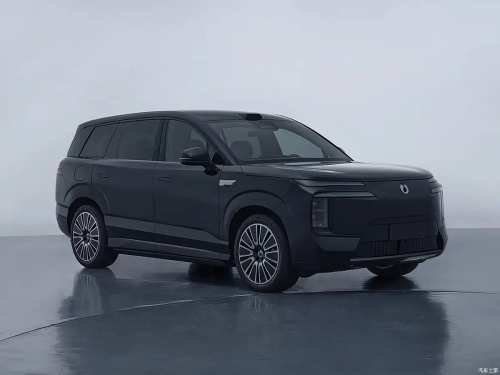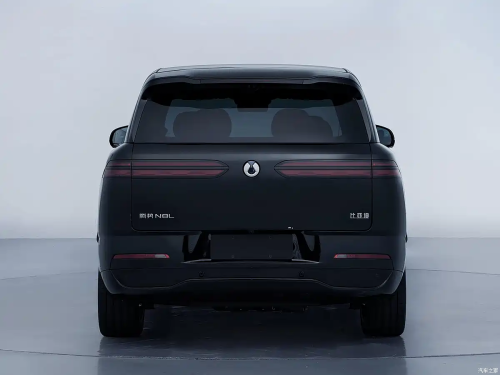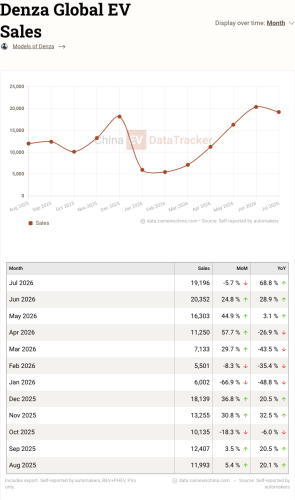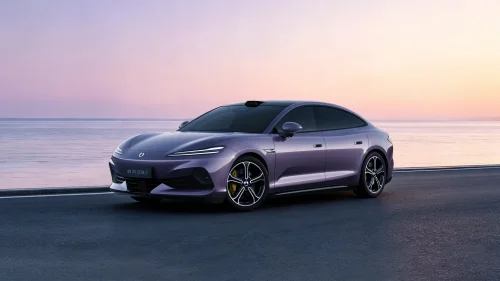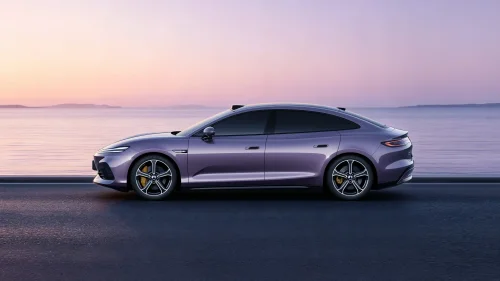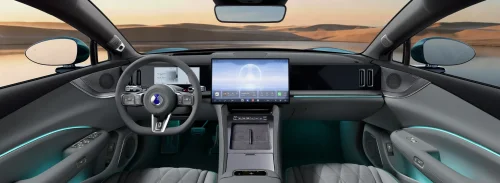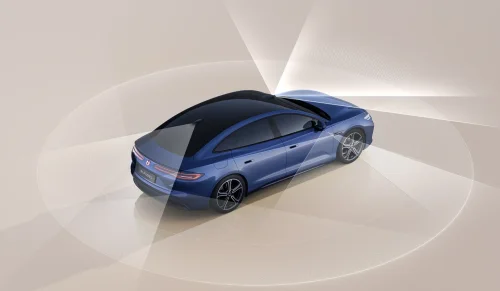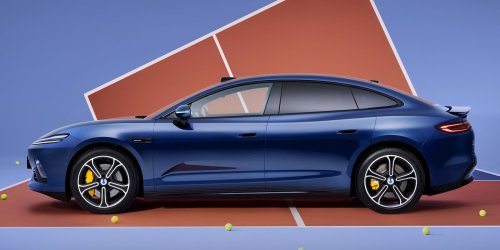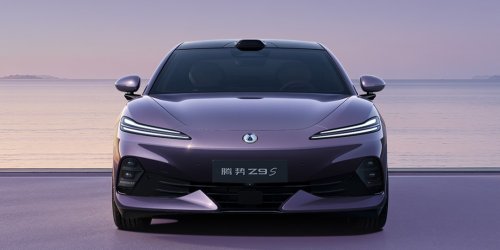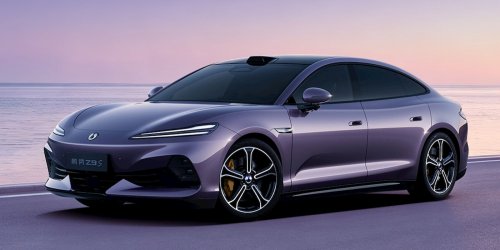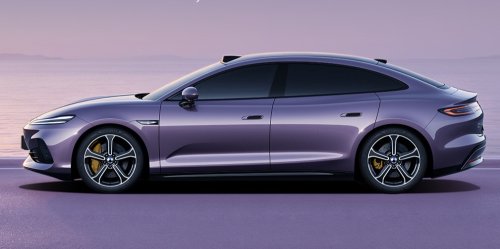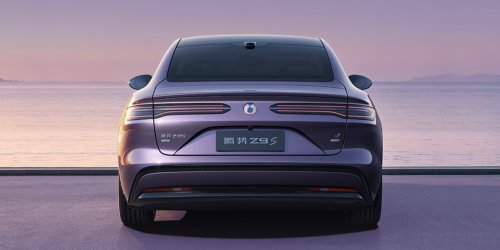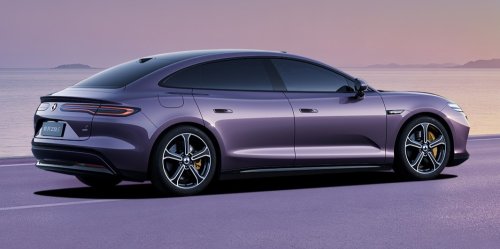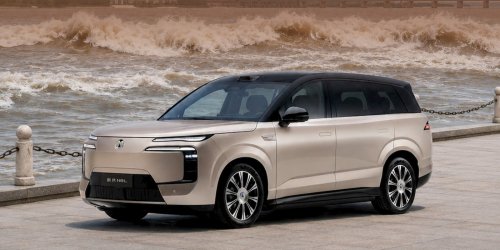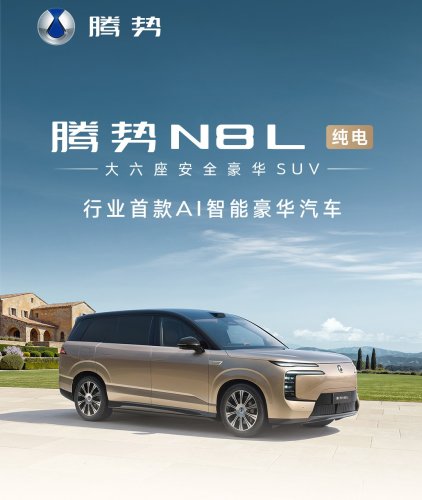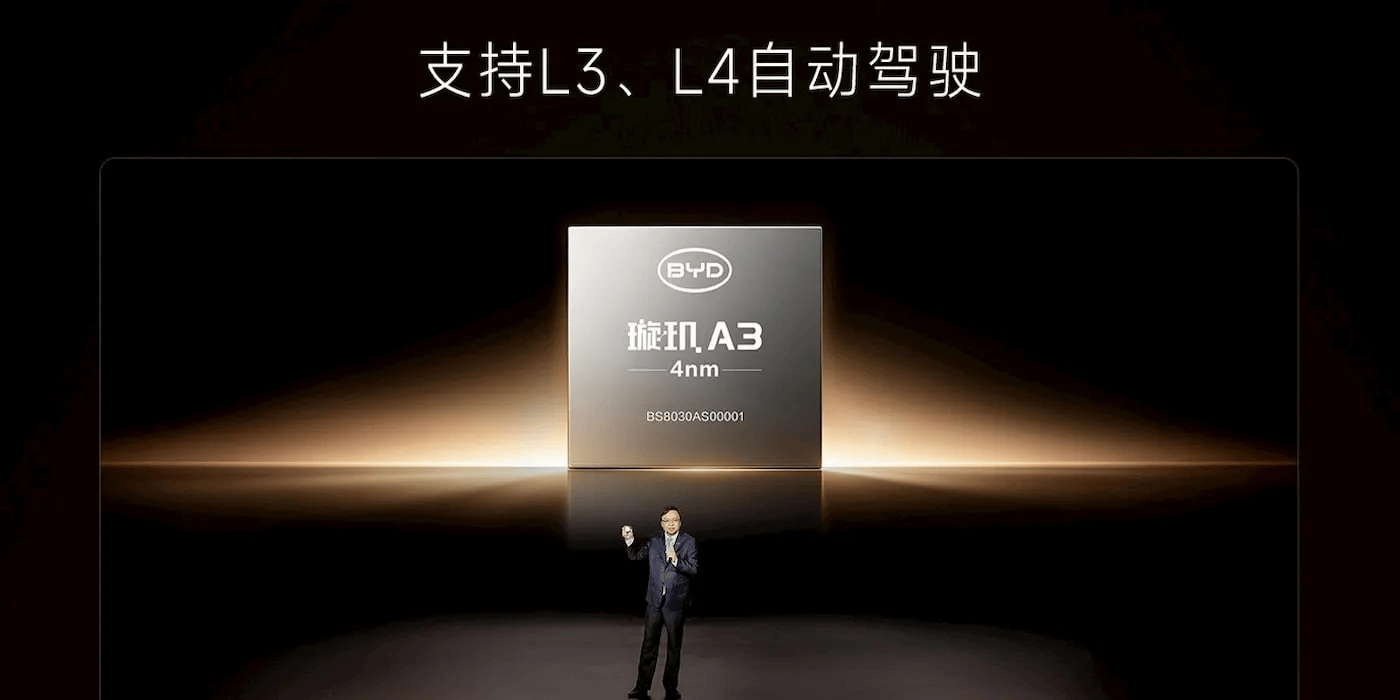
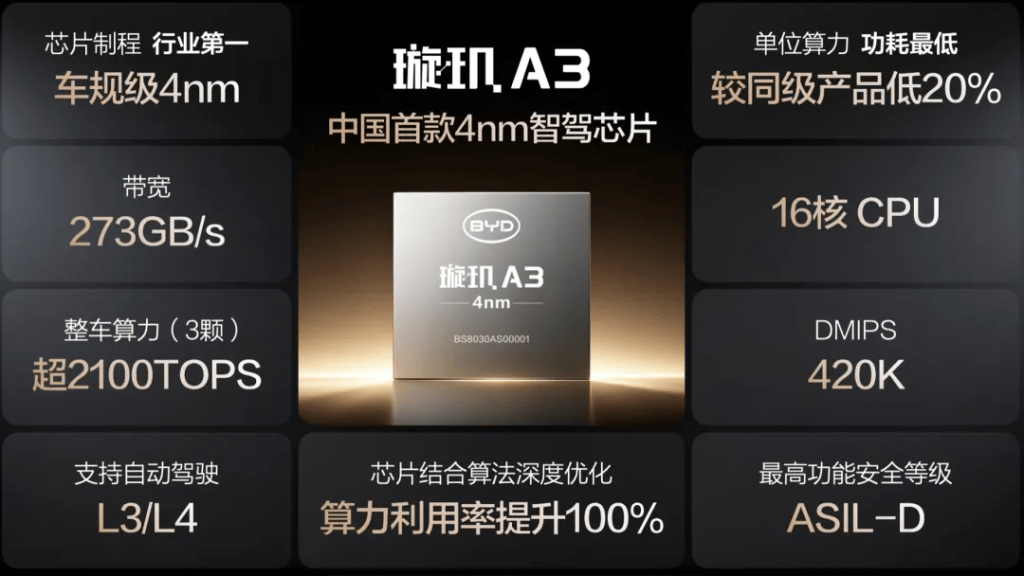
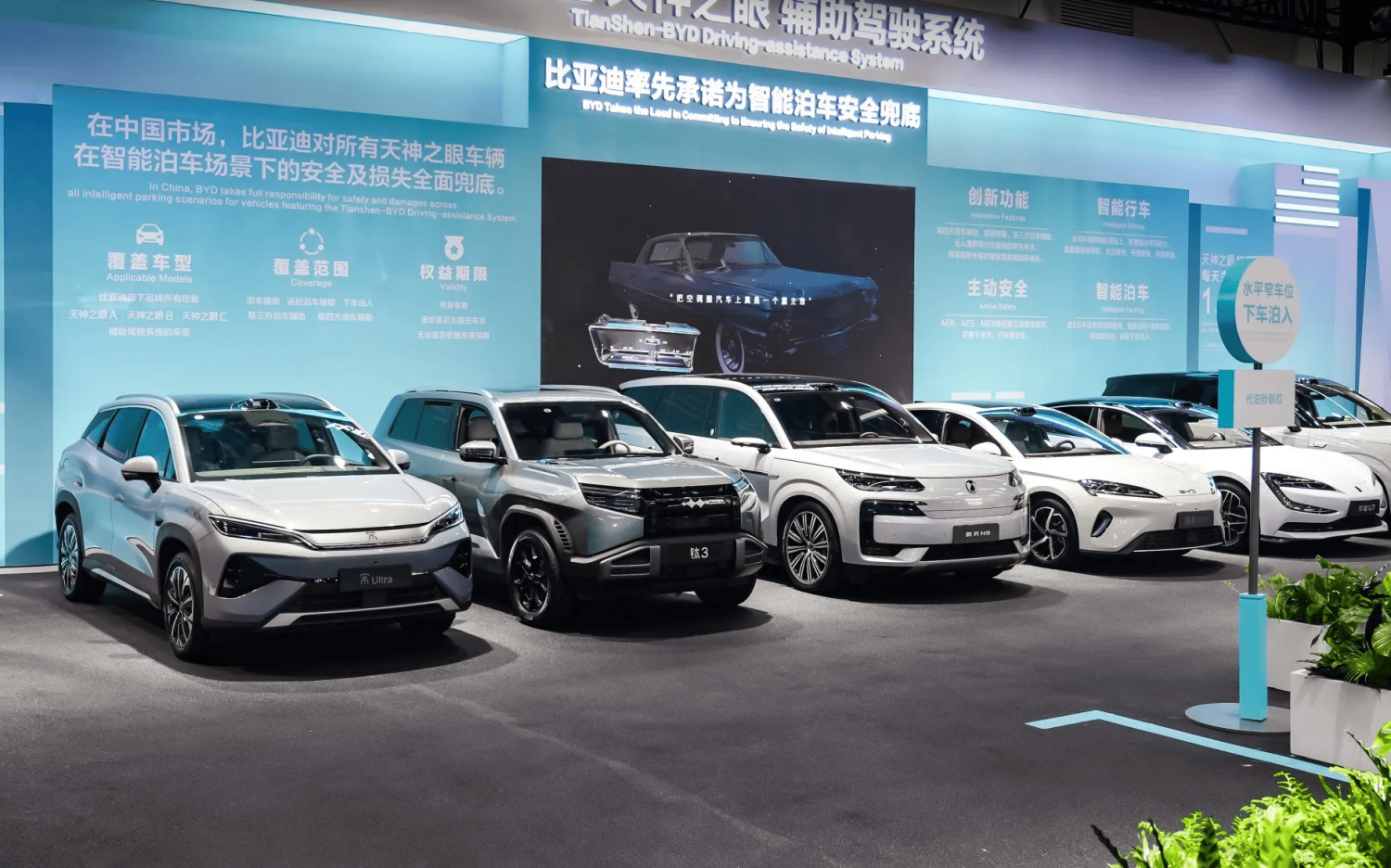



















BYD plans to equip Denza production models with its in-house autonomous driving chip, the Xuanji A3, for the first time in 2027, according to a Chinese media report. If realized, the move would mark the commercial deployment of BYD’s proprietary high-end intelligent driving chip in mass-produced vehicles. However, a lengthy validation process remains before the chip reaches production vehicles. A source from the intelligent driving chip supply chain said automotive-grade AD chips typically require at least one year from tape-out to commercial deployment. During that period, manufacturers must complete chip reliability verification, algorithm integration, domain controller adaptation, and full-vehicle calibration, making it difficult to significantly shorten the production timeline. The Xuanji A3 was officially unveiled at BYD’s intelligent technology launch event in May, becoming China’s first publicly announced 4 nm automotive-grade intelligent driving chip. According to BYD, a single Xuanji A3 delivers more than 700 TOPS of computing power. Three chips operating together can provide over 2,100 TOPS of total vehicle compute, supporting L3 and L4 autonomous driving while meeting ASIL-D functional safety certification. Beyond raw computing performance, BYD has emphasized hardware-software integration. The company said the Xuanji A3 reduces power consumption per unit of computing performance by around 20% versus comparable products, while its in-house algorithms double overall computing utilization. At the launch event, BYD Chairman Wang Chuanfu said, “The first half of the EV era was defined by batteries, while the second half will be defined by chips,” signaling the company’s intention to further strengthen investment in core intelligent driving technologies. In fact, BYD’s semiconductor ambitions date back more than two decades. The company established its IC design division in 2002 and entered the IGBT sector by acquiring Ningbo China-We Semiconductor in 2008. Since then, BYD has developed and manufactured a range of key automotive chips in-house, including power semiconductors, MCUs and power management chips. The company now has a chip R&D team of more than 7,000 engineers, supported by four R&D centers and five wafer fabrication plants. Compared with power semiconductors, intelligent driving chips require not only advanced chip design capabilities but also close integration with algorithms, sensors, domain controllers and vehicle electronic/electrical architectures, placing greater demands on full-stack automotive software development. While continuing to pursue in-house chip development, BYD has maintained an open partnership strategy. Its God’s Eye intelligent driving system continues to collaborate with suppliers including Momenta and Huawei. As BYD’s premium brand, Denza is expected to be the first to receive the Xuanji A3 if the reported plan proceeds. The chip could later be rolled out across BYD’s broader model lineup. BYD’s sales momentum has remained strong. Official data show the company sold 376,990 passenger vehicles in May, including 16,303 units under the Denza brand. Denza recently launched the flash-charging versions of N9 and N8L. As the brand continues expanding its product lineup, it is expected to provide additional platforms for BYD to deploy its next-generation intelligent driving technologies.