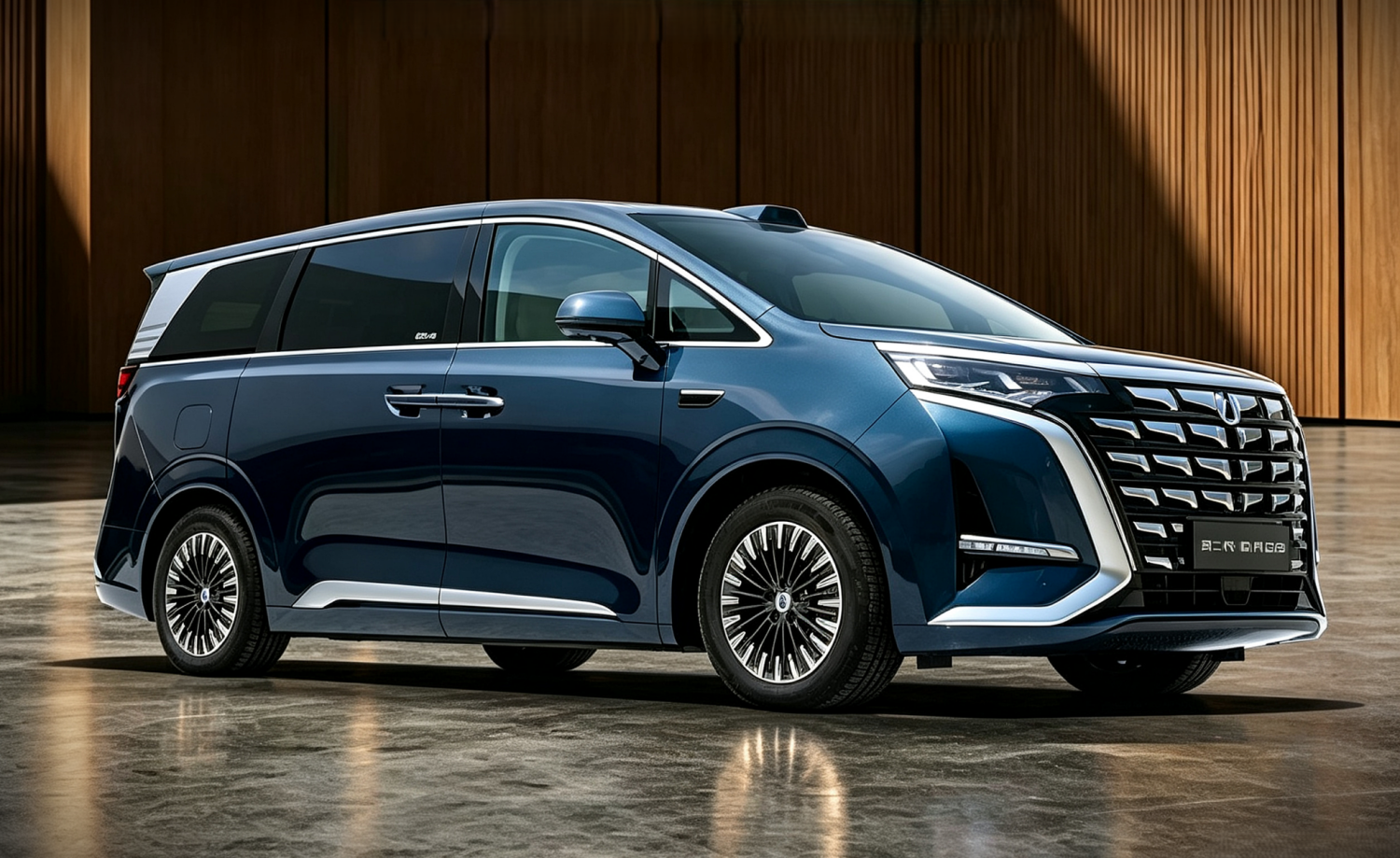
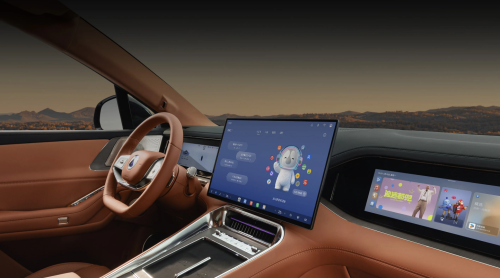
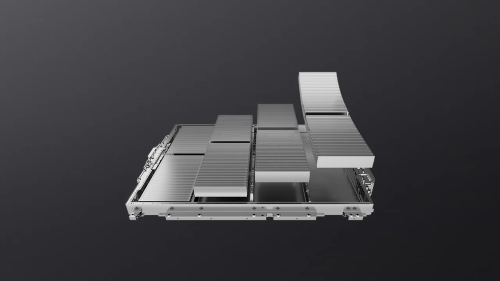
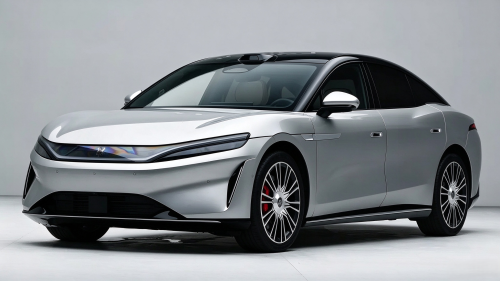
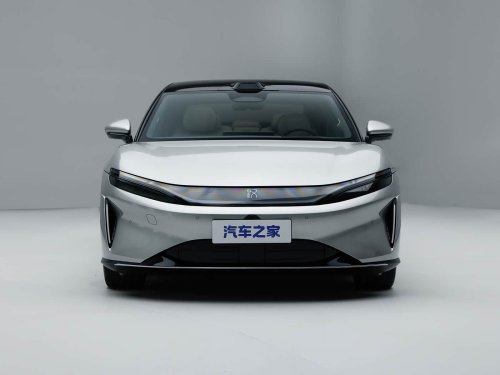
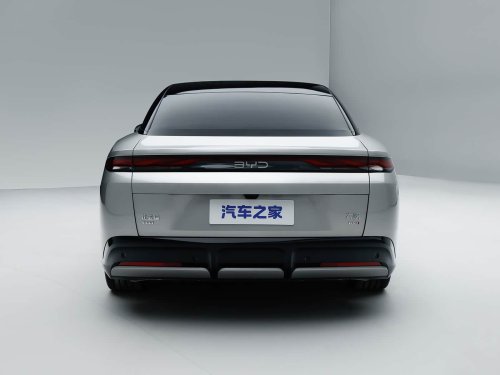
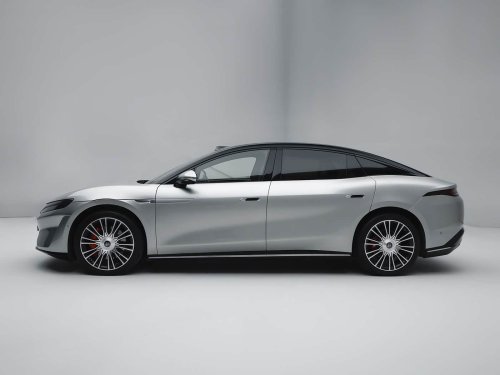
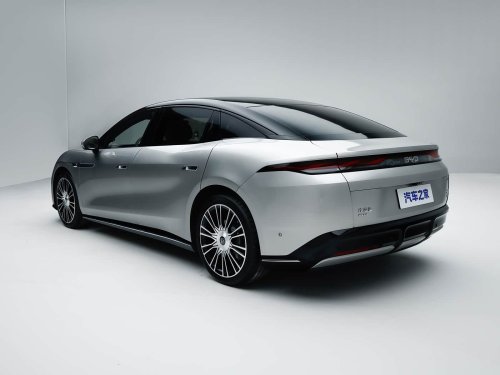
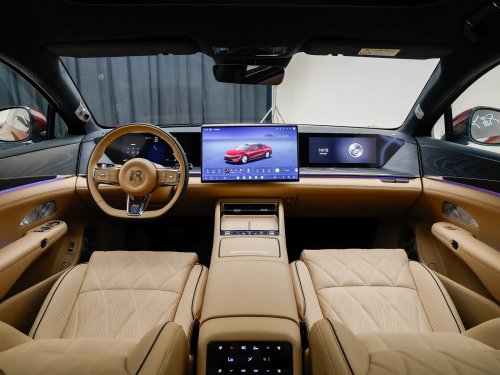
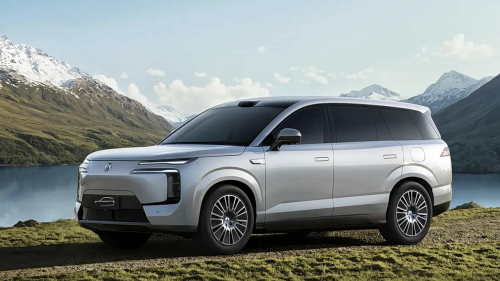
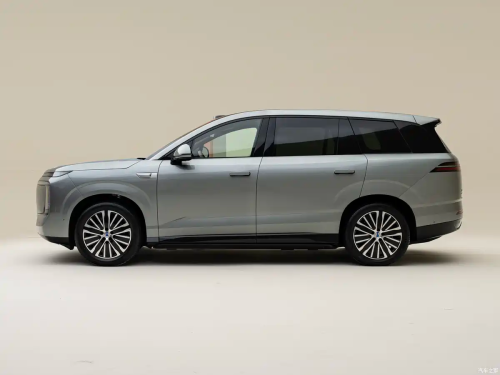
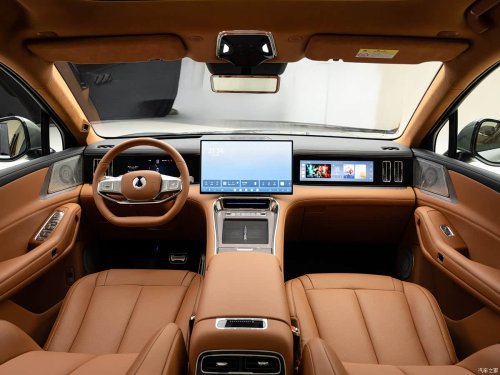
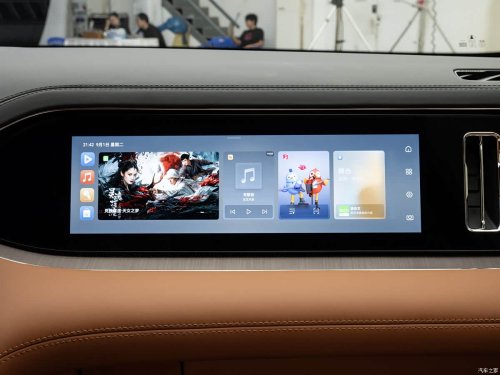
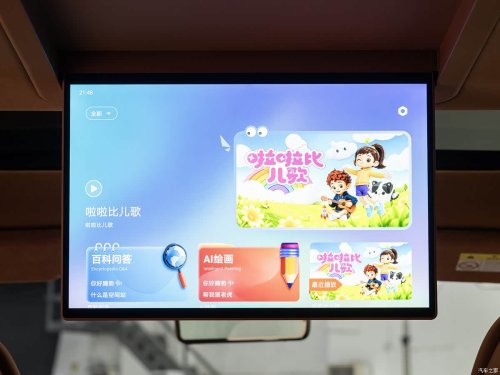
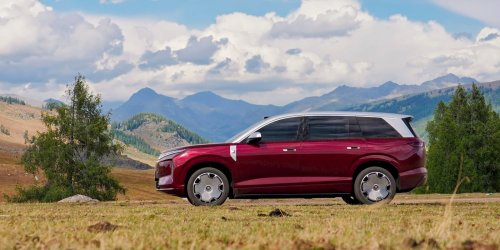
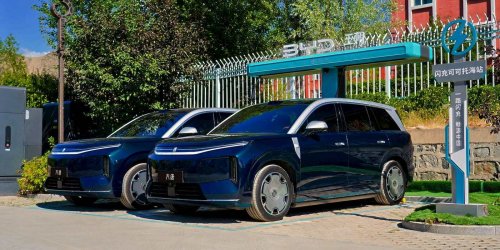
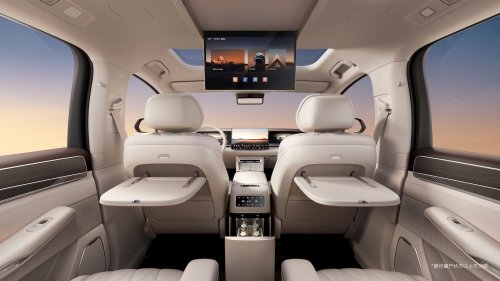
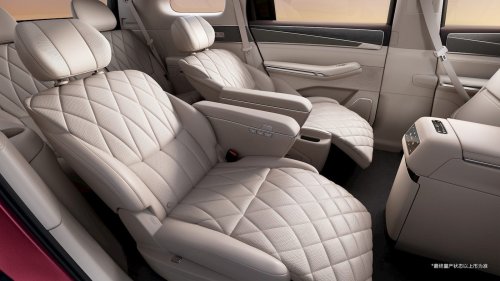
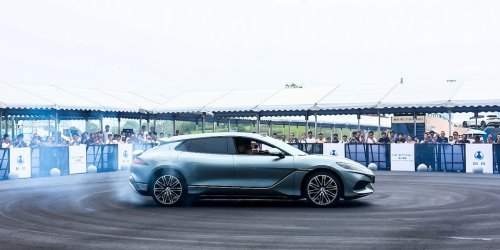
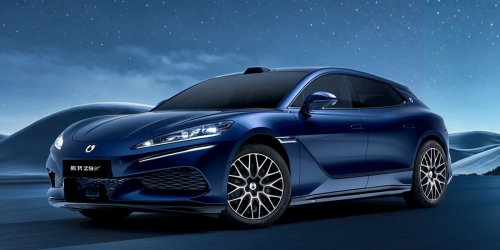
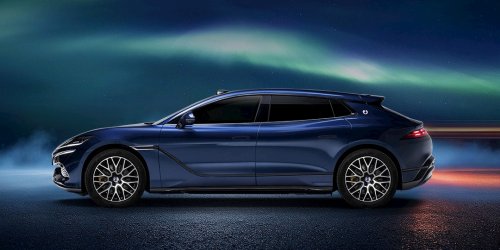
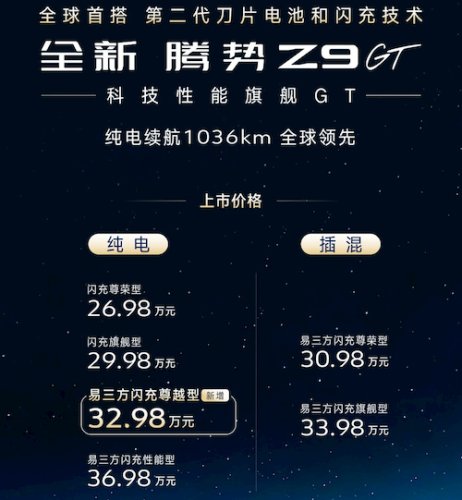
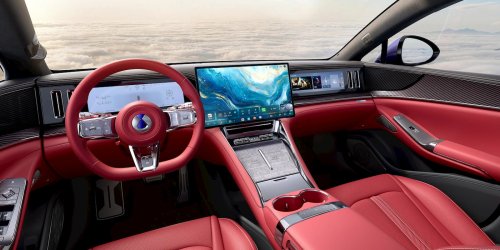
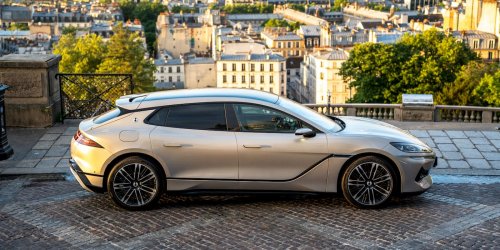
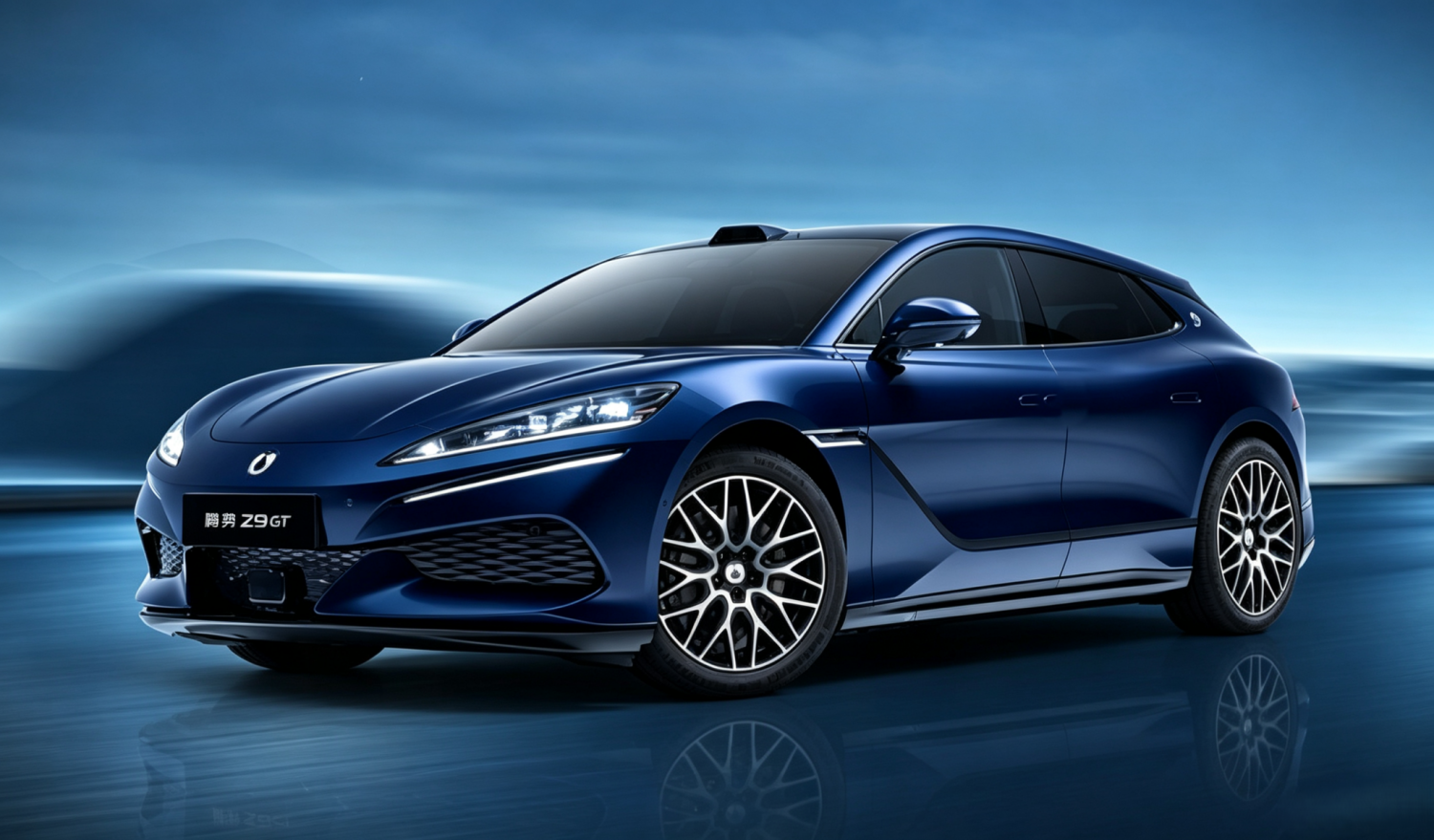
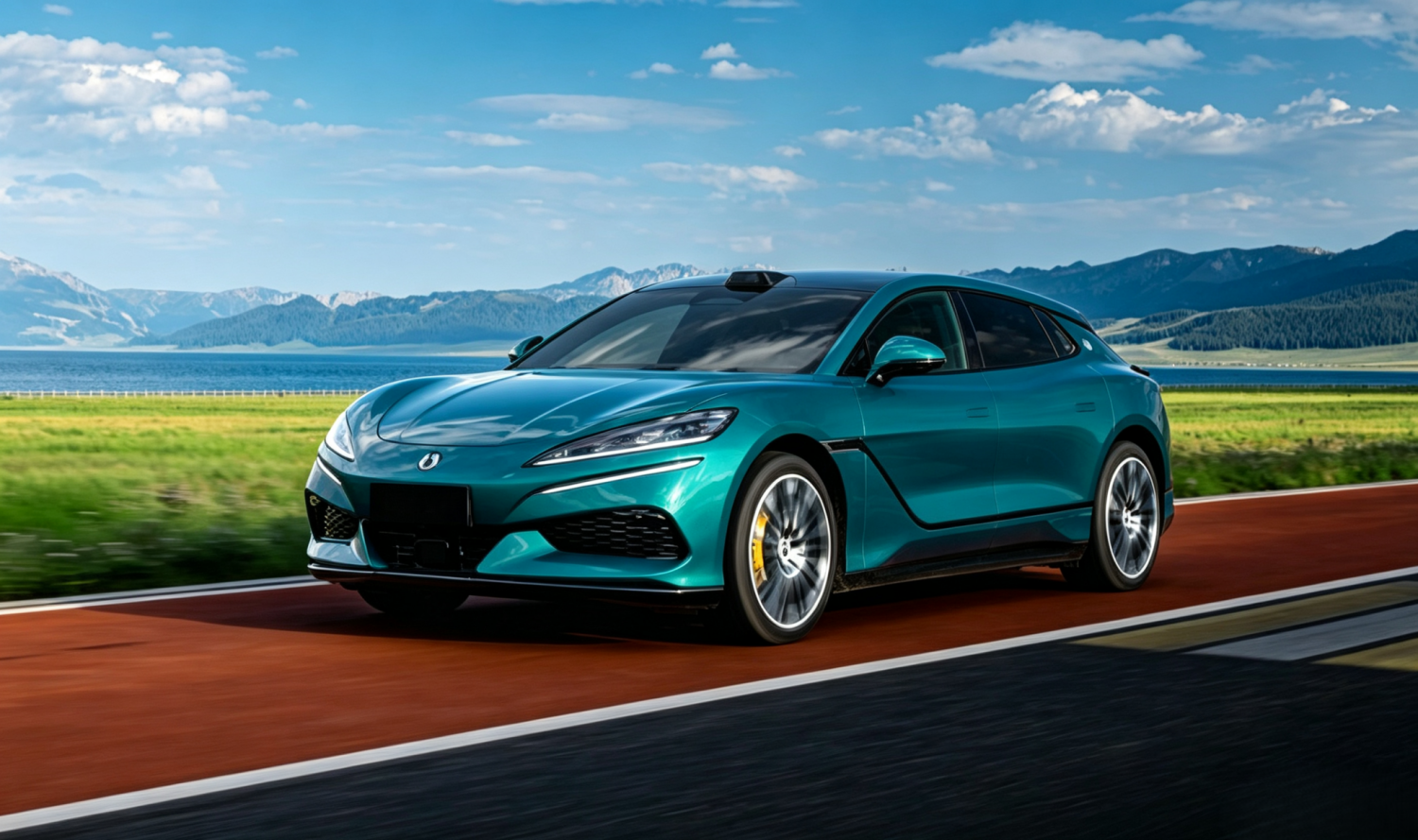
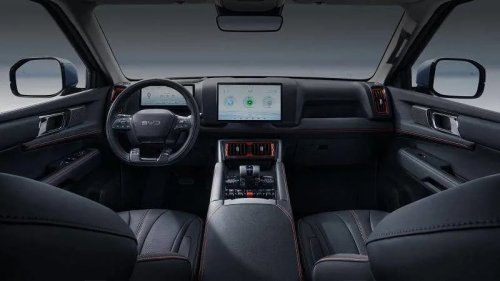
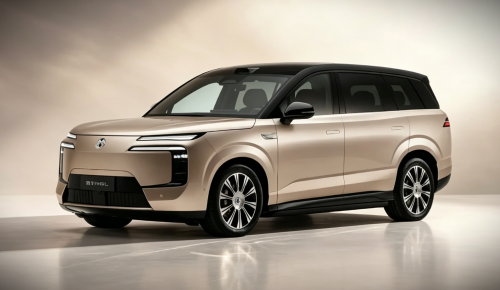
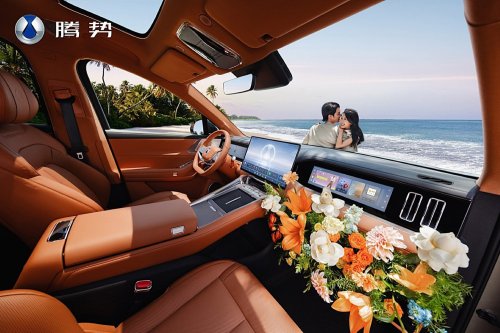
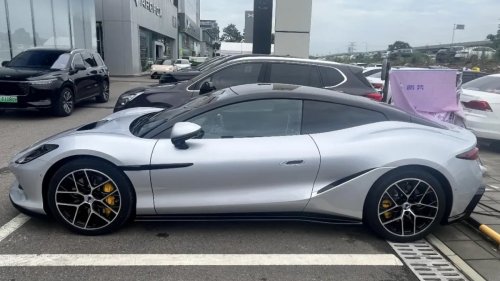
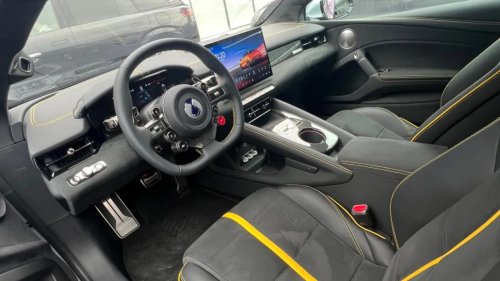
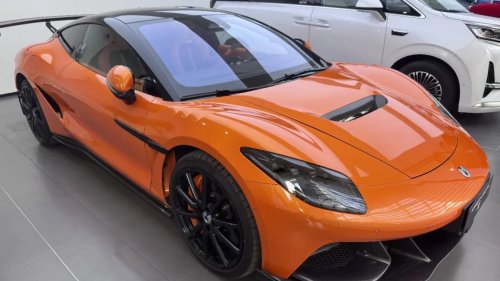
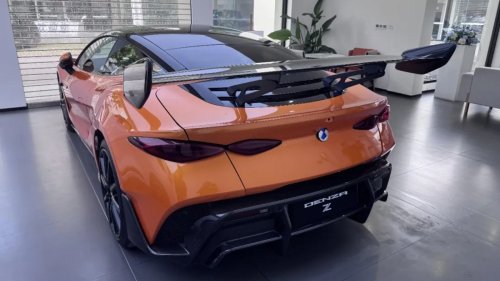
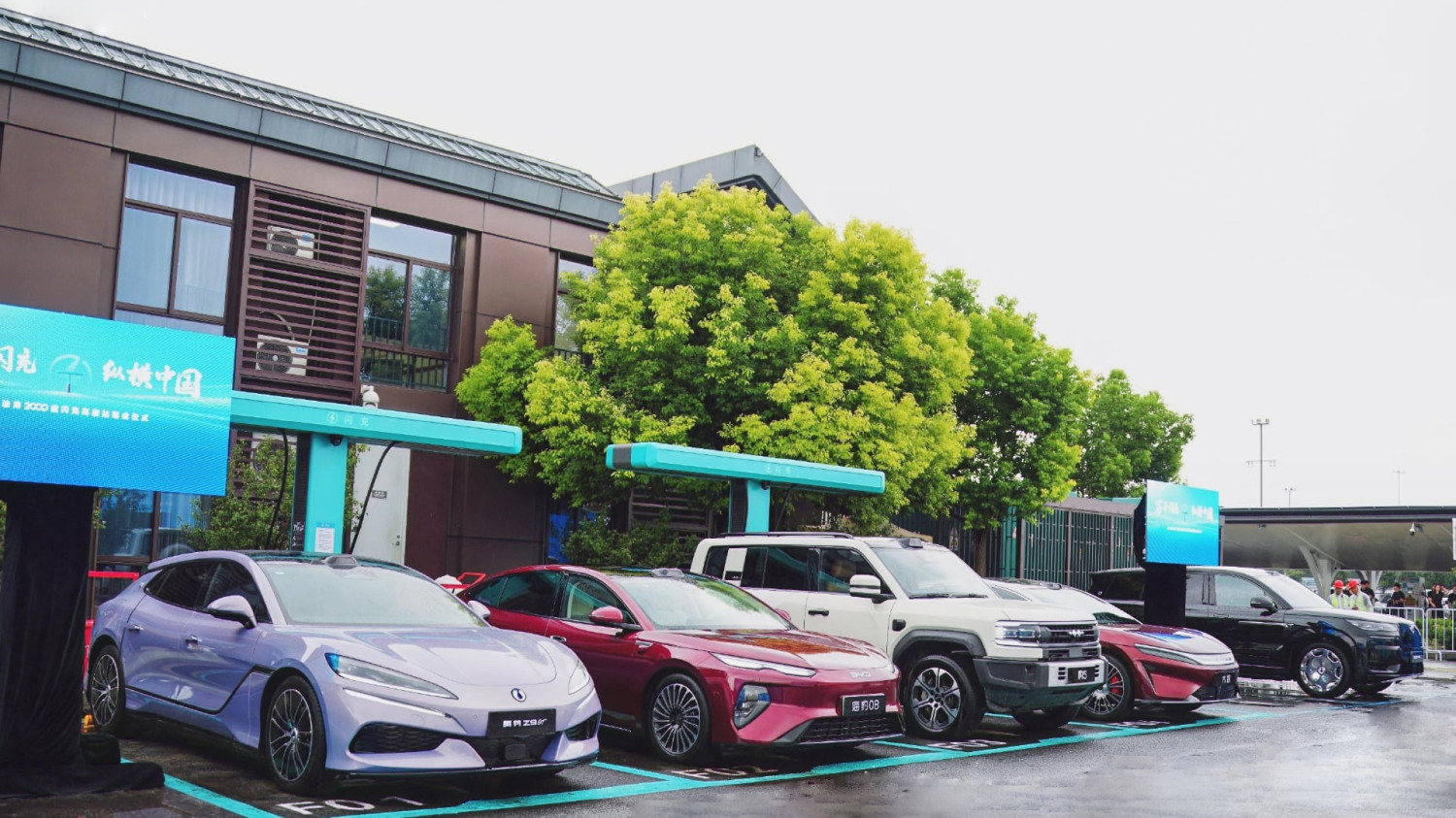
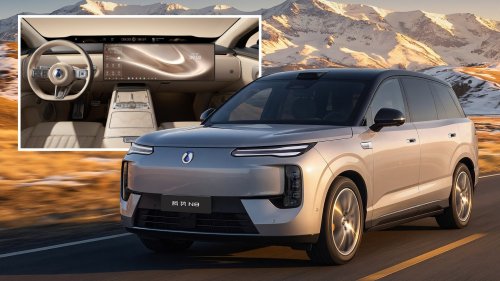
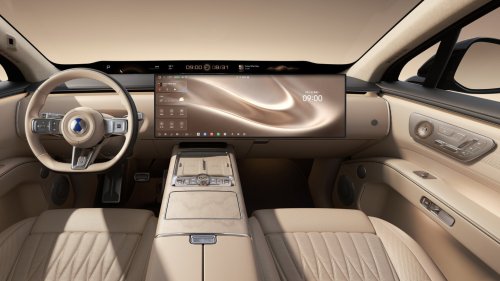
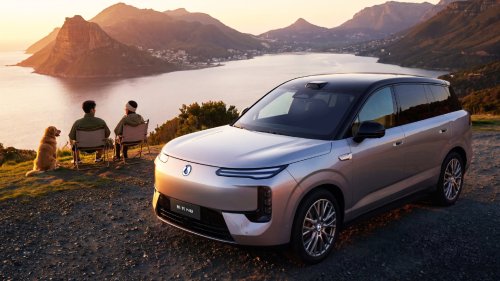
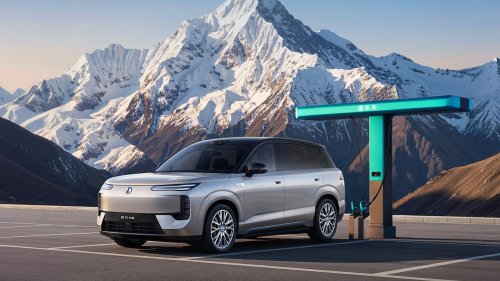
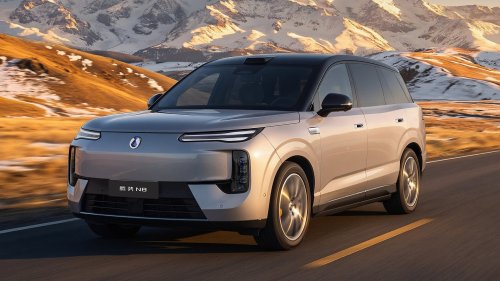
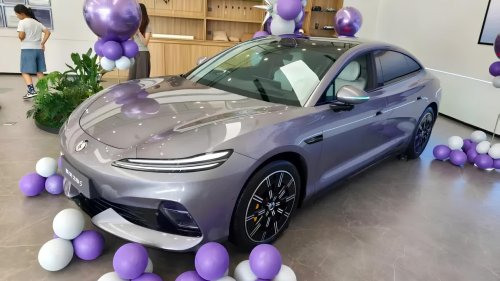
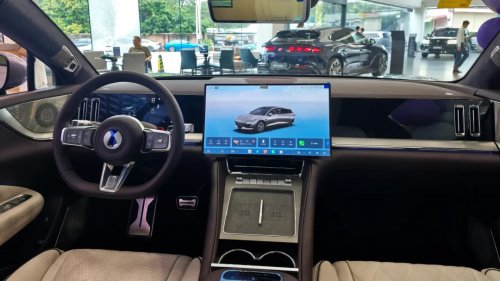
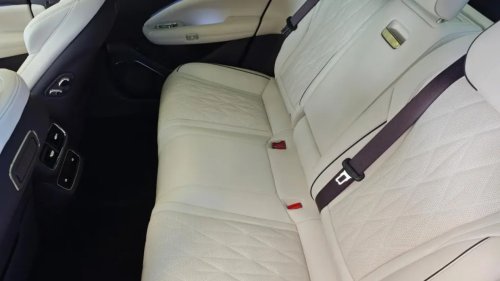
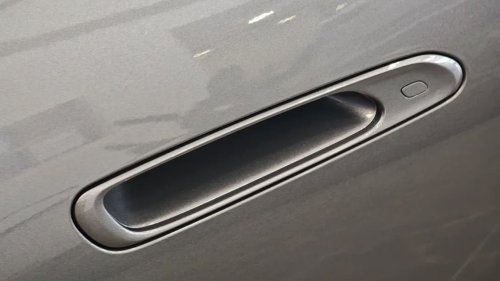
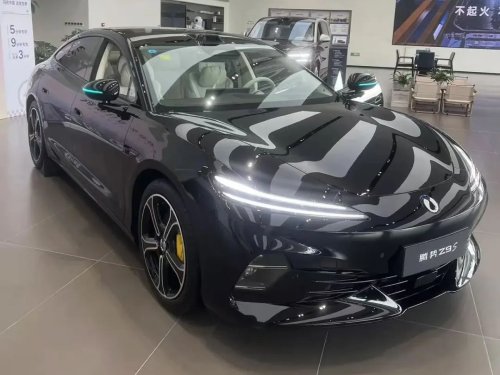
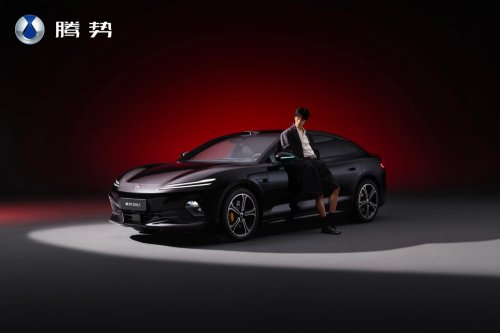
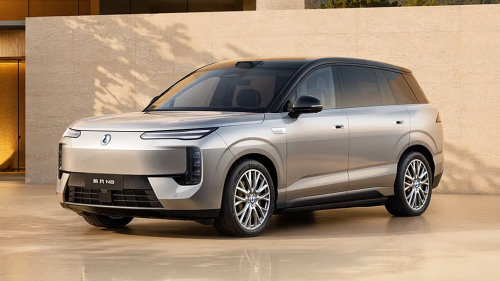
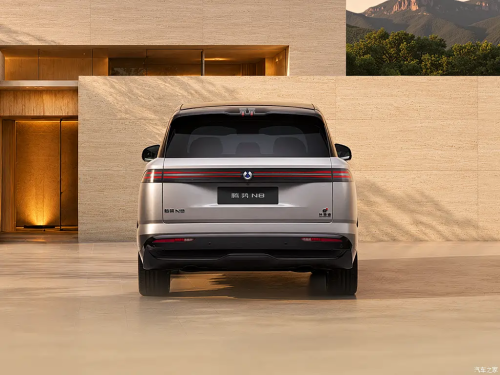
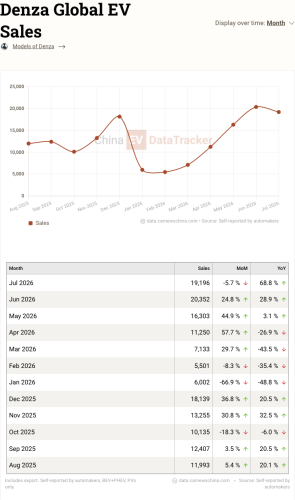
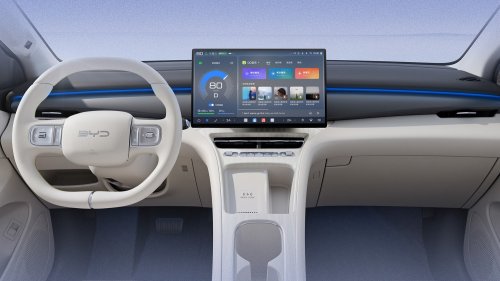
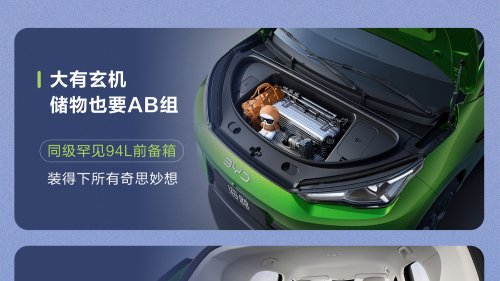
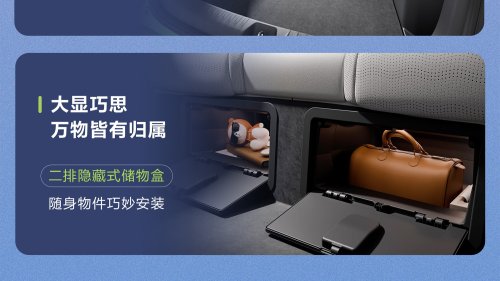
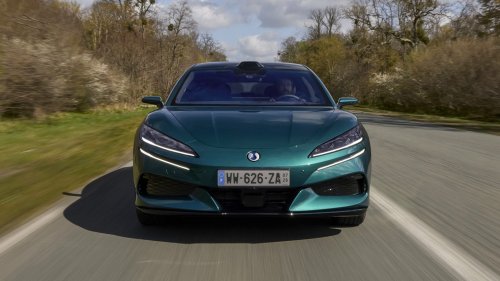
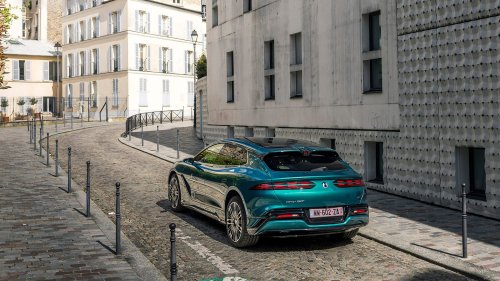
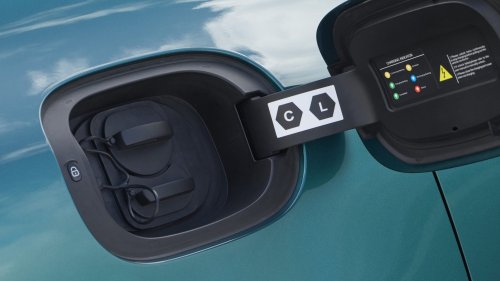
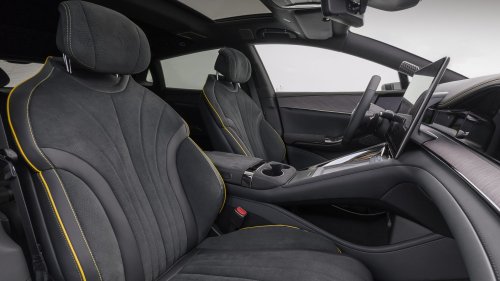
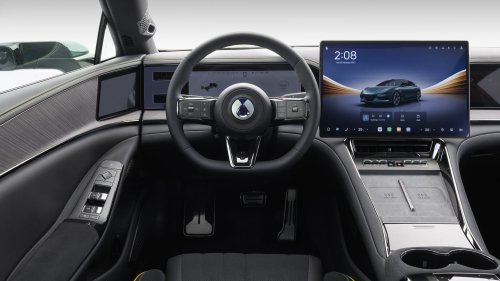
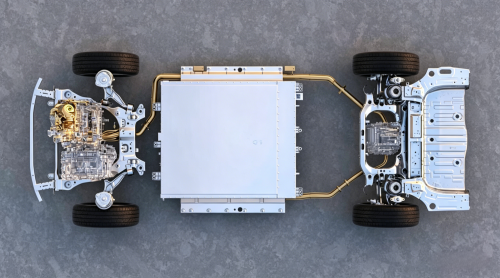
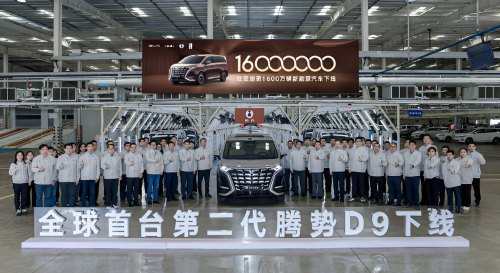
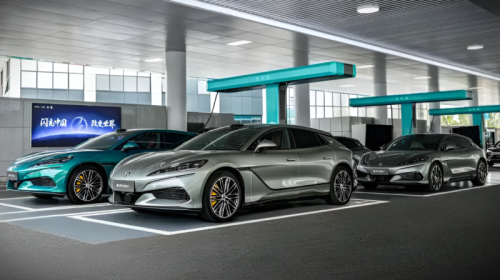
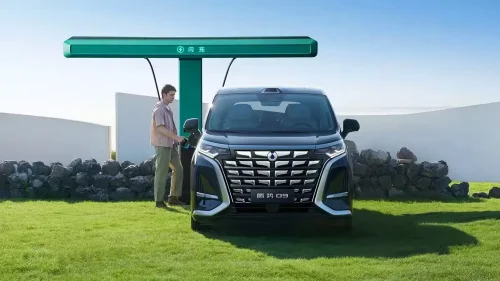
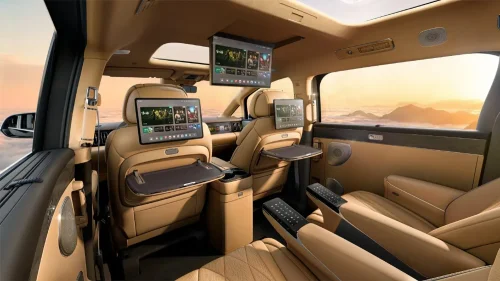
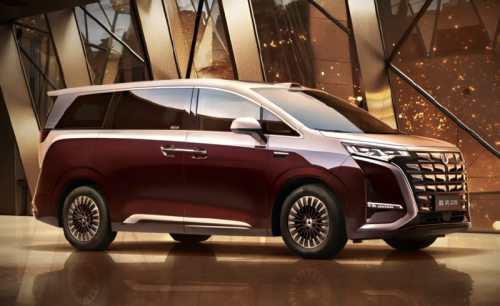
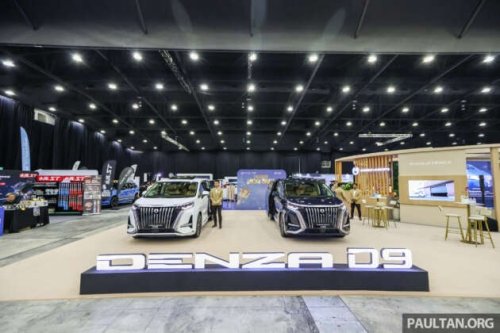
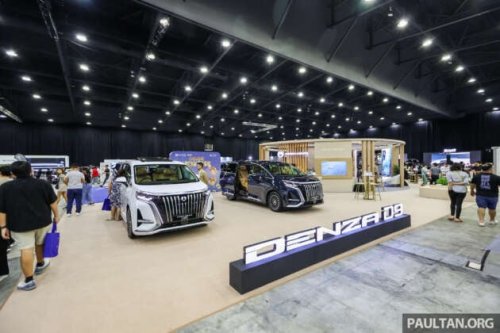
The new Denza D9 PHEV variant lowers the model's entry price by 4,430 USD while retaining its LiDAR-equipped driver assistance hardware. Credit: Denza Understand China EV’s Market Real-time notifications when critical EV data is released All important data in one place 2,000,000+ data points Become a member BYD’s Denza has expanded the second-generation D9 plug-in hybrid (PHEV) lineup with a new Flash Charging Luxury Variant priced at 329,800 yuan (48,700 USD), reducing the model’s entry price by 30,000 yuan (4,430 USD) compared with the previous base version. The new variant keeps the D9’s dual-motor four-wheel-drive PHEV system, the second-generation Blade Battery, and LiDAR-based driver-assistance hardware. To reach the lower price point, Denza removed several premium interior features and adjusted certain chassis components. Lower entry price, same core technology The second-generation Denza D9 launched in April 2026 with six variants priced between 359,800 yuan and 459,800 yuan (53,100–67,900 USD). The new Flash Charging Luxury Variant adds a lower-priced version below the existing lineup. The refreshed second-generation D9 and Z9 GT, equipped with BYD’s Flash Charging technology, began arriving at dealerships across China in May, marking the start of the rollout of the updated models. The new entry-level variant expands that flash-charging lineup with a more affordable option rather than introducing a new powertrain. Power comes from a 1.5T plug-in hybrid system paired with two electric motors. The front motor produces 200 kW, while the rear motor delivers 45 kW. The petrol engine delivers 115 kW and 225 Nm of torque, with the system configured as a four-wheel-drive. A 58.5 kWh second-generation Blade Battery provides a CLTC pure electric range of 350 km. Denza lists the vehicle’s combined range at 1,480 km under comprehensive operating conditions. Some media reports have cited a pure-electric range exceeding 400 km, but those figures conflict with the 350 km CLTC figure shown in official materials for the 58.5 kWh battery version. The higher range figures appear to refer to other D9 configurations with different battery specifications. The new variant also supports Denza’s direct-drive dual-gun supercharging architecture. Denza claims the system can complete a full nominal charging cycle in 9 minutes under its test conditions. The company also states that charging performance at -30°C adds about 3 minutes to the charging time. Higher charging power requires management of increased electrical current and heat generation. The long-term effects of repeated high-power charging on battery ageing remain unknown. Luxury cuts focus on cabin equipment The lower price is achieved through changes to equipment levels rather than changes to the vehicle’s basic powertrain layout. The new variant removes features including the head-up display, 15.6-inch passenger entertainment screen, fragrance system, and real wood interior trim. The front passenger lumbar adjustment and massage functions are also removed, while rear-seat heating and ventilation are no longer available. The chassis continues to use Denza’s DiSus-C Intelligent Damping Body Control System. However, this variant does not include higher-specification components such as dual-valve mechanical hardware, road preview sensors, or iCVC intelligent control functions. The vehicle retains the same exterior dimensions as other second-generation D9 variants, measuring 5,250 mm long, 1,960 mm wide, and 1,900 mm tall with a 3,110 mm wheelbase. LiDAR and flash charging remain Several electronic systems remain unchanged on the new entry-level variant. The D9 Flash Charging Luxury Variant is equipped with one roof-mounted LiDAR unit, three 4D millimetre-wave radars, 11 cameras, and 12 ultrasonic sensors. Denza markets the system as the God’s Eye 5.0 Intelligent Driving Assistance System. The retained sensor package means the variant continues to use the same listed driver assistance hardware as higher-positioned versions, while equipment reductions focus on cabin functions and materials. Denza’s domestic sales reached 18,631 units in June 2026, compared with 15,620 units in May and 10,638 units in April, according to China EV DataTracker. The new variant adds another configuration to the D9 lineup during a period when the brand’s monthly domestic sales increased. Source: Denza, Autohome