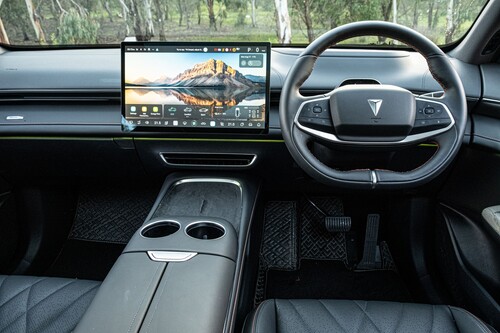
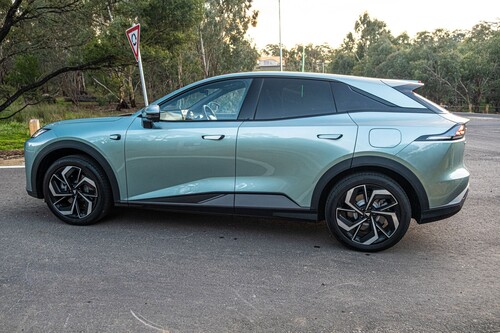
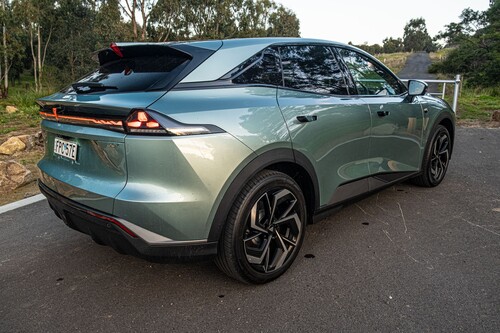
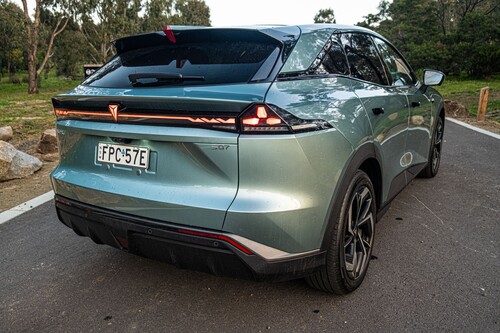
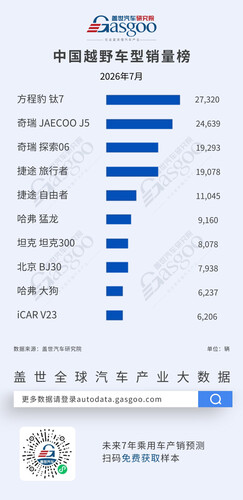
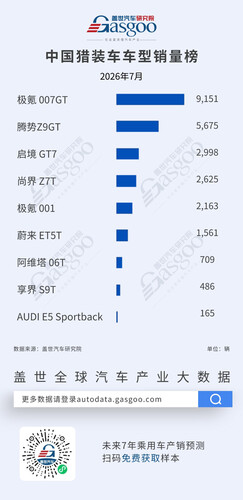
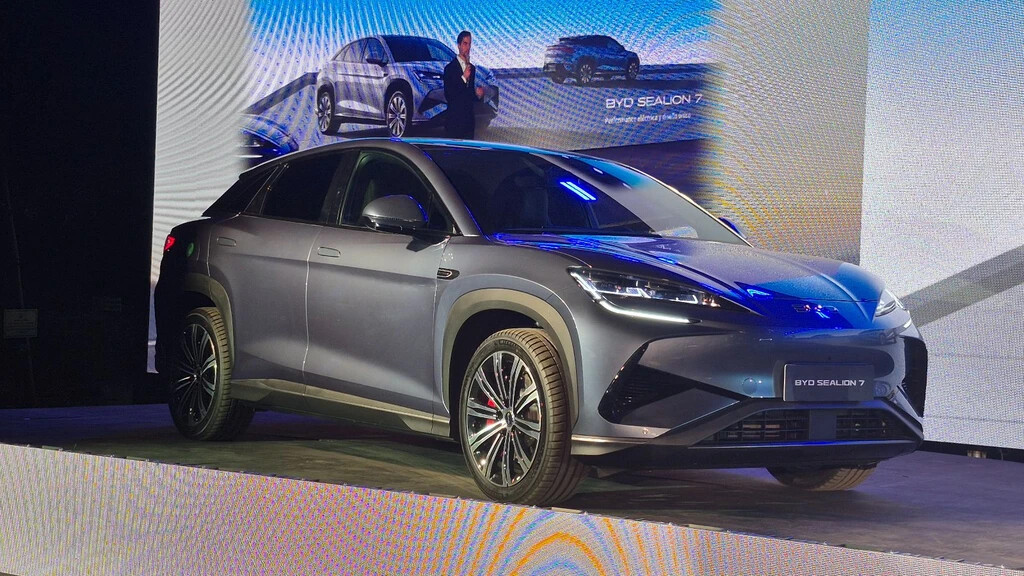
Amelia Martin · 6 months ago@ameliamartin21BYD Introduces Sealion 7 EV, Atto 8 PHEV in Chile Market Liked by+5 othersTeslaTesla ModelteslaPost commentRelated PostsIt Has An Odd Name, But The Deepal S07 Surprises | ReviewNicole Anderson · 18 days agoHyundai cancels IONIQ 3 for Australia over cheap Chinese EVsLeo Harris · 15 days agoChina's 2,250kW chargers are already in service, while US thinks about 750kW next year 13 · William Scott · 22 days agoNHTSA weighs probe into claims Tesla Robotaxis speed in school zonesConnor Bouchard · 10 days agoTop 20 EV models in May 2025 – Tesla Model Y Juniper outsells Proton eMas 7, BYD Atto 3 maintains third 68 · Lauren Hill · 1 years agoEurope EV Sales Report: BEVs Jump 50% & Reach 26% Market Share! 70 · Ryan Leblanc · 2 months agoEurope EV Sales Report: Record Month — BEVs Reach 30% Market Share!Daniel Green · 19 days agoUK EV sales surge 36% to record 99,199 as Tesla Model 3 leadsOwen Tremblay · 20 days agoMy Trip To Brazil To See The Rapid Rise Of Chinese Cars, Part 1 47 · Matthew Campbell · 22 days agoWhy Tesla quietly renamed its 'Full Self-Driving' mode in EuropeVictoria Campbell · 11 days ago2025 Skoda Elroq pricing: Czech EV to undercut ID.4 and Model Y 17 · Matthew Martin · 1 years agoGermany's Passenger Vehicle Market in June: Chinese Brands Nearly Double Share; Tesla Model Y Leads BEVs 59 · Morgan Moreau · 3 months agoThe Unstoppable Rise of Leapmotor — August’s China EV Sales Report (45% BEV Share) 53 · Jacob Bouchard · 1 months agoNew BMW i3 gets a huge £10k price cut with arrival of 40 xDrive model 75 · Oliver Rogers · 23 days agoBYD sets launch date for flagship Han EV with 1,000+ km range 22 · Jenna Brown · 27 days agoParis Motor Show 2026 live: Citroen 2CV reborn, next-gen Vauxhall Astra and so much moreAbigail Campbell · 11 days agoAustralian Plugin Vehicle Sales, September Update — Are Mainstream Media Finally Waking Up?Jackson Labelle · 11 days agoEurope EV Sales Report: BEVs jump 39% and reach 24% Market Share! 29 · Madeleine King · 4 months agoJuly 2026 Off-Road/Premium/Shooting Brake Sales Rankings: Model Y Leads Premium Segment, Titanium 7 Tops Off-Road Segment | Gasgoo Automotive Institute 81 · Chloé Rogers · 1 months agoNew BMW i3 gets a huge £10k price cut as entry-level 40 xDrive model arrives 27 · Noah Turner · 23 days ago




 +5 others