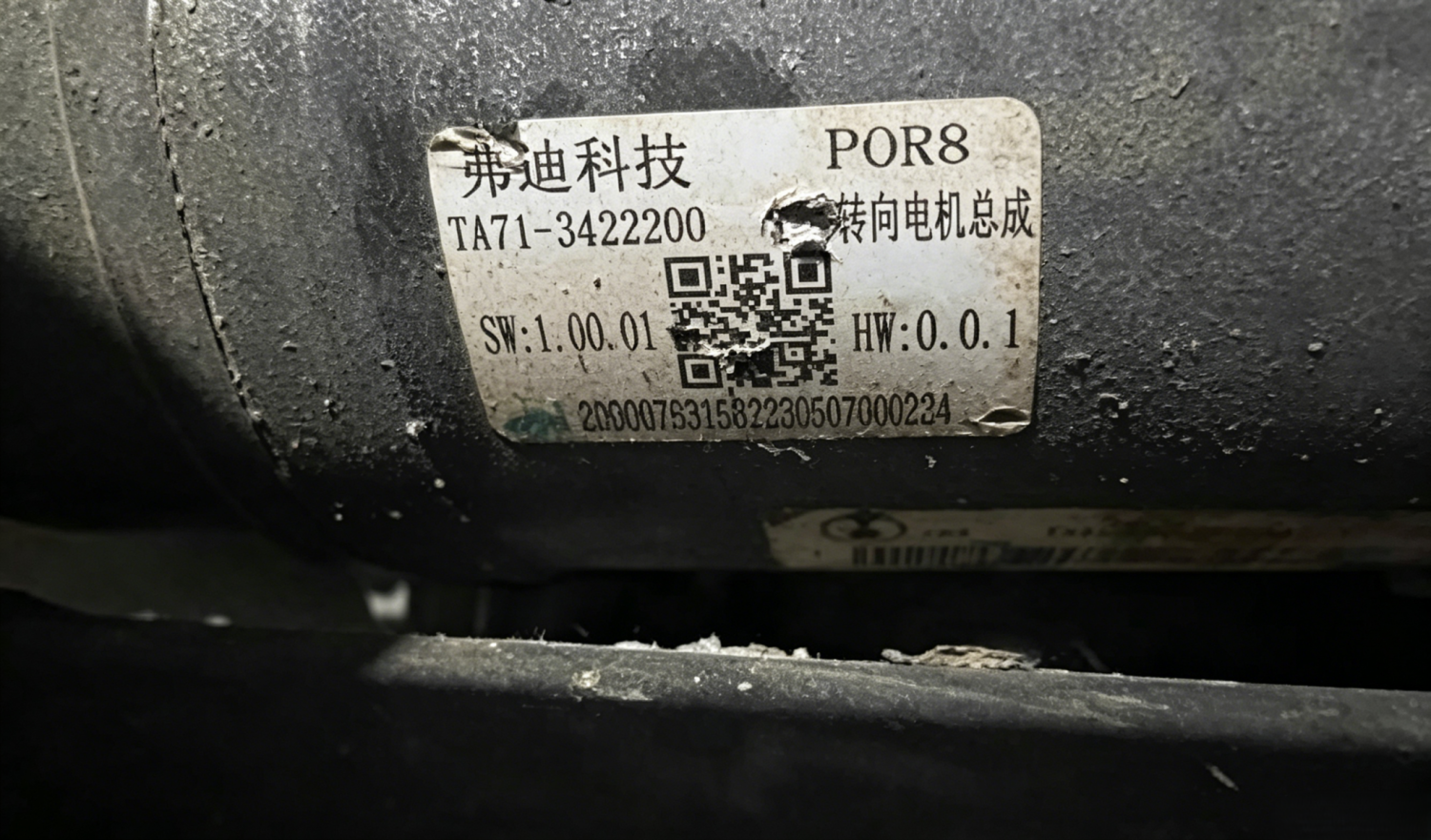
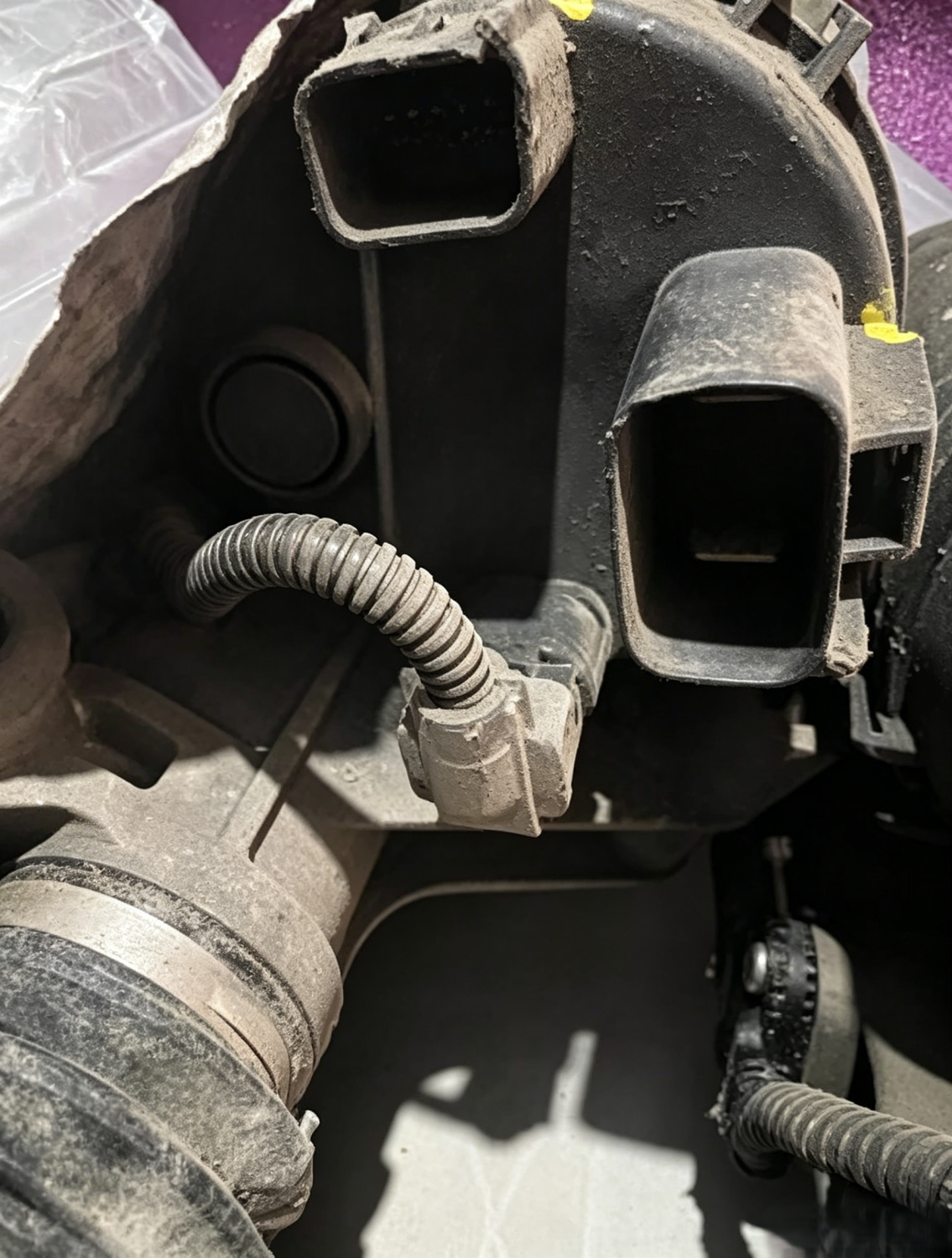
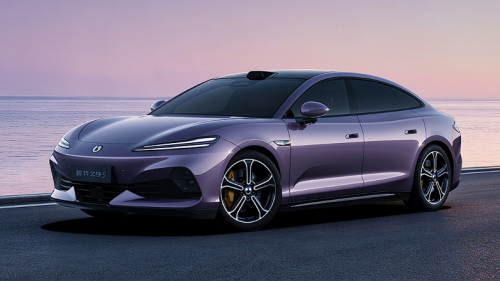
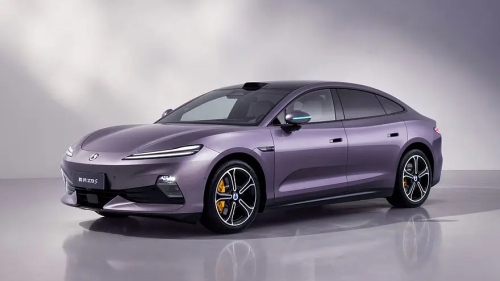
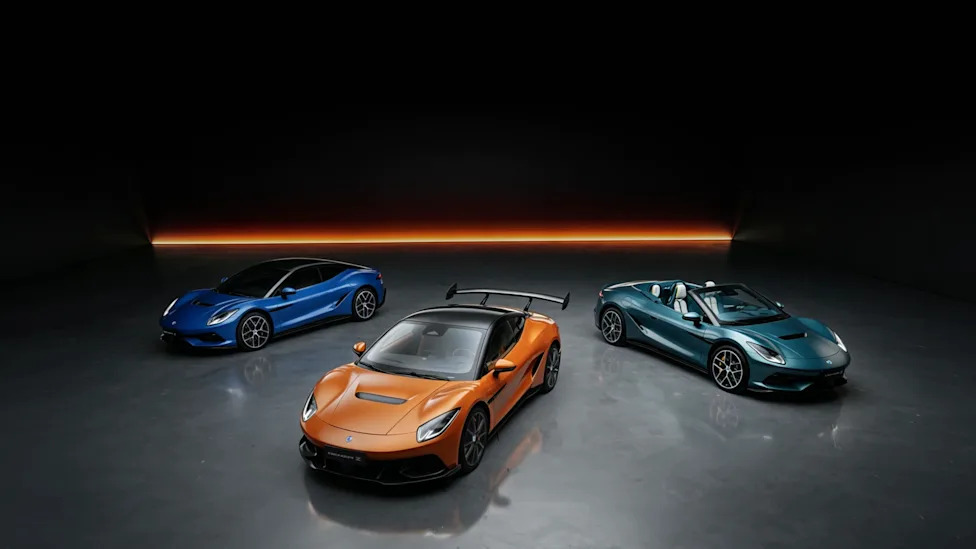
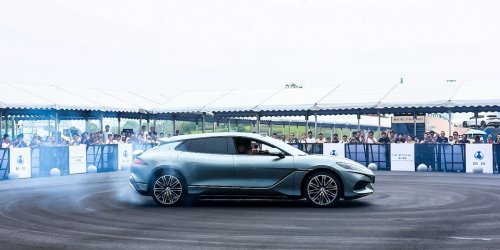
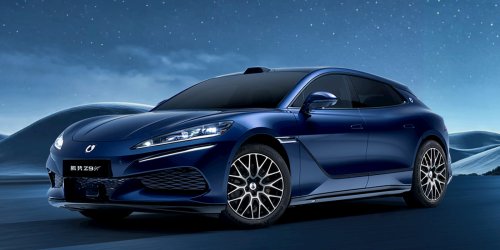
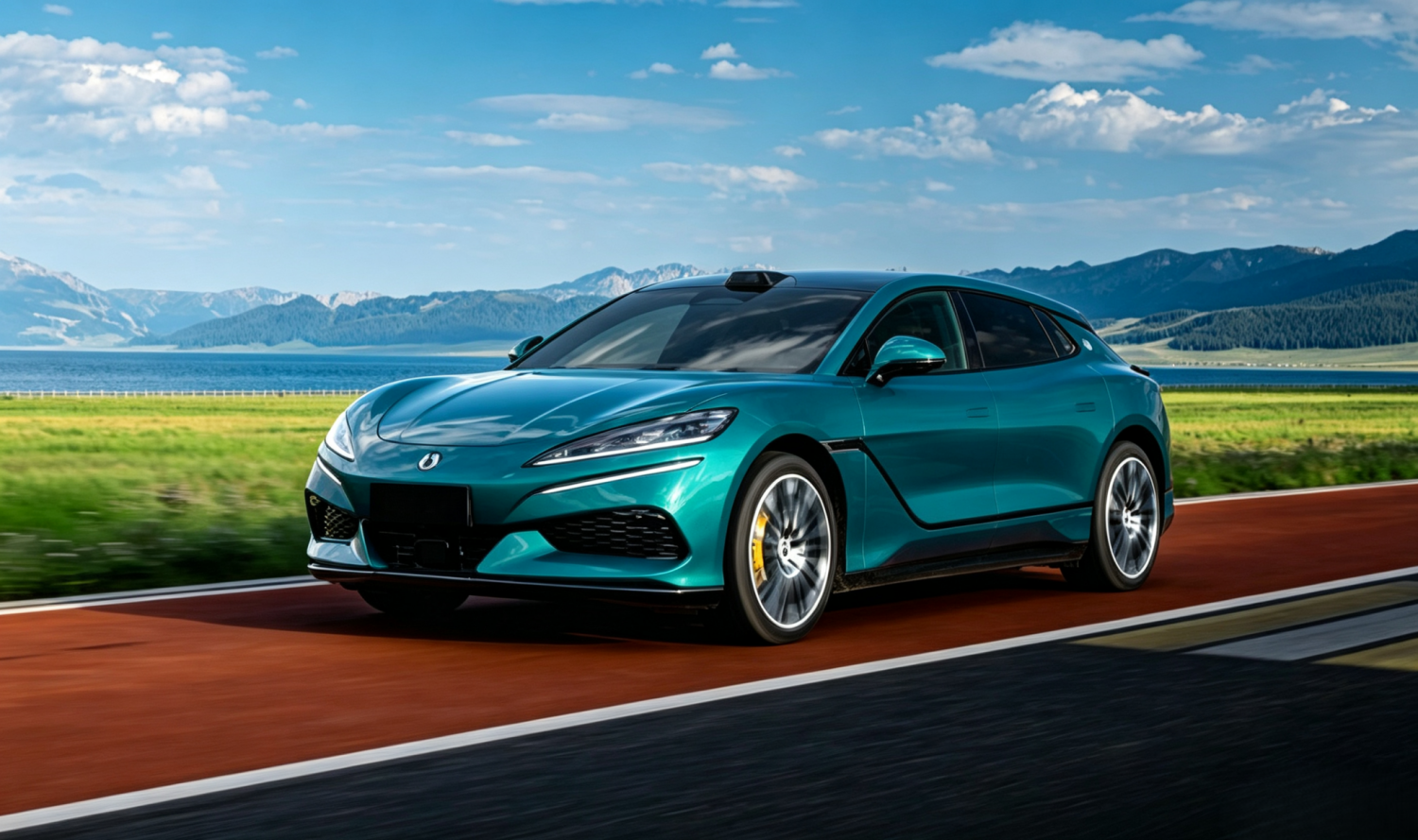
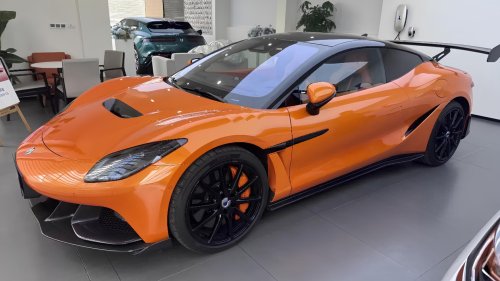
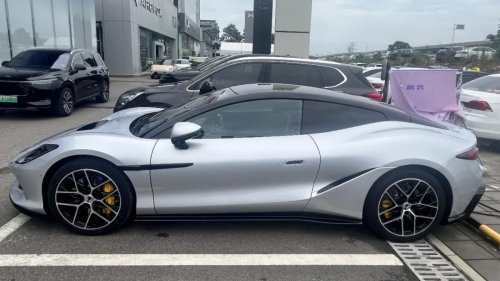
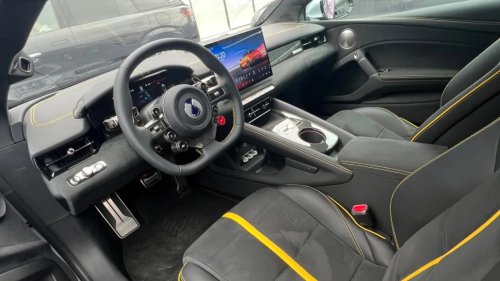
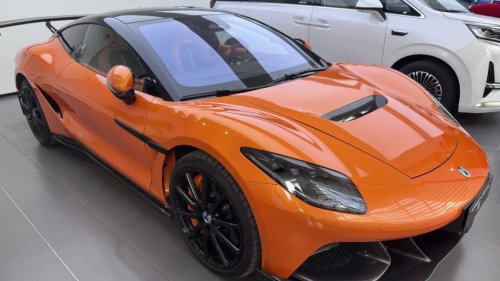
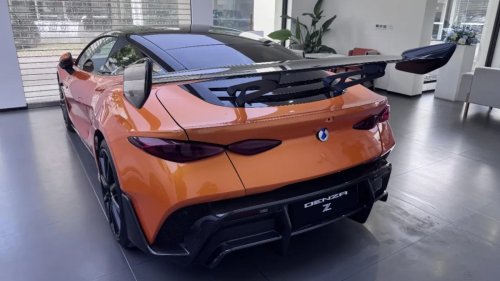
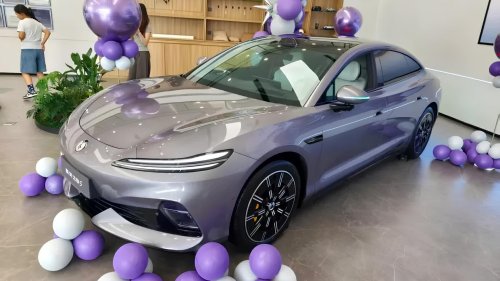
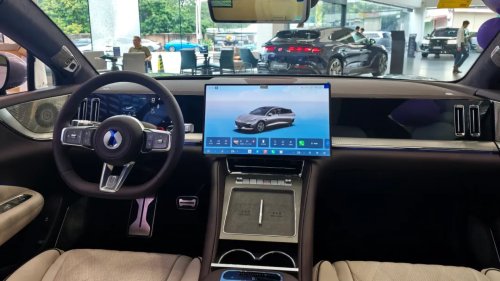
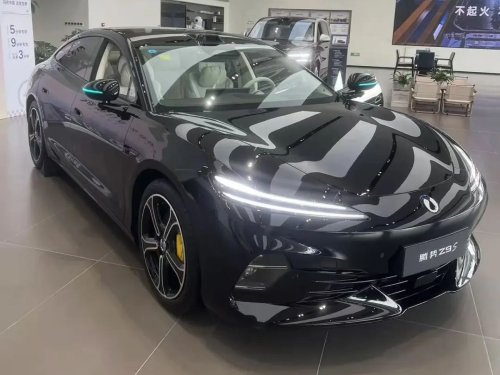
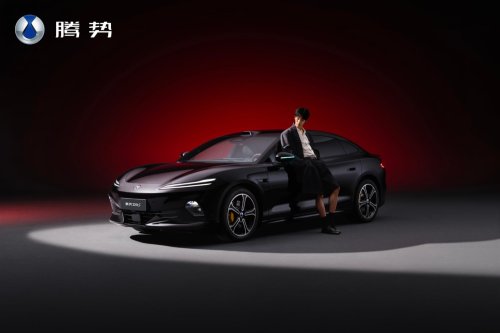
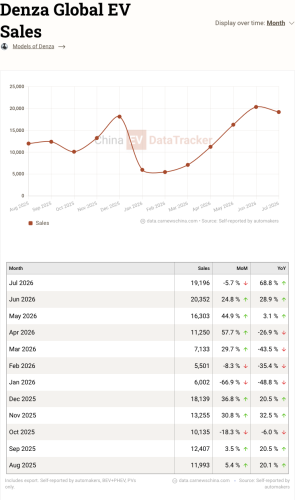
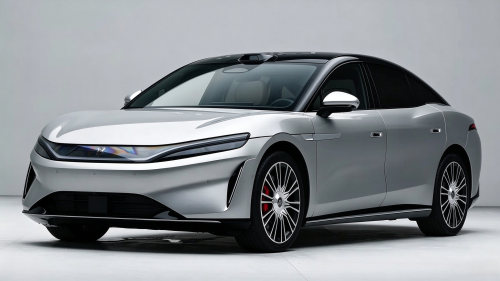
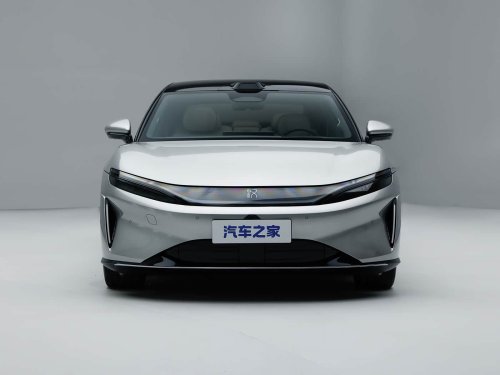
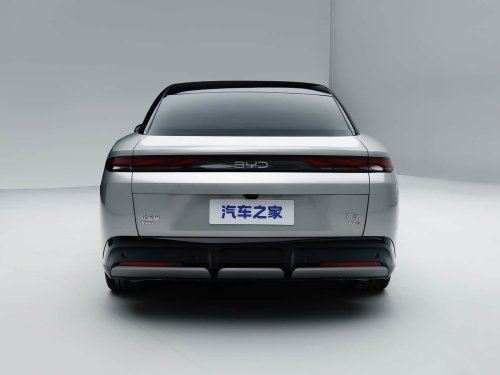
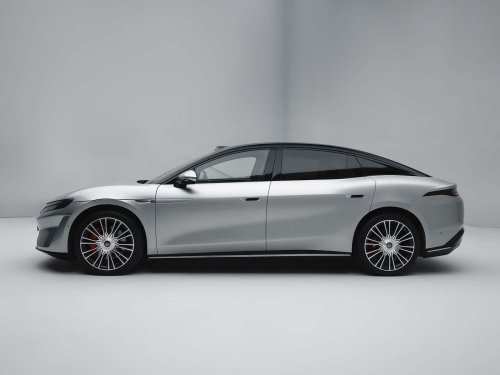
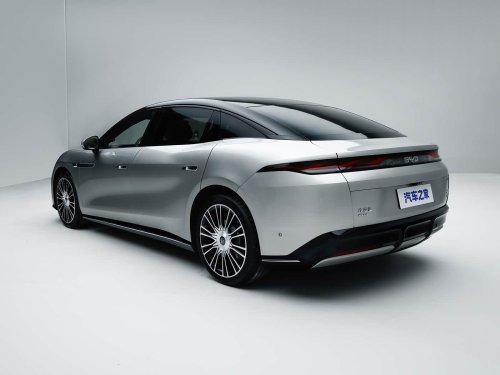
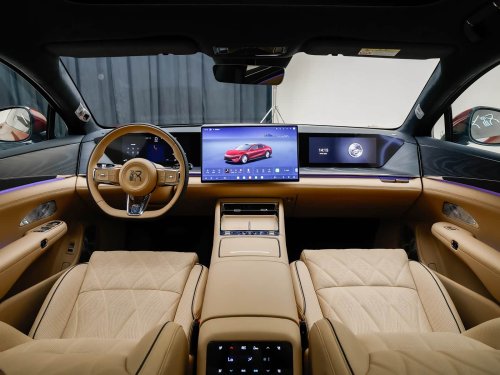
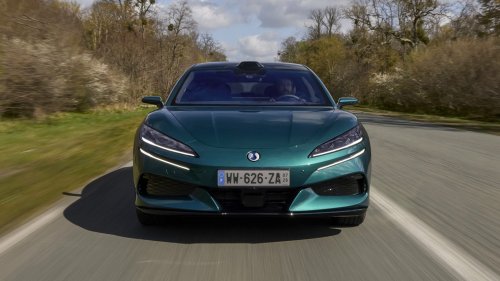
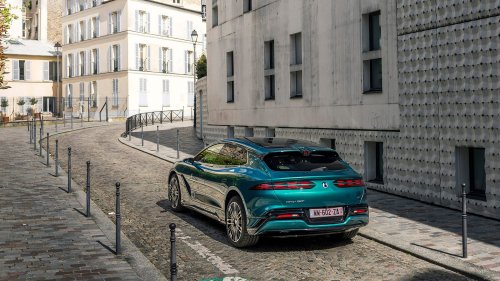
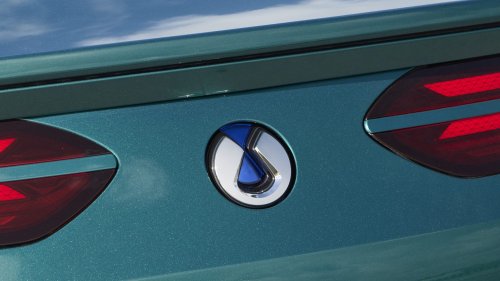
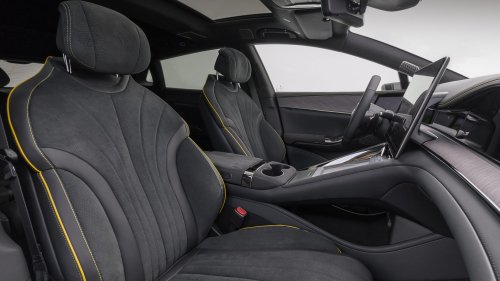
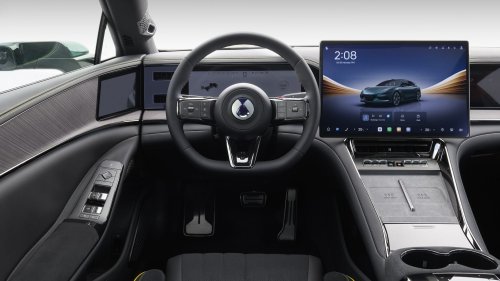
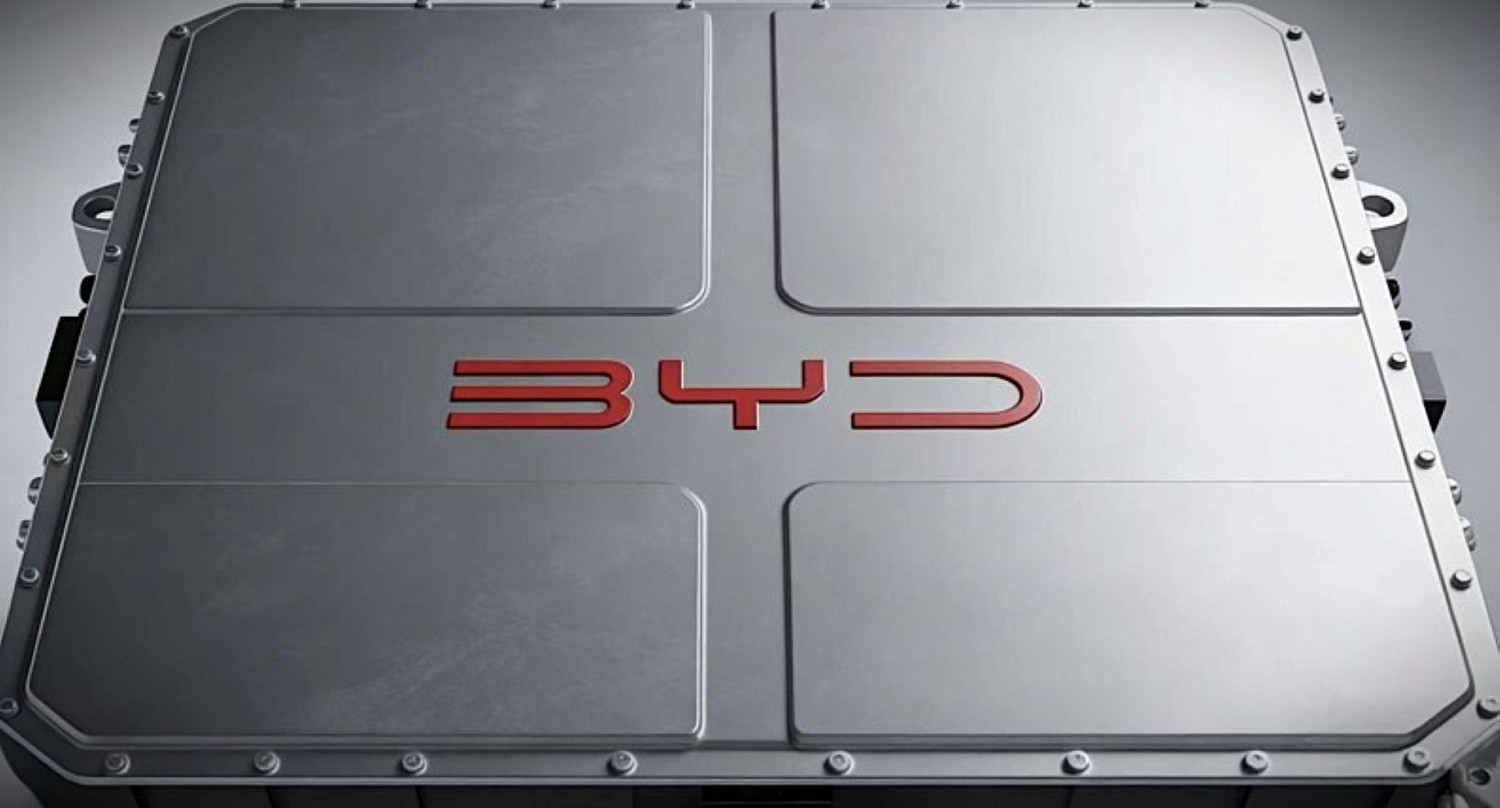
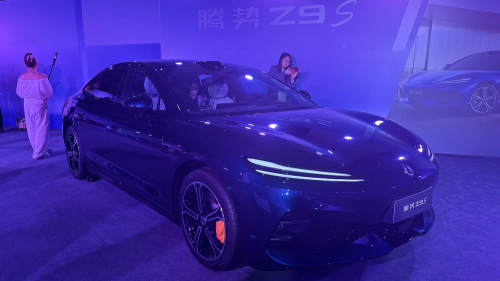
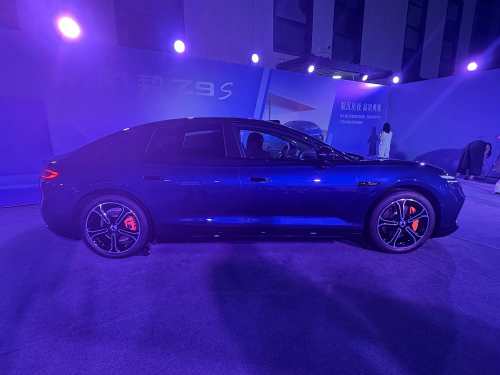
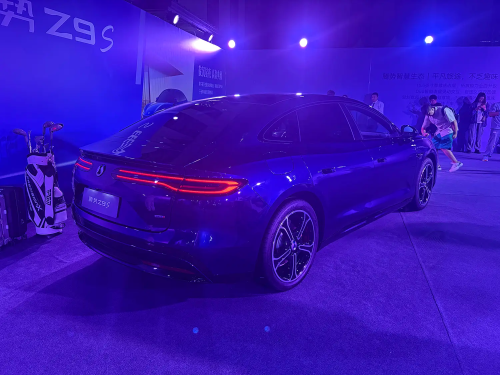
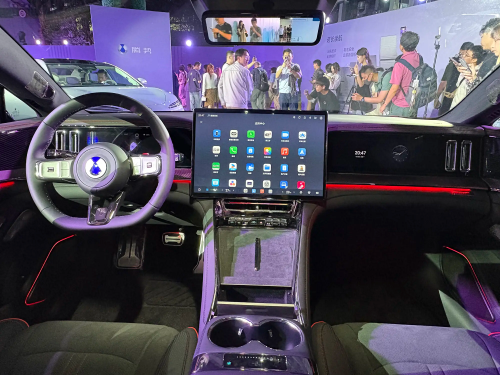
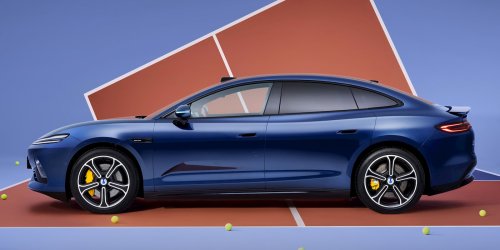
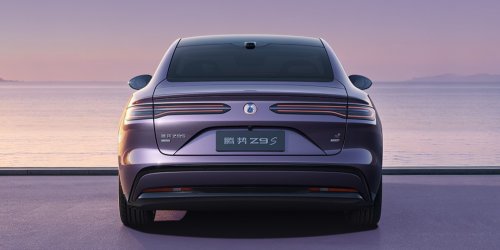
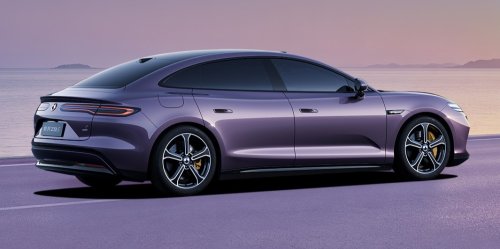
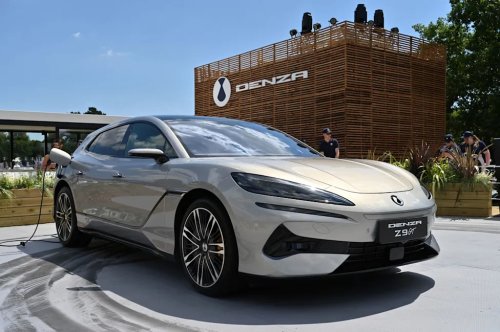
BYD Denza Z deletes the standard steering column for an independent triple-motor steer-by-wire layout. Credit: CNC Understand China EV’s Market Real-time notifications when critical EV data is released All important data in one place 2,000,000+ data points Become a member BYD‘s Denza Z high-performance electric sports car has revealed its internal steering architecture through a complete teardown of chassis components, according to Weibo. Leaked hardware schematics published by automotive platform insiders confirm that the upcoming model has fully deleted the traditional mechanical steering column. The baseline system relies entirely on a proprietary steer-by-wire hardware matrix developed in-house by Fudi Technology, BYD’s internal components and engineering division. The newly uncovered physical assembly features the specialised Fudi POR8 steering motor component. Industry teardowns reveal that BYD has bypassed the conventional dual-winding motor designs used by legacy Tier 1 suppliers such as Bosch and Nexteer. The front axle utilises a single-winding, single-motor layout that minimises thermal accumulation and packaging volume within the front suspension bay. Physical safety margins are maintained through direct integration with the centralised E³ platform architecture, which serves as a cross-domain safety net for vehicle motion control. Chassis engineering details The steer-by-wire system operates with a standardised control precision of 0.1° while executing processing response times three times faster than conventional mechanical steering setups. The front single-motor configuration is supported by two entirely independent steering motors positioned on the rear axle. This triple-motor layout allows the rear wheels to achieve a maximum steering angle of ±20°, minimising the overall vehicle turning radius to 4.62 meters. The upcoming Denza Z sports car utilises a single-winding front steering motor with 0.1° precision. Six-layer safety network To satisfy strict regulatory safety thresholds, the POR8 assembly incorporates a built-in six-layer localised redundancy architecture. The electronic system combines dual master control microchips, independent 12V and 48V power supply circuits, and six-phase motor position monitoring. Additional failsafes include dual-redundant torque and angle sensor feeds, segregated dual software operating systems, and automated systemic fallback monitoring governed by the central E³ chassis domain controller. Strategic platform roadmap This proprietary chassis infrastructure is dedicated exclusively to premium-performance applications in the luxury vehicle segment. BYD intends to debut the technology during the commercial rollout of the 1,582 hp Denza Z sports car, following extensive development phases conducted during Nürburgring supercar testing. The technical unveiling coincides with the implementation of the new national steer-by-wire system requirements, which are taking effect across the Chinese domestic marketplace. This luxury technological pivot arrives as domestic brand registrations recover from early seasonal contractions. According to China EV DataTracker, domestic monthly vehicle sales expanded from 5,351 units in February to 6,762 units in March, before expanding to 10,638 registrations in April. May retail delivery performance accelerated further to reach 15,620 units, representing a 46.8% month-on-month volume expansion and capturing a 1.0% domestic market share baseline.