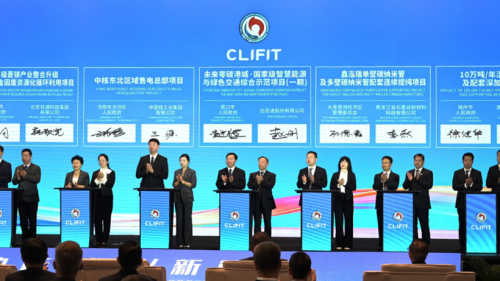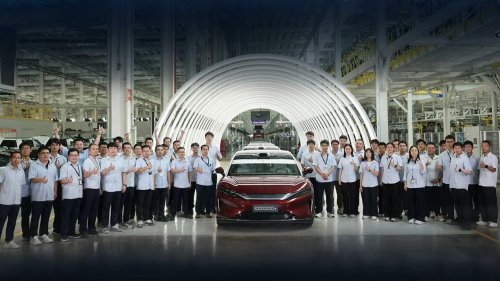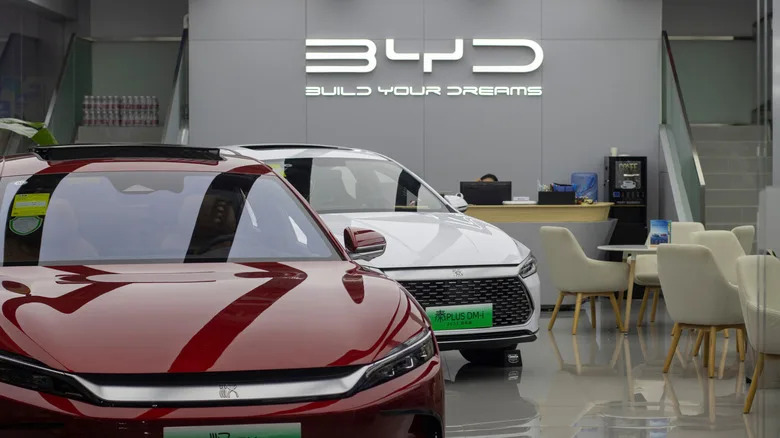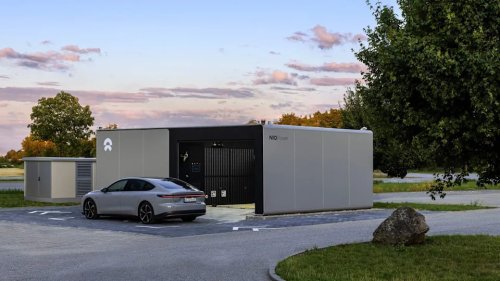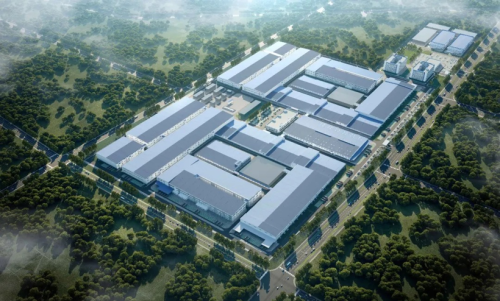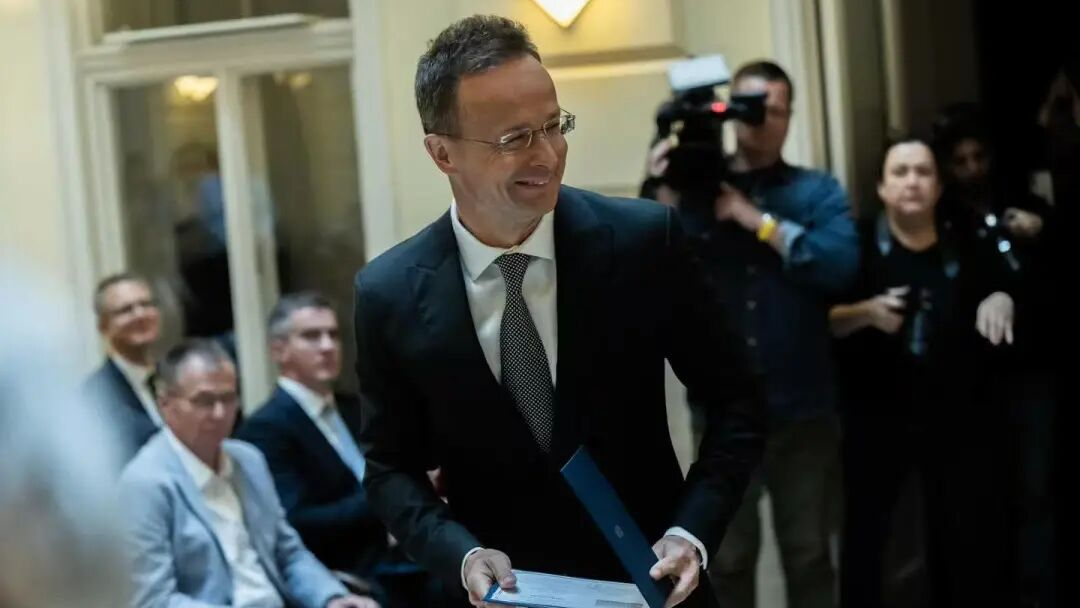
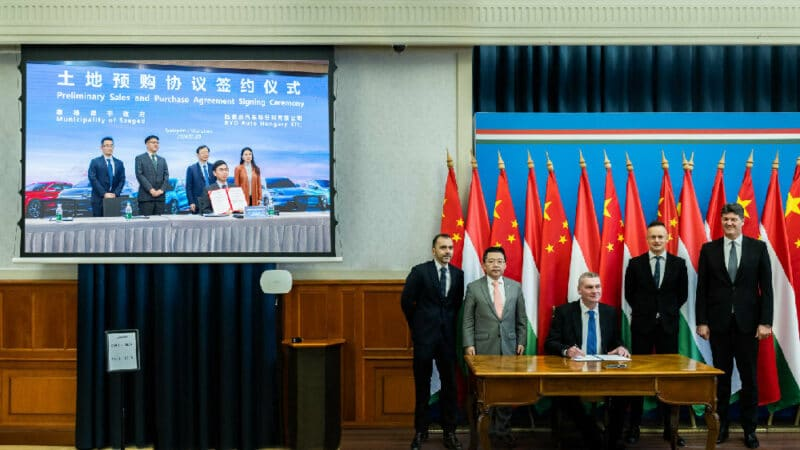
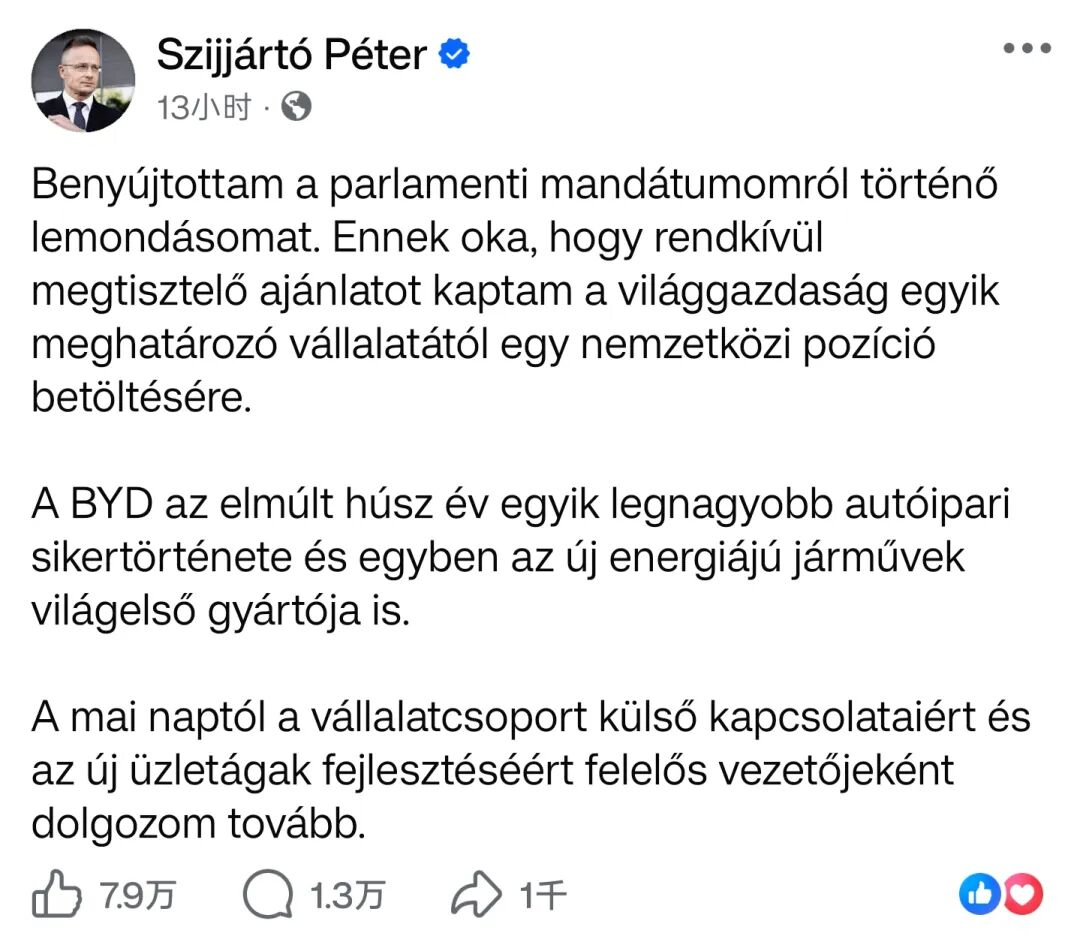



















Péter Szijjártó. Credit: SHobserver Understand China EV’s Market Real-time notifications when critical EV data is released All important data in one place 2,000,000+ data points Become a member Péter Szijjártó, the former Minister of Foreign Affairs and Trade of Hungary, announced on July 15, 2026, that he is resigning from his parliamentary seat to join the Chinese electric vehicle giant, BYD, as reported by SHobserver. Szijjártó, 47, who served as a member of the Hungarian National Assembly since 2002 and held the position of Foreign Minister from 2014 until May of this year, shared the news on his Facebook. He described the move as a transition to a “highly prestigious” international role at one of the world’s leading enterprises. “BYD is one of the most successful companies in the automotive industry over the past 20 years and a global leader in new energy vehicle manufacturing,” Szijjártó wrote. “Starting today, I will serve as an executive responsible for the group’s external relations and the expansion of new business lines.” In 2024, Péter Szijjártó also attended the signing of the cooperation agreement between BYD and Hungary (second from right). This appointment underscores the deepening strategic ties between Hungary and China in the EV sector. BYD, which broke ground on its first European electric vehicle production plant in the southern Hungarian city of Szeged in 2024, has been expanding its footprint in the region. Last year, the Hungarian government and BYD signed a strategic cooperation agreement, which included the establishment of BYD’s European headquarters and a new research and development centre in Budapest. During the signing of the agreement, then-Prime Minister Viktor Orbán emphasised that the world is in an era of transformation characterised by new technologies and shifting consumer demands. He noted that China’s leadership in EV technology makes this strategic partnership an essential engine for Hungary’s economic growth, positioning the nation to lead in the new era of automotive technology. In April, Prime Minister Magyari reaffirmed this vision, stating, “We hope to make Hungarian local enterprises partners to BYD, CATL, and other major investors. I believe we will certainly be able to achieve mutually beneficial cooperation.” In recent years, many companies within the Chinese new energy vehicle supply chain have established a presence in Hungary. Regarding original equipment manufacturers (OEMs), BYD is building a vehicle production base in Hungary with a capacity of 300,000 units, while also setting up its European headquarters in Budapest. Nio has established a European energy plant focusing on the manufacturing and R&D of battery swap stations. In terms of the supply chain, power battery companies such as CATL, EVE Energy, and Sunwoda are all building battery factories in Hungary. Péter Szijjártó’s post on Facebook.