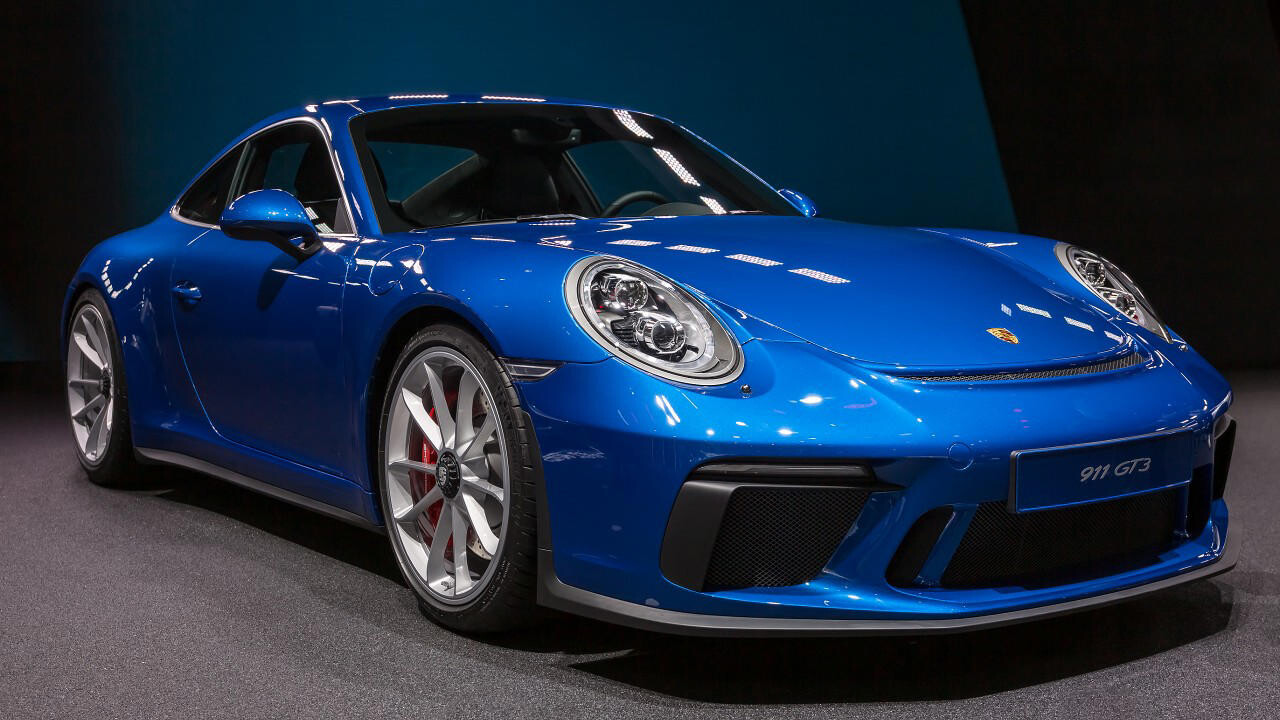
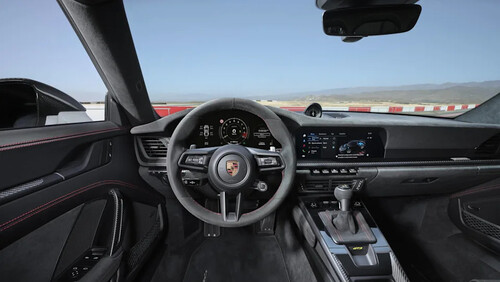
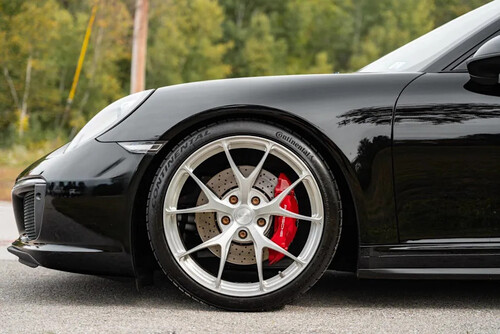
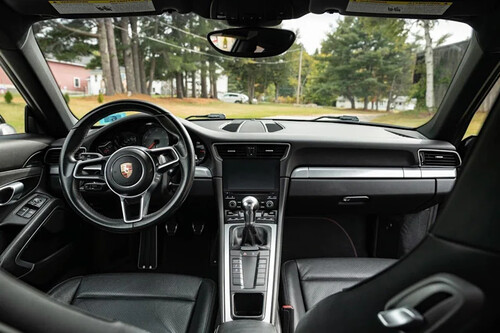
Buyer sues over “new” $281,940 Porsche 911 GT3 used for technician trainingYou expect a brand-new Porsche 911 GT3 with a $281,940 sticker to arrive as close to perfect as a road car can be. In a case now in court, a buyer says his car looked pristine on delivery, only for him to later discover it had been used behind the scenes as a technician training tool before it ever reached his driveway. The lawsuit turns a dream purchase into a warning about how little you may really know about a car labeled “new.” The dispute centers on what “new” means when you hand over $281,940 for a track-focused 911 GT3 and whether an automaker and its dealers must disclose any prior use that goes beyond routine handling. As you look at the details, you see a clash between marketing gloss and the fine print that governs high-end auto sales. How a “new” 911 GT3 became a legal fight The lawsuit comes from a Porsche customer in Florida who bought a 2022 Porsche 911 GT3 that was represented as a brand-new car. Reports describe the buyer as a Florida man who paid $281,940 for the 911 GT3 and later claimed the vehicle had secretly been used as a technician training car before sale. One account notes that the car had only 34 miles on the odometer when it was sold, a figure that would normally reassure you that the car had seen little more than factory testing and dealer prep, yet the buyer now argues those miles masked extensive hands-on use in a workshop setting. According to the complaint, the buyer is suing Porsche Cars North America and a dealership in Pennsylvania, accusing both of misrepresenting the car’s condition and history. The filings describe a scenario in which the car was shipped into the United States with a designation that it would be used to train future service technicians, then later entered retail circulation without that history being disclosed. For you as a potential buyer, the allegation is simple and unsettling: a car that should have been reserved for classroom-style wrenching allegedly ended up on a showroom floor with a full retail price. Coverage of the case explains that a Florida man is suing Porsche Cars North dealership, alleging that the car’s technician training role was never disclosed when he agreed to buy what he believed was a factory-fresh example. Another detailed account of the dispute describes how the vehicle’s internal designation and shipping paperwork allegedly flagged it for non-retail use, in direct tension with the way it was ultimately marketed to the buyer. The glovebox clue and the training designation You can imagine the shock of discovering that your prized 911 GT3 may have spent its early life as a classroom prop. In this case, reports say the owner found documentation in the glovebox that referred to the car’s technician training status. That discovery triggered deeper digging into the car’s history, including examination of factory records and internal codes that described how the vehicle was supposed to be used. One account of the saga, framed around a story titled Man Sues After Discovering His “New” $282k Porsche 911 GT3 Was a Mechanic Training Car, explains that the buyer learned his car had been earmarked for mechanical instruction rather than retail sale. The same reporting notes that vehicles labeled this way are typically meant to live in controlled environments where apprentice technicians can practice procedures they will later perform on customer cars. When you read that, the idea of paying full price for such a vehicle starts to feel like a very different proposition from buying a car that has only seen factory quality checks. The report that focuses on Man Sues After Discovering His “New” $282k Porsche 911 GT3 Was a Mechanic Training Car highlights how the 911 G and the $282 price figure became shorthand for a broader debate about transparency. In that coverage, you see the owner’s frustration as he connects the dots between the glovebox paperwork, the car’s internal status, and the way it was presented to him as brand-new. For you, the takeaway is that something as simple as a stray document can reveal a backstory that the sales process never mentioned. Another detailed piece about the same dispute reiterates the 911 G description and the $282 figure, emphasizing how a single car can become a test case for how far automakers can go in repurposing vehicles without telling buyers. When you read those accounts together, you see how the technician training designation sits at the heart of the legal theory: the buyer argues that the car’s intended use should have disqualified it from being sold as new at full price. What the lawsuit claims and who is named The complaint does more than vent frustration. It accuses Porsche and the selling dealer of fraud, misrepresentation, and deceptive trade practices, arguing that the car’s technician training history materially reduced its value. One detailed summary of the legal filing notes that the buyer is seeking damages that would reflect the difference between what he paid and what the car would have been worth had its true background been disclosed. In one account of the case, you see the buyer described as a Florida customer who brought his claim against Porsche in the United States after discovering that his US$281,940 Porsche 911 GT3 had been used as a technician training car. Another report describes how internal factory documents, including equipment lists, pricing, and VIN identification, spelled out the vehicle’s intended status and how those records may now serve as evidence. That coverage points to the VIN as a key piece of the puzzle, since it can connect the car in the buyer’s garage to the vehicle that was originally flagged for non-retail use. One detailed narrative about the dispute centers on Florida Man Sues Porsche After $281,940 911 GT3 Allegedly Sold as “New” Turns Out to Be Technician Training Car, and identifies the plaintiff as Shawn Henry. In that account, you read that Shawn Henry claims his $281,940 911 G was Allegedly Sold as a new vehicle even though it had been used to train future service technicians. The same reporting describes how he is seeking legal relief that could include rescission of the sale or monetary compensation, a path you might consider if you discovered similar facts about your own car. Another detailed report on the lawsuit explains that the document trail includes internal references to the VIN and that when those records are compared with the buyer’s paperwork, they appear to match the car he bought. That alignment between factory records and retail documents is what gives the lawsuit its teeth. It allows you to see how a car that started life with a training designation allegedly moved into the retail pipeline with its past effectively scrubbed from the sales pitch. Why the 34 miles and “new” label matter to you On its face, a 2022 911 GT3 with only 34 miles looks like the definition of a new car. According to one summary of the lawsuit, the 911 G that is now at the center of the dispute was sold to the buyer with exactly that odometer reading, a figure that would usually reassure you that the car had barely been driven. The same report explains that Porsche Sued For Selling 911 GT3 Allegedly Used to Train Technicians after the buyer learned more about the car’s past and concluded that those 34 miles did not tell the full story. From your perspective, the mileage and model year are not the only things that define “new.” The lawsuit argues that prior intensive use in a workshop environment, even if it does not rack up many miles, can still expose a car to repeated disassembly, torque cycles, and test procedures that you would not expect in a showroom vehicle. The buyer claims that this kind of use can affect long-term reliability and resale value, especially for a high-performance model where collectors and enthusiasts scrutinize every detail. More from Fast Lane Only Unboxing the WWII Jeep in a Crate 15 rare Chevys collectors are quietly buying 10 underrated V8s still worth hunting down Police notice this before you even roll window down