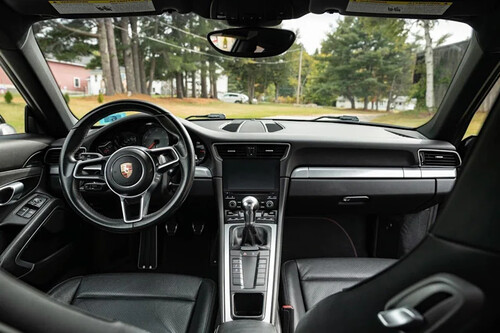
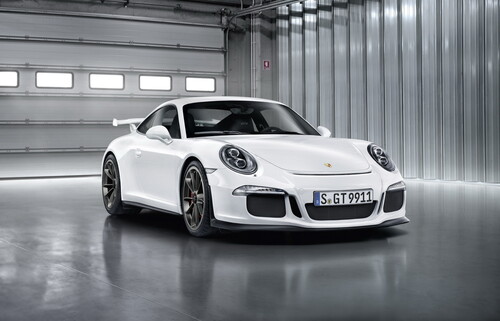
Buyer claims Porsche sold 911 GT3 training car as new in lawsuitA Florida buyer says the dream of owning a track-focused Porsche turned into a protracted dispute over what the word “new” really means. In a lawsuit, he claims Porsche Cars North America and a Pennsylvania dealership sold him a 911 GT3 that had already been used as a technician training vehicle while representing it as a fresh, never-driven example. The complaint argues that the car’s hidden past, later revealed by an internal sticker, stripped the 911 GT3 of the value and exclusivity he believed he was paying for at $281,940. The case now tests how far manufacturers and retailers can push internal uses of inventory before they must come clean to customers. The buyer, the car, and the surprise in the glovebox The plaintiff, identified in the filings as Azizi, ordered a high-specification 2022 911 GT3 from a dealer in Pennsylvania for $281,940, expecting a rare and pristine performance car. According to the lawsuit, the vehicle he received was represented as new and showed only 34 miles on the odometer at delivery, a figure that would be consistent with routine transport and pre-delivery checks on a limited-production model. The complaint states that Azizi took delivery at his home in Florida, underscoring how enthusiastic buyers often work with out-of-state retailers to secure highly allocated cars such as the 911 GT3. His claim turns on what he says he found after the excitement of delivery faded and he began to look more closely at the car and its paperwork. The lawsuit describes how, the day after the 911 arrived, he opened the glove compartment and discovered a window label that had not been disclosed at the time of sale. That sticker, according to the complaint, was stamped with the term “PCNA,” which the buyer alleges identified the car as a Porsche Cars North America internal vehicle rather than a conventional retail unit. The document also indicated that the car had been used as an apprentice training vehicle, a revelation that, in the buyer’s view, meant the 911 GT3 was not the untouched example he had ordered from Porsche and the dealership. Alleged technician training use and the fraud claims At the core of the case is the allegation that Porsche and the dealer sold a vehicle that had already served as a hands-on tool for apprentice technicians while presenting it to Azizi as factory-fresh. The complaint asserts that the 911 GT3 was part of a program in which Porsche Cars North America supplied vehicles to training centers so that trainees could practice diagnostics and repairs on real cars. According to the buyer, the prior role created a materially different risk profile than a vehicle that had only been transported and prepped for sale, since repeated component removal, electrical probing, and test cycles can all occur during technician training sessions. He contends that neither Porsche Cars North America nor the Pennsylvania retailer disclosed this history before he agreed to buy the car. Legal filings cited in the reporting describe a series of claims that include fraud, deceptive practices, and misrepresentation tied to the alleged concealment of the car’s training status. The lawsuit says Azizi only learned about the 911’s background after reading the “PCNA” designation and related language on the hidden window sticker, which he took as confirmation that the car had been used internally by Porsche rather than held in normal dealer inventory. He argues that this omission deprived him of the chance to negotiate a lower price, demand a different allocation, or walk away from the transaction altogether. The complaint frames the case as a breach of trust in which the buyer relied on the seller’s description of the car as new while key information about its use as a technician trainer was kept out of view. Mechanical troubles and a year of repairs Azizi’s frustration appears to have deepened when, according to the lawsuit, the 911 GT3 began to suffer electrical problems shortly after he took delivery. The complaint states that warning lights and related issues emerged early in his ownership, prompting him to bring the car to a Porsche-certified facility for diagnosis. Over time, the vehicle was allegedly in the shop for extended stretches as technicians attempted to track down and correct the faults. The filings describe a pattern of repeated visits and unsuccessful repair attempts that, in the buyer’s telling, kept him from enjoying a car that was supposed to be both high-performance and highly reliable. Reporting on the case notes that the lawsuit claims the 911 was “out of service for the better part of a year” while various electrical concerns were addressed, a period that significantly cut into the early life of a car purchased at a price of $281,940. Azizi links those issues directly to the car’s alleged prior role as an apprentice training vehicle, arguing that extensive prior tinkering increased the likelihood of intermittent electrical gremlins and other hard-to-trace problems. The complaint suggests that, had he known the GT3 had been used in this way, he would have considered it functionally closer to a demonstrator or heavily tested development car than to the pristine, 34-mile example he believed he was receiving. Why the case matters for “new” performance cars Beyond the individual dispute, the lawsuit raises broader questions about how manufacturers and dealers define “new” when a vehicle has seen internal use before reaching a retail customer. High-demand performance models such as the 911 GT3 often change hands at significant premiums, and buyers like Azizi typically prize low miles, clean histories, and the assurance that they are the first to meaningfully drive the car. If a vehicle that has been used to train technicians can still be sold as new without explicit disclosure, the complaint suggests, then the line between internal fleet and retail stock may be far blurrier than many customers assume. The case also highlights how a single document, tucked away in a glovebox and stamped with internal designations such as “PCNA,” can become central evidence in a dispute over value and transparency. More from Fast Lane Only Unboxing the WWII Jeep in a Crate 15 rare Chevys collectors are quietly buying 10 underrated V8s still worth hunting down Police notice this before you even roll window down