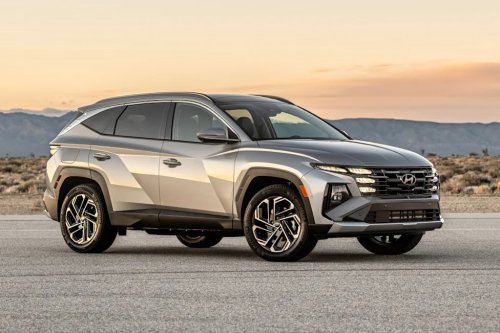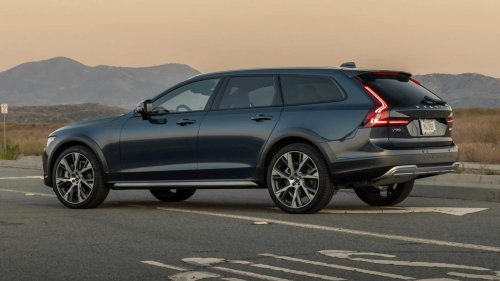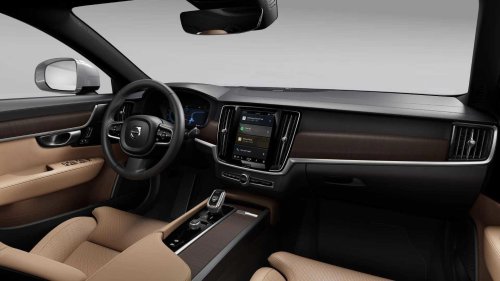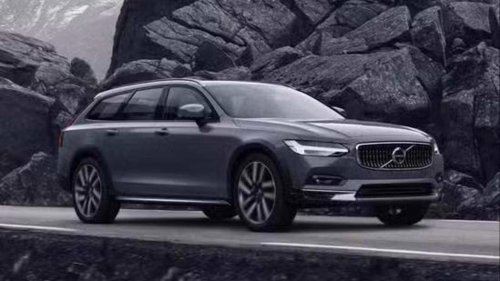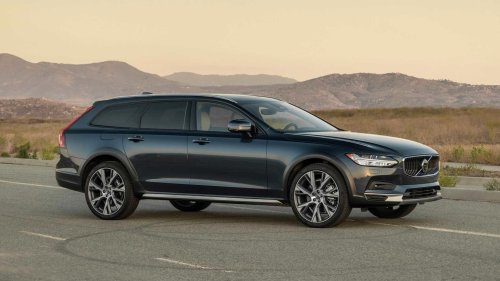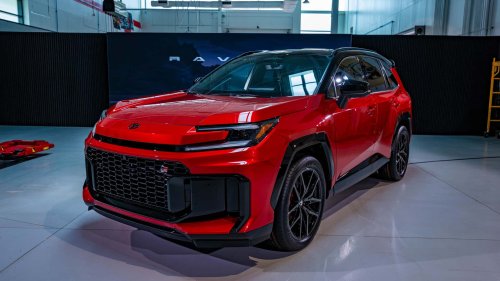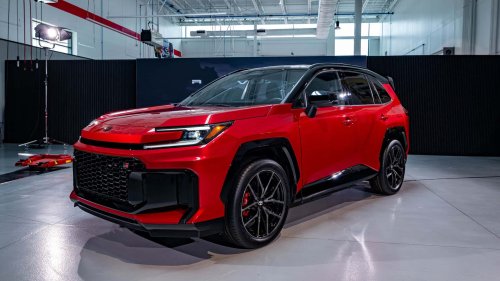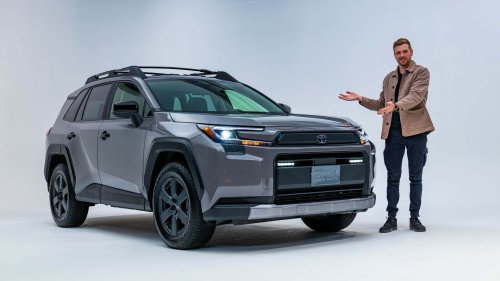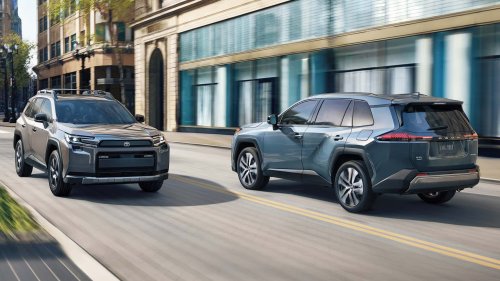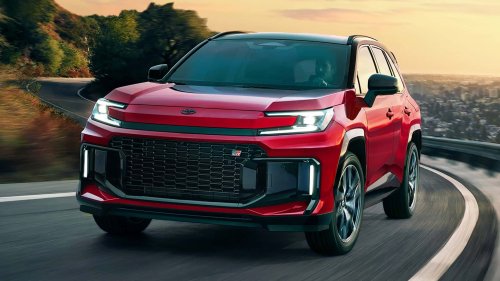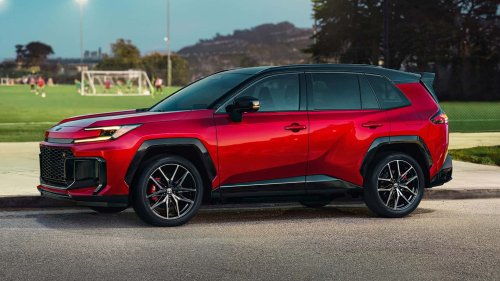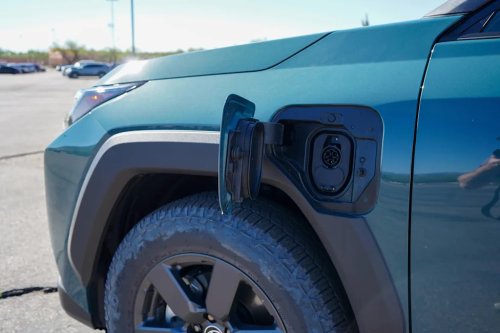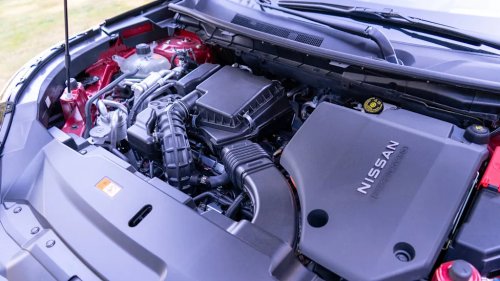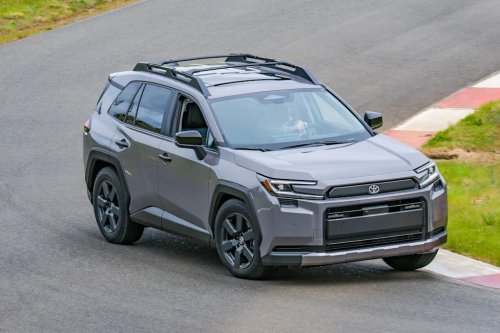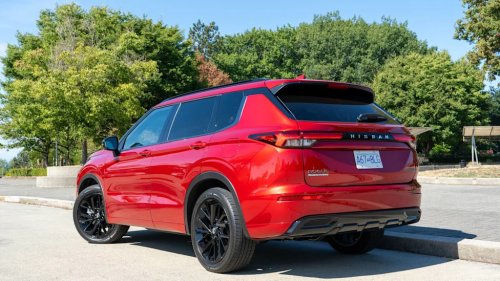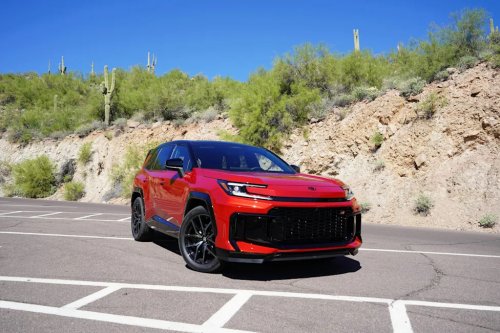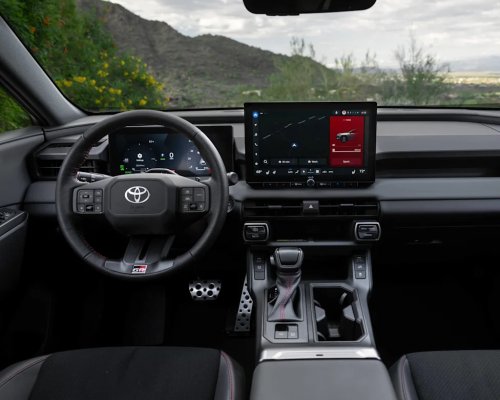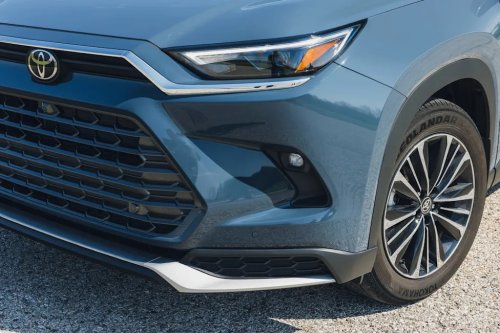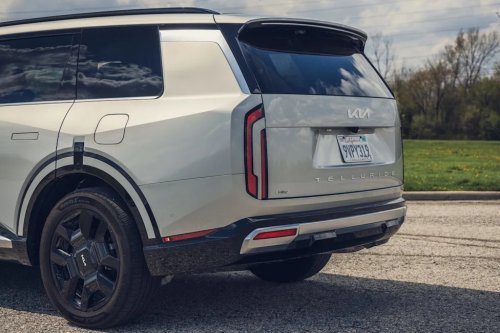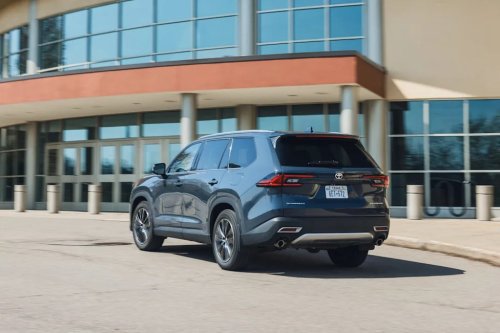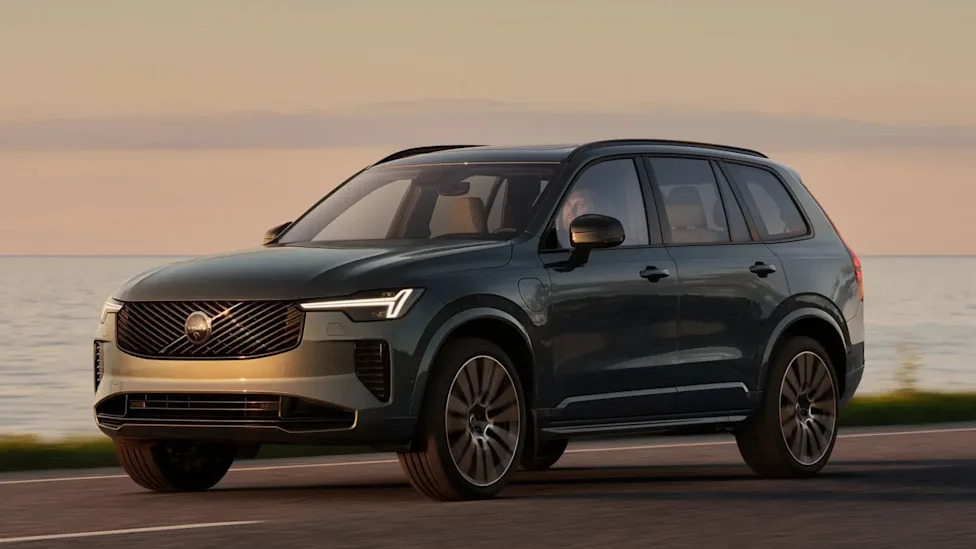
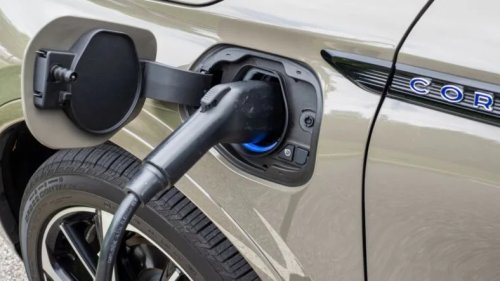
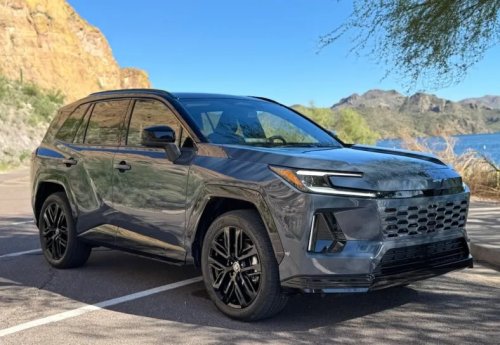


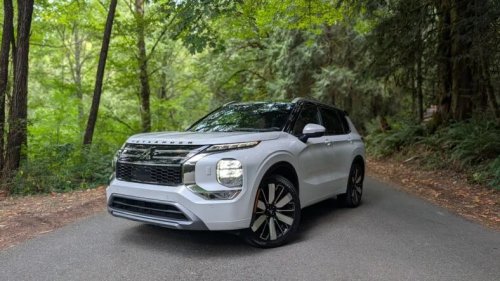
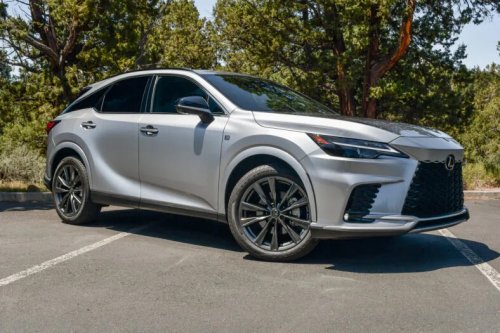
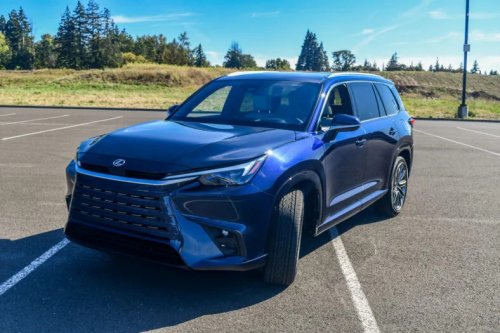
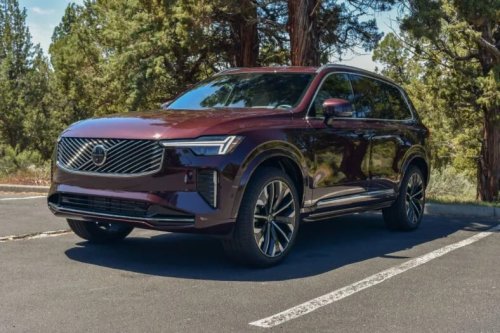






















Buy This, Not That: Plug-in Hybrid vs. Hybrid Versions of 10 Popular SUVs, and Which Is the Better BuyShould you spend extra for the plug-in hybrid version of your favorite SUV, or stick to the standard hybrid setup? Here's our two cents as the experts who've reviewed both.Hybrids have become popular for a reason: they deliver clear benefits including cutting fuel consumption, reducing engine wear by sharing the load with an electric motor, tend to have lower maintenance costs and require no external cords or home charging setups. Best of all, hybrids (often abbreviated as HEVs to make them sound fancier) are more affordable than they used to be. In many developed areas, they've quietly become the practical default for daily commuting. In California where I live it's weird if you don't drive one.Plug-in hybrids (PHEVs) build on that baseline, but with a larger battery and electric motor that needs to be plugged in to charge. They typically offer between 20 and 50 miles of all-electric driving range before the gas engine engages, allowing many drivers to complete daily errands or school drop-offs without burning a drop of gas. Once the battery range is depleted, it works like a standard hybrid, using regenerative braking and engine power to maintain efficiency. PHEVs can be more expensive thanks o the bigger battery and more powerful motor, and to really benefit, it comes down to charging habits. AdvertisementAdvertisementTo get the most value out of a PHEV's higher sticker price, you need to plug it into a wall outlet or home charger regularly. If you don't plug in, you're essentially hauling extra battery weight—and using gas to do it. So, when choosing between a PHEV and a hybrid SUV, the "better buy" depends on your daily drive needs, budget, and home charging setup. This is what you need to know.This story is 100% human-researched and written based on actual first-person knowledge, extensive experience and expertise on the subject of cars and trucks.Plug-in Hybrid vs. Hybrid: Pros and Cons of a Standard Hybrid SetupBoth are great options, but for different buyers – Credit: Kristen BrownHybrids are popular because they're versatile: they fit into just about every lifestyle and budget, unlike their premium debut back in the early 2000s. For many years, hybrids were treated as top-tier trims, but now several manufacturers are offering hybrid-only options, such as the Toyota RAV4, or hybrid options for the full trim line, such as Kia and Hyundai. And while there is a long list of benefits to owning a standard hybrid, there are a few drawbacks that will fuel the plug-in hybrid vs hybrid debate. Pros:AdvertisementAdvertisementLower cost—Standard hybrids don't have as large a battery and don't need a charging port or cable, so less equipment, and therefore, lower overall cost.Mileage—Some hybrids, like the Kia Niro, can get well over 50 MPG with front-wheel drive. With some places charging as much as $6 per gallon for regular gas, that can be a lifeline for many. Lower maintenance costs—Oil changes are recommended at longer intervals (many are 10,000 miles instead of 5,000 miles) because engine parts don't endure as much wear, brakes are more lightly used because the electric motor helps to slow the car and in general, hybrids are more reliable.Approachable pricing—Some hybrids, like the Honda Civic hybrid or Toyota Corolla Cross hybrid, start below $30,000, making them more affordable now than they've ever been.No extra equipment or thinking required—The car's on-board computer system manages the hybrid system for you; even the regenerative braking and switching between hybrid, EV, or gas mode is all automatic so you don't have to think about it. No plugging in, no charging, no monitoring is needed on your part. You just worry about the fuel gauge.Don't confuse a hybrid powertrain with a mild-hybrid, a much smaller motor that's designed to add a little more power and small fuel savings rather than substantially better fuel economy.And, keep in mind that hybrids tend to get their best fuel economy in the city; that's because the gas engine is used primarily at higher speeds, so highway MPG ratings for hybrids are always lower than city or combined estimates. For those who have a fairly long commute, this might actually be a disadvantage. Pros and Cons of a Plug-in Hybrid SetupThankfully, charging the Lincoln Corsair PHEV was relatively quick and easy – Credit: Cameron AubernonAs I like to frame it, PHEVs feel like the perfect balance for someone who's EV-curious but doesn't feel comfortable giving up their gas-only engine just in case. PHEVs help you get used to the feel and the routine of charging an EV battery at home and monitoring your percentage and draw rates without fully giving up the dependability of a gas-powered car. Because of their extended EV range and their hybrid capabilities once the battery does deplete, they're especially more attractive to those with longer commutes—especially as the EV range of today's PHEVs keeps increasing.AdvertisementAdvertisementBecause PHEVs are built off of a hybrid ideology, they shares similar benefits, like lower maintenance costs from reduced wear on the engine and improved fuel economy, but here are the most notable benefits of owning a PHEV:20-50+ miles of gas-free driving—If your daily commute or errand run is under 30–40 miles, you can drive exclusively on electric power. For many households, this cuts gas station visits down from weekly to once every few months. No range anxiety on a road trip—Unlike pure EVs, you never have to plan route stops around public charging networks. Once the battery depletes, the car seamlessly transitions into standard hybrid mode using the gas engine. Many systems let you operate in hybrid mode, allowing the battery to assist the gas-powered engine, improving your overall fuel economy, even on the highway.More horsepower and torque—If you're a fan of the torque and power of EVs, most PHEVs have more horsepower than their hybrid versions. For example, the RAV4 Prime puts out over 300 horsepower compared to the standard RAV4 hybrid's 219. For buyers who need the extra power, this can be a huge benefit.The cons may be a longer list, but it's only because ownership requires a tad more effort than standard hybrids. Here are the PHEV-specific cons:Substantially higher upfront cost—PHEVs carry a significantly higher price tag, often $6,000 to $10,000 more than their standard hybrid equivalents. Unless you plug in religiously and take advantage of local utility incentives or rebates, recovering that price gap through gas savings alone can take years.Home charging equipment is required—To unlock a PHEV's value, you must plug it in regularly. While a standard 120V household outlet works overnight for smaller packs, installing a Level 2 (240V) home charger for faster top-ups adds extra equipment and installation costs, though we've found its easy to DIY for a few hundred dollars.Depending on the model, cargo space can be reduced—That larger battery pack has to sit somewhere. In many compact SUVs (like the Tucson or RAV4), it slightly raises the rear cargo floor or eliminates under-floor storage space. Added weight can change driving dynamics—This is a small point, but a larger battery can add up to 500 extra pounds onto an already heavy frame. If you're picky about driving feel, it can make an SUV feel heavier in tight turns.If not plugged in, it's not as efficient as a standard hybrid—If you forget to charge and drive a PHEV solely on gas, you're lugging around a heavy, depleted battery pack. In "hybrid mode," many PHEVs actually get slightly lower combined MPG than their lighter standard hybrid counterparts.When It Comes to the Toyota RAV4, the Hybrid and PHEV Are Equally WonderfulThe 2026 Toyota RAV4 Sport XSE – Credit: Scotty ReissToyota is widely considered a pioneer in hybrid technology for good reason: its powertrains are proven, accessible, and remarkably refined. With decades of real-world development under its belt, Toyota has turned the RAV4 into a masterclass in hybridization. For 2026, you can have it in two distinct flavors: a standard hybrid starting at $31,900 or a high-performance plug-in hybrid (PHEV) starting around $41,500. Rather than one being definitively "better" than the other, both represent the absolute best of their respective categories.AdvertisementAdvertisementWe love the standard hybrid because of its value and simplicity. If you want maximum efficiency without altering your daily routine, the standard RAV4 Hybrid delivers up to 43–44 combined MPG with available AWD, all while saving you between $5,500 and $13,000+ upfront compared to the plug-in. It also offers a wider trim lineup with six distinct grades, making it effortless to find the exact features you want at a price point that fits your budget. For drivers who want hassle-free, gas-and-go dependability, it's virtually untouchable.The PHEV is equally impressive because of its capability and EV stats. With a stout 324 horsepower and an EPA-estimated 52 to 54 miles of EV range, the RAV4 PHEV is one of the quickest, most capable plug-in crossovers on the market. Its electric range easily outclasses rivals like the Tucson and Sportage, matched only by luxury alternatives like the far pricier Mercedes-Benz GLC 350e. While you have to navigate a few charging quirks across the trim ladder (DC fast charging is reserved for the XSE and Woodland trims, while the SE and GR Sport rely on Level 2 AC), having the power to cover daily commutes without burning a drop of gas makes the PHEV a gold standard in its own right.Ultimately, Toyota built two winners here. Choose the standard hybrid for accessible pricing and plug-free efficiency, or step up to the PHEV for sports-car acceleration and true daily EV freedom.The Hyundai Tucson PHEV is Nice, But the Tucson Hybrid Maintains All Of its Cargo SpaceTanya Gazdik with the Hyundai Tucson – Credit: Tanya GazdikThe Hyundai Tucson is vastly unappreciated, and you can get it a few different ways: gas-only, a standard hybrid, or as a PHEV with either front or all-wheel drive. We've tried them all and loved each one. The PHEV has a moderate EV range of 33 miles, has more horsepower than the HEV, and the top-shelf trims with all the technological bells and whistles, like the Limited, are reserved for the plug-in hybrid. And, with a starting price of $40,675 and max price of $48,900, it directly competes with the RAV4. AdvertisementAdvertisementThe hybrid puts up a stronger argument here, though, because of the lower EV range but nearly identical price ceiling as the RAV4 PHEV. The Tucson hybrid starts at $31,300 and tops out at $42,425—and since it can get up to 38 MPG with FWD in the city, it's one of the most affordable and efficient hybrid SUVs you can get. Even with AWD it averages 38 MPG combined. Plus, the PHEV battery takes up a lot of vertical space in the rear cargo area, so you technically have less space for luggage or strollers. The hybrid doesn't have that problem.We Love the Kia Sportage PHEV, But the Hybrid Has a Price-to-Feature Rate That Can't Be BeatBoth the hybrid and the PHEV Kia Sportage are wonderful, but the hybrid is a better overall value – Credit: Kristen BrownI know, it probably feels like we're voting hybrid for every comparison, but this one comes straight from the chest: the hybrid Kia Sportage is such a unicorn. It's affordable, accommodating, borderline luxurious, and incredibly efficient. Our very own Natalie Merola was reviewing the hybrid at the same time I was reviewing the PHEV version, and I felt like the PHEV was incredibly thoughtful, gorgeous, and remarkably fuel-savvy, but for just over $47,000, I wasn't quite convinced it was worth that much.Yes, it has an EV range of about 40 miles, it's a bit quicker off of the line, and it can come in a fancy matte color. Then I got to talking with Natalie, and discovered that her tester was just above $42,000 with a fairly long list of add-ons and optional packages, and I was stunned. That felt worth the money. With a base price of $30,590 and a top-shelf price of $40,690 and a combined mileage estimate of 41 MPG with FWD, it's a no-brainer. It's a "cheap" car that feels so far from it. When my PHEV tester ran out of battery, and it did fairly quickly, charging was a chore. The Kia Sportage PHEV lacks DC fast charging capability and caps AC charging speeds at a 7.2 kW rate with its onboard charger. If you don't speak EV, it means it's a slow poke on the plug. Recharging its 13.8 kWh battery takes roughly 2 hours using a 240V Level 2 source or about 9 to 10 hours on a standard 120V household outlet. So, when it ran out, I let it act as a hybrid, where I saw an average of 36 MPG with all-wheel drive. I will note, though, that I don't have a charger at my house, so I had to use a public charger. And that was pretty frustrating. At home, those figures are plenty reasonable.The Kia Sorento Makes Sense as a 3-Row PHEV—Though We Love it as a Hybrid, TooSara Lacey and the 2025 Kia Sorento Hybrid – Credit: Sara LaceyThis was a tougher comparison to make, because they're both excellent. But, assuming the Kia Sorento is being used as a family SUV, we recommend the PHEV Sorento. It starts at $48,290, so it's on par with the RAV4, Sportage, and Hyundai Tucson's pricing, but you get a whole other row of seats at that price. You get other goodies, like 31 miles of EV range for silent school drop-offs, all-wheel drive, and an absolutely stunning interior, with more horsepower and torque so it doesn't feel wimpy when it's full of kids and gear. AdvertisementAdvertisementThe hybrid is less expensive overall, and still remarkably efficient—but adding the EV range and added horsepower at that price point just makes more sense. Especially since Kia made it very easy to live with. Its 13.8 kWh battery can charge to 100% in just 3.5 hours on Level 2, and easily charges overnight with Level 1 charging, so you don't have to have a charger installed if you don't want one. The Mitsubishi Outlander PHEV is Miles Ahead of the Standard Hybrid—LiterallyThe Mitsubishi Outlander PHEV on a forested road – Credit: Kristen BrownThe Mitsubishi Outlander is one of our favorite SUVs for the price, with a premium-feeling interior, lots of visibility, and thoughtfulness that the brand carries into its products. For 2026, Mitsubishi did away with the traditional gas-only Outlander and swapped it out for an engine with a mild hybrid setup. So, now, all Outlanders will have the company's new 48V mild-hybrid 1.5-liter turbocharged 4-cylinder standard equipment across every single non-PHEV trim. Don't be fooled, though—this isn't a hybrid system that will get you 35+ MPG. Instead, the mild-hybrid system is there to help make a smaller engine feel more powerful, while only slightly increasing overall mileage. Its price is attractive, starting at just $29,995, but the drop in horsepower and efficiency make it a difficult sell over the incredible PHEV powertrain. The PHEV is Mitsubishi's bread and butter. It's remarkably more expensive, starting at $43,245, but it comes with a very long list of features that make that price feel more than reasonable. First, the EV range is up to 45 miles, which makes it one of the most efficient PHEVs you can buy. In fact, Mitsubishi's PHEV is so efficient, many customers report that they typically get gas once every three months—sometimes longer. It's such a common "problem" that Mitsubishi packed the PHEV with an automatic timer to have the engine come on to burn at least 1.5 gallons of gas to keep it fresh, complete with a reminder that something reminiscent of, "Hey, you haven't used the gas engine in a while, maybe we should burn some of this old gas." With significantly more horsepower (297), effortless driving, seamless technology, a beautiful interior and a smooth, quiet drive, the PHEV is a no-brainer here.If You're Shopping Lexus Hybrids, The RX 350h is an Easy Sell, But So is The 450h+The front quarter end of the 2026 Lexus 350h F Sport – Credit: Kristen BrownChoosing one over the other for these two was difficult. The RX 350h is one of the better luxury performance hybrids, earning a combined mileage rating of 36 MPG. And we shouldn't be surprised, considering Lexus designers worked very closely with Toyota's hybrid engineers to make it happen. Not only do you get nearly 40 MPG, but you get 246 horsepower from both the electric motors and the four-cylinder gas engine, a delicious and very customizable interior, and a sleek, sporty-chic design—starting at $55,075. It's more than the ones we've listed, but you have to remember—you're paying for Lexus luxury here.AdvertisementAdvertisementThe PHEV version takes everything up a notch. With the larger battery, the RX 450h+ has an EV range of 38 miles with all-wheel drive, which is plenty for daily errands or a shorter commute. Because of its larger battery, more horsepower is available, too, going up to 304 between the engine and battery. It's more expensive, starting at $66,780, but you do get more overall. As an honorable mention, Lexus makes a Performance Hybrid (F Sport) version—the RX 500h—which boosts the horsepower up to 366, but mileage takes a pretty dramatic hit. Instead of 36 MPG combined, expect around 27 MPG. Ironically, the F Sport is less than the PHEV, despite the extra horsepower. It starts at $57,280, making it very appealing to those who want decent mileage and some power in the pedal. We Loved the Lexus TX 550h+, But Its Limited Availability Pushes Us into 500h TerritoryThe Lexus TX is large, but plenty capable – Credit: Kristen BrownThe Lexus TX 550h+ was one of our top recommendations for luxury 3-row SUVs because of its handsome styling, open and premium interior, and third row space. Plus, the PHEV powertrain made the large barge feel much easier to drive. And its setup was truly one of a kind, using a 3.5-liter V6 in tandem with the PHEV system. The horsepower output was stellar, with a combined figure of 404, and an EV range of 33 miles—perfect for silent, zero-emissions school drop-offs. Because of its size, amenities, and capabilities, she was no cheap pony. The starting price was $80,610, but you certainly got what you paid for. If you noticed, I used a lot of past tense here, because Lexus officially paused production of the PHEV. The webpage for the Lexus TX PHEV notes that it's still available, but "only for a limited time," and in "limited quantities." In other words, if you don't want to buy used, you'll have to do some serious digging to find one at a dealership before they're all scooped up. Instead, the company pushes you to check out the RX 450h+ or the upcoming TZ, which is Lexus' version of the Toyota Highlander EV.AdvertisementAdvertisementTherefore, we recommend the TX 500h. It's still available, fairly efficient with a combined MPG rating of 27, it still offers plenty of power at 366 horsepower, and the third-row comfort and overall family-friendliness are intact. It has a lower starting price regardless of the trim, too—with the F Sport starting at $67,760 and the Performance Hybrid starting at $72,010.Looking for Swedish Functionality? We Like the XC90 PHEV Over the Base Mild Hybrid SetupNo wonder Volvo has such a great reputation for safety – Credit: Kristen BrownSimilar to the Outlander's story, the base model of Volvo's darling 3-row XC90 may have "hybrid" on the homepage, but it uses a mild-hybrid setup that's designed to help with starting from a stop and boost acceleration, while only marginally improving overall mileage. So, while the base B5 XC90 has a lower starting price of $62,445, and still has our favorite attributes (gorgeous interior, excellent sound system, plus ride and stellar safety features), it's difficult to recommend over the PHEV—especially when the combined mileage rating is a cringe-worthy 23 MPG from its 2.4-liter turbo four. There is a B6 version that also uses a mild hybrid system, but it's designed to increase the power output—and that it does, thanks to a 2.0-liter supercharged four-cylinder engine. Don't expect mileage improvements, though. Similar to the B5 model, the combined mileage rating is just 23 MPG. Ouch. But then there's the PHEV version, which we absolutely adore. This has everything we like about the mild hybrids; you just get more. More horsepower (455), better acceleration, a useable EV range of 33 miles, an overall range of over 500 miles, plenty of interior space, Google Built-in, and when the battery does deplete, the hybrid setup increases the combined mileage rating to 27 MPG. Because you get so much more, the price floor is higher: $77,595. It's more than worth it, though. Especially if you take a look at what the LiDAR safety system is capable of.The Mazda CX-90 PHEV Puts Up a Valiant Fight Against the Mild HybridThe Mazda CX-90 has so much to offer – Credit: Natalie MerolaThe Mazda CX-90 is an underrated 3-row SUV, offering a fun, sharp, and refined driving dynamic with a minimalistic yet elegant interior. The price range is more than fair, too, presenting plenty of options and flavors, depending on what you're looking for. Similar to the Outlander and the XC90, there's no such thing as a standard, self-charging hybrid version of the CX-90. It uses a similar mild-hybrid system with a sporty, turbocharged inline-six engine that doesn't do much more mileage—only power delivery. Its starting price is attractive at $39,300, and it has a respectable towing rating of 5,000 lbs, but the combined mileage rating of 25 MPG is a big ask. Especially in this economy. AdvertisementAdvertisementEven though the PHEV has a steeper starting price of $50,695 (a premium of over $11,000), there's quite a bit that helps justify that price. The EV range is one of the lowest of its competitors at 26 miles, but the system is designed to be flexible and easy to use. Mazda loves to mention that, on a Level 2 charger, the CX-90 PHEV can go from 0 to 80% in just 1.5 hours. When I tested one, I easily charged it overnight on a standard 120V outlet in my driveway with the factory cable. Then I was able to pack my toddlers into their seats (which was easy to do because of its wide-opening doors, low floor, ride height, and tall ceiling), and do all of my grocery shopping and coffee fetching in EV mode. Then I'd charge it when I got home. Easy peasy. The added horsepower and torque made it feel substantially nimbler, which I loved.Honorable Mention: The Nissan Rogue e-Power vs. Rogue PHEVA front view of the Nissan Rogue. – Credit: Chastity VelasquezDon't get it twisted—the upcoming Nissan Rogue e-Power is Nissan's new traditional hybrid setup, debuting in the new Rogue. The Rogue, though, was a hybrid before this, running from 2017 to 2019. The Rogue will be a hybrid once more, but since we don't know anything about pricing or mileage ratings yet, it's hard to recommend it. However, we can talk about the Rogue PHEV, because it shares its hardware with the Outlander PHEV—which we wholeheartedly adore.While the Nissan Rogue PHEV shares its underlying platform with the Outlander, the Outlander has a higher EV range than the Nissan, and that's because Mitsubishi kept the larger battery option for itself. The Outlander has an EV range of 45 miles because of a larger 22.7-kWh battery pack, while the Nissan's smaller 20.0-kWh battery has an EV range of 38 miles. Which, for a PHEV, is still a respectable amount. Bonus points for an identical exterior, too. The Rogue PHEV starts at $45,990 (higher than the Outlander PHEV). What will make the Rogue e-Power more compelling will be its price and mileage, which we'll learn later.Before Shopping, Do Some Soul SearchingThe Mazda CX-90 hybrid SUV is perfect for admirers of style and sophistication. – Credit: Jana AskelandThere is no inherently wrong choice here—only the setup that best aligns with how you actually drive. Standard hybrids remain the gold standard for straightforward value, offering exceptional fuel economy and lower upfront costs with zero disruption to your daily habits: no cords, no outlet hunting, and no charging routines required. On the other hand, plug-in hybrids (PHEVs) offer a refined stepping stone into the electric vehicle experience without the range anxiety. If you have reliable overnight charging at home and a typical daily commute under 40 miles, a PHEV lets you run purely on electricity all week while keeping gas on hand for longer road trips, backed by noticeably punchier torque and quieter interior dynamics. Ultimately, standard hybrids win on upfront economics and fuss-free simplicity, while plug-in hybrids win on daily refinement and electric versatility. Choose the powertrain that fits your garage setup and daily mileage, and you will get the best out of either technology.