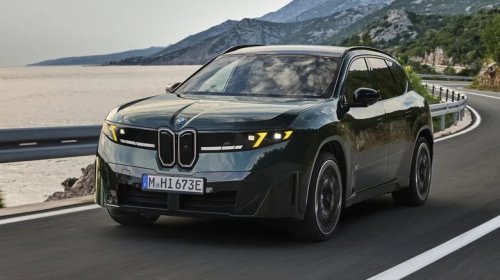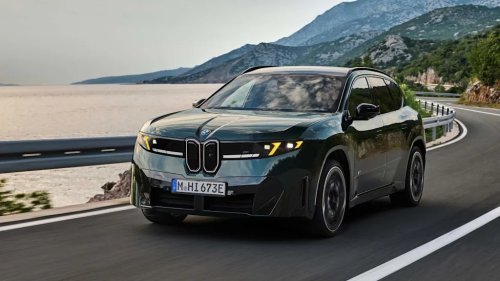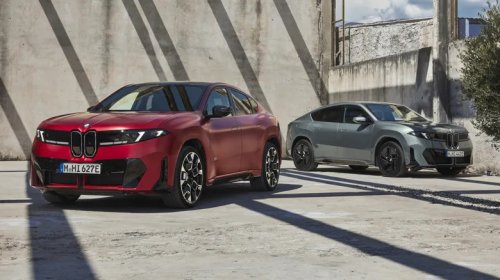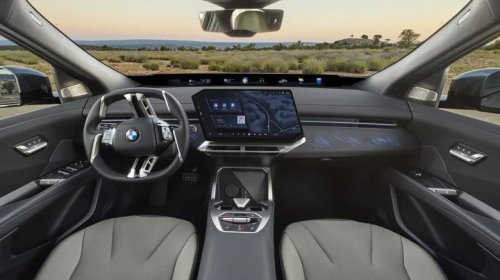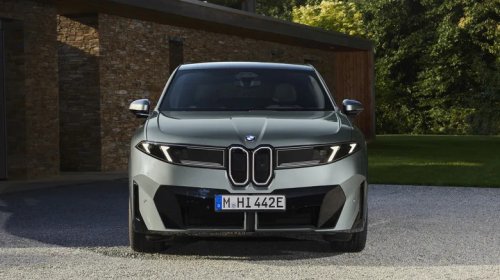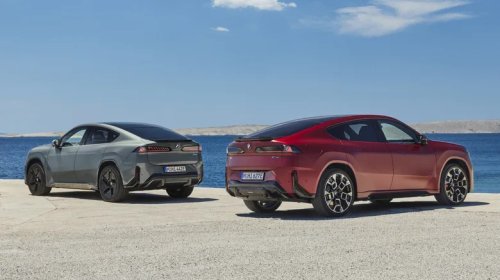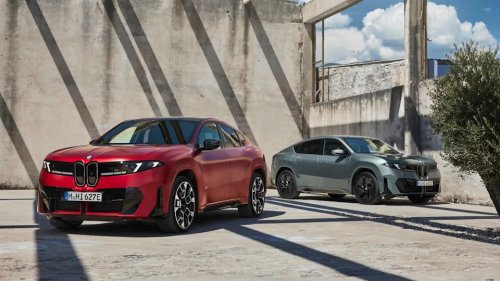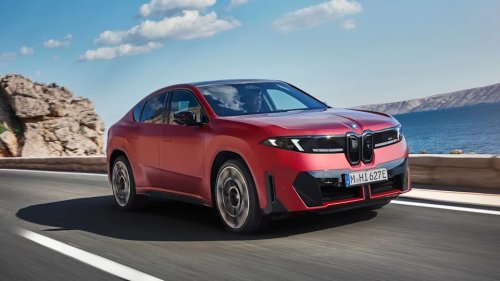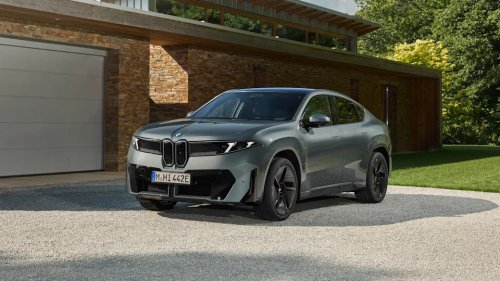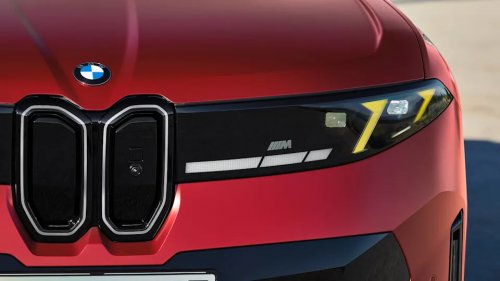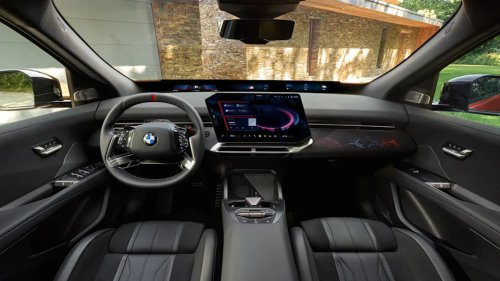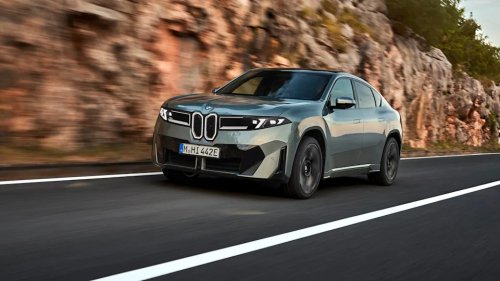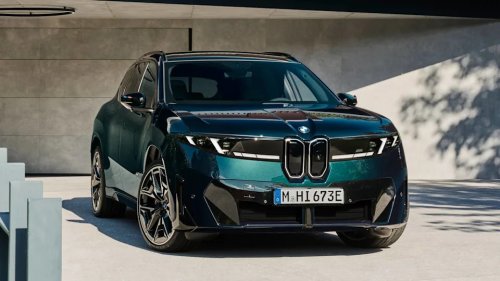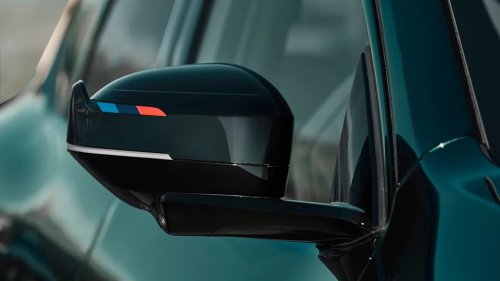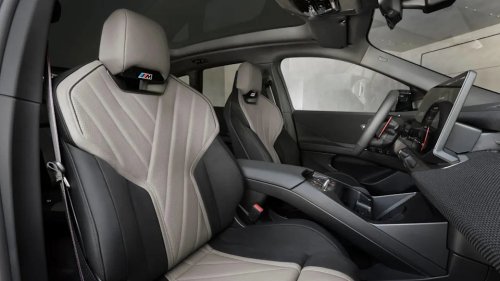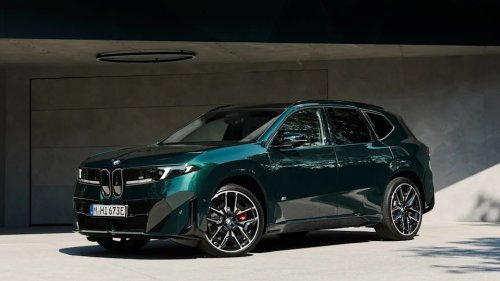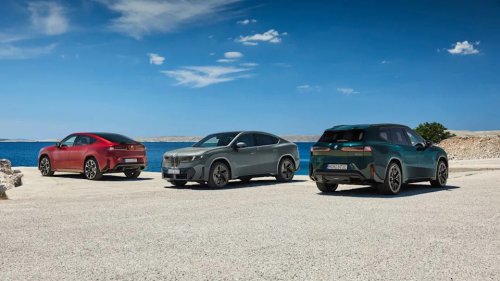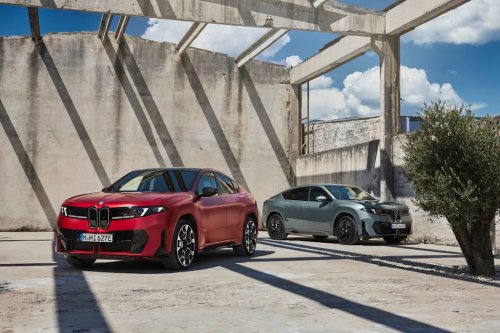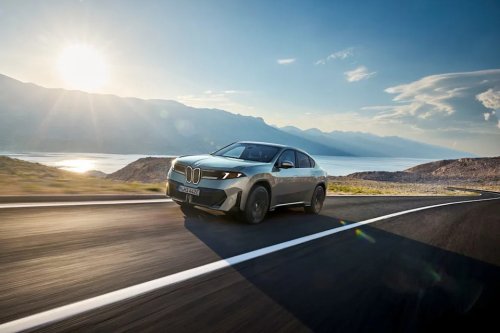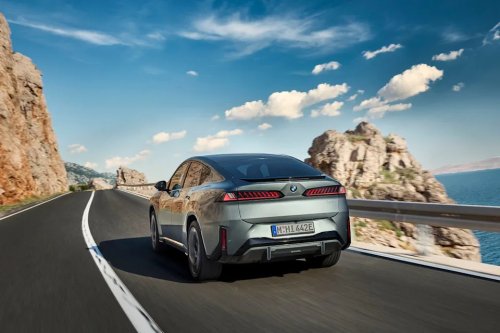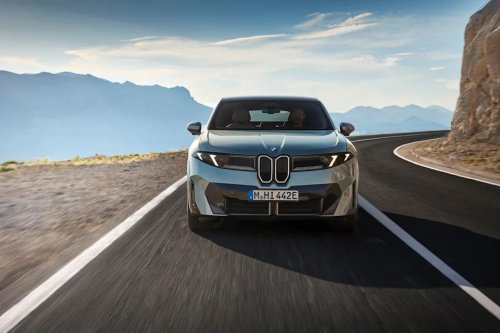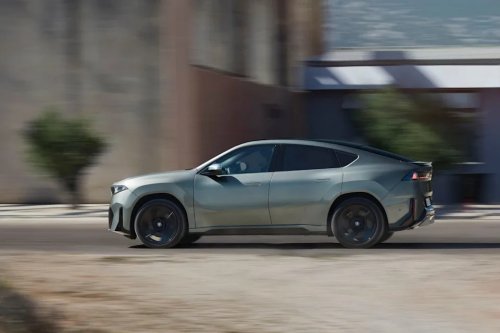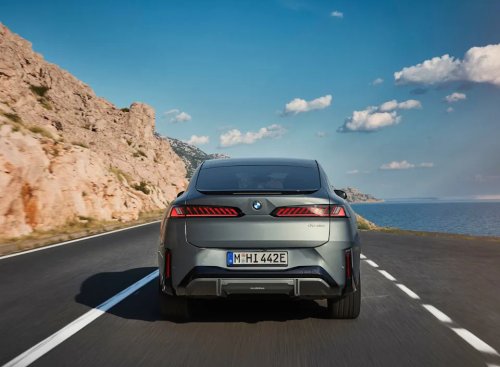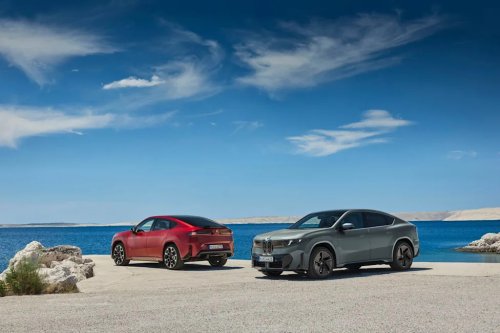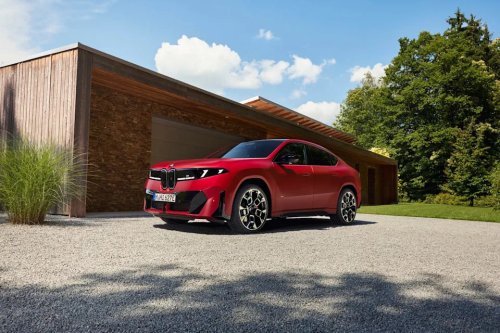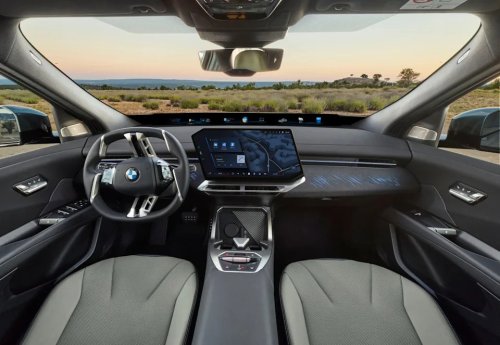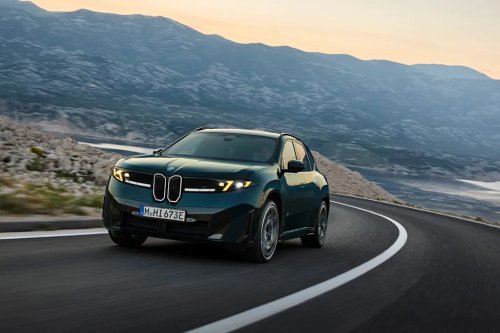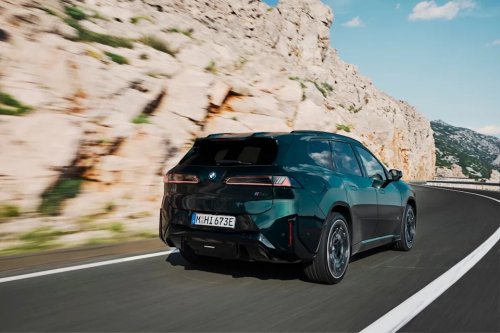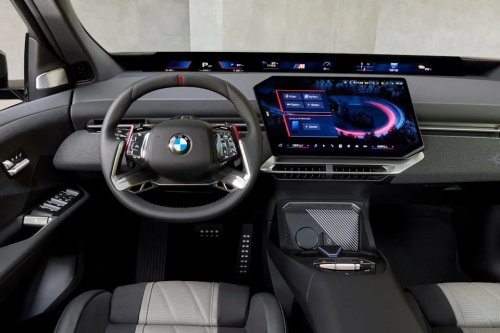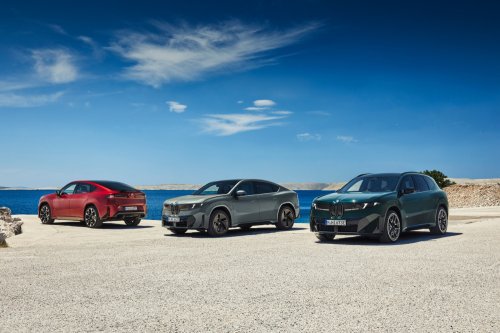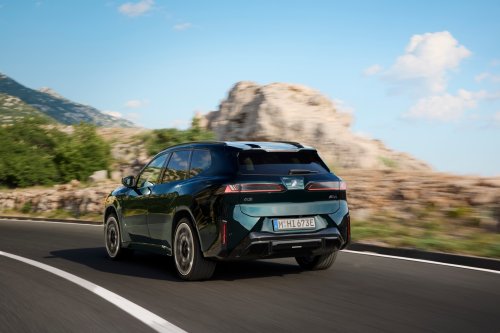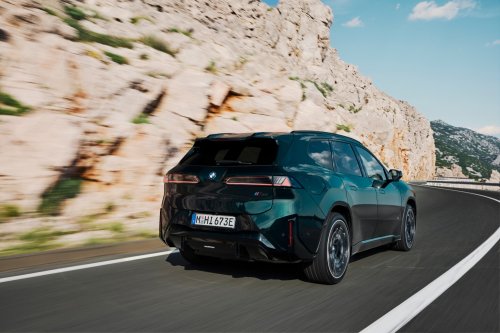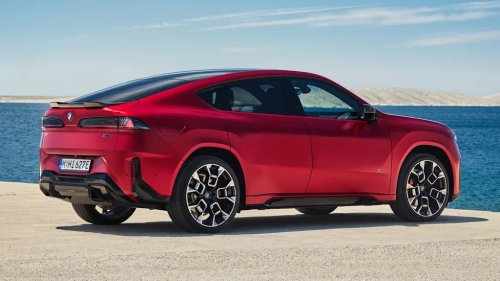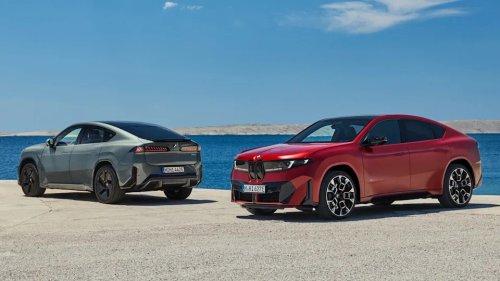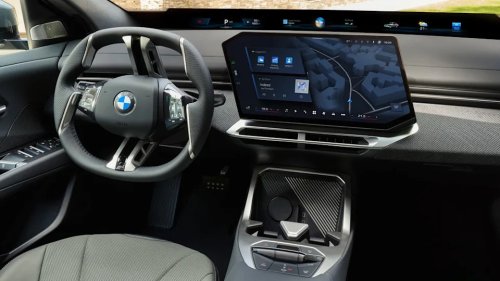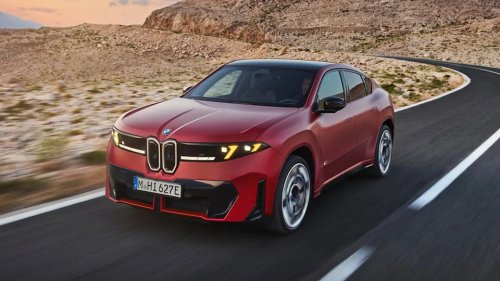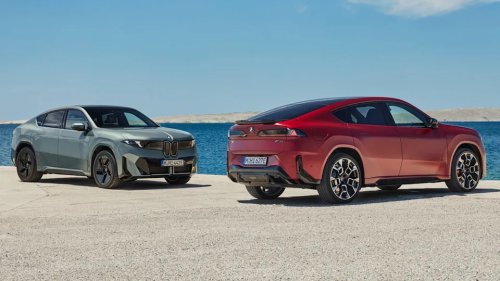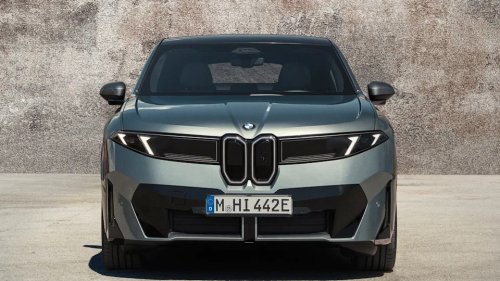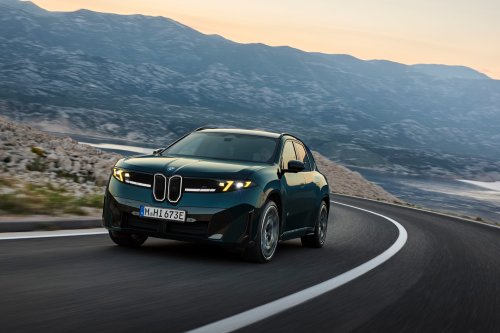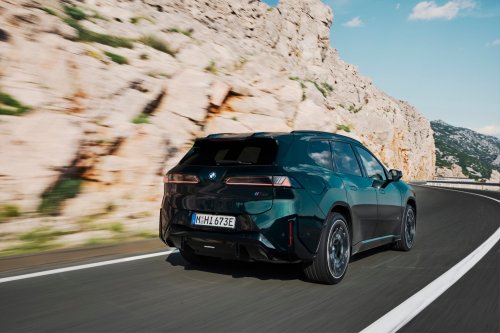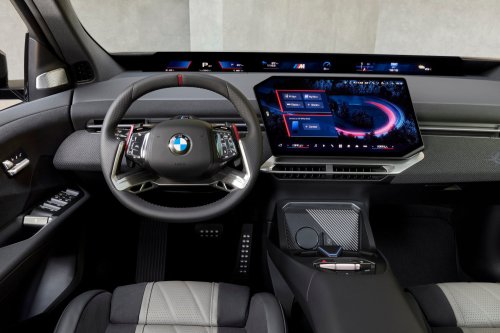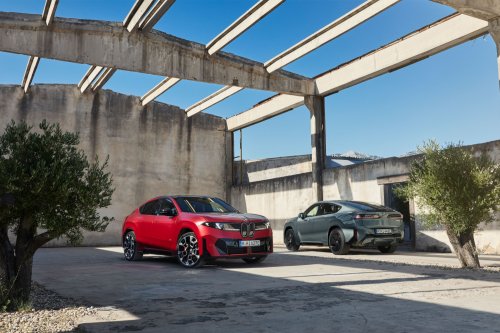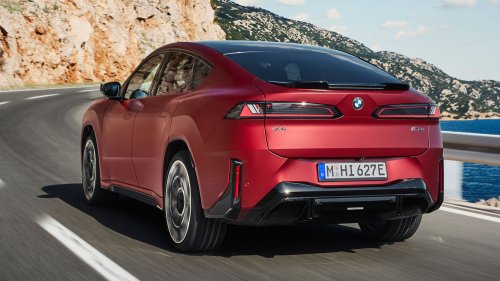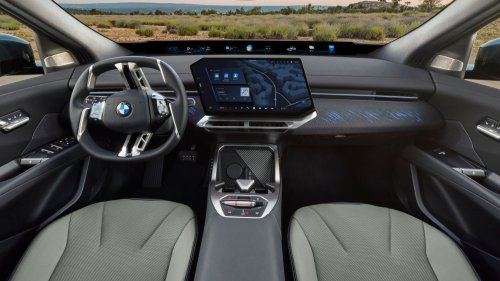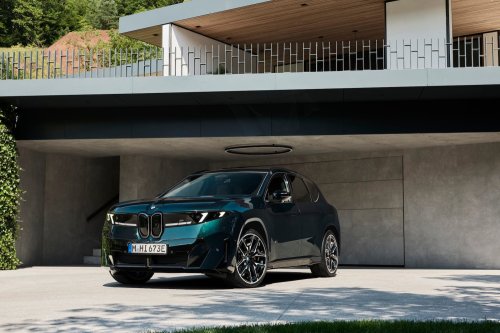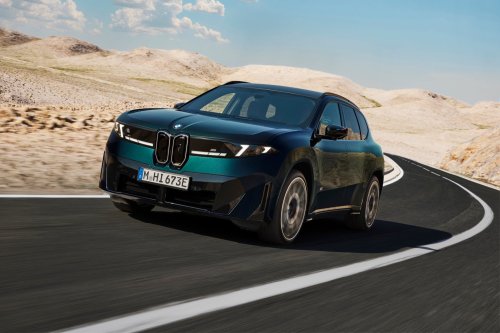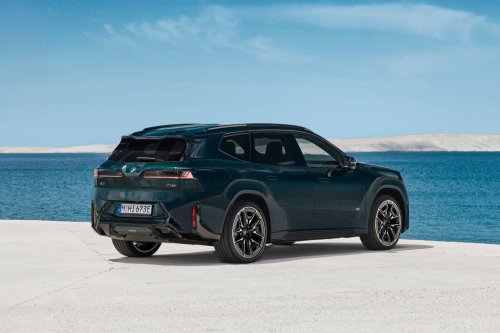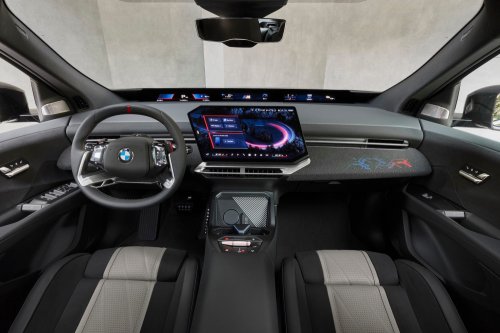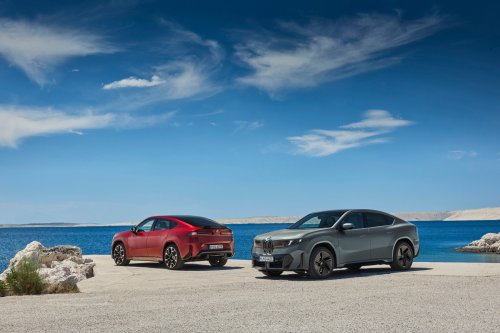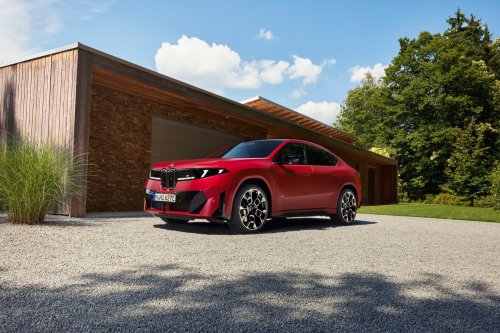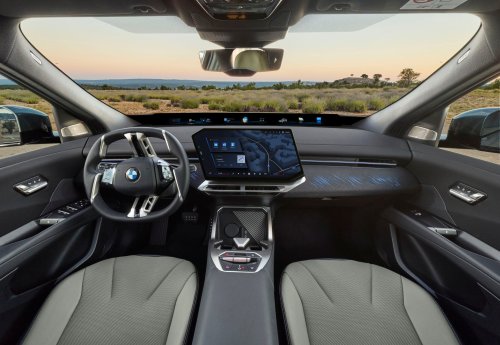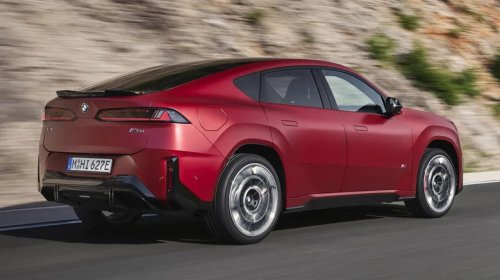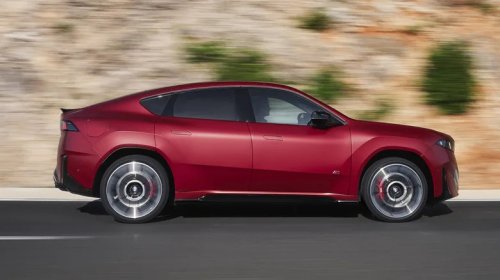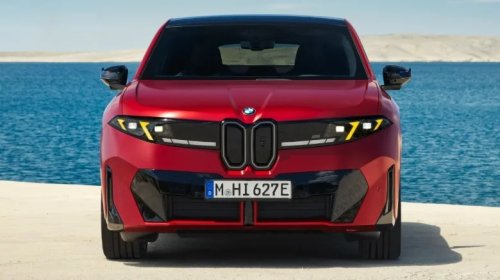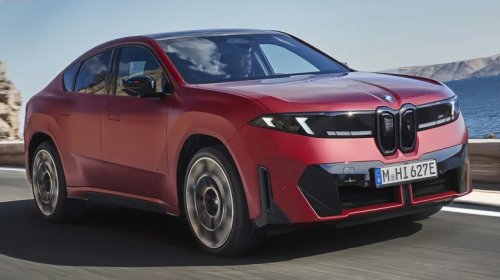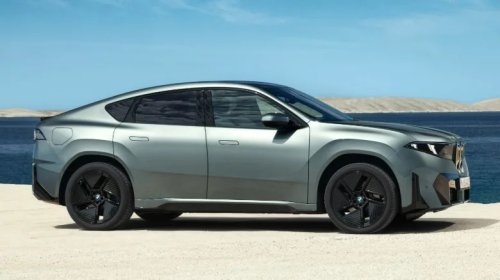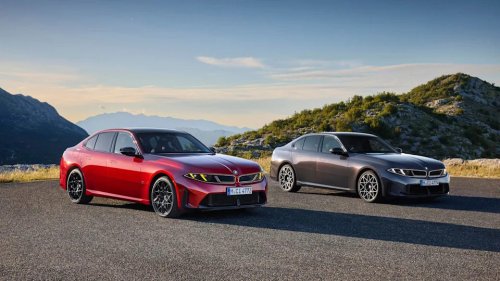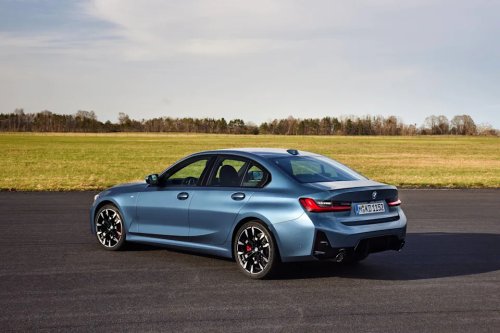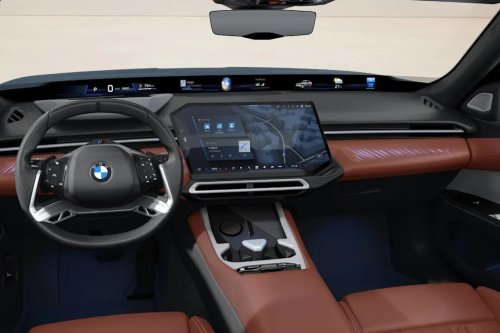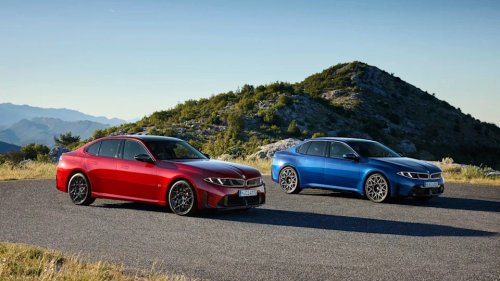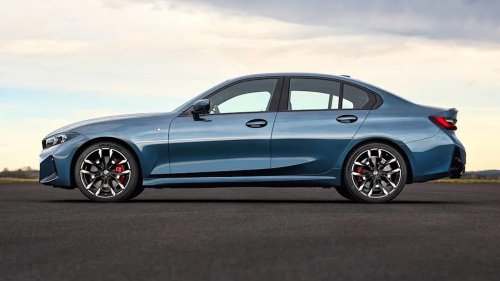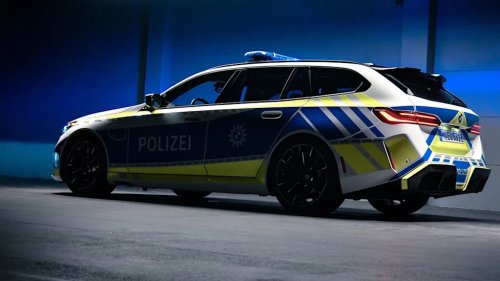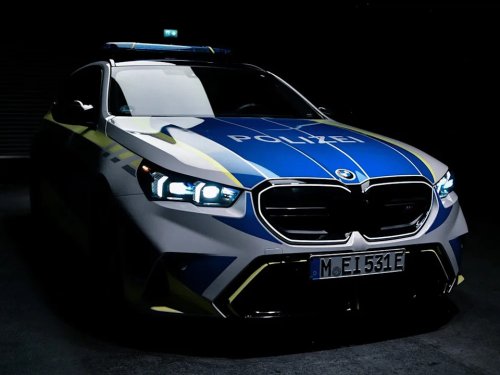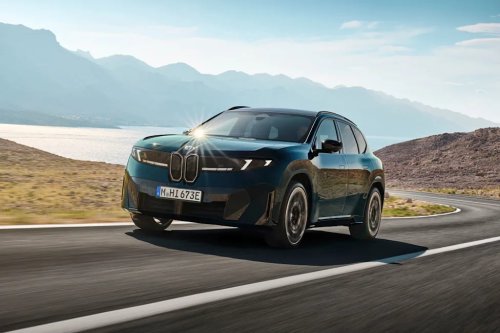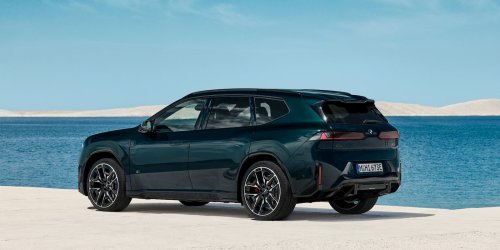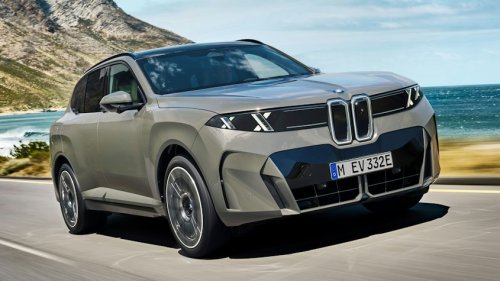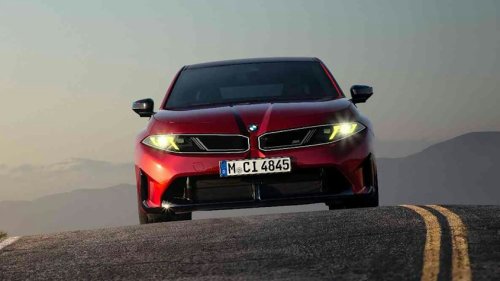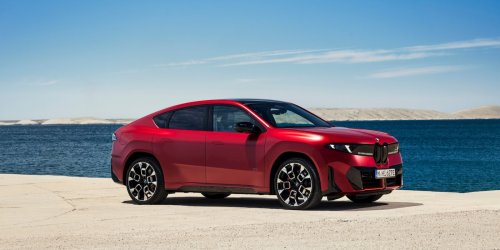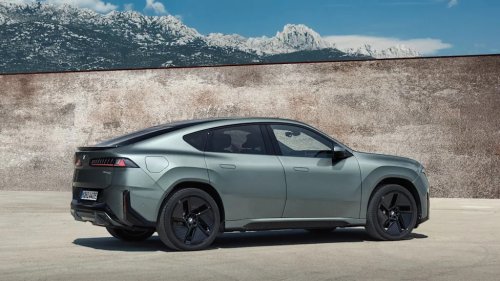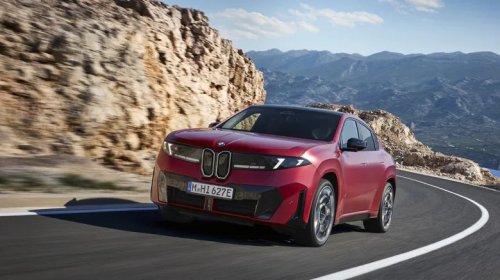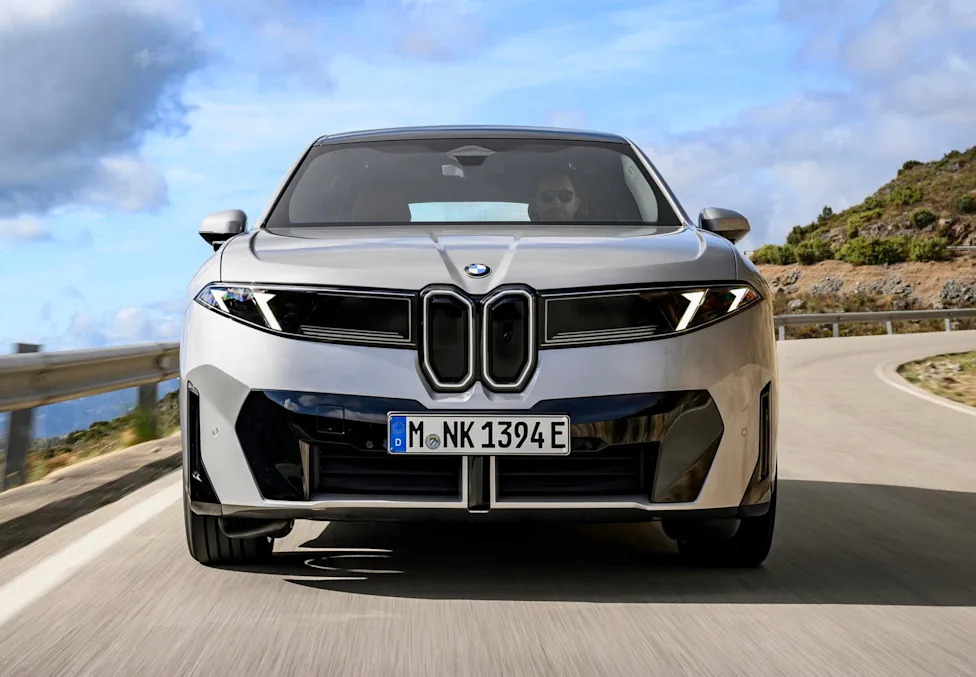
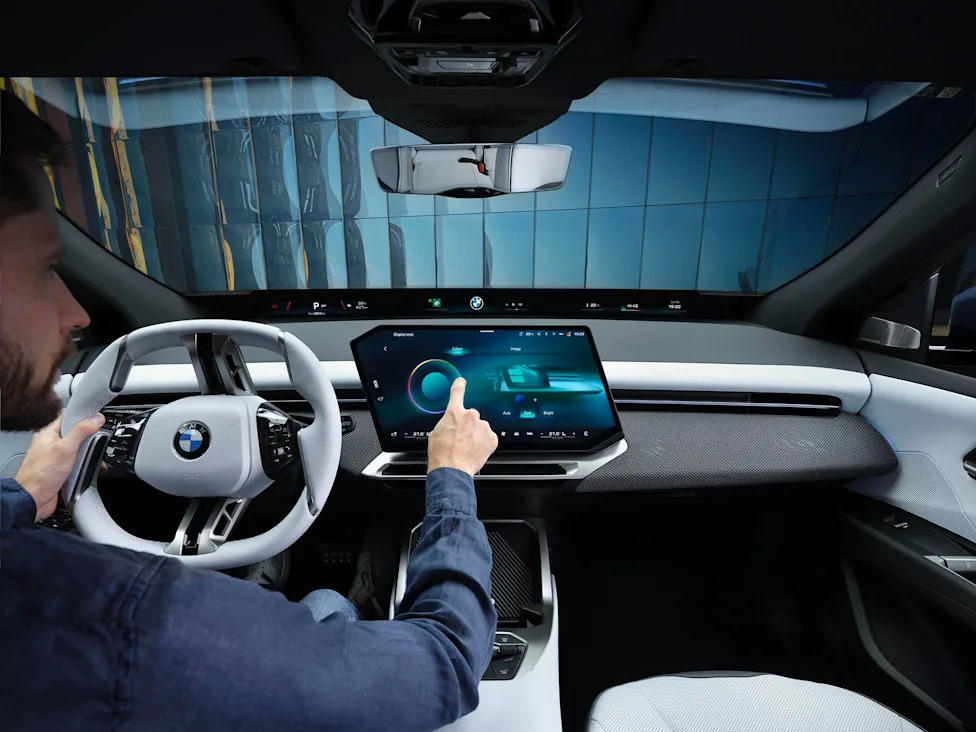



















Autoblog and Yahoo may earn commission from links in this article.This year, BMW has revealed several impressive new vehicles, from the iX3 crossover and its sedan sibling, the i3, to the new X5 and heavily revised 7 Series. These vehicles form part of the Neue Klasse group of next-generation Bimmers (though the X5 and 7er are still based on pre-Neue Klasse bones), and while their respective designs and capabilities are impressive, their safety systems are especially noteworthy. BMW is offering more active safety systems as standard than ever before, and the automaker claims they really do work. In fact, BMW claims that active steering and braking interventions helped prevent 243,977 potential collisions, and it's hoping to add to that figure with more tech.BMW's Active Safety Systems Aim To Intervene Without IrritationBMWMany of these active safety systems can be annoying because they cut in even when they're not needed, and BMW says it's worked to prevent this, with systems like the lane-keep assistant only providing warnings or steering interventions when there is an unintended lane departure or an imminent collision. If the driver activates the turn signal, actively turns the wheel, or looks over their shoulder (not necessarily all three are required), the car will not prevent a lane departure unless there is a risk of collision or if letting the lane departure happen would take the car off the road. In other words, the system is still keeping a close eye on the road, but it should be better at feeling natural and unintrusive. This helped the new iX3 achieve a five-star rating with Euro NCAP, despite more stringent testing for 2026.Other worthwhile safety enhancements include a new exit warning that now includes an active door opening delay, with the car's side radars used to monitor surroundings like approaching vehicles and bicycles, preventing the door from opening immediately if it would cause a collision. Another new upgrade is emergency steering intervention, which automatically steers the vehicle around an obstacle without leaving the lane, something BMW says is currently unique among competitors. The system can also shift a car within its own lane if it detects another car getting dangerously close. On the Panoramic Vision display, BMW also adds recognized traffic signs like stop lights, yield signs, stop signs, no-entry signs, and crosswalk warnings, while an attentiveness assistant can detect if the driver is having a medical emergency and safely bring the car to a stop, activating the hazard lights and calling emergency services unless the driver overrides the system.Smarter Parking And Maneuvering In BMW's Neue KlasseBMWWhen it comes to parking, new cars are getting smarter than ever, and the latest crop of Bimmers illustrates this. Along with active park distance control, which brakes before hitting obstacles, new BMWs have emergency braking for cross-traffic, helping avoid collisions that a driver's sight alone may not have prevented. And because new cars are so rapid off the line, BMW has baked extra safety into the accelerator pedal in an effort to prevent crashes caused by confusing the brake and gas pedals; if the system detects an obstacle less than one meter/39.3 inches away at speeds of up to 2 km/h (1.24 mph) along with "an unusually rapid and forceful depression of the accelerator pedal," the system intervenes, braking in a controlled manner until the car comes to a stop.AdvertisementAdvertisementAs cars get more powerful and drivers become more distracted, automakers have a moral obligation to include more advanced safety tech, and BMW is pioneering some of these measures. Hopefully, the keen, attentive driver will still be able to deactivate the nannies, but if not, at least they should be less intrusive.This story was originally published by Autoblog on Aug 29, 2026, where it first appeared in the News section. Add Autoblog as a Preferred Source by clicking here.