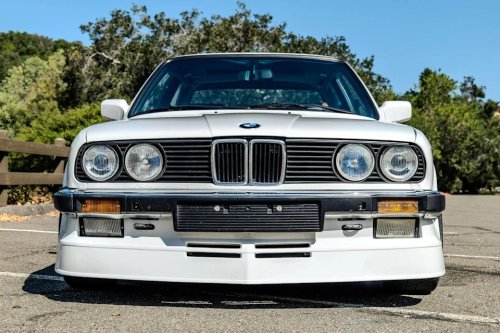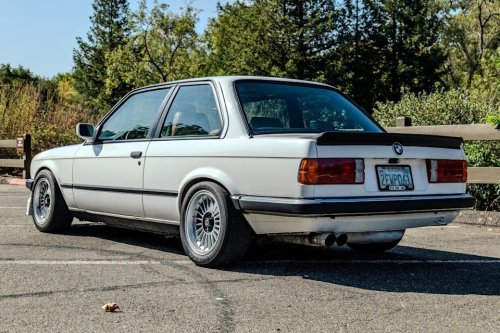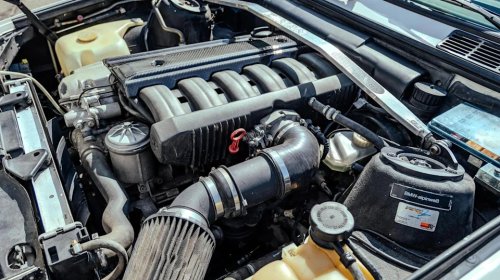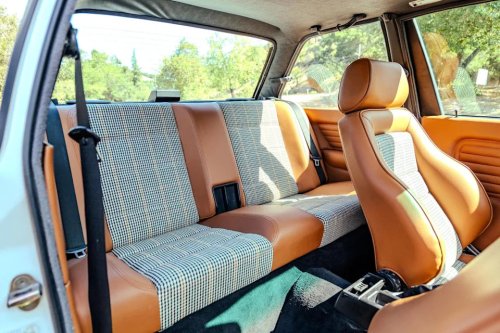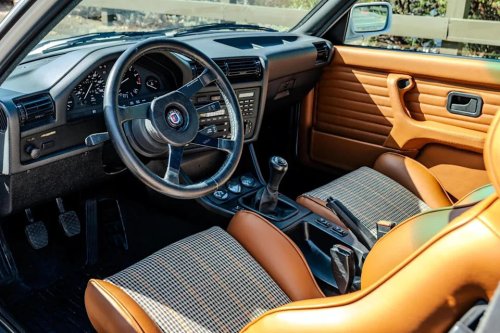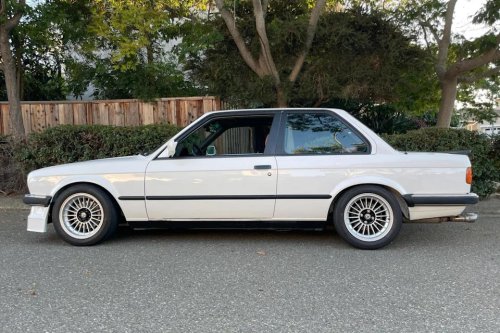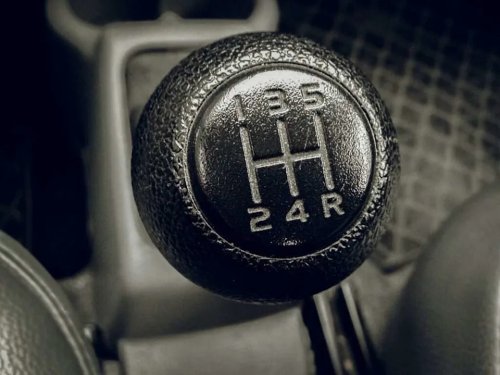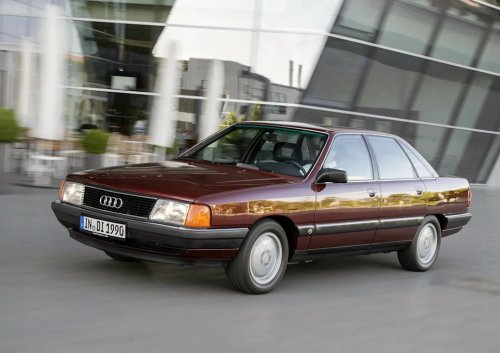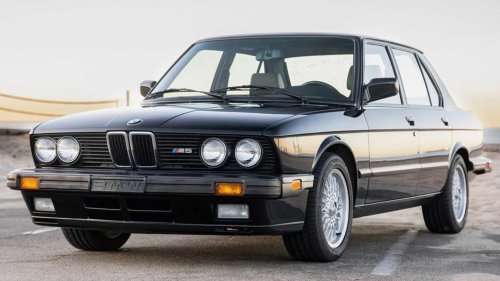
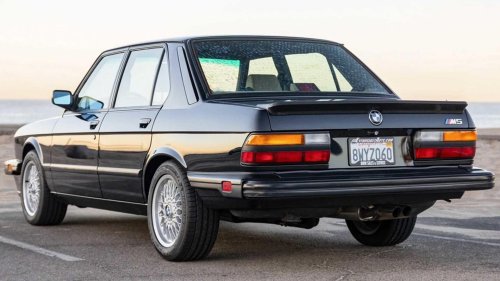
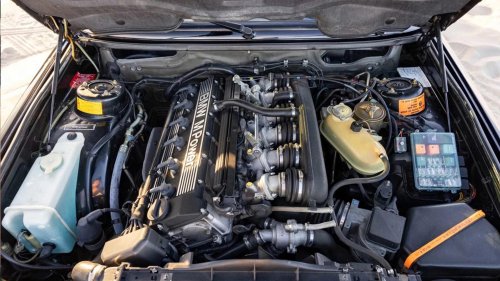
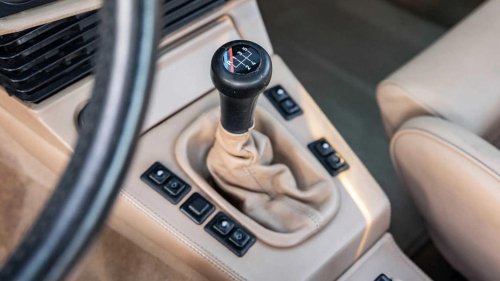
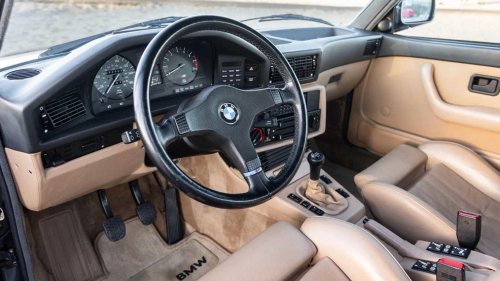



















In the 1970s and early 1980s, the automotive world divided sedans into two categories. On one side, you had large, comfortable luxury sedans like the Mercedes-Benz S-Class, designed to isolate the driver from the road for utmost comfort. On the other, there were sharper, more agile offerings from Alfa Romeo, Jaguar, or even American V8-powered muscle sedans. A car that genuinely delivered both performance and luxury in equal measure simply did not exist.This gap left a clear opportunity where buyers wanted one car that could do it all. They needed something that could devour miles on the autobahn at triple-digit speeds, carry four adults in comfort, and still feel engaging to drive on a mountain road. For the most part, the major manufacturers stuck to tradition. Mercedes prioritized comfort and durability, while Audi focused on engineering and all-weather capability. Jaguar leaned into its heritage with soft rides and smooth engines, albeit with questionable quality.Meanwhile, BMW quietly focused on driving dynamics. With its “Ultimate Driving Machine” slogan, the company started engineering sedans that felt lighter, sharper, and more involving than anything else on the market. But behind the scenes, BMW had bigger plans. It was developing a car that would not only bridge the gap between performance and luxury but also define a new category altogether. A luxury sports sedan that would influence every major automaker for decades to come. The 1984 BMW E28 M5 Was The First Modern Luxury Sports Sedan Via: Bring a TrailerIn 1984, BMW introduced the E28 M5, a model that quietly reshaped the luxury sedan landscape. It was the first production sedan to combine a motorsport-derived engine with executive-class refinement, effectively pioneering the luxury sports sedan. Built by BMW Motorsport and initially hand-assembled in Germany, the E28 M5 proved that a four-door car could deliver high performance without compromising comfort or everyday usability.At the heart of the M5 sat the M88/3 engine – a 3.5-liter inline-six borrowed from the BMW M1 supercar. It sent 282 hp and 251 lb-ft of torque to the rear wheels through a 5-speed manual transmission. With a curb weight of around 3,200 pounds, the E28 M5 accelerated from 0 to 60 mph in 6.1 seconds, which was faster than many coupes and sports cars of its time. The E28 M5 Was Unlike Any Of Its Contemporaries Via: Bring a Trailer What set the E28 M5 apart was its subtle design. Unlike rivals, it didn’t rely on aggressive bodywork or flashy trim. It looked nearly identical to a standard 5 Series, making it an ideal sleeper for the executive who valued driving engagement. Inside, it offered leather upholstery, advanced electronics for the time, and a ride comfortable enough for cross-country trips.Contemporary alternatives like the Mercedes-Benz W126 S-Class delivered excellent luxury but lacked performance credibility. The Audi 100 prioritized innovation over driving dynamics, while the Jaguar XJ provided style and comfort but struggled with reliability and chassis feel.BMW’s E28 M5 successfully blended the strengths of a GT car, a sports sedan, and a luxury vehicle into one cohesive package. That formula didn’t exist before 1984, and it’s the reason why nearly every performance-oriented luxury sedan today traces its roots back to this groundbreaking model. The E28 M5 Packed A Race-Bred Heart With The M88/3 Inline-6 Via: Bring a Trailer At the core of the 1984 BMW E28 M5 was the M88/3 engine, a 3.5-liter inline-6 originally developed for the BMW M1 supercar. This high-revving, naturally aspirated engine delivered 282 hp and 251 lb-ft of torque, making the M5 the most powerful sedan in the world at the time. It came paired exclusively with a 5-speed manual transmission and sent power to the rear wheels through a standard limited-slip differential.Its lightweight nature allowed the E28 M5 to sprint from 0 to 60 mph in 6.1 seconds. That performance benchmark placed it in the same league as European exotics like the Porsche 911 SC and Ferrari Mondial. In a 1987 comparison, Car and Driver noted the U.S.-spec M5’s performance figures matched or exceeded many two-door sports cars despite offering seating for five and a full-sized trunk.Via: Bring a Trailer The M88/3 used individual throttle bodies, forged internals, and a high redline, giving it a smooth, linear power delivery that encouraged spirited driving. The chassis featured MacPherson struts up front, semi-trailing arms in the rear, and thicker anti-roll bars. Combined with quick, communicative steering and well-balanced weight distribution, the first-gen M5 delivered precise handling without sacrificing comfort.The result was a car that could handle track days on the weekend and the daily commute on Monday. While most luxury sedans of the era prioritized comfort over speed, and sports cars sacrificed practicality, the E28 M5 delivered both. Road & Track praised its agility and composure, calling it “the closest thing to a four-door sports car we’ve ever driven.”With understated looks and motorsport-level engineering, the E28 M5 quietly outperformed many of its more expensive and less versatile contemporaries. It proved that practicality and performance could coexist, all the while setting the standard for generations of performance sedans to follow. The First-Gen BMW M5 Offers '80s Luxury For $47,000 Today Via: Bring a Trailer While the 1984 BMW E28 M5 earned attention for its engine, its design and interior told a different story. BMW chose not to give the M5 aggressive bodywork or bold graphics. Instead, the car featured subtle upgrades: slightly larger front and rear spoilers, discreet “M” badging, and unique 16-inch BBS wheels. To the untrained eye, it looked like a well-kept 5 Series, which was exactly the point.Inside, the early European M5s were hand-built, with a focus on tactile quality. The cabin included leather-wrapped seats, door panels, and steering wheel, while the dashboard featured an integrated onboard computer, which was a rarity in 1984. Power windows, power seats, central locking, and climate control were standard. Optional extras included a sunroof and headlight washers, reinforcing the idea that the M5 was a premium product tailored for long-distance comfort and convenience.Via: Bring a Trailer BMW redefined luxury not by isolating the driver, but by refining the experience behind the wheel. The M5 delivered a blend of ride quality, build precision, and performance that few manufacturers could match. Luxury became less about excess and more about balance, precision, and driving enjoyment.Over time, the E28 M5 built a strong following among collectors and enthusiasts. Known as the “godfather” of performance sedans, it earned its place in car culture through capability and understatement. Today, that legacy drives real market value. According to Classic.com, the average price for a clean E28 M5 is $47,274. Well-maintained, low-mileage examples routinely sell for $70,000 to $100,000 at auction. As younger collectors seek analog driving experiences with real pedigree, the E28 M5 continues to appreciate. It offers a rare combination: motorsport engineering, handcrafted luxury, and timeless design in a package that still fits into daily life.