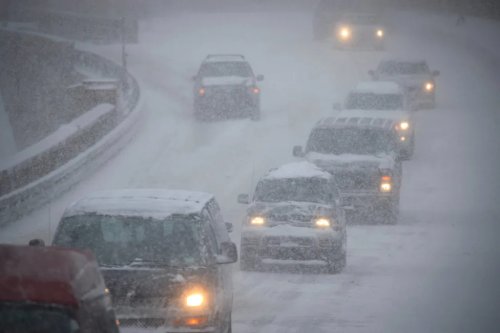
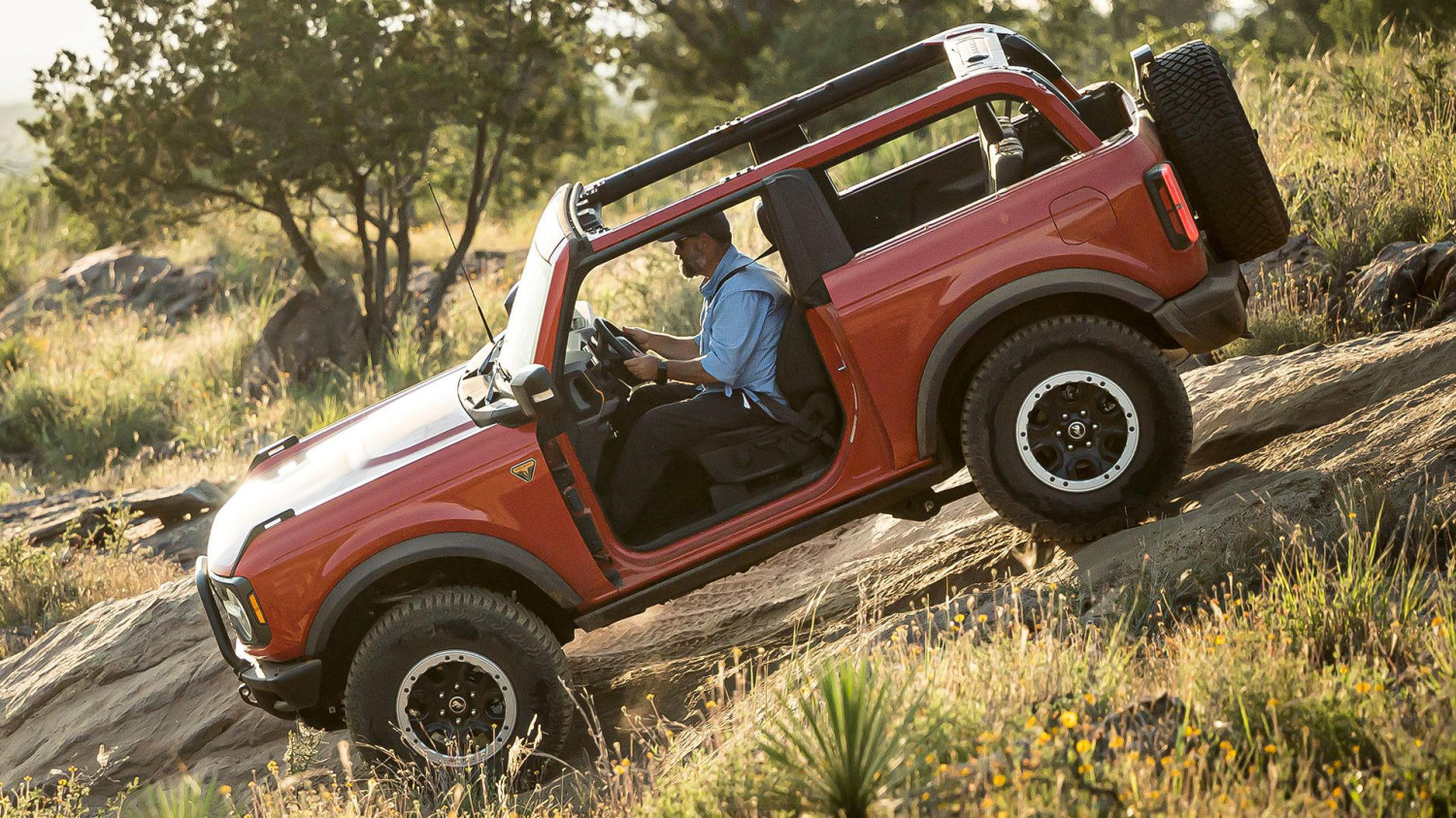
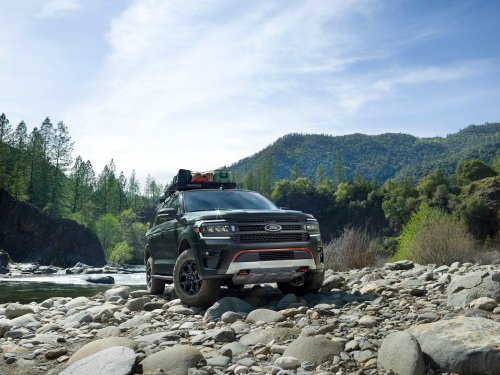
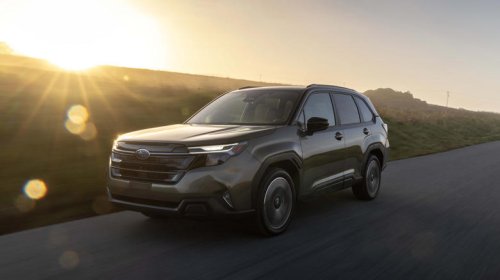
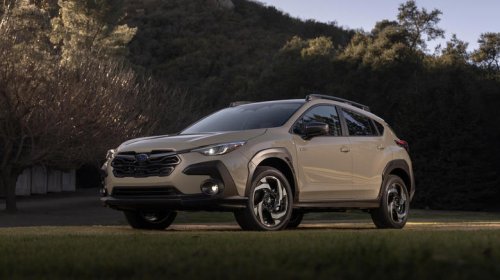
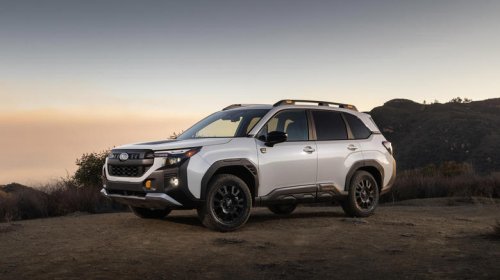
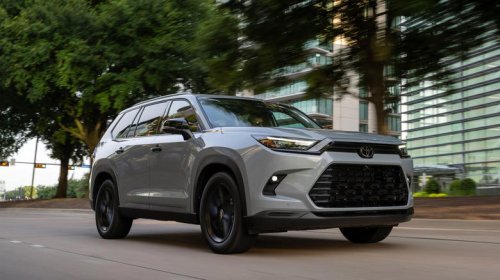
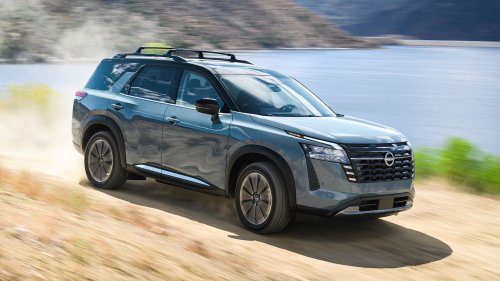
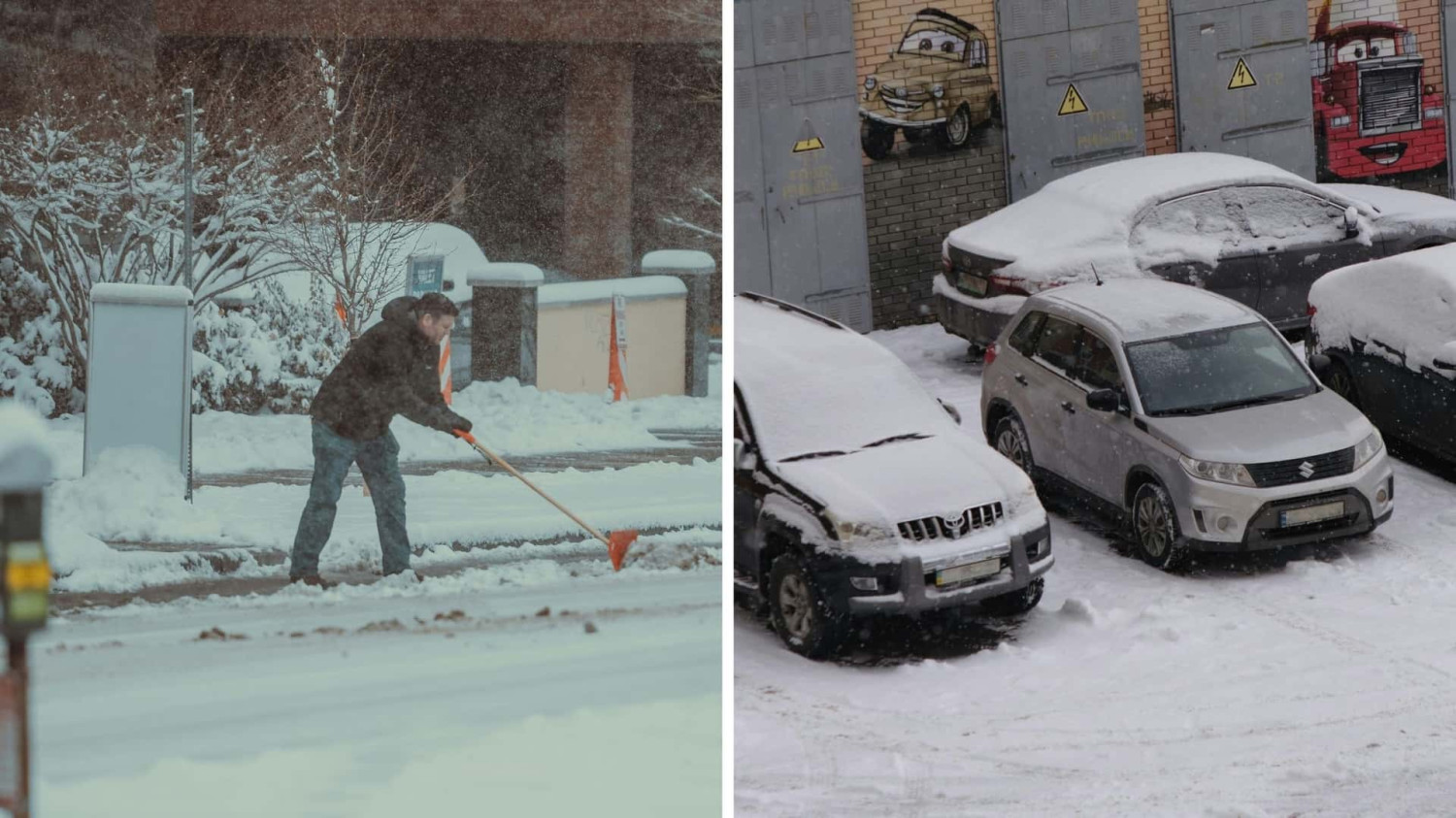
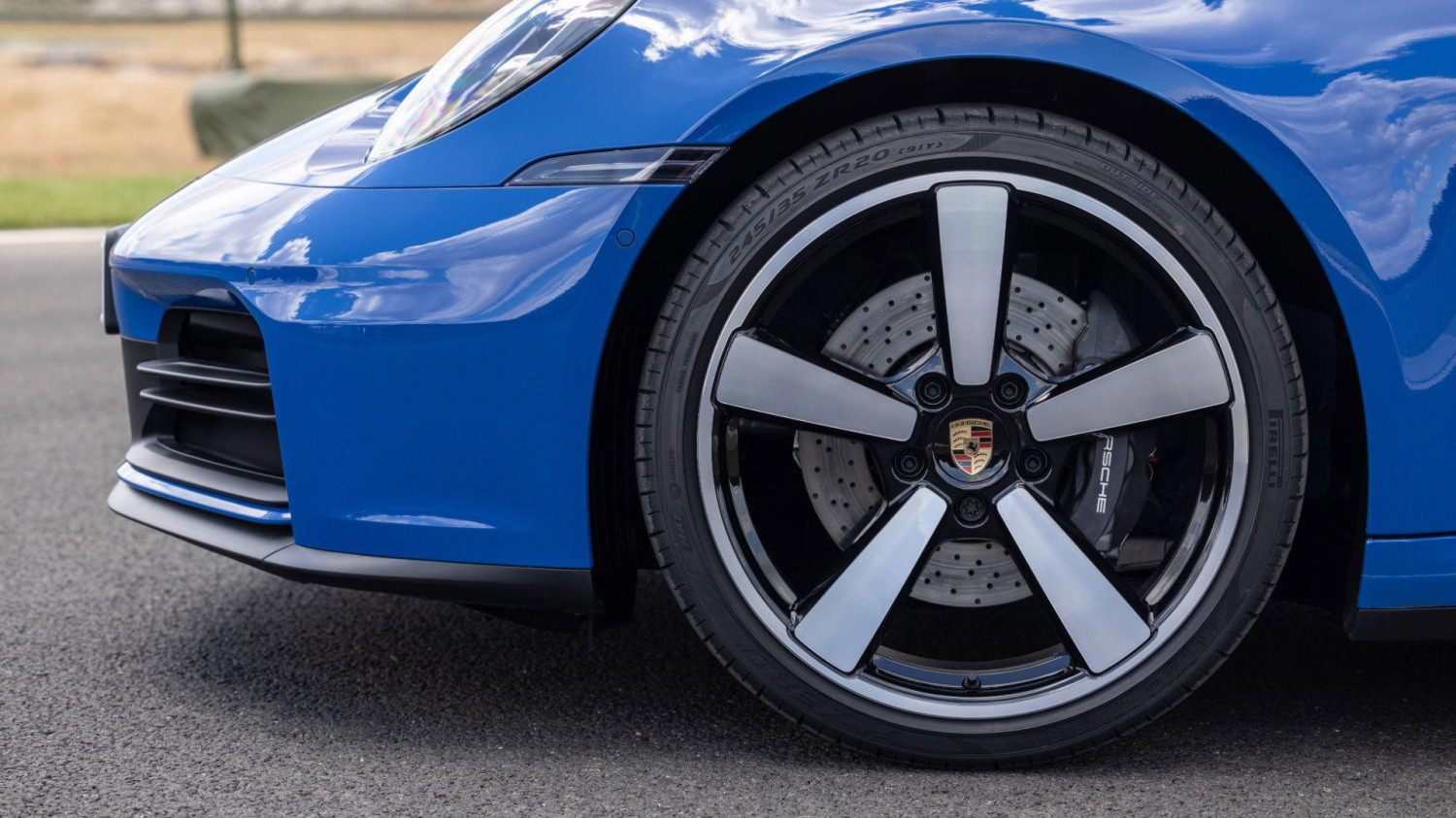
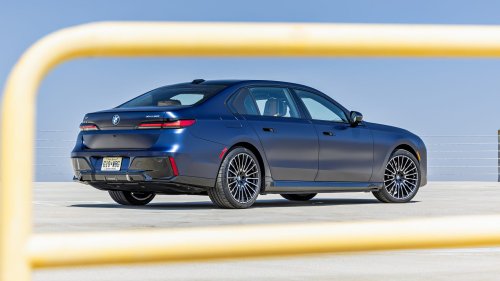
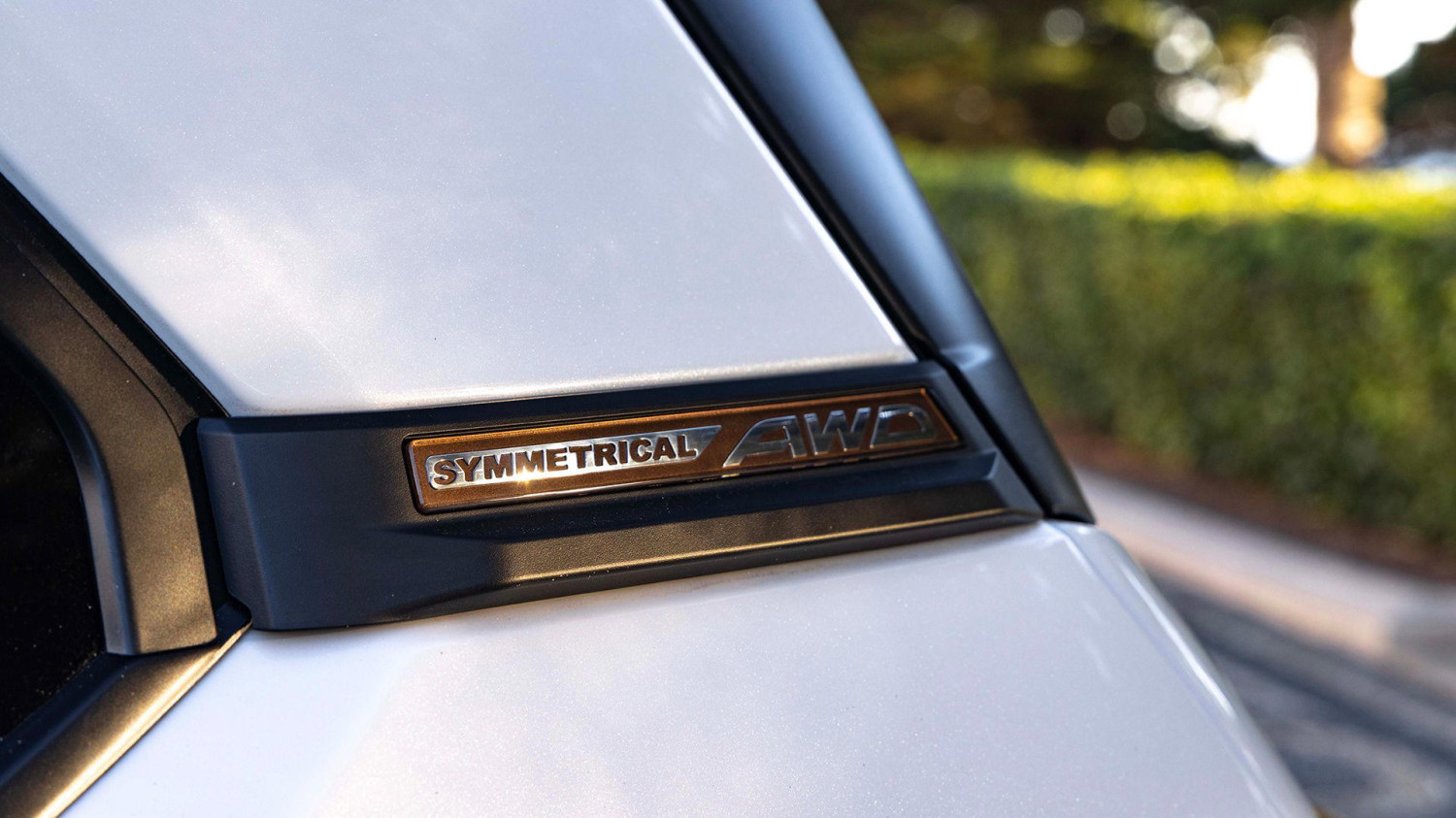
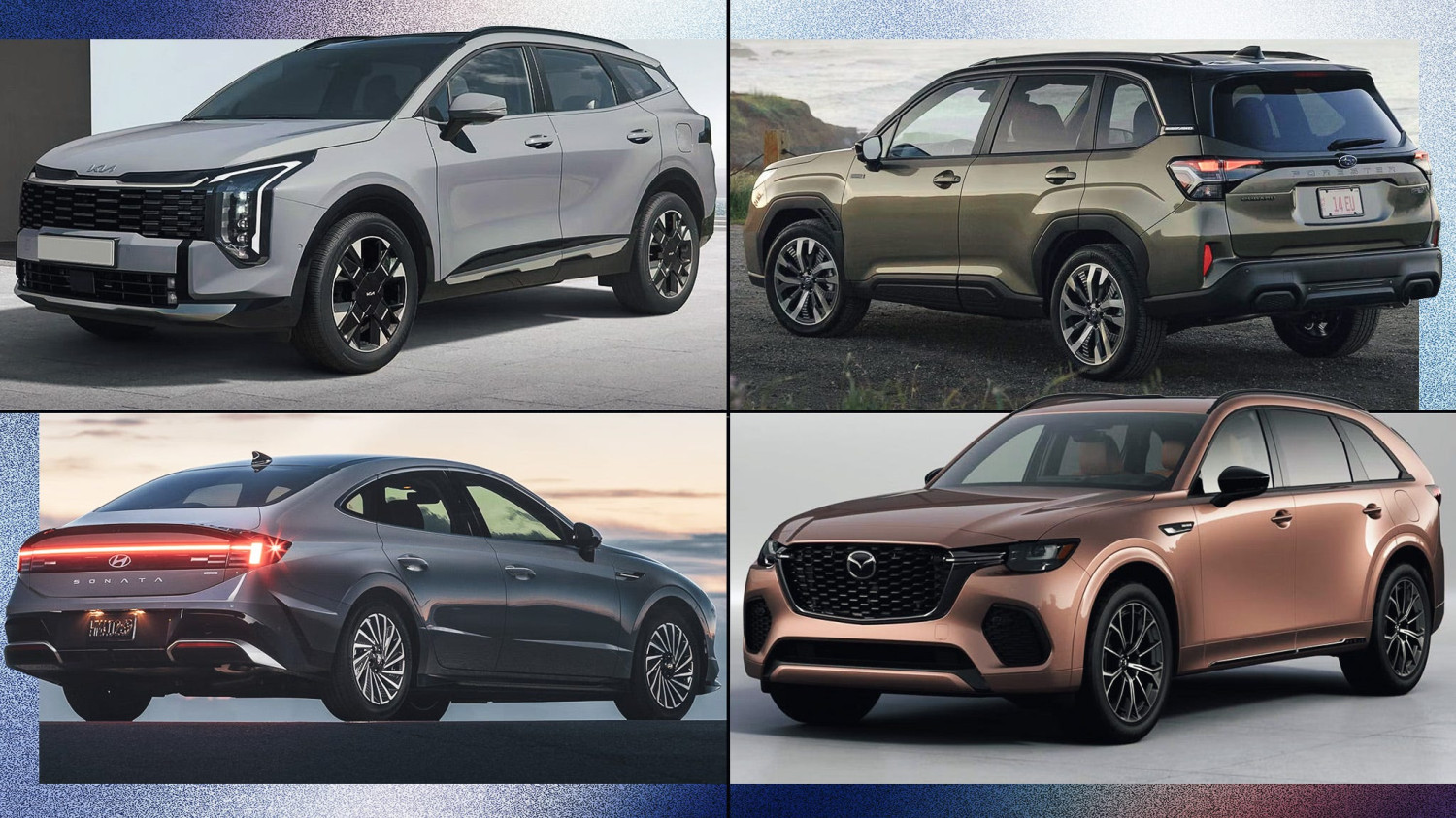
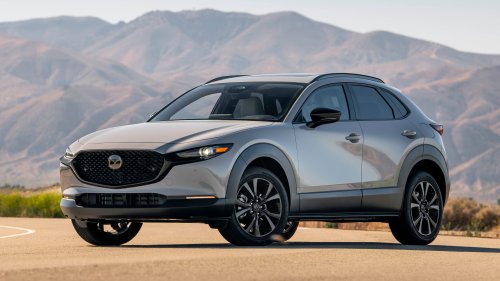
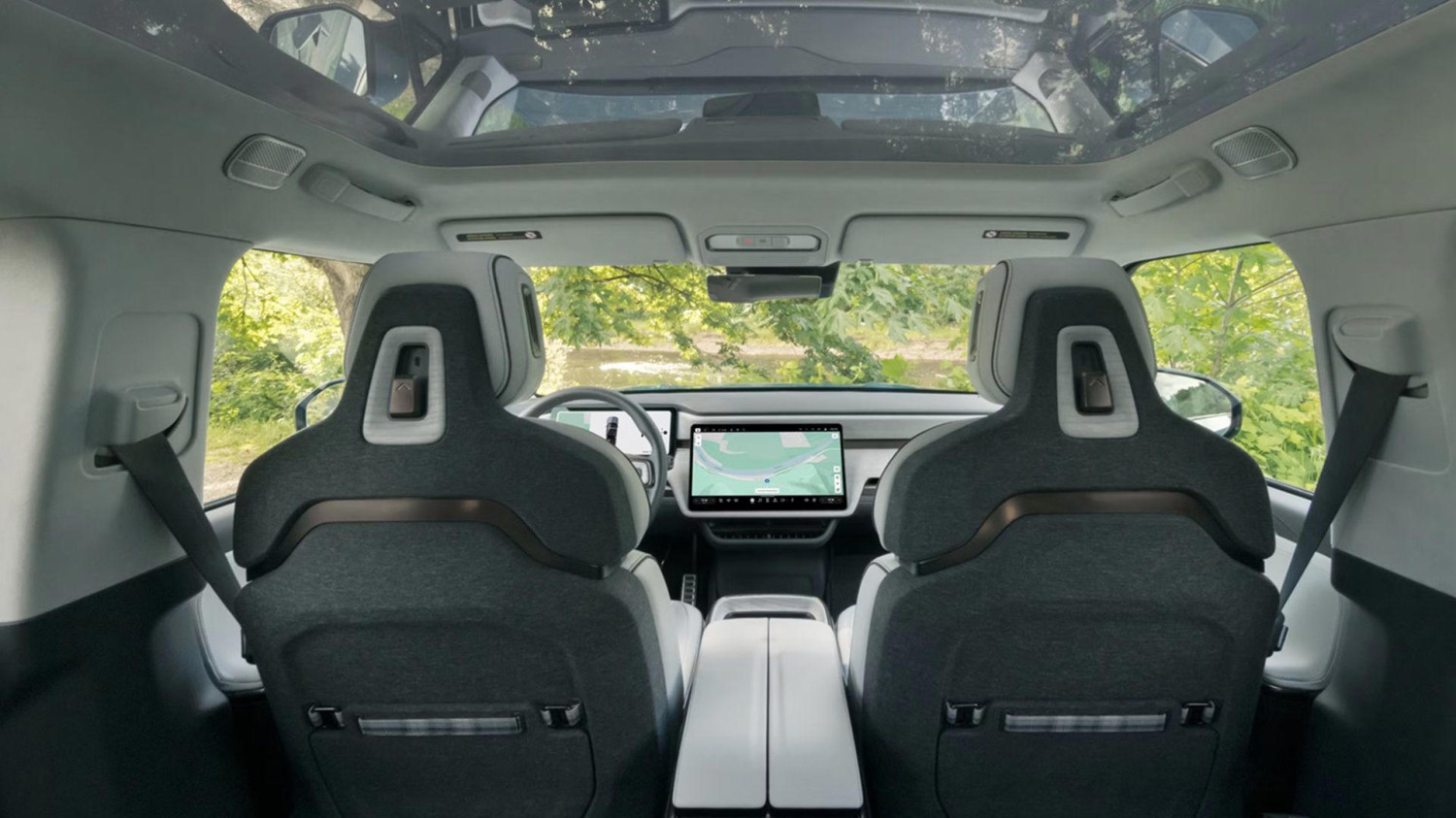
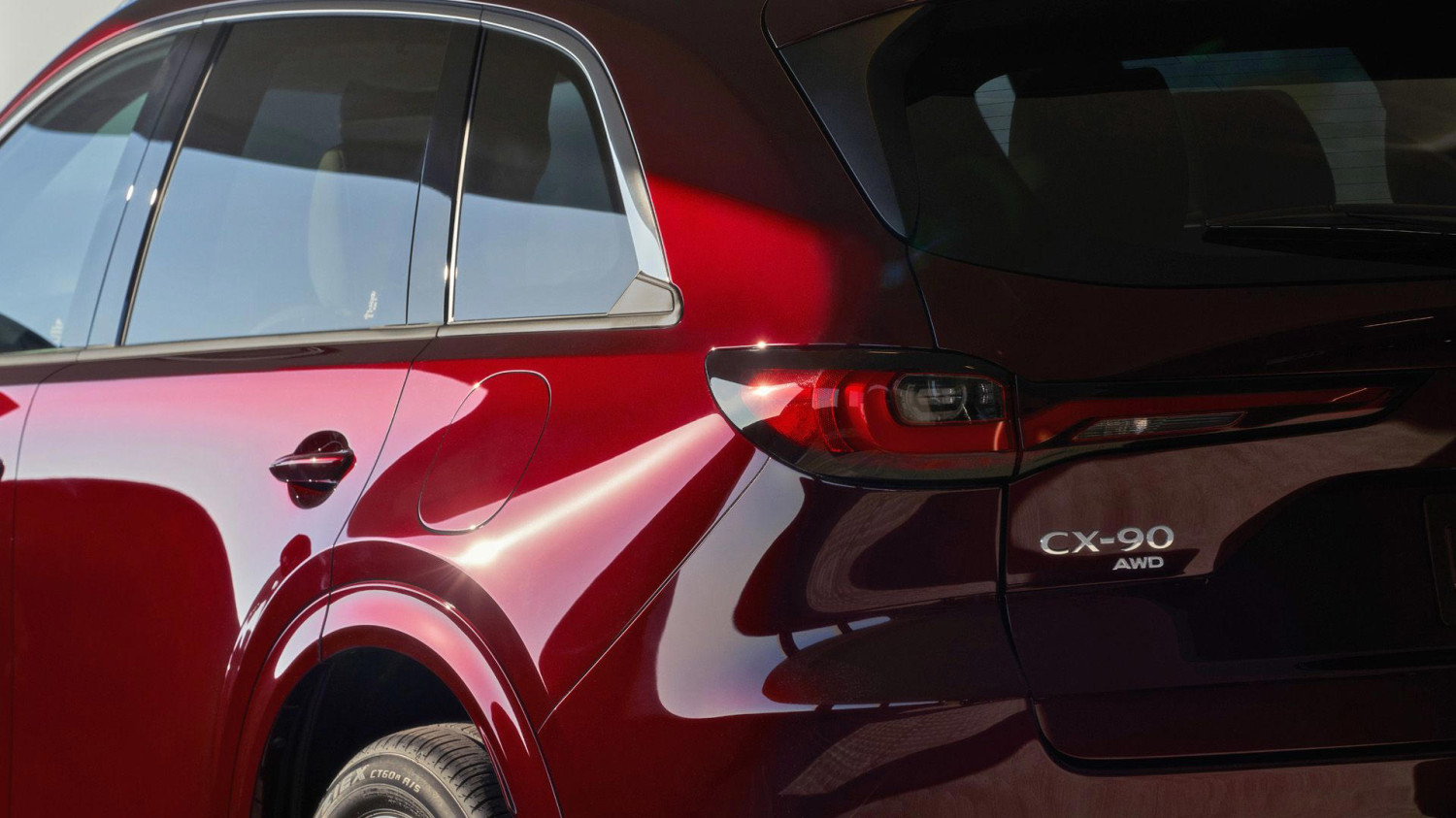
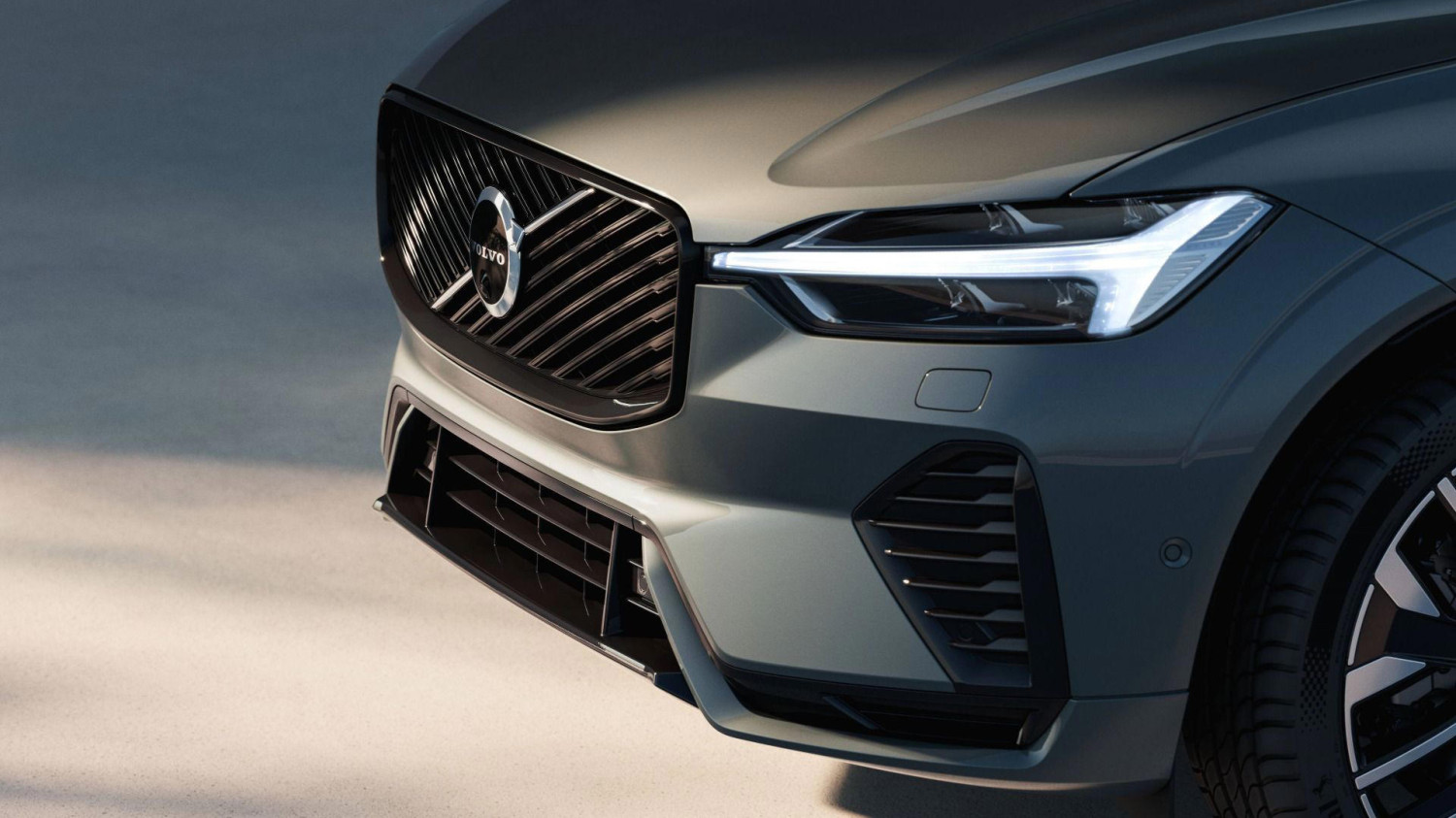
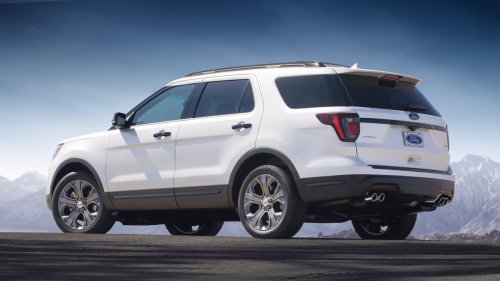
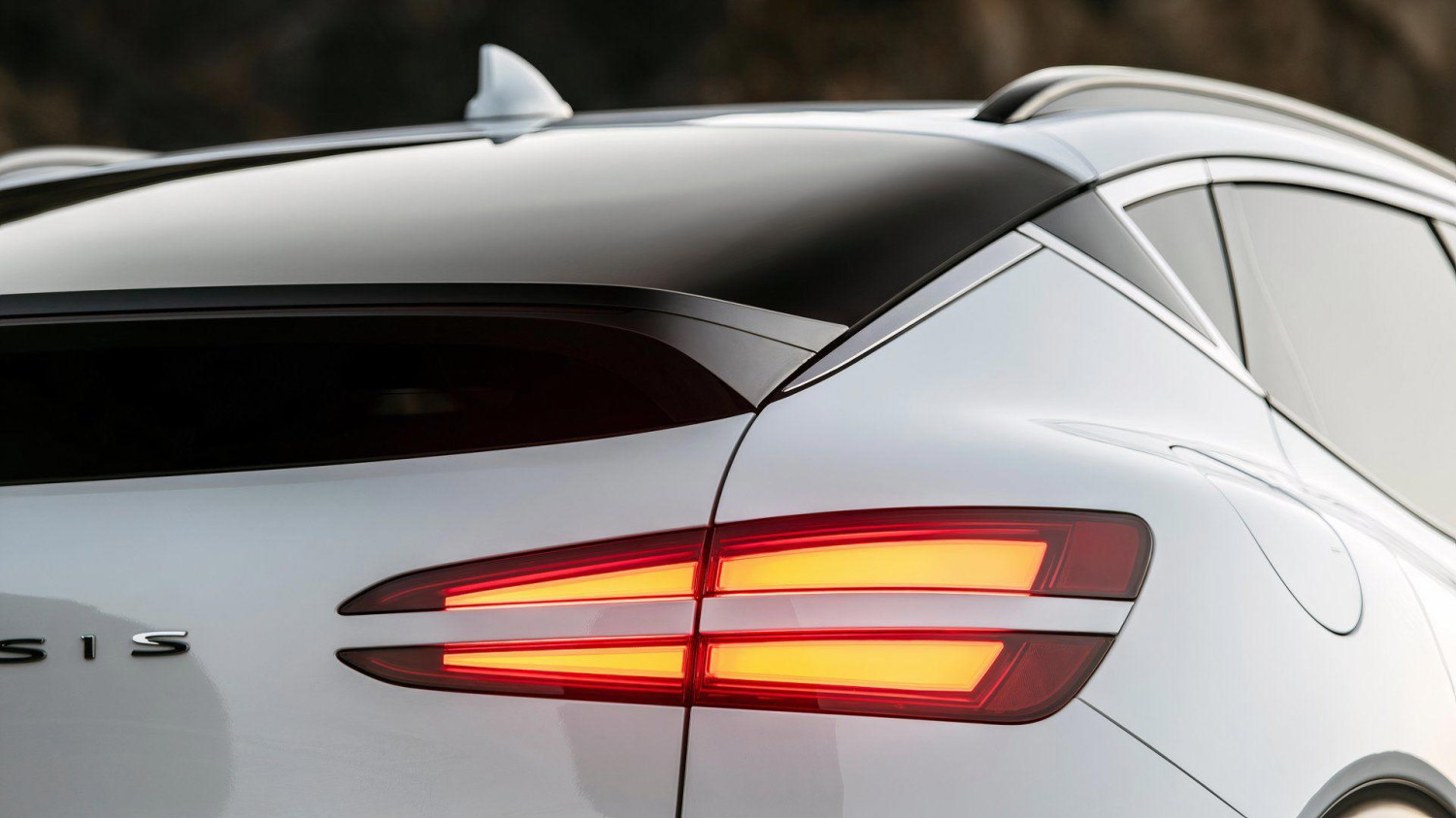
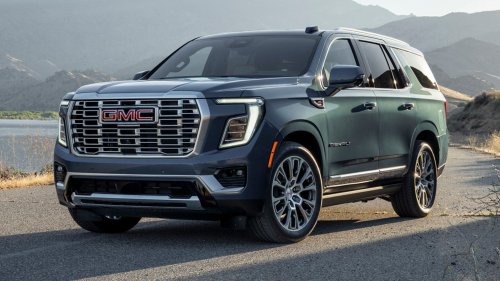
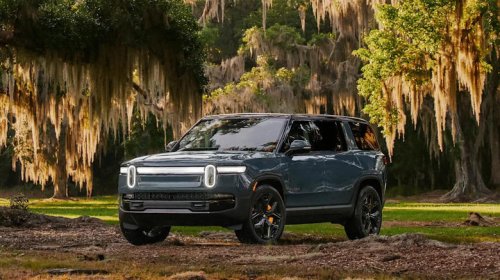
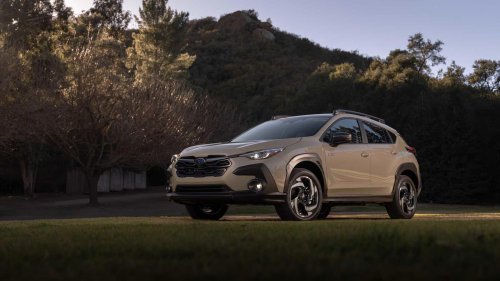
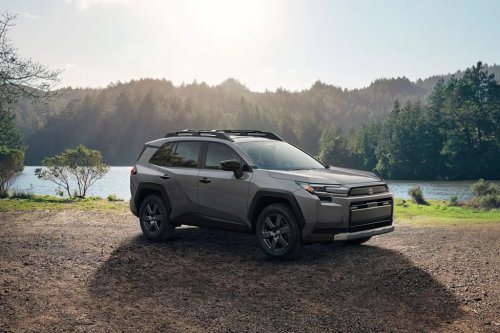
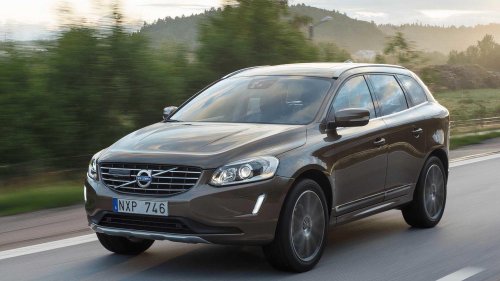
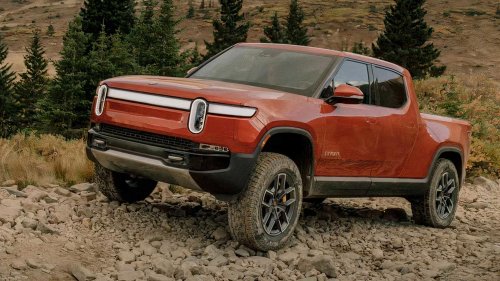
Best SUVs for Snow | 2026 Ratings | CarBuzzIf you live in an area where the weather can be extreme, you'll be searching for an SUV with features built to keep you safe and moving. Snowy conditions require extra grip, so all-wheel-drive or four-wheel-drive is preferred, and several models include options like engine block heaters or emergency equipment to make sure you're prepared for the worst. Many SUVs also now feature special driving modes to make the transition from dry to snow easier.This is contains the best SUVs for snow in 2026.Vehicles are assigned a BuzzScore in relation to their direct segment competitors, and as such, vehicles in this list, while similarly scored, do not necessarily compete directly against one another. Find out more about how the BuzzScore ratings work here. These lists are continuously updated with the latest BuzzScores and vehicles as they become available. Rivian R1S Rivian has positioned itself as an adventure company, and its vehicles, like the R1S, certainly fit the bill. Electric vehicles are great for snow as they can modulate the amount of power going to each wheel quicker than the equivalent gas car, and there are standard all-season tires on this SUV. It also has an air compressor built in for letting air in and out when you're off-roading, and every trim comes standard with a snow mode. Standard, it comes with 270 miles of range, but we'd go for a longer-range version as electric car batteries lose range in extreme weather. Volvo XC40 If you've ever been to Sweden, you'll know why the Swedes are good at making snow-ready SUVs. The Volvo XC40 one of the best small SUVs for snow driving, but we'd make sure to get the top-spec trim as it is the only one with all-wheel-drive, a must for slippery conditions. If the worst happens when you're driving on snow, you'll have peace of mind thanks to Volvo's legendary safety record, which continues with the XC40, featuring whiplash protection, an inflatable curtain and a spare wheel if needed. Chevrolet Blazer The Chevrolet Blazer is a good SUV for snow at its price point. AWD is an option that gives you a special snow/ice driving model, and you can even opt for an engine block heater to alleviate the strain on the engine in the cold. It's also only a $100 option, something we'd be checking off when building the best SUV for snow. When you load up the cargo in the snow or rain, you should also choose the all-weather floor and cargo liner to protect the car's materials. Land Rover Range Rover As the original luxury SUV, the Range Rover has built up a legendary reputation for its off-roading ability. There's air suspension even on the base SE model, as well as Terrain Response, which can automatically monitor current driving conditions and set the right mode for the moment. While it's already capable, we'd also choose the cold weather package for the heated windshield and washer jets, and the advanced off-road option for its electronic differential to manage torque even better. Chevrolet Tahoe The Chevrolet Tahoe is a three-row SUV that's ready for snow when equipped with 4WD. Its single-speed transfer case can be manually locked to power all its wheels, but it can also prioritize 2WD for efficiency when needed. Like the cheaper Blazer SUV, we'd spec the Tahoe with all-weather floor and cargo liners, as well as the engine block heater. If you regularly need lots of range when traversing snowy conditions, this is one of the few SUVs you can still spec a diesel engine into. Mazda CX-50 The Mazda CX-50 comes standard with all-wheel-drive, which we'd say is the bare minimum for making sure your car can cope with snowy weather, especially when there are drive modes for snow included. You'll have a great time on the options list to make this the best midsize SUV for snow, with choices like ski/snowboard carriers, first aid kits and all-weather protection for the interior. If you regularly go hiking or camping in cold areas of the US, you can even choose from tents, awnings and outdoor adventure kits. Chevrolet Suburban Everything we said about the Tahoe applies to the Chevrolet Suburban, as the main difference between these two cars is the size. The Suburban is a full-size SUV that you can confidently take down a slippery road, with 4WD, a diesel engine, and an engine block heater available. If you select the diesel engine, there's even a 728-mile range attached to it, making it a capable road trip choice in cold areas of the country. That also works well with Chevy SuperCruise, whcih takes some of the edge off on a long highway drive. Subaru Forester We all know that Subaru makes the best SUV for snow and ice driving, thanks to not only its legendary all-wheel-drive system, but also the ruggedness of the interior. Those who will be wading through lots of snow will want the Forester Wilderness edition, which raises the suspension, adds all-terrain tires and upholstery that can stand up to the elements or simply family life. It's also one of the most reliable SUVs around, which is what you want when you're traversing snowy areas."Despite not being on aggressive all-terrain tires, it was some of the most fuss-free tackling of that sort of ground we've experienced outside of an off-road package equipped truck with knobbly tires. The Subaru Forester is genuinely impressive in seriously slippery conditions."- Ian Wright, Senior Road Tester, CarBuzz Ford Explorer The clue is in the name: The Ford Explorer is a capable off-roader that can be fun on the road but also traverse difficult conditions. The best trim for those living in snowy conditions would be the Tremor variant, as it comes with underbody protection for the ruts you may hit, off-road tuned suspension and increased ride height. It also has heated front and rear seats and auxiliary lights at the front to make dark winter nights easier. Toyota Sequoia The biggest Toyota SUV, the Sequoia, is just as capable as it is big. The TRD Pro is the one you want for a good SUV for snow, as it fits all-terrain tires, increases the ride height, and fits a two-speed 4WD system. This is also an SUV with snow modes to make sure you're always moving ahead when it gets tricky, and, like other SUVs on this list, the Sequoia has more options than we can count for off-road enthusiasts. That includes emergency kits, floor mats, and skid plates. Characteristics Of SUVs For Snow While many drivers will attempt to brave the snow no matter what car they drive, there is no denying that certain types of cars are better at getting the job done than others. Being big certainly helps, which is why pickup trucks and SUVs have a natural advantage, but there is more to it than that. Here are the qualities that set the best SUVs for winter snow and ice apart from their more urban siblings: Drivetrain: The best way to counteract slippery roads is with oodles of traction. Putting power down through every wheel ensures that even if one or two fail to get a good grip, the rest will pick up the slack. At the very least, cars in this category need to have all-wheel drive, but proper 4WD is even better, though far rarer. Power: Snow does more than just make roads slippery; it can also pile up and exponentially increase resistance on the wheels. To overcome this, you need power, which is why a good V6 engine, preferably with some turbocharging, is the ideal engine. Torque matters more than horsepower, so diesel engines have an even bigger advantage. Versatility: The customizability of SUVs is one of their best features, and an adaptive suspension that can increase ground clearance in a pinch certainly helps. Most SUVs for snow also have several drive modes that help set the car up to more easily deal with snow, dirt, mud, or any other difficult road conditions. Comfort: It’s not all about power and ruggedness. Dealing with the cold is more than just plowing through the snow. Comfortable seating is a start, but heating is definitely welcome. Remote start with the ability to engage the climate control from the comfort of your home are useful features for the best winter SUV models. Security: All-wheel drive and special modes help you overcome problems on the road, but there is always going to be the risk of something going wrong. Good safety systems like traction and stability control or hill-descent control are a must, and smarter systems like blind-spot monitoring or forward collision avoidance are certainly not unwelcome. What To Consider Before Buying An SUV for Snow Buying a new car can be tricky, with each option offering something different. Some of these differences are good, while others may put some shoppers off. Most cars with AWD are heavier, which has some knock-on effects when it comes to handling and fuel economy. However, there are other trade-offs, too, so make sure that you know what you’re getting into before you sign on the dotted line. Here are the pros and cons of SUVs made for snow: Pros Excellent traction in all situations Highly dependable and reliable Quite a few comfort and luxury elements Certain degree of off-roading ability Cons Engines can be very thirsty Heavier than two-wheel-drive cars Not as cheap as 2WD cars What is the best SUV for snow driving? Everyone has a different hot take when it comes to the best car in any particular category. Therefore, it helps to look at not only the top-ranking model on any list, but also those around it. If money isn’t a top concern, then the Chevrolet Tahoe and Volvo XC40 are definitely worth considering, since they combine most of the pros of the best crossovers and SUVs for snow. Are there any affordable winter crossovers? From sports cars to snow-plowing SUVs, there will always be certain brands striving to appeal to the cash-strapped masses. It is even more important to make sure you’re getting one of the better options out there when you really don’t have the money to spare on a bad choice. Is it worth buying a used 4WD vehicle? A high price tag is one of the biggest drawbacks to a good SUV made for snow. However, these cars are also designed to be extremely sturdy and dependable, so they stand the test of time very well. Used models are a great way to get all the benefits while skipping over some of those pesky price problems. You’ll still need to be able to afford the heavier fuel bills, though.Sources: Toyota, Mazda, Volvo, Chevrolet, Subaru, Ford, Land Rover, Rivian



















 +10 others