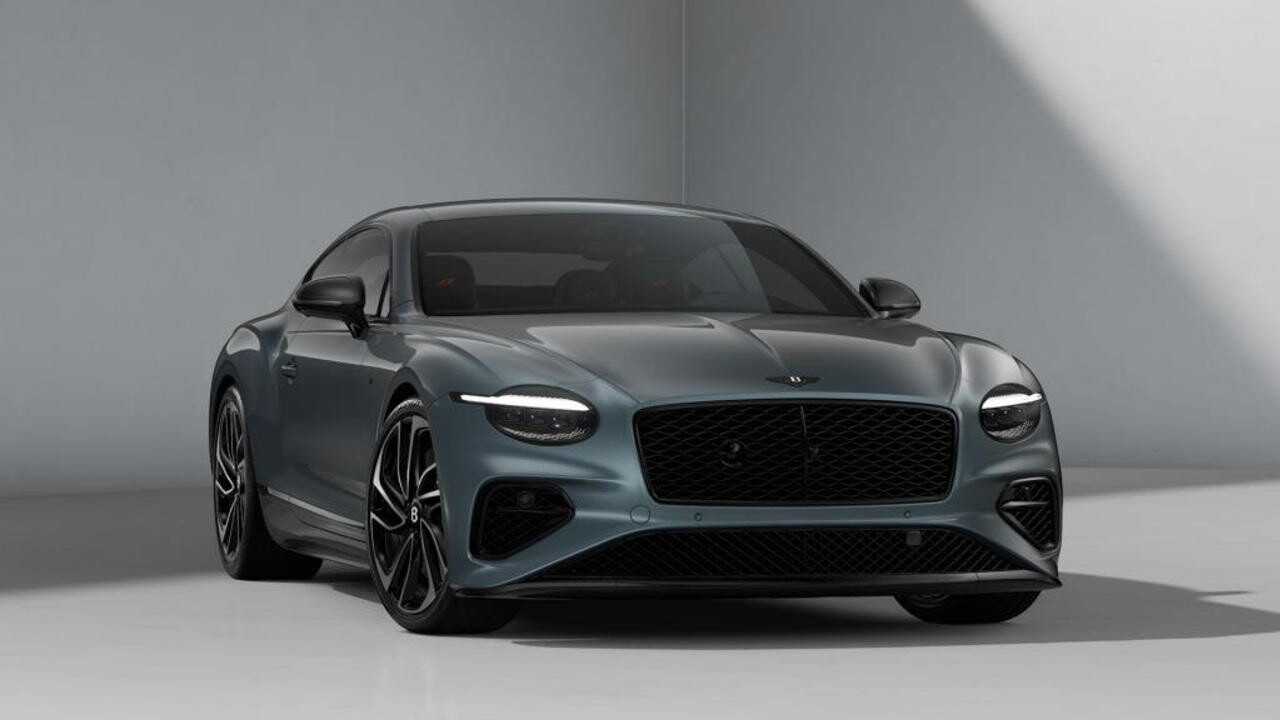
Bentley delays EV-only shift, keeps hybrids in focus through 2035You now face a very different Bentley timeline than the one you were promised a few years ago. Instead of selling only battery electric cars by 2030, the British luxury brand is stretching its transition to at least 2035 and putting plug‑in hybrids at the center of its strategy. For you as a buyer or investor, that shift turns Bentley into a case study in how high‑end carmakers balance climate targets, customer demand, and profit. How Bentley’s EV promise changed You probably remember the fanfare around Bentley’s original Beyond100 plan, which aimed to turn the company into an all‑electric brand by 2030. That target has now moved. The company has publicly extended its ambition to offer only fully electric cars from 2035, with new strategic announcements that it describes as a Beyond100+ plan and a First Bentley BEV due in 2026 to create a new segment in luxury. That longer arc is set out in the official material that explains how the marque wants to evolve its products and its Crewe operations through 2035. The shift is not happening in isolation. Bentley sits inside the wider Volkswagen Group, which has its own electrification and software challenges. In that group context, a slower, more flexible path for the British luxury brand makes strategic sense. It lets the parent group prioritize volume EV platforms while Bentley refines a more bespoke approach. The first EV: a “Luxury Urban SUV” in 2026 Even as the all‑electric deadline moves, you still get a new flagship EV from Crewe. The company has confirmed that its first battery model will arrive in 2026 as a Luxury Urban SUV. The British firm has set out a plan to launch a new hybrid or EV every year until 2035, which means you can expect a steady cadence of electrified Bentleys through the next decade. That plan is laid out clearly in the announcement that Bentley’s First EV 2026 as a Luxury Urban SUV from the British brand. Pre‑series builds of that SUV have already started at Crewe, where the company highlights its certified carbon neutral factory and high‑value manufacturing operations. If you care about craftsmanship as much as drivetrains, that detail matters. It signals that Bentley is not outsourcing its first EV experiment but instead folding it into the same historic site that produces the Bentayga and Continental families. From EV‑only pledge to hybrid‑heavy reality For you as a customer, the bigger story sits in what happens around that first EV. British luxury performance brand Bentley Motors has now abandoned its previous commitment to build only EVs by 2035. Reporting on the change makes it clear that the company is rowing back from that hard cut‑off and instead keeping plug‑in hybrids as a key part of its offer. You can see that repositioning in the way Bentley abandons plans to build only EVs by 2035 and now talks more about a mixed portfolio. In a recent presentation, Bentley executives described a strategy that sits in the middle of the road between internal combustion and full battery power. That phrase captures the new stance neatly. Rather than flipping a switch, the brand wants to give you a spectrum of powertrains, with plug‑in hybrids at the center. Coverage of that presentation shows how Bentley Motors frames this as a pragmatic response to customers who still value long‑range, high‑performance petrol engines. Why Bentley is slowing the all‑EV switch If you follow the premium EV market, you have seen a pattern of cooling demand at the very top end. Bentley is no exception. The company has pushed its plans to have an all‑electric luxury car line‑up back by five years to 2035, citing low interest from buyers who are not yet ready to give up multi‑cylinder engines and long‑distance flexibility. That delay is spelled out in detail in reports that describe how Bentley has pushed its all‑electric switch due to lack of interest. Speaking at the company’s historic Crewe headquarters, executive figures such as Walliser have outlined updates to Bentley’s industrial strategy, including a complete rethink of how quickly the brand can move to pure EVs without losing core customers. Those comments underline that Bentley Motors is its all‑EV shift as demand weakens in the premium EV sector. For you, that means the company is listening closely to order books rather than only to earlier climate pledges. What this means for the cars you can buy From your perspective in the showroom, the most practical change is the longer life of plug‑in hybrid Bentleys. The brand has already said it plans to offer a new EV or hybrid every year, and that plug‑in models will be produced starting next year as part of a broader electrified range. That cadence is described in coverage that notes how Bentley said it to roll out that sequence while it embraces plug‑in hybrids. The outlines of that portfolio are already visible. Reports on future product planning describe a mix that includes the 2026 Luxury Urban SUV, further battery models, and new rear‑wheel‑drive supersports cars that keep internal combustion engines alive. One detailed look at the range explains that Bentley teases EV and rear‑drive supersports while saying that internal combustion engine models are here to stay. For you, that translates into more choice but also more complexity when you weigh residual values and future regulations. How the strategy fits into Beyond100+ To make sense of the apparent U‑turn, you need to see how Bentley now presents Beyond100+. The company describes new strategic announcements that move its ambitions beyond 2030 to 2035, with a First Bentley BEV due in 2026 and a promise that all core models will eventually be available as full EVs. In its own communications, New strategic announcements are framed as an evolution rather than a retreat, with the Crewe factory positioned as a flexible hub for both hybrid and battery production. That positioning is echoed across the brand’s digital touchpoints. The online configurator, for example, already encourages you to explore hybrid options and hints at future electric variants. When you visit the car configurator you are nudged toward lower‑emission choices without being forced into a full EV yet. On social channels, including Facebook, Twitter, Pinterest and LinkedIn, the brand leans heavily on sustainability messaging while still celebrating twelve‑cylinder heritage. How you should read Bentley’s EV delay If you are considering a Bentley in the next few years, the delay in an EV‑only line up gives you breathing room. You can still order a W12 or V8, you can shift to a plug‑in hybrid that fits tightening urban rules, or you can wait for the 2026 Luxury Urban SUV if you want to go fully electric. The company itself presents this as a way to match the pace of its customers, and the broader Volkswagen context suggests that the group prefers profitable hybrids over forcing EVs into a market that is not yet ready. At the same time, you should not mistake the slower timeline for a lack of commitment. The First Bentley BEV is locked in, the Crewe site is being retooled for high‑value electric manufacturing, and the brand still talks about a future where all of its cars are zero‑emission. The difference is that you now have a longer transition period, one in which plug‑in hybrids become the default Bentley experience and fully electric models grow from a niche to a core offer over the next decade. More from Fast Lane Only Unboxing the WWII Jeep in a Crate 15 rare Chevys collectors are quietly buying 10 underrated V8s still worth hunting down Police notice this before you even roll window down