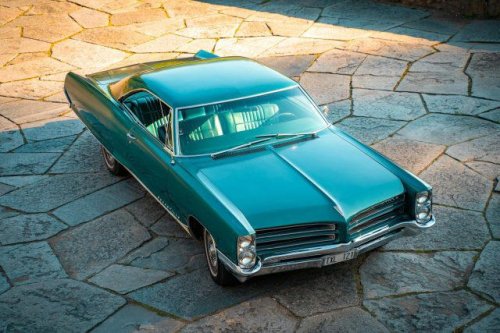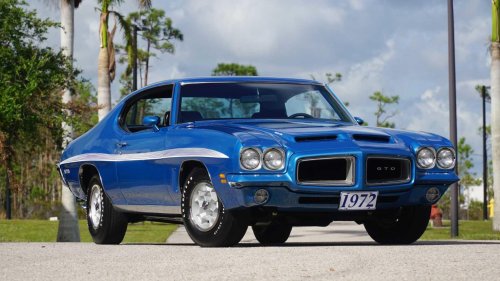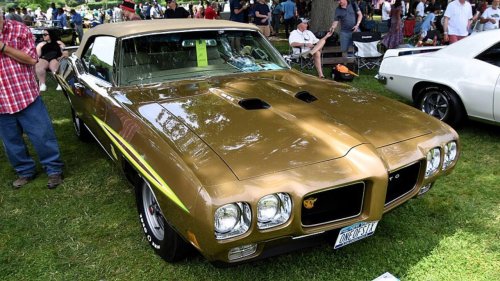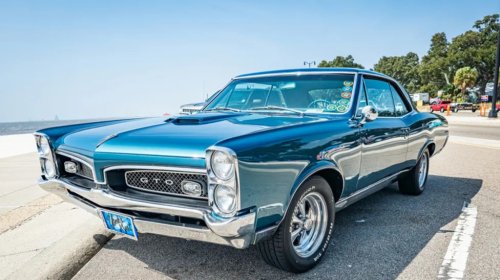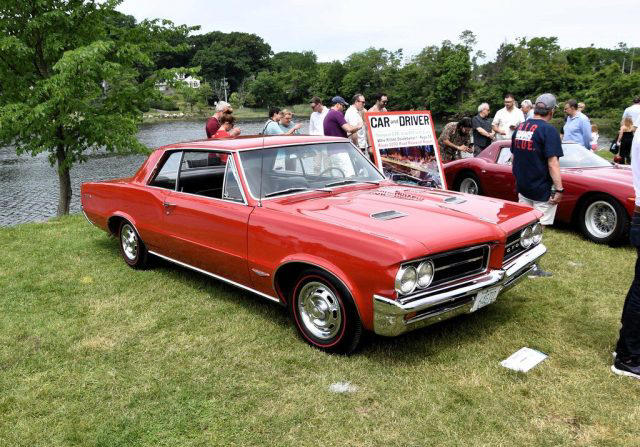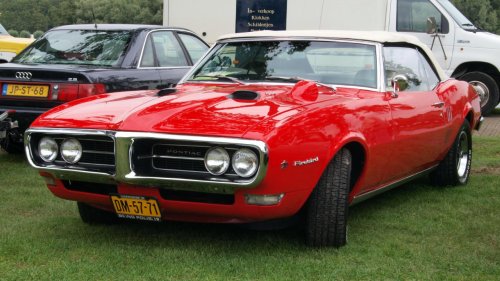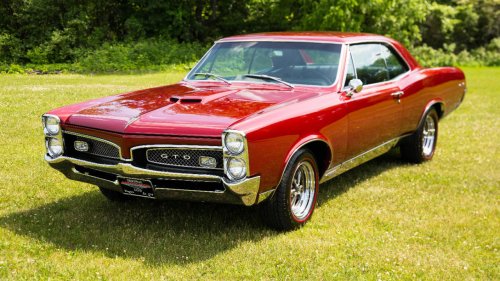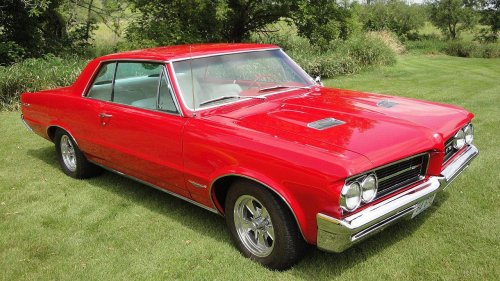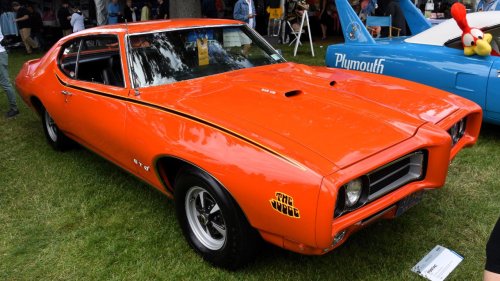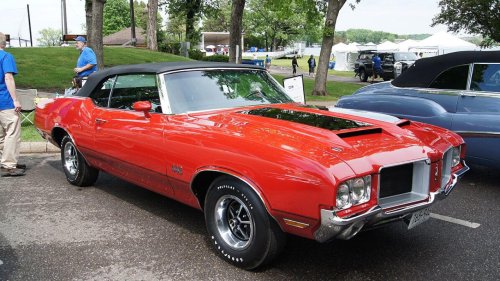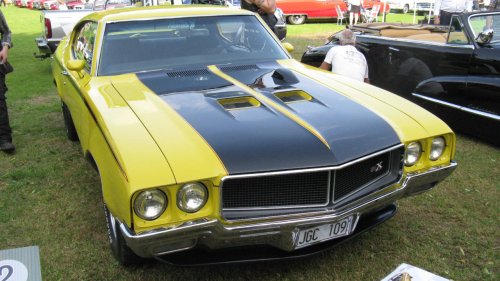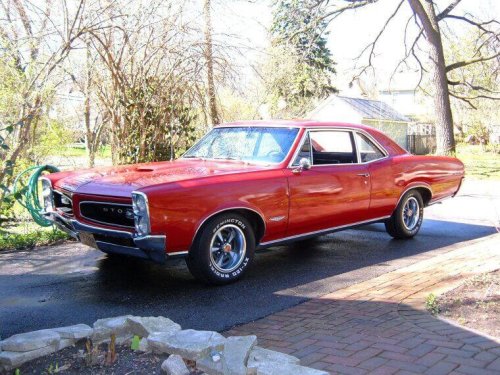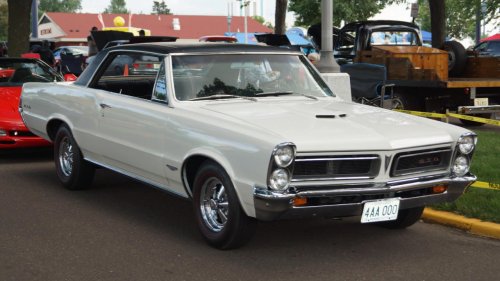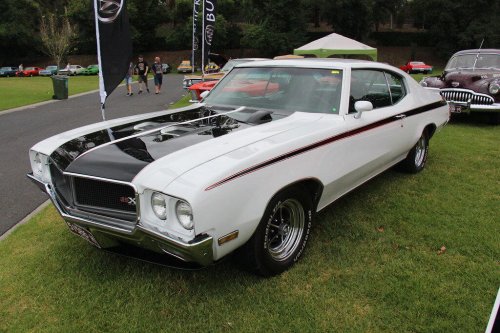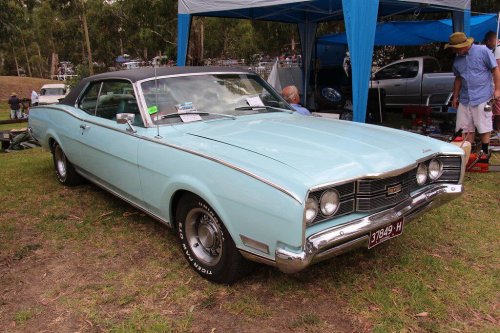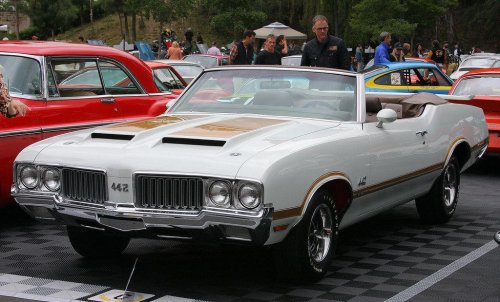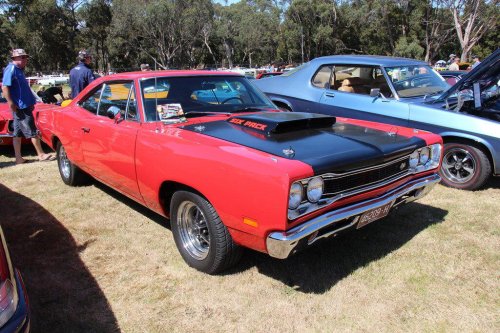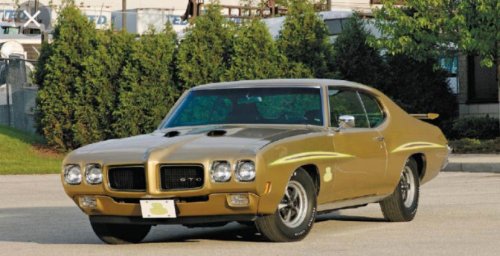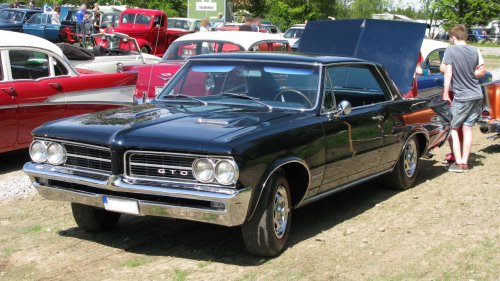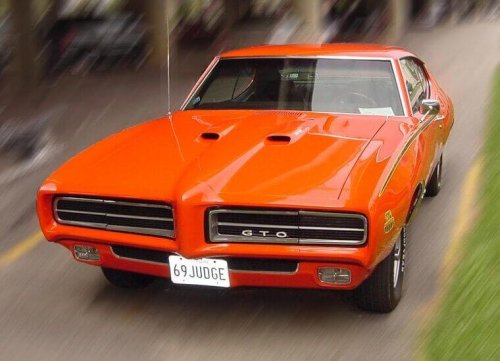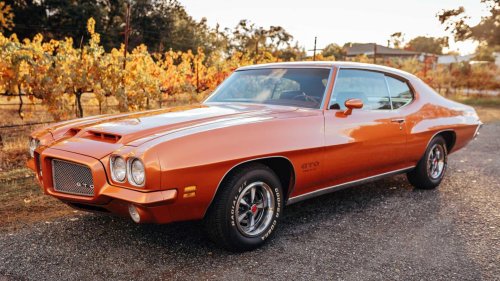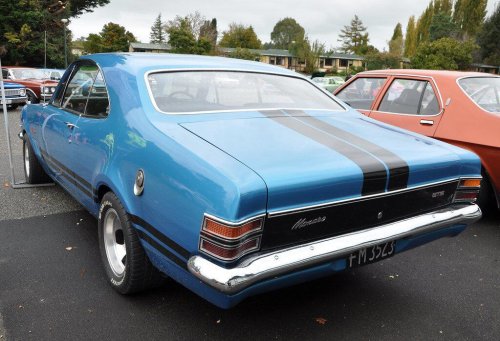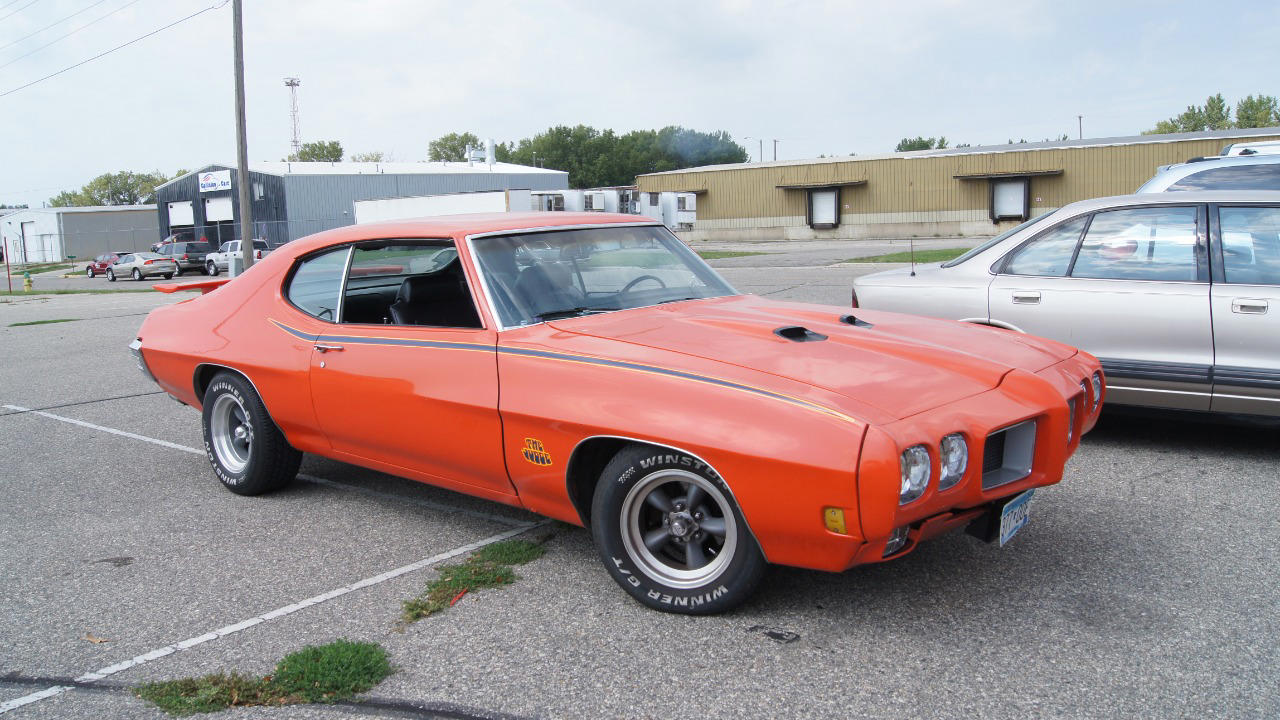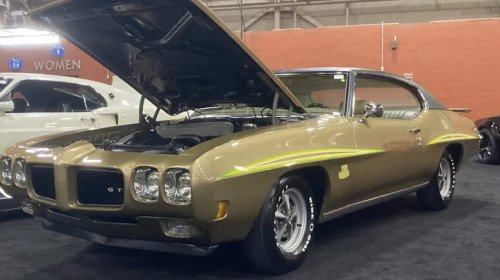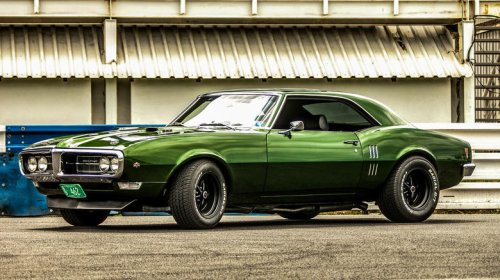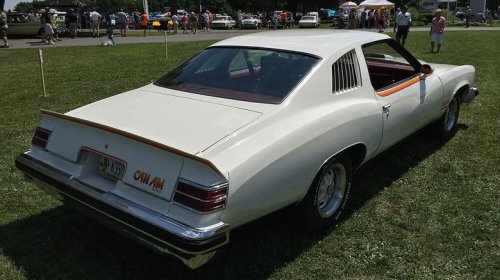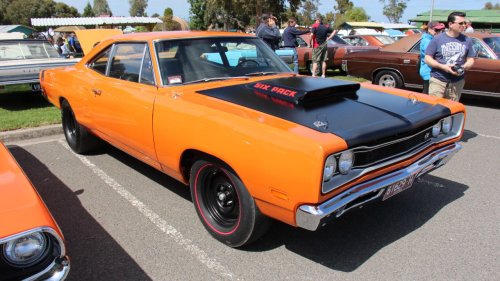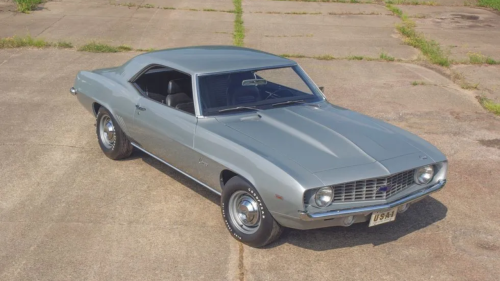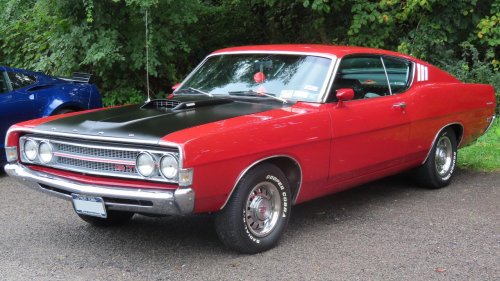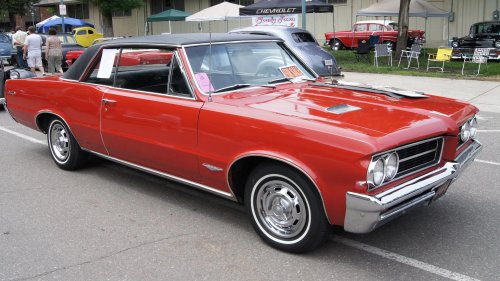
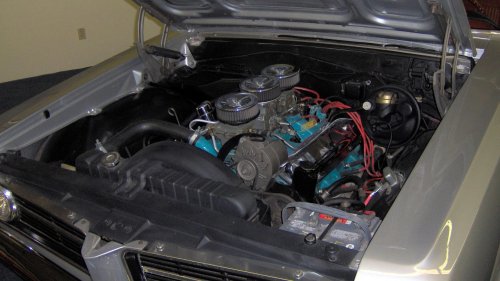
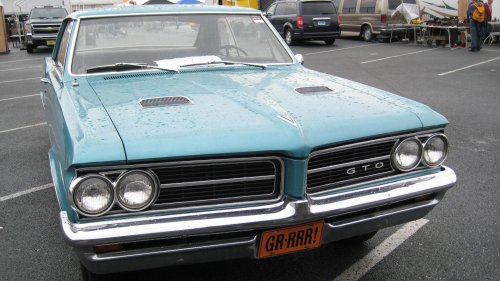
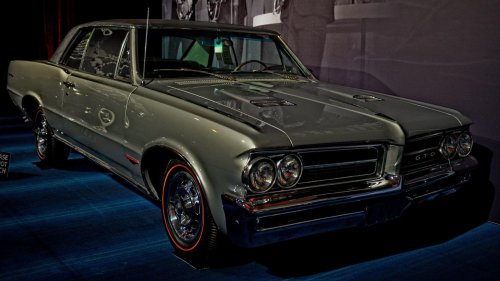
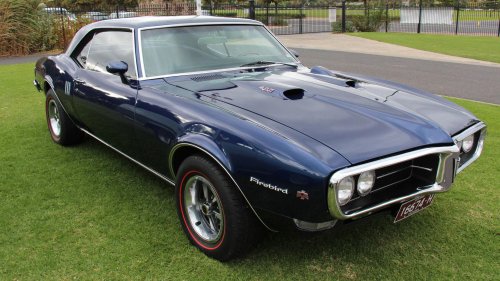
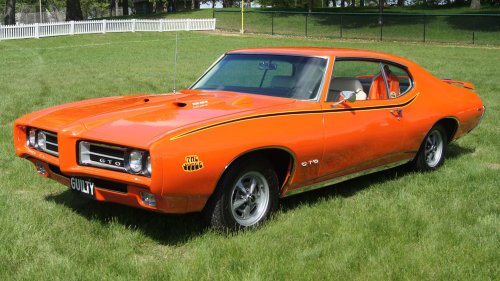
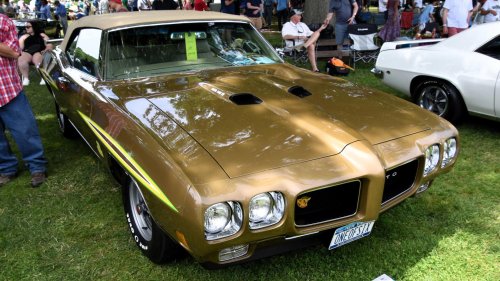
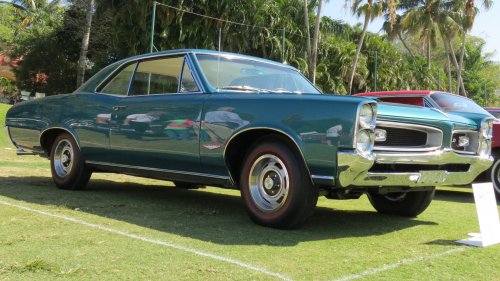
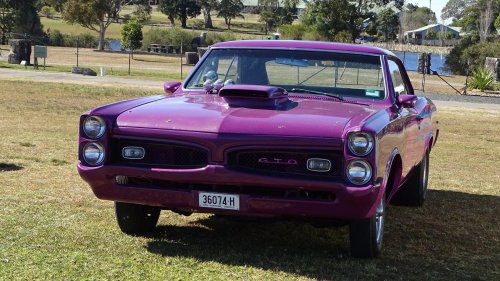
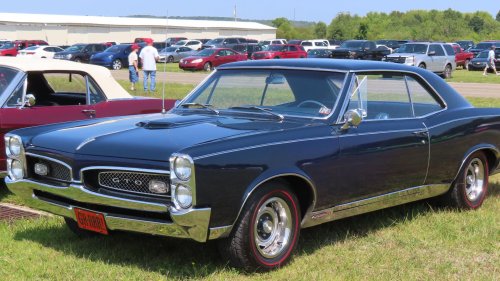
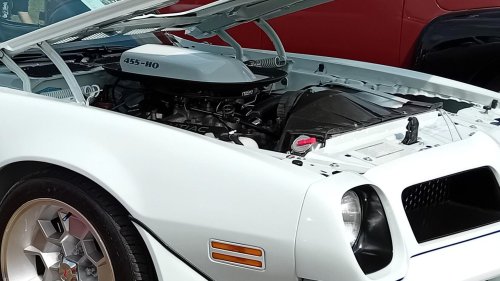
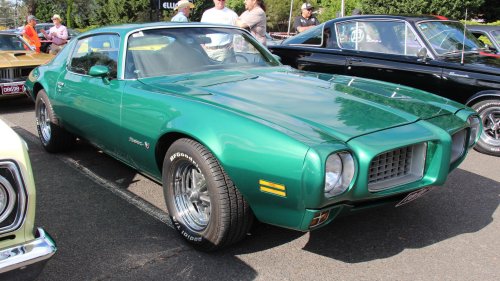
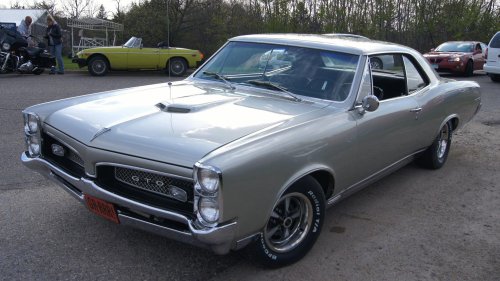
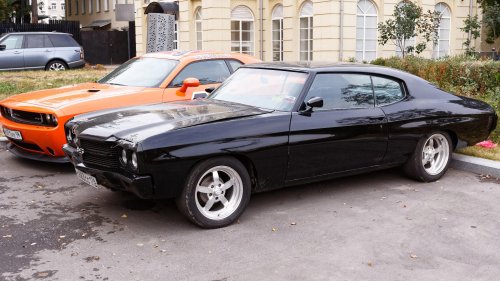
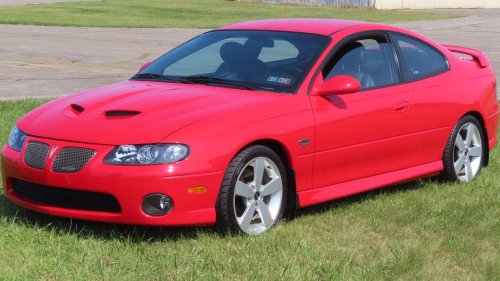
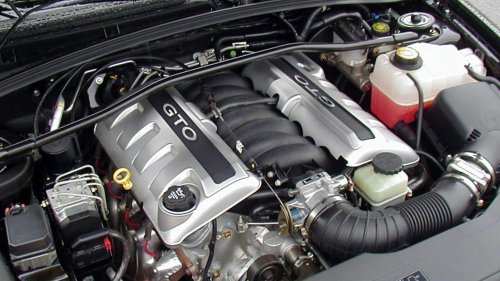
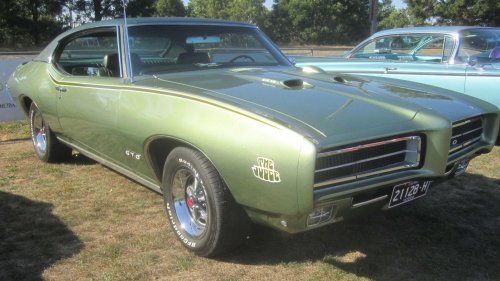
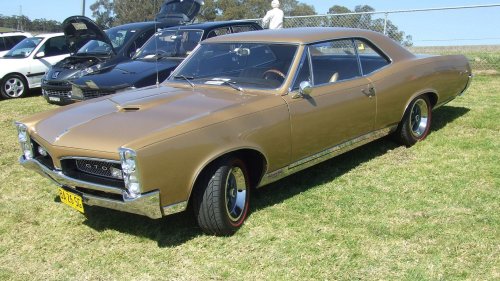



















The 1964 Pontiac GTOThe GTO began in 1964 as a performance option for the Tempest/LeMans, and that origin is part of what made it revolutionary. Pontiac essentially built a mid-size car with full-size power, proving you didn’t need a massive land yacht to have serious speed. The result was instant demand and a new kind of performance car that regular buyers could actually afford.1964 Performance SpecsThe original GTO came with a 389-cubic-inch V8. Standard four-barrel versions produced about 325 horsepower and 428 lb-ft of torque, while the optional Tri-Power setup used three two-barrel carburetors and was rated at 348 horsepower. Those numbers gave the GTO its early reputation for torque-heavy acceleration and effortless passing power.The Muscle Car Blueprint Gets WrittenBefore the GTO, performance was often either niche or expensive. The GTO proved that speed could be mainstream. That one idea changed everything. Within a few years, rivals were responding with their own mid-size V8 bruisers, and muscle cars became a full-on category instead of a one-off experiment. Pontiac didn’t just build a fast car, it changed what buyers expected from American cars.The Late 1960s: Bigger Power, Bigger ReputationAs the muscle wars heated up, Pontiac kept evolving the GTO. Displacement and tuning improved, and the car gained a stronger performance identity year after year. The GTO wasn’t just staying competitive, it was shaping the era. Each upgrade forced competitors to answer back, and the horsepower arms race became one of the most famous periods in American automotive history.Ram Air PackagesPontiac’s Ram Air packages became a key part of the GTO legend because they focused on breathing, not gimmicks. Improved airflow through functional hood scoops, revised induction, and performance tuning helped these cars pull harder at speed and feel sharper through the rev range. Ram Air wasn’t just a badge, it was Pontiac refining performance with engineering, not just displacement.1969 Pontiac GTO Judge: Performance With PersonalityThe GTO Judge arrived in 1969 and basically turned the GTO into a celebrity. Pontiac leaned into bold colors, aggressive graphics, and an unmistakable attitude. It wasn’t subtle and it didn’t try to be. The Judge made muscle cars feel like pop culture objects, and it helped cement Pontiac’s image as one of the most entertaining performance brands of the era.Ram Air IV: One Of The Meanest Factory GTO SetupsThe Ram Air IV engine is often considered the peak of classic factory GTO performance. Rated at 370 horsepower, it featured high-flow heads and aggressive cam timing that made it feel far more serious than a standard muscle car. The power delivery was eager and strong at higher rpm, which is exactly why enthusiasts still obsess over it today.Why The GTO Felt So FastPart of the GTO’s magic is that it wasn’t only about peak horsepower. The car’s torque-heavy character made it feel quick in real driving, not just on paper. A well-equipped GTO could launch hard, pull aggressively through mid-range speeds, and feel powerful at any moment. That “always ready” feeling is what made it such a street legend.Drag Strip Reputation And Street Racing CultureEven if the GTO wasn’t born as a factory drag special, it became one naturally. Owners loved how well it responded to gearing changes, carb tuning, and exhaust upgrades. It also had the kind of V8 architecture that made it a favorite among weekend racers. Over time, the GTO earned credibility as a street-and-strip machine, which helped build its myth.Handling And Chassis TuningMuscle cars are usually remembered for straight lines, but Pontiac didn’t ignore road manners. Performance packages and options improved suspension control and braking, giving the GTO a more composed feel than some of its rivals. It still wasn’t a sports car, but it could feel stable and confident at speed, especially compared to many of the floatier cars of its era.The 455 Era: Torque Becomes The Main EventIn the early 1970s, Pontiac introduced 455-cubic-inch V8 options that leaned heavily into torque. These engines weren’t about screaming rpm, they were about effortless shove. The car felt powerful at any speed, and it delivered that classic muscle sensation of instant forward motion the moment your foot hit the throttle.The Muscle Era Gets ChokedThe muscle car era didn’t end because people stopped loving power. It ended because regulations and economics made it harder to build these cars the way Detroit used to. Emissions rules tightened, insurance costs rose, and horsepower ratings dropped. Like many icons of the era, the GTO gradually shifted away from pure performance as the 1970s progressed.The GTO As An American SymbolThe GTO became more than transportation. It became an identity. It represented youth culture, street racing fantasy, and the idea that a regular knows-how driver could own something genuinely powerful. It even made its way into music and pop culture, helping turn the GTO into a symbol of the muscle era rather than just another model in Pontiac’s lineup.Influence On Rival Muscle CarsThe GTO didn’t just inspire fans, it forced competitors to react. Detroit quickly followed with direct challengers, and the muscle category expanded into a full battlefield of horsepower and marketing. The Chevelle SS, Road Runner, Charger, and countless others benefited from the blueprint Pontiac proved could sell: mid-size car, big engine, and a performance-first personality.The GTO Returns: 2004–2006 RevivalPontiac revived the GTO name in the 2000s using the Australian Holden Monaro platform. Some enthusiasts debated whether it “felt” like a classic GTO, but the performance was real. It captured the original spirit in a modern way: a practical coupe with serious power and a sleeper look that didn’t need stripes or scoops to prove anything.Modern GTO PerformanceThe 2004–2006 GTO came with LS-series V8 muscle. Early models used the 5.7-liter LS1, while later cars received the 6.0-liter LS2 producing up to 400 horsepower. With modern suspension and braking, the revived GTO delivered strong acceleration and real-world performance that could hang with the best modern muscle cars of its time.The GTO Still MattersThe GTO is a heavyweight in the collector world, especially early cars and performance variants like the Judge and Ram Air models. Its historical importance as a category-defining muscle car keeps demand strong, and well-documented examples are prized. People don’t just collect GTOs because they’re fast, they collect them because they changed the industry.Collector Prices And What Drives ValueGTO prices depend heavily on authenticity, options, and documentation. Rough or incomplete cars can fall into the $15,000–$50,000 range depending on condition, while top-tier Judge and Ram Air examples can exceed $200,000 at auction. Matching numbers, factory-correct equipment, and original paperwork often make the difference between a nice classic and a serious investment-grade muscle icon.