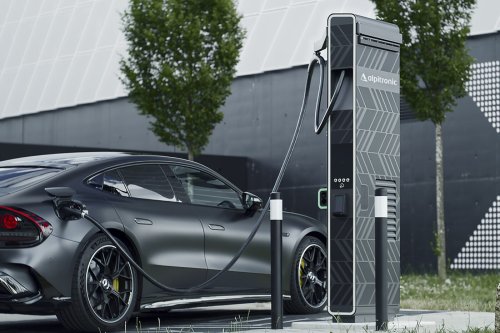
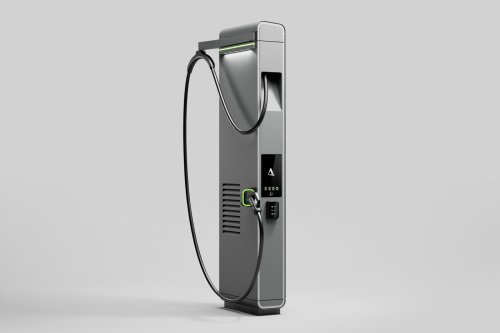
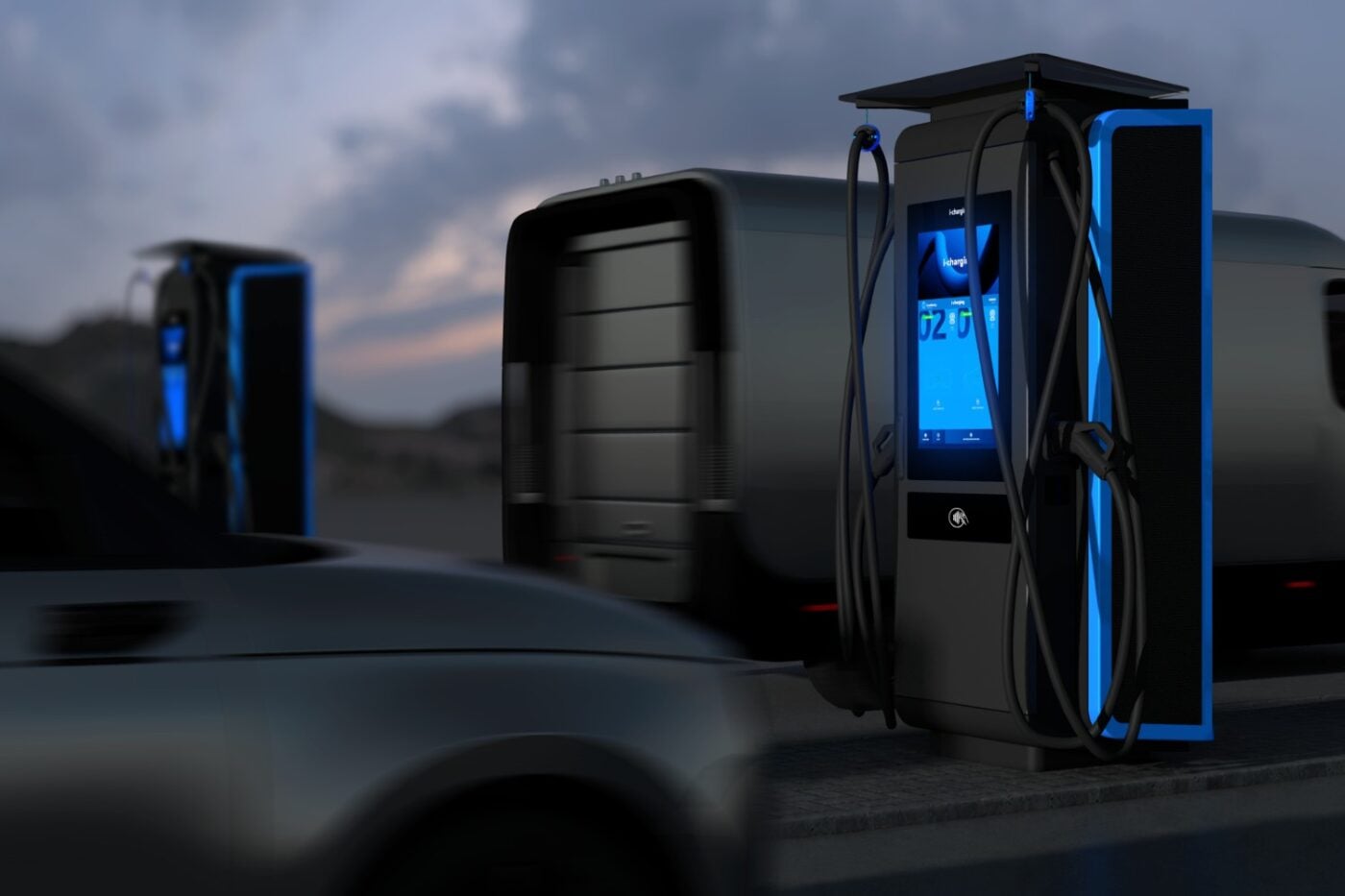
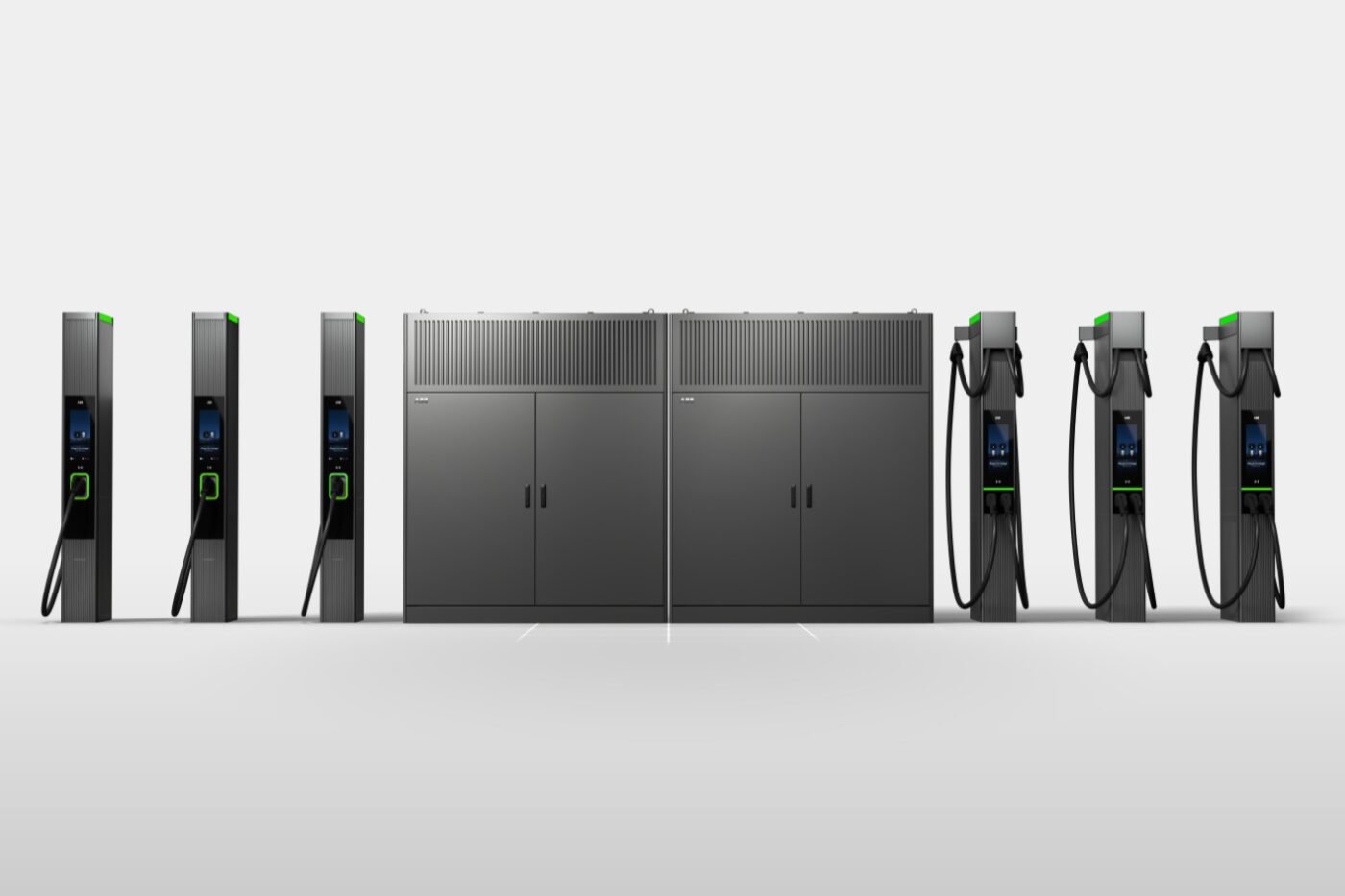
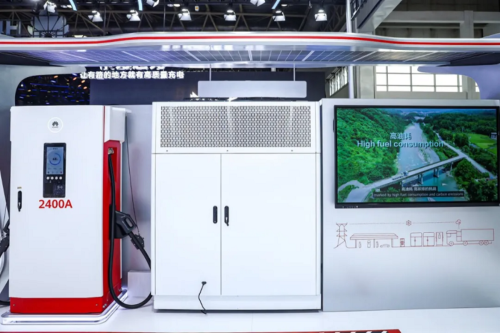
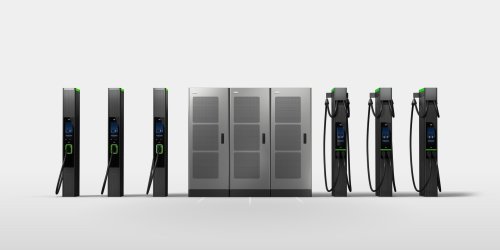
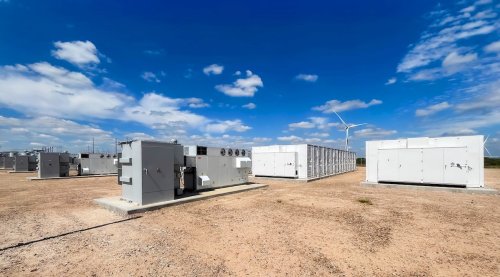
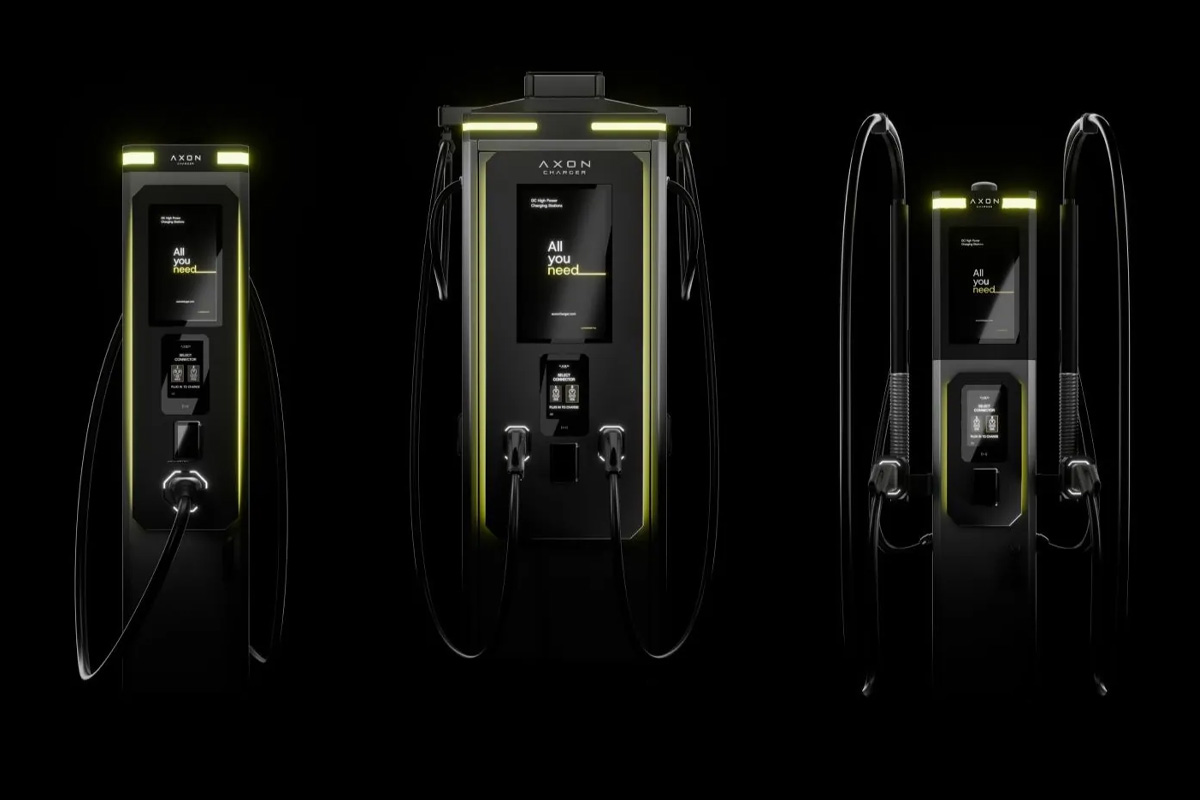
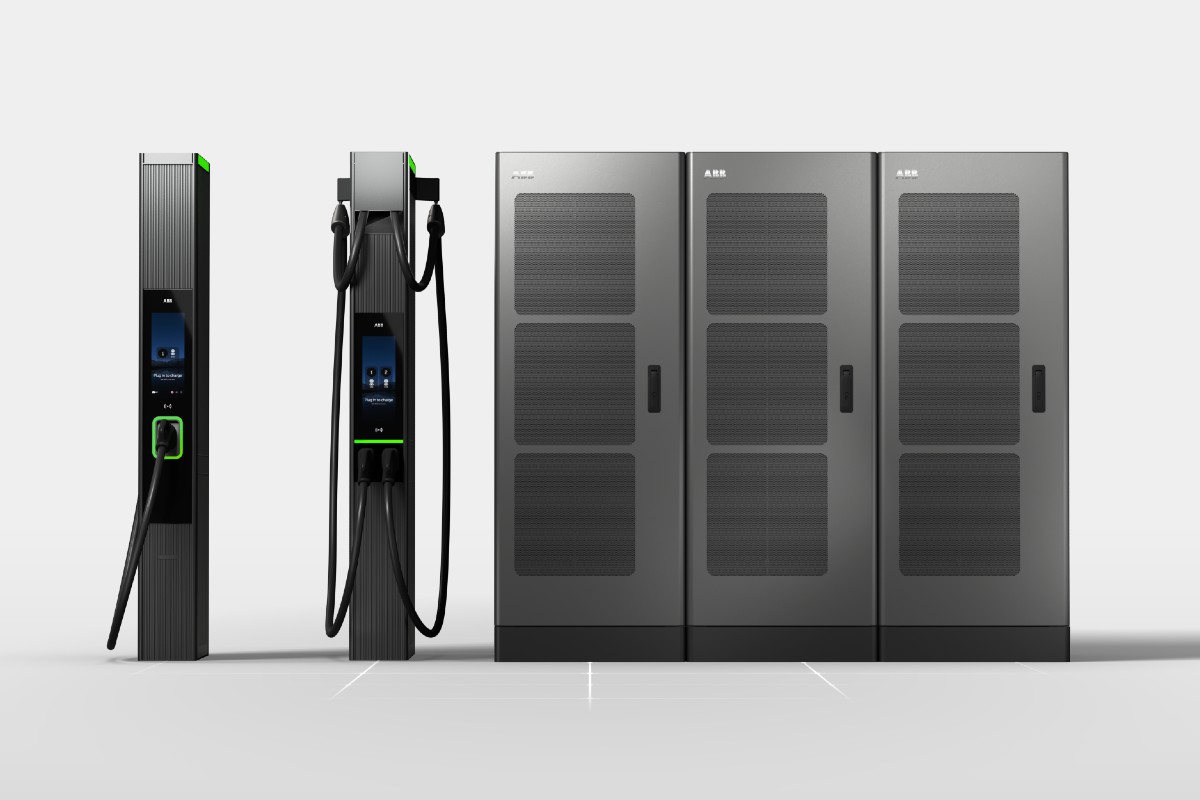
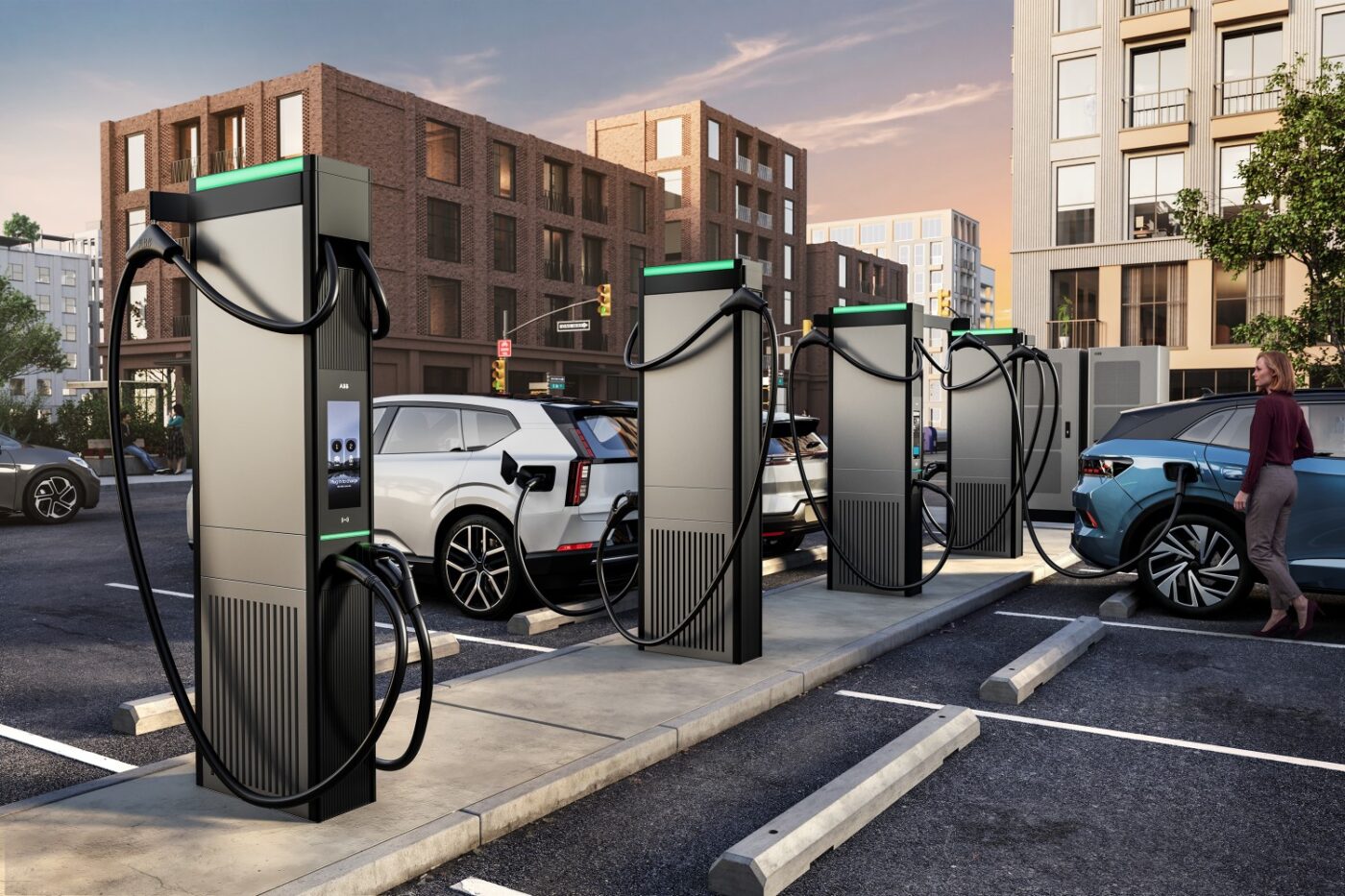
ABB E-Mobility has launched the new M-Series, a decentralised, air-cooled split system designed for public fast-charging locations, fleet depots, retail sites, and destination charging. As ABB states, the system is able to grow ‘in line with actual demand,’ allowing operators to start with a small ecosystem and add further dispensers and power units as needed.Specifically, the M-Series connects central technology cabinets—referred to by ABB as ‘Power Cabinets’—with a portfolio of specialised dispensers named Solo, Duo, Dock, and Ultra. It also supports the charging formats CCS1, CCS2, NACS, and MCS. “This separation enables charging infrastructure to serve distinct customer segments, each with different utilisation patterns, dwell times, and economic requirements,” the company states. As a result, power is no longer tied to individual charging points.“The industry spent a decade optimising for nameplate power. What operators need to optimise for now is the cost of energy delivered over the lifetime of a site,” said Michael Halbherr, CEO of ABB E-mobility. “Power only matters if it can be consistently delivered — across vehicle architectures, across charge points, and across utilisation levels. The M-Series is built to optimise that.”The M-Series dynamically distributes available capacity across charging points and adjusts it in real time to match actual demand. This principle, now adopted by several charging hardware manufacturers with decentralised systems, allows operators to manage with lower installed power while ensuring high output under load. Specifically, ABB’s new product delivers 200 kW to 1.2 MW and supports up to 24 charging points—’without compromising peak charging,’ as stated. Rendering: ABBEach power unit is designed for up to 400 kW. Scaling on-site can therefore be done in 400 kW increments (i.e., 400 kW, 800 kW, and 1.2 MW), with the system utilising three interconnected ‘Power Cabinets’ for the maximum configuration. The manufacturer also states that an AC-coupled battery storage system can be optionally integrated to smooth out load peaks and provide additional flexibility at the site level ‘where grid constraints apply.’Additionally, ABB highlights the M-Series’ favourable power-to-area ratio: the system’s power density is 625 kW per square metre (equivalent to 1,200 kW on 1.92 square metres). Furthermore, the new solution can be integrated into ABB’s Asset Operations Platform, which offers real-time monitoring, AI-powered fault detection, and other services. Open APIs and an SDK also enable integration into existing operator systems and third-party platforms.In principle, the M-Series builds on ABB’s A-Series but represents a structural shift in charging infrastructure architecture. “The A-Series establishes an all-in-one system for simple deployment and consistent high-power delivery across public and destination charging sites,” the Swiss company emphasises.However, both series share much in common technologically: they are based on the same air-cooled, in-house-developed silicon carbide power electronics platform and a shared reference architecture, which has been in commercial use since 2024.“The M-Series introduces a split-system design — separating power from dispensers and enabling use-case-specific configuration rather than generic deployment,” says ABB. This creates new application possibilities without compromising the system’s maturity.e-mobility.abb.com (press release), e-mobility.abb.com (product)



















 +14 others