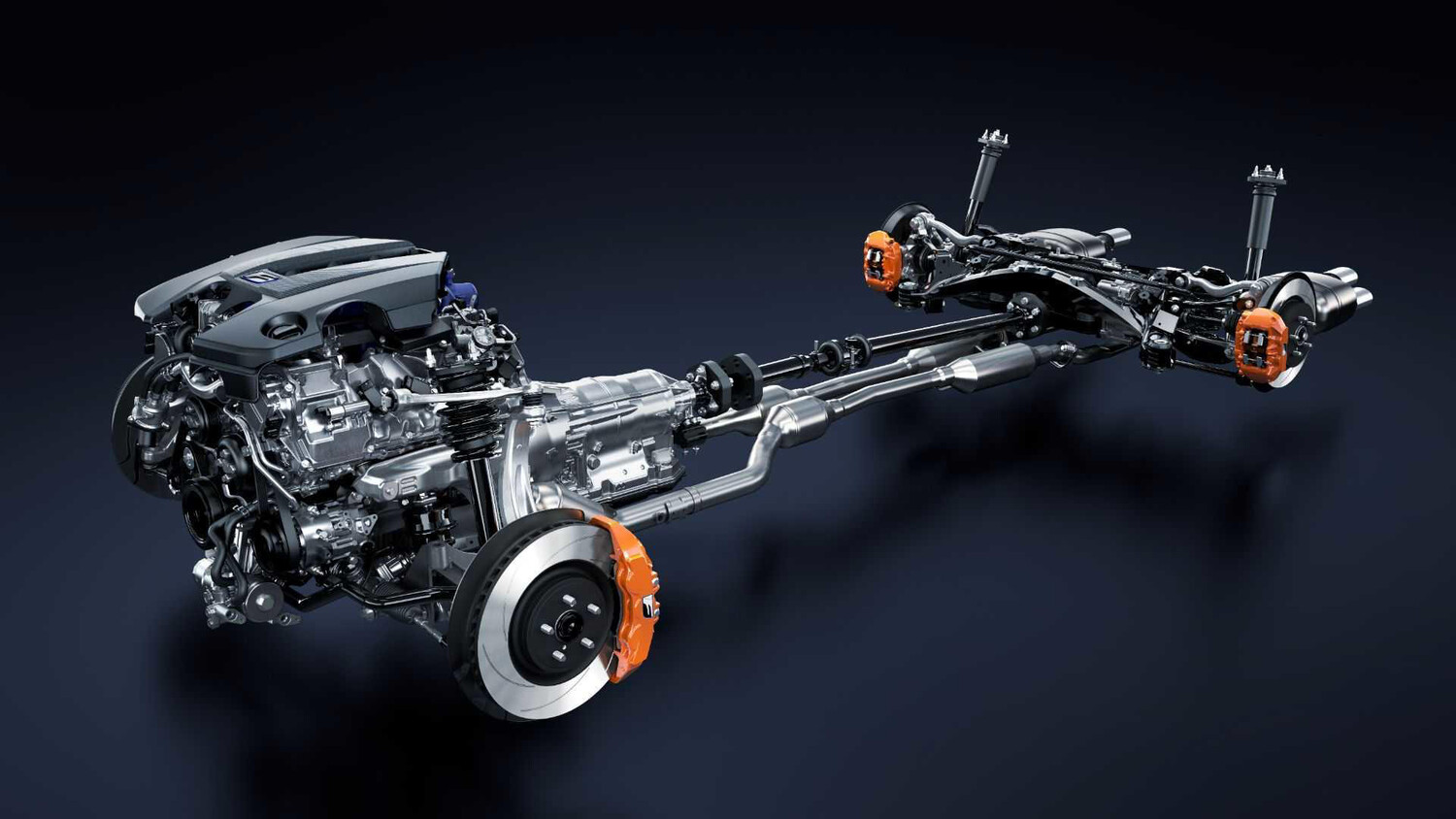
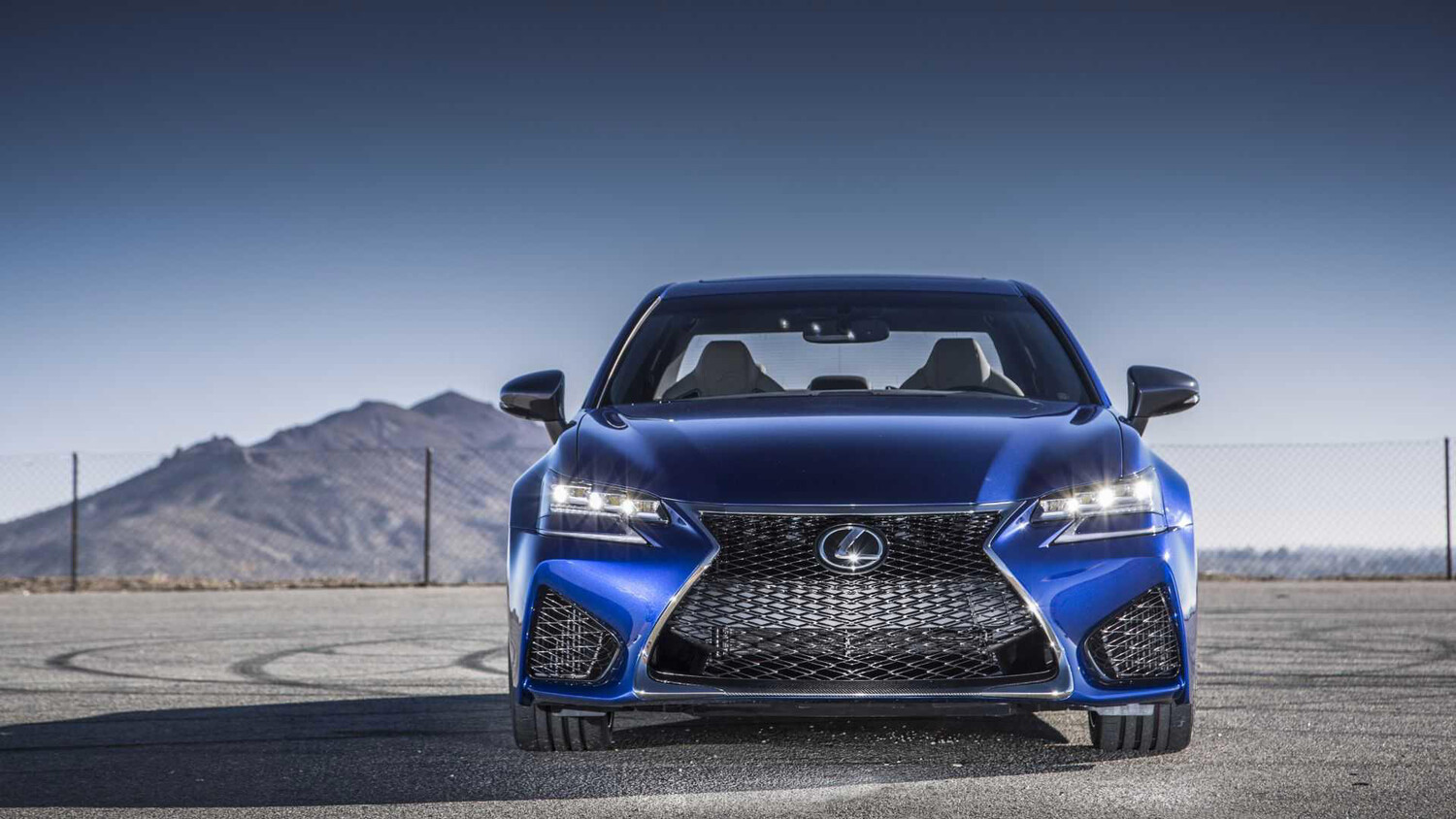
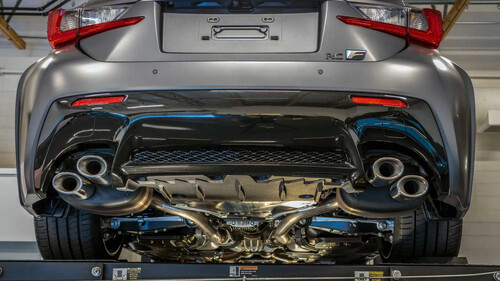
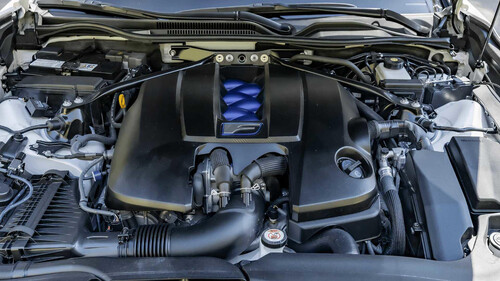
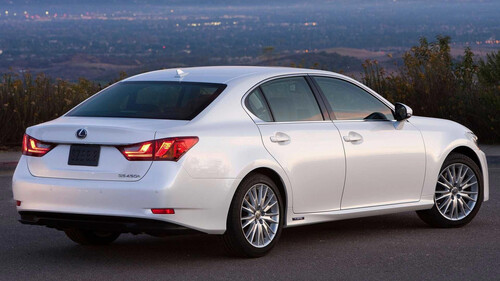
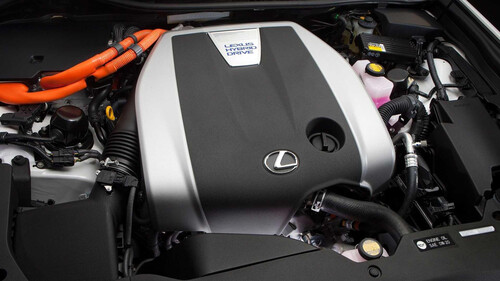
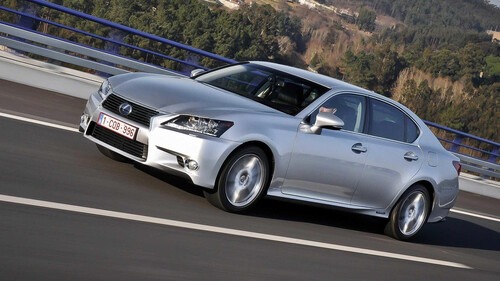
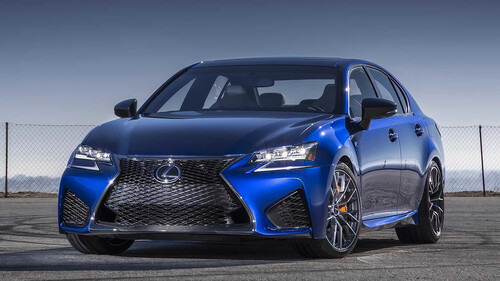
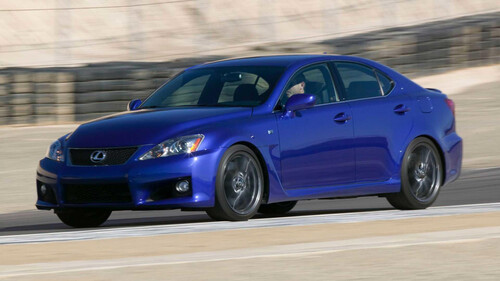
The Lexus GS F is a now-discontinued naturally aspirated V8 performance sedan that gives second-hand shoppers a cheaper, less complex alternative to high-performance four-doors such as the BMW M5 and Mercedes-Benz E63 of the era. With more powerful turbocharged competitors commanding premium prices, the GS F is a particularly enticing deal for the driving enthusiast after something extremely rare and well known for bulletproof dependability.Could a used Lexus GS F be the hidden gem opportunity you’ve been looking for? Below, let's get up to speed on this often-overlooked application of one of the market’s most storied V8 engines. It's a free-breathing 5.0-liter tuned by Yamaha like a musical instrument. The Decline of Naturally Aspirated Performance Sedans LexusIn the 2010s, a battle for V8 supremacy, decades in the making, was coming to a head. The sports and performance car scene was now being powered by some of the most powerful and daring engines it had ever seen. The Cadillac CTS-V was making 640 horsepower from a supercharged V8. The Mustang Shelby GT350 was producing 526 hp from an 8,250-RPM V8 with a flat-plane crank. FCA dropped the Hellcats into the mix during this era as well, a little late to the party but packing over 700 supercharged horsepower. If you wanted exotic-car horsepower output without the exotic-car price tag, this was a good time to be shopping for V8 power.Lexus For context, the market at the time was also shifting away from naturally aspirated V8 engines (as well as sedans in general) in much of the luxury and performance space. Turbocharged four- and six-cylinder alternatives were more easily tuned to comply with tightening economy and emissions targets. To meet ever-higher demands for horsepower, many of the remaining V8 engines were supercharged or turbocharged, enabling them to surpass the output figures of some V10 and V12 engines from years earlier.The horsepower party was pumping, and Lexus was busy doubling down on its 2UR-GSE V8 engine. The 5.0-liter quad-cam unit was a gem of an engine, originally launched with 416 horsepower in the 2007 Lexus IS-F. Tuned by Yamaha like a musical instrument, it’s one of the most fascinating V8 engines of the modern era, thriving with natural aspiration as competitors received forced induction.Lexus Over the years, Lexus gently improved the V8 with a mid-cycle update, and quickly quadrupled the number of vehicles it would power. The RC F Coupe arrived for the 2015 model year with 467 hp, bringing the 5.0-liter engine's improved output to a new performance coupe chassis with a trick torque-vectoring rear axle.The following year, for 2016, the GS F joined the mix as well, powering Lexus’s rear-drive luxury sport sedan with the 5.0-liter V8 for the first time. Two years later, the LC 500 arrived as an additional (but pricey) way to experience the 2UR-GSE. The GS-F Didn't Get Much Time In The Spotlight LexusWhen Lexus launched the GS F, their V8-powered performers had plenty of momentum. The IS F sedan was well established, and the RC-F had given shoppers a more athletic, two-door alternative.When the GS F arrived, a few factors were working against it getting more traction than it probably deserved. This rear-drive-only model was playing in a field increasingly populated by AWD alternatives. The GS’s platform and infotainment were also four years old by the time the GS F arrived, a lifetime in the luxury scene. You could just as easily buy something from BMW, Mercedes, Cadillac, or Audi on a more modern platform with more modern tech. Numerous competitors offered Android Auto and Apple CarPlay, not available at the GS F’s launch – though it did have a CD player.The GS F wasn't the fastest take on the 5.0-liter V8, but arguably, it was the most comfortable. Think 'hot-rod cruiser' more than an all-out track weapon, and you're in the right ballpark.In Normal or Eco mode, the GS F was hardly any more engaging or stimulating to your senses than a Toyota Corolla. Flicked into Sport or Sport Plus mode, the sensation of the GS-F flexing, breathing harder, and tensing up for action all around the driver was hard to forget. For a rear-drive machine, it launched quickly and with minimal drama on bare pavement. There was just the right amount of wheelspin before the velvety V8 power curve started to stuff your seatback into your backside.2016 Lexus GS F front 3/4 driving redWhat Makes The Lexus GS-F The Lexus GS-F? Dual-Cycle Combustion: Switches between the Atkinson cycle for fuel efficiency while cruising and the Otto cycle for maximum performance during acceleration. High Compression Ratio: Operates at 12.3:1 compression, optimized by a high-pressure D-4S direct injection system with additional port fuel injectors. Sound Tuning: Incorporates a custom baffle packed with stainless steel wool and glass wool to produce a deep, baritone exhaust tone. Electronic enhancement synthesizes and pushes engine/exhaust notes through the cabin speakers based on throttle and gear shifts. This can be manually turned off via a dashboard switch. SPORT S+ Mode uses both front and rear speaker enhancement to emphasize high-frequency intake/mechanical sounds) and the rear speakers (emphasizing low-frequency exhaust notes) are active. In Sport S mode, only the rear speakers are active, boosting the exhaust note. In Normal or Eco modes, sound enhancement is completely turned off. High-Tech Valvetrain: Uses Variable Valve Timing (VVT-iE) to optimize power delivery across the entire rev range seamlessly. High-Flow Exhaust: Features enlarged gas passages and joint sections to reduce backpressure, capped with an aggressive baffle end cap integrated into the rear bumper. Still, the GS F was a bigger, slower application of the 5.0-liter V8 than the IS-F sports sedan or striking RC-F Coupe, meaning it wasn't the F car to buy if you were after the ultimate thing. Many shoppers were after the maximum bang for their performance dollar, where the GS F was closer to the bottom of the charts in that respect. For similar money, your buddy's Dodge Charger Hellcat would eat your GS-F for lunch. Still, the GS F blended the tidy dynamics of the GS with the all-motor V8 experience of the 2UR-GSE, but shoppers after maximum excitement for their money had better alternatives.Lexus Though it likely wasn’t a dealbreaker for many, the GS F also used a speaker-enhanced sound system to amplify the engine and exhaust sounds by playing supplemental sounds over the stereo system. Partially, this was because the GS platform was engineered to be so quiet that drivers might otherwise have trouble hearing the V8 at a satisfying volume at full song. Many enthusiast drivers prefer a pure approach to the soundtrack, and may have chosen something else instead. What To Understand Before You Buy LexusThe total number of units produced is a bit tricky to nail down, since Lexus only reported total sales for the GS model range and never specifically identified the GS-F as a separate entity in its sales reporting. On ClubLexus.com, a forum member posted the response they received from Lexus after asking about final production numbers. The results are summarized below.From its original starting price of around $85,000, you’ll likely be paying somewhere around half that amount for a second-hand GS F today, though there are always exceptions. According to online data, you can expect to pay between $40,000 and $50,000 for a second-hand GS-F these days, with some extremely pristine, low-mileage examples pushing to $70,000 or more. Shop patiently, though. The low production volumes mean used units don't come up very often. Still, rising interest may pull more and more units out of storage and into the used-car market.Lexus A combination of the 5.0-liter V8’s reputation for bulletproof reliability and the GS F’s rarity in the marketplace are contributing to increasing interest. The same goes for its ‘last-of-its-kind’ engine. Notably, this high-performing V8 is free of the complex turbocharging systems common in competitor models. It isn’t widely known for any major or systematic issues, unlike, say, the cylinder head bolts in the Mercedes M156 V8 engine of the same era.According to RepairPal, maintenance costs average just $499 per year. For a high-performance luxury sedan, that’s a steal of a deal when ongoing maintenance and repair costs are considered. Be sure to note the $4,300 annual fuel cost as well, with premium unleaded required. How Does It Stack Up For The Money? LexusNote that many owners enjoy driving these cars as often as possible, and a few treat them as collector items. Today, you’ll probably pay $57,000 for a used GS-F with under 50,000 miles on its odometer on the high side, and around $47,000 for a unit with closer to 100,000 miles of former use. The same $47,000 could also get you into a nearly new Infiniti Q50 Red Sport 400 that’s five years newer with less than 40,000 miles.For the same money as a low-mileage GS-F, you’re also handily into a nearly-new BMW M440i, likely with a sub-20,000-mile odometer reading. In this way, you can see the premium some shoppers are willing to pay for the GS F's rarity, unique engine, and likelihood of excellent reliability for the long haul. With smart shoppers increasingly choosing proven, old-school, naturally aspirated engines as a financial power move for the future, it’s probably a great time for shoppers to get serious about pulling the trigger on a used GS F, if they’re able to find one.