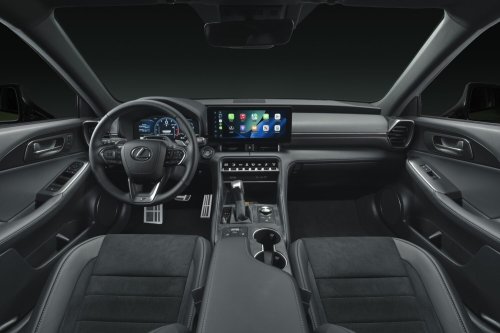
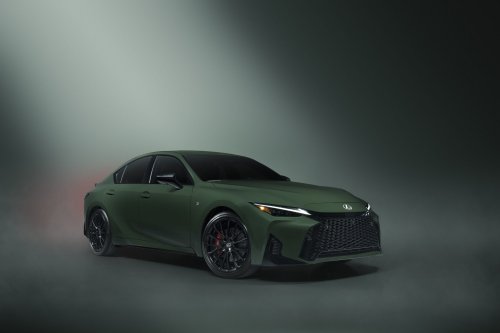
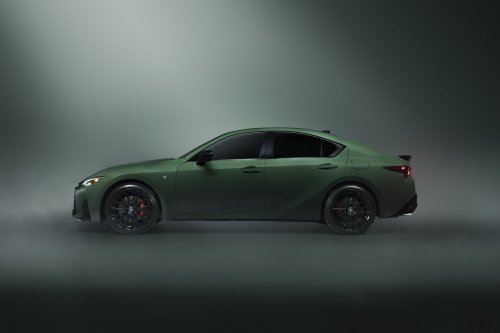
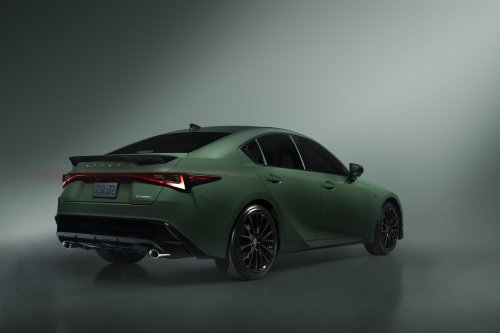
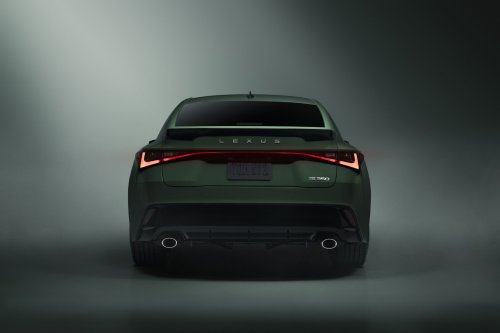
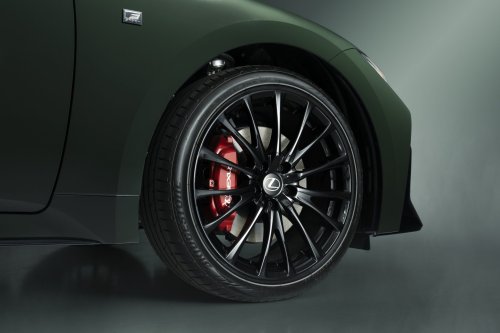
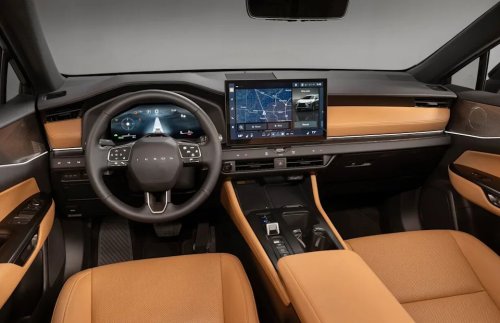
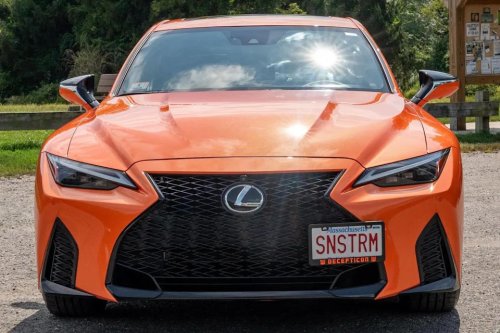
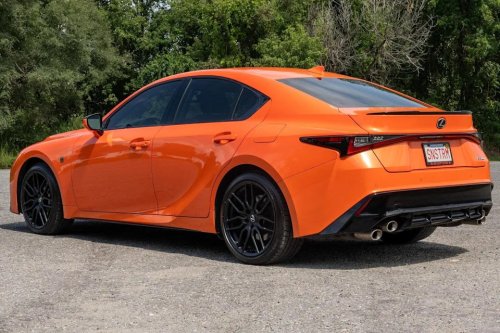
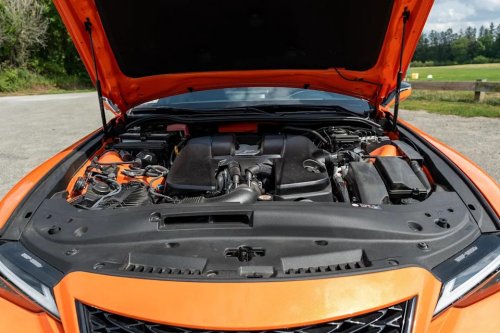
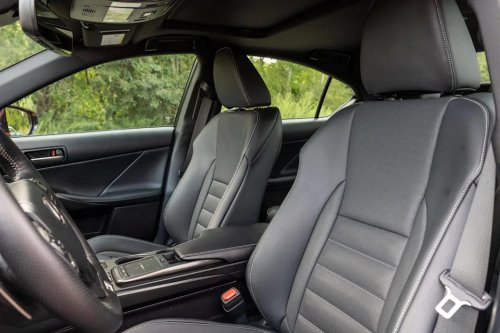
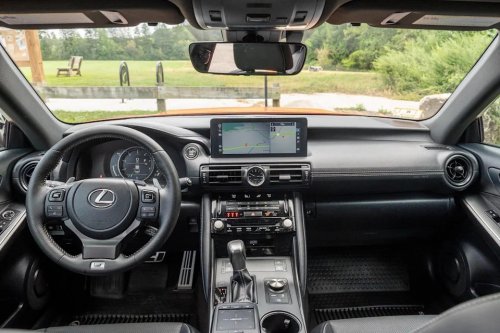
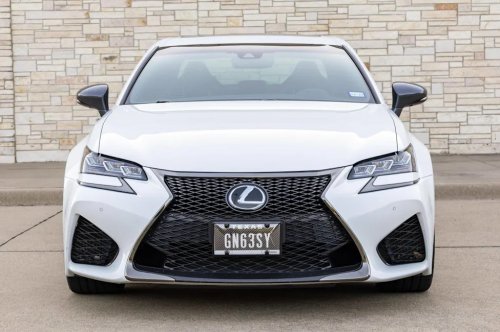
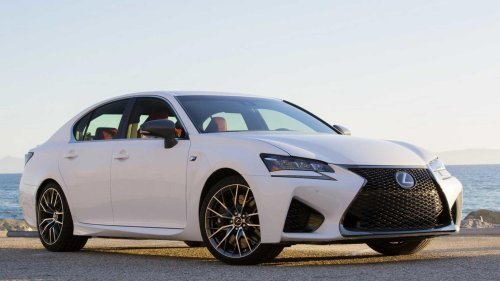
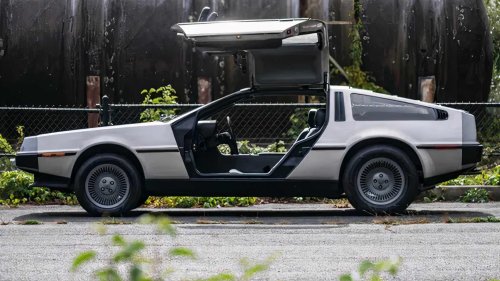
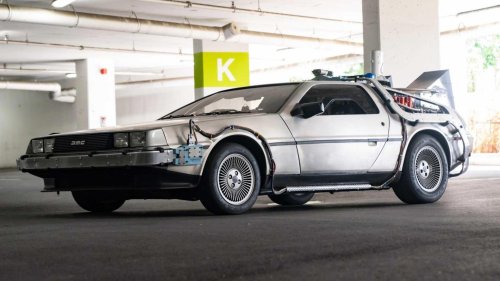
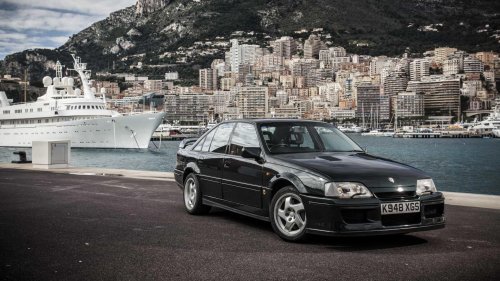
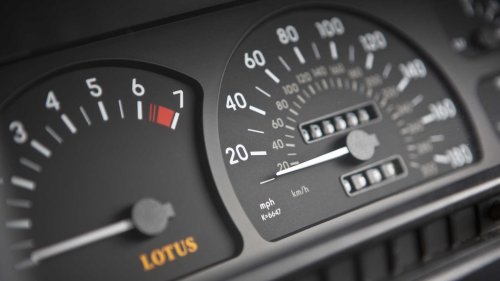
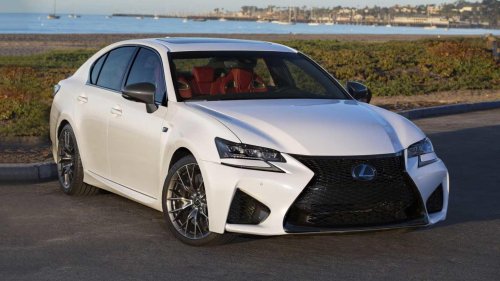
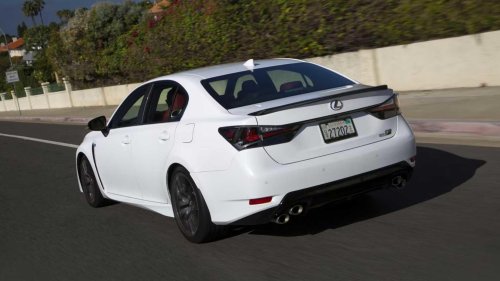
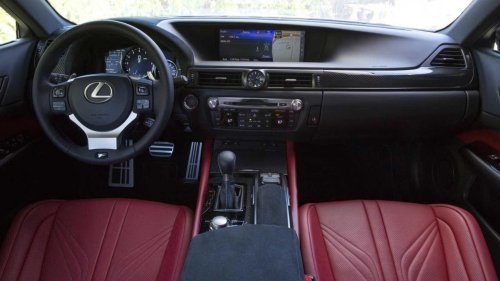
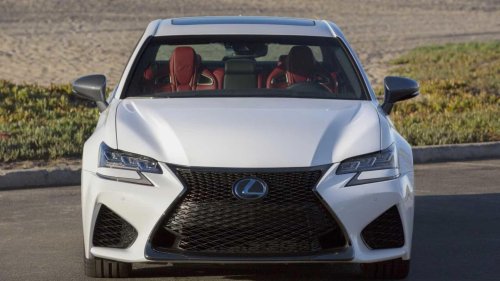
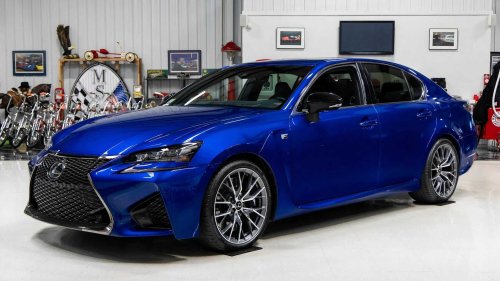
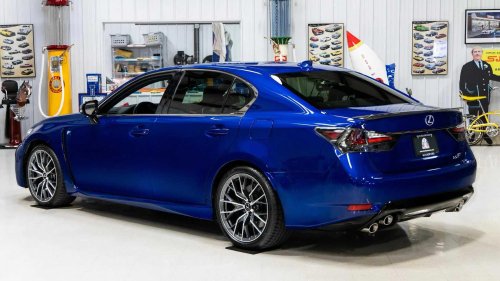
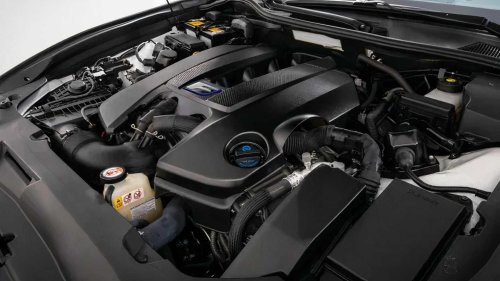
Performance cars tend to leave a lasting legacy when they push the boundaries of speed or handling. We place value on cars with the highest top speed, the quickest acceleration, or the highest cornering Gs it can sustain in a corner. Perhaps there are also bragging rights in a car that has set a Nürburgring lap record.It’s easy to remember a vehicle that has set a measurable record, but not all performance cars are remembered for their superlative stats. For today’s article, we’re focusing on a performance car that doesn’t necessarily set speed or handling records.In fact, this vehicle didn’t even set any records. But there are performance cars that are remembered due to the sheer brilliance of how they drove. When this car was new, it wasn’t the fastest in its segment. Immediately, some buyers even found it incapable. Today, in 2026, car enthusiasts are now seeing the value of this vehicle. Unexpected Icons Bring A Trailer The vehicle in question for today’s article was a performance car that only a few probably expected would become desirable in 2026, but there are other unexpected classics that came onto the market in the past as well. Going Back To The Future Bring a Trailer Here’s a performance vehicle you probably least expected to see in this article, but this car became an icon for reasons that had nothing to do with how great the car drives. I’m talking about the DMC DeLorean (aka the DMC-12). That’s because the company that built it suffered from a lot of financial problems, which also led to a vehicle that looks gorgeous but drives poorly and feels like it was falling apart.Alas, only 9,000 units were built. Its popularity would be cemented not through motorsports or an amazing driving experience, but through a movie called Back to the Future. The wedge-shaped design, stainless steel exterior, and gull-wing doors were perfect attributes for a car that was meant to star in a movie about time-traveling to the future. Today, there’s a small but loyal following of the DMC DeLorean, and you can bet that almost every automotive museum worldwide has one on display. The Four-Door Lotus Lotus Here’s a performance sedan that didn’t sell in huge numbers but would become renowned for its excellent driving dynamics. Before the fully electric Emeya, Lotus had a sedan in 1990 called the Carlton. It wasn’t a ground-up Lotus design, since what the British sports car manufacturer did was extensively upgrade the Vauxhall Carlton, which is also called the Opel Omega.It began with Opel’s own 3.0-liter inline-six, which Lotus added twin turbos, among other upgrades. The extensively upgraded chassis necessitates the wheel arches to be widened to accommodate the wider track. The results of these upgrades were spectacular. When the Carlton came out, it was praised for its sheer speed and handling. It severely outmuscled even the BMW M5 at the time, and it was keeping pace with Porsches and Ferraris.Lotus A recession came in, and not a lot of people could afford it. It also suffered from a little bad press, namely in 1993 when thieves in the UK used a Carlton to outrun the police. Yes, they did get away, because it was simply too fast for the cops to catch. Automotive media at the time even questioned why a sedan should be that fast. Plus, due to its blend of practicality and performance, which made it a target of thieves and joyriders, the UK government even attempted to ban the car. But hey, we’re in 2026, where electric sedans easily exceed more than 1,000 horsepower, and no one from the morality police seems to be complaining. These factors led to the Carlton’s demise, but now, in 2026, this rare model (only 950 were made) is highly celebrated. Indeed, misunderstood and villainized at its time, but it is now a prized possession. The Misunderstood Lexus GS F Lexus This leads us to another misunderstood sports sedan that was deemed inferior next to its German rivals when it debuted. Say hello to the Lexus GS F, a sedan that didn’t make a mark for sheer speed but is now celebrated for being genuinely fun and emotional to drive. It Was An Underperformer Lexus The Lexus GS F debuted in 2015 for the 2016 model year, and it was produced until 2020. The luxury sports sedan is first and foremost a numbers game, so when it was announced that this vehicle's 5.0-liter V-8 produces 467 horsepower and 389 pound-feet of torque, it was already dismissed as being a lot slower than the Germans. The 2016 BMW M5 produced 560 horsepower, which was then upgraded to produce 600 to 625 horsepower a few years later when the F90-generation finally debuted with an M5 Competition version. The Mercedes-AMG E 63 and E 63 S also got a generational update in 2017, wherein they now produced 563 to 604 horsepower.The GS F also didn't come with all-wheel drive (AWD)—only rear-wheel drive (RWD). Though there was nothing wrong with that, the Germans offered an AWD system that could switch to RWD, effectively giving you two cars in one. As a result, performance-wise, the German rivals literally ran rings around the GS F. The GS F was clearly at a disadvantage in the numbers game, and even when it came to lap times. But, Here's Why It's Highly Valued Now 2019 Lexus GS F Sport interior shot showing dashThough the GS F didn't excel in outright speed and the highest cornering Gs, it succeeded in one important aspect—being an emotional sports sedan. You see, its German rivals had all the performance superlatives, but what the GS F had was a tactile driving experience. Our team had the pleasure of reviewing the GS F back in 2016. Yes, it isn't as sporty as the Germans, but it offers so much more emotional connection with the driving experience. The 5.0-liter naturally aspirated V-8 sounds heaps better than the turbocharged German V-8s, and Lexus even developed a vacuum-operated secondary air box to pipe in noise at above 3,000 rpm — at a time when BMW was piping in fake engine noises in the M5. 0-60 MPH took around 4.5 seconds, while top speed sat at a respectable 168 MPH.LexusAnd then there's the handling. Again, the Germans would post the highest cornering Gs on a skid pad, but the GS F was already sporty and capable enough. The steering may not have the best feel, but it still provides enough feedback and sharpness to remain sporty. The suspension and torque-vectoring differential (TVD) help in managing the vehicle's body movements, too. In the most superlative of sportiness, the GS F will be outgunned by the Germans. They'll undoubtedly set Nürburgring lap records, but you'll hardly reach their high handling limits on a public road—let alone a track that isn't as edgy as the Nürburgring. The GS F? Its handling limits are simply high enough to remain enjoyable on track, whilst still being reasonably fun within legal speeds.Lastly, there's a saying that a Lexus will always be a Lexus, and that couldn't be any truer with the GS F. The ride becomes supple, and the refinement is very hushed. The GS F does an excellent job of doing the luxury car aspect first and foremost. Oh, and did we mention this is one heck of a reliable machine? Again, a Lexus will always be a Lexus, and that includes reliability and ease of maintenance. Fans Have Already Taken Notice Bring A Trailer Due to the GS F's redeeming qualities of emotional driving and bulletproof reliability, this sports sedan is now being highly valued in the used car market. Industry Analysts Already See A Trend Bring A Trailer Luxury magazine Robb Report has already taken notice of the Lexus GS F as a potential future classic. Thanks to factors like strong resale values being observed on Bring a Trailer, there's indeed high desirability for the GS F among collectors or simply used car buyers who crave an exceptional sports sedan.In fact, when checking out Kelley Blue Book, resale values for the GS F tend to be on par or even higher than the BMW M5. On average, a 2020 M5's used price is $48,770, while a 2020 GS F's average used price is slightly higher at $53,000. You also have to remember that the M5 had a higher brand-new price than the GS F, so in terms of depreciation, it is clear that Lexus still maintains its reputation for high resale values even among performance cars. It'll Be Your Reliable Steed Bring A Trailer There's a reason why modern German luxury sports sedans are rarely kept for a very long time, and that's because maintenance can get exponentially more expensive as it ages. The Lexus GS F, on the other hand, is engineered like a Toyota. No turbos means the V-8 is a lot simpler. It's also a far easier car to work on versus its German rivals. As a result, the GS F isn't just easier to maintain, but it's cheaper, too. RepairPal estimates that the average running or maintenance costs for the GS F are $499, which is less than half of the $1,173 that you'll end up paying annually with a BMW M5.Though it is reliable, do take note of valley plate coolant leaks, which are the result of the factory sealant degrading over time. It's a repair that can cost more than $1,000. Recently, the GS F, along with the RC F, has been the subject of a fuel pump recall. It has been discovered that the low-pressure fuel pump could swell, leading to the engine stalling. Of course, this is going to be free of charge anyway. Apart from that, the GS F is just as easy to maintain and own as many other V-8-powered Toyota and Lexus models.Sources: Lexus, KBB, RepairPal, Bring a Trailer, Robb Report



















 +54 others