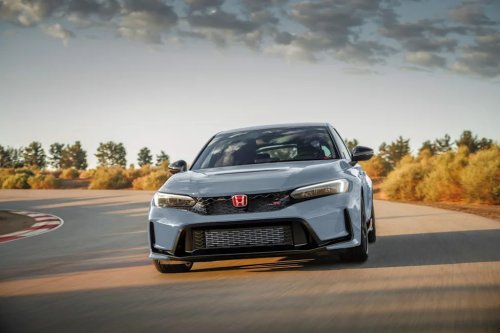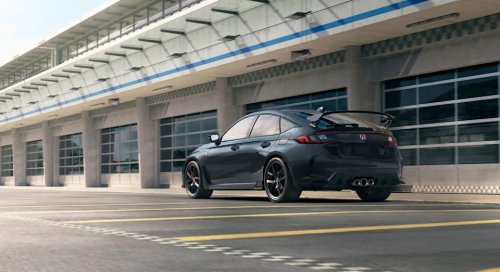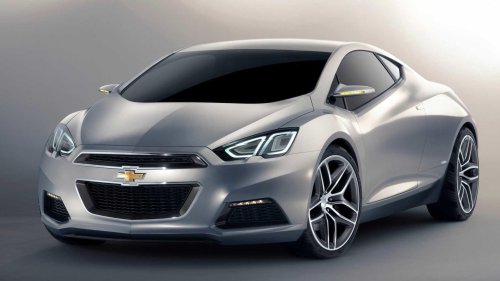
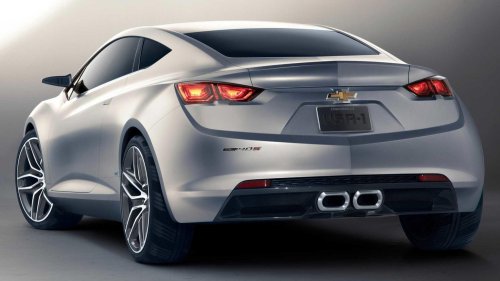
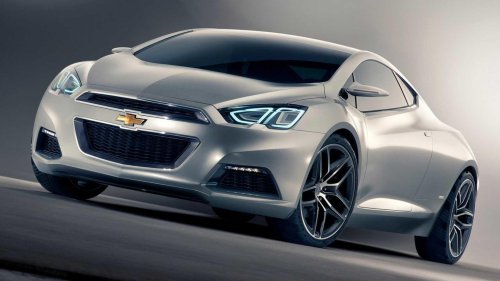
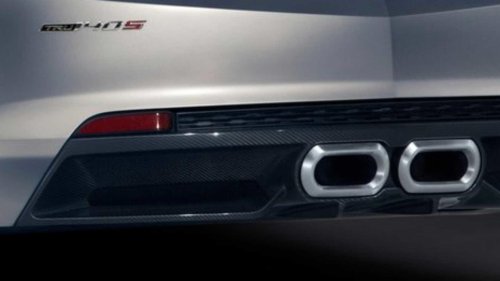
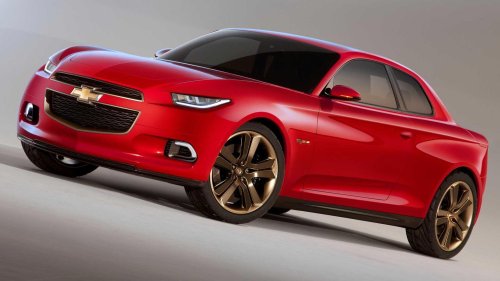
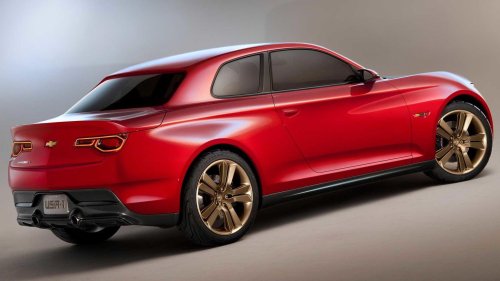
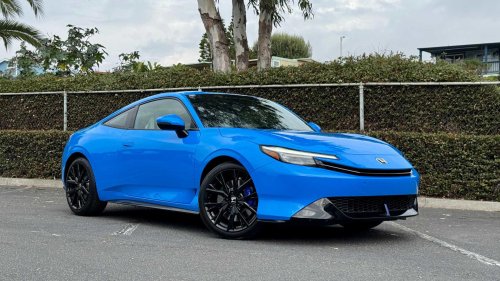
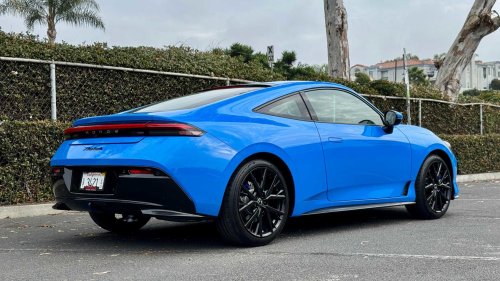



















In today’s automotive world, crossovers and SUVs increasingly rule the roost, and the prices of new vehicles soar higher every day. As a result, the idea of a sporty coupe that’s also affordable and relatively cheap to run, thanks to a highly efficient hybrid powertrain, can seem like a pipe dream.However, nearly 15 years ago, one automaker attempted to do just that. Chevrolet unveiled a concept car that was made with the millennial customer in mind. The Tru 140S concept was sporty and stylish, with just enough practicality to make it a viable daily driver, and easy on the wallet, too. There’s just one problem: the Tru 140S never made it to a production line. It remained at the concept stage and was eventually consigned to the archives of automotive history. Today, we are taking a look back at a model that could potentially have competed against a hybrid sports coupe like the new Honda Prelude. The Chevrolet Tru 140S: A Hybrid Concept Ahead Of Its Time ChevroletThe Chevrolet Tru 140S concept debuted in 2012, as part of a duo of hybrid sports coupe concepts that also included the Code 130R (more on that one later). The Tru 140S was the product of research into the purchasing habits of young car buyers, more specifically the early Millennial cohort – people born in the 1980s, who came of age around the turn of the millennium. Research into their consumer habits, as well as direct feedback from young people at the time, contributed to Chevrolet’s design process, resulting in a sporty yet practical vehicle with a coupe body and a hybrid powertrain.The Tru 140S used a 1.4-liter turbocharged Ecotec engine paired with the eAssist hybrid system. The eAssist tech is a type of parallel hybrid system that significantly improves fuel efficiency, with the Tru 140S reportedly achieving around 40 mpg.The Tru 140S was built to be affordable to fit the typically smaller budgets of Millennials in their 20s. Had Chevrolet decided to create a production model based on the concept, the estimated price would have been around $20,000 (roughly $28,000 in today’s money). However, the vehicle was also fitted with several features usually found in more expensive models at the time, such as stop-start technology and direct fuel injection.Chevrolet The Tru 140S arrived at the infancy of the hybrid powertrain boom in the mainstream automotive market. The concept anticipated trends that would not fully materialize for another few years. Over the course of the decade and a half since the concept car’s introduction, automakers worldwide have embraced electrification and hybridization, launching countless hybrid and fully electric models to modernize their lineups and reduce emissions. The Tru 140S' Design, Interior, And Tech ChevroletThe Tru 140S was created with young people in mind. The practicality of a sedan was squeezed into a sleek, sporty performance coupe, creating a vehicle that balanced the transport needs of a couple or small family with a stylish silhouette. The hybrid powertrain was another indicator of the Tru 140S’s target market. In 2012, when the concept car was released, concern over the environmental impact of vehicle emissions was growing rapidly. The hybrid powertrain, which had exploded onto the mainstream a decade earlier with the Toyota Prius, was beginning to pick up momentum.ChevroletThe youthful character of the Tru 140S’s interior included innovative storage solutions to maximize practicality. The interior was also very high-tech for the time, with plenty of connectivity features on board. The modern, seamless systems we are used to today, such as Apple CarPlay and Android Auto, were still a few years away. However, Chevrolet included the MyLink infotainment system in the Tru 140S, which allowed users to connect their personal devices to the vehicle. There was also a WiFi hotspot on board, as well as a head-up display.The connectivity features were included not just to make the concept car a state-of-the-art one, but also to implement the key principle of personalization, which had guided the Chevrolet team during the Tru 140S’s design. Here is what Frank Saucedo, director of the GM North America Advanced Design Studio in Los Angeles, had to say about the concept’s interior:This buyer prizes connectivity. Allowing them to stay connected by integrating their personal devices through MyLink and WiFi [enables] the vehicle to be their own docking station.-Frank Saucedo, GM North America Advanced Design Studio The Tru 140S' Sister Concept: The Code 130R, Another Sporty Coupe ChevroletThe Tru 140S was revealed alongside another Chevrolet concept. The Code 130R used the same powertrain and was also aimed towards a youthful audience. Like its sibling, the 130R had a two-door, four-seat sports coupe body style. However, the design was more oriented towards the past. It was slightly less futuristic and more visually inspired by classic Chevrolet models. The main source of inspiration was the 1962 Nova (also known as the Chevy II), the very first incarnation of a legendary model that would remain on the market for nearly three decades.Although the Code 130R had a similar grille to the Tru 140S, with two distinct sections separated by the Chevrolet logo in the middle, it had smaller, narrower headlights with a more horizontal slant. The Tru 140S, on the other hand, had larger headlights placed at an upward angle, which gave the front end a more modern-looking shape.Chevrolet Like the Tru 140S, the Code 130R did not result in a production model. It remains a testament to Chevrolet’s commitment to innovation and its will to stay ahead of the curve. By combining traits that appealed to young drivers with characteristics inspired by classic Chevys, the automaker created something unique: a blend of old and new that, if allowed to flourish, could have resulted in a highly interesting production car. What The Tru 140S Could Have Competed Against: The New Honda Prelude Jared Rosenholtz/CarBuzz/ValnetWith its sporty design, coupe body, and hybrid powertrain, the Tru 140S anticipated many of the features of a model that arrived over a decade later: the new Honda Prelude. If the concept had resulted in a production model rather than fizzling out in 2012, that car could have realistically been a competitor to the new Prelude, which also takes pride in being a youthful, dynamic hybrid sports coupe.The Prelude built up a lot of hype among car enthusiasts when it was first announced: it marked the return of a historic nameplate which had first been introduced in 1978 and had disappeared from the market in 2001. The new model was introduced 25 years later, going on sale for the 2026 model year. Despite having big shoes to fill, it managed to live up to the original's reputation, embodying its sporty, engaging personality in a modern guise.Jared Rosenholtz/CarBuzz/Valnet Its sleek silhouette very loosely echoed the classic Prelude, while simultaneously having a fresh new character all its own. This model was also the first in the Prelude family to have a liftback body shape, which increased trunk space and made the model more practical without sacrificing style or sportiness.The new Prelude is equipped with a single powertrain choice, the same as the Civic’s hybrid: a 2.0-liter inline-four engine paired with a single electric motor, producing a total output of 200 hp.The Prelude’s interior is very similar to the Civic's; however, a few key elements have been modified to distinguish the model visually. These include the aluminum paddle shifters, the dashboard, the center console, and the sporty, leather-upholstered front seats.In an alternate reality where Chevrolet pursued the Tru 140S a little further, turning it into a production reality rather than leaving it at the one-off concept stage, the brand could have created a modern, vibrant hybrid that could have gone head-to-head with the new Prelude.Sources: Chevrolet, Honda