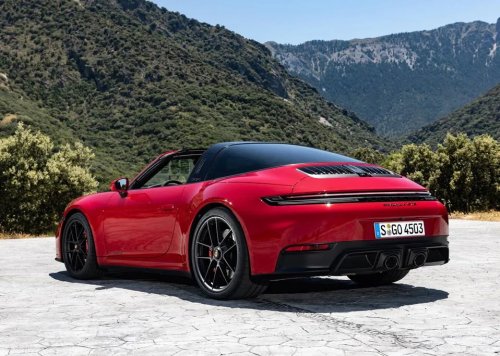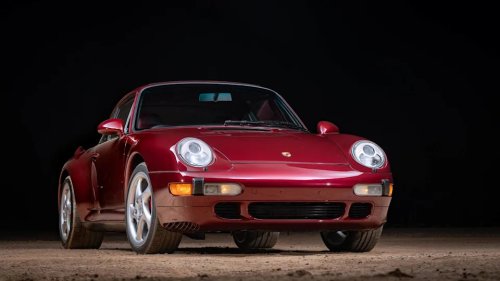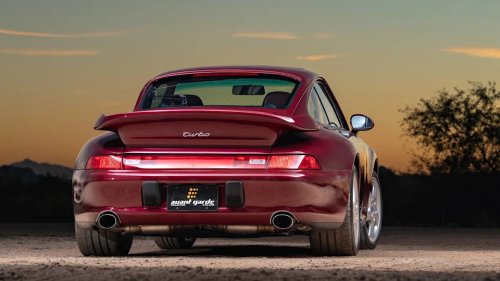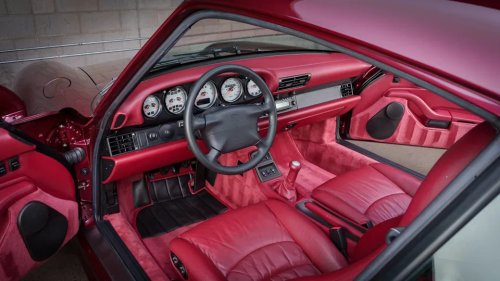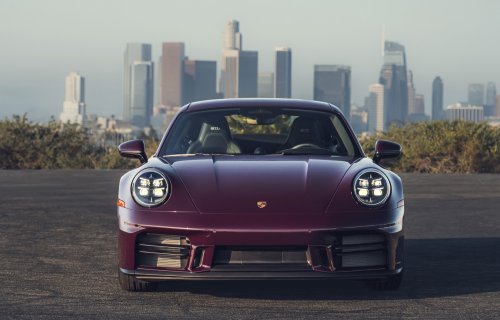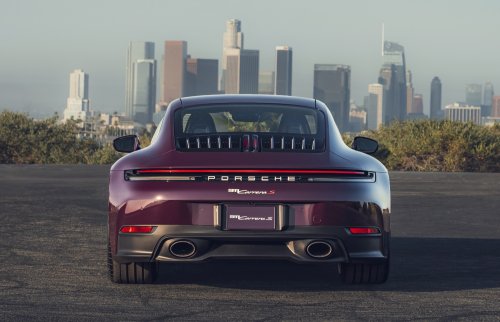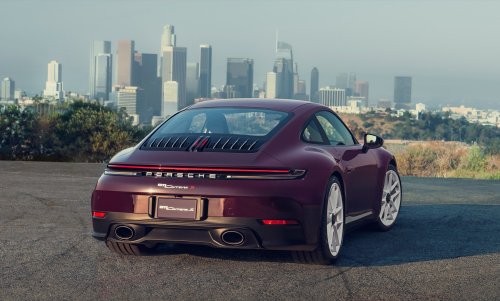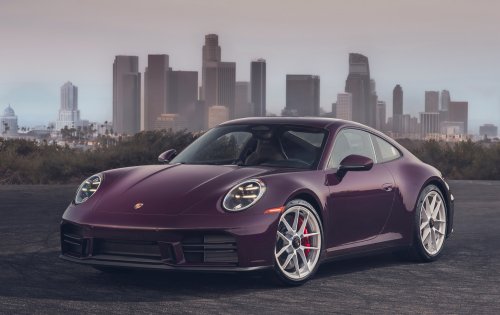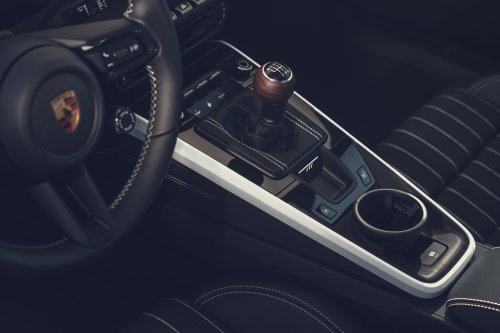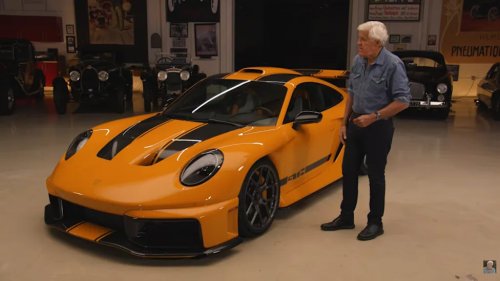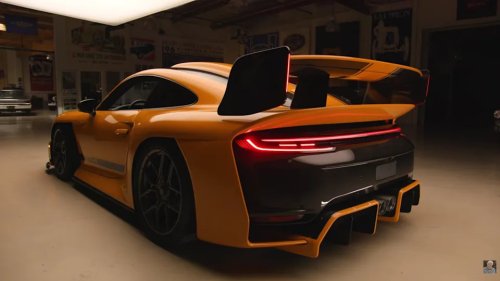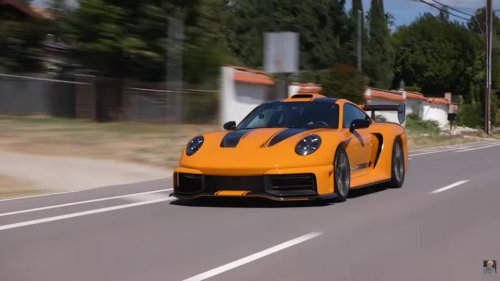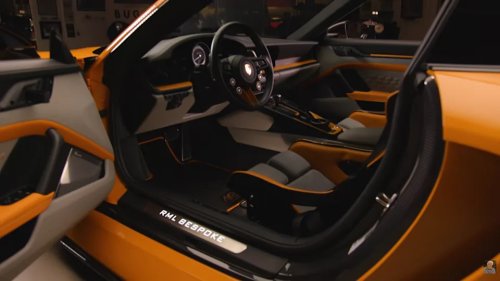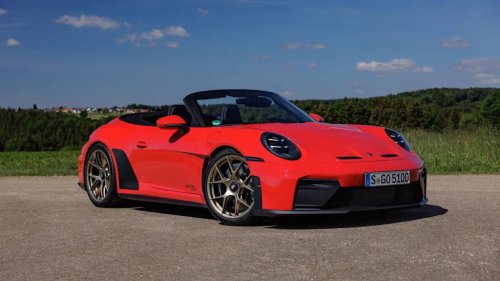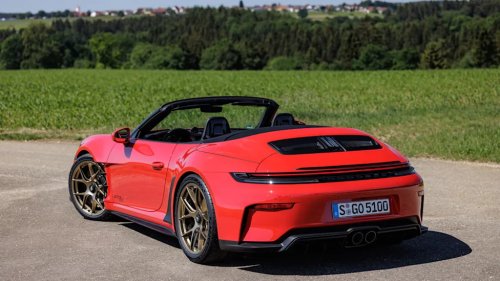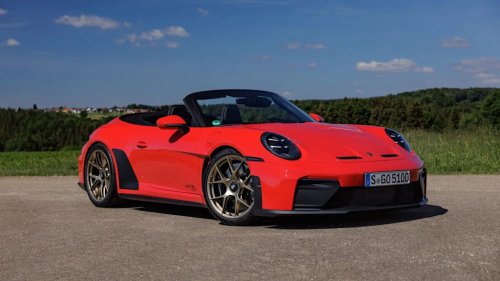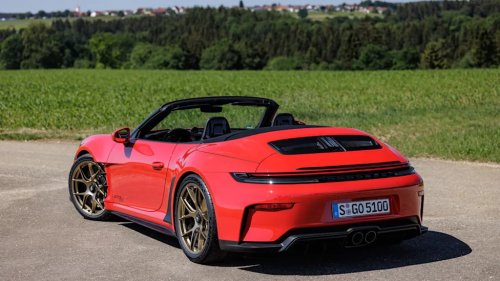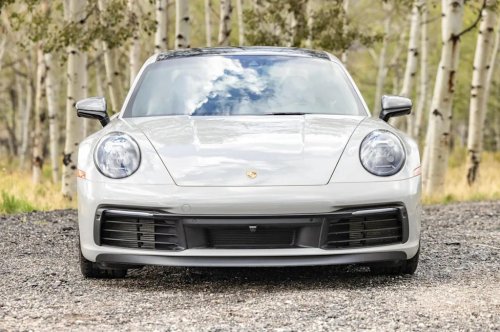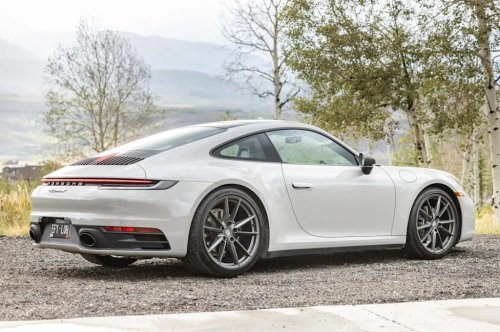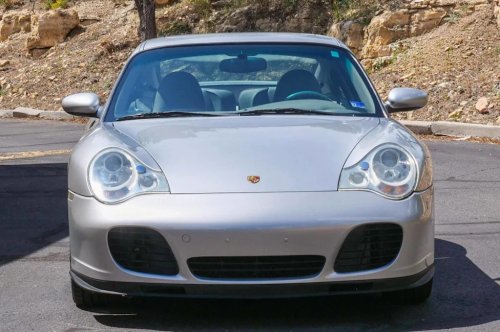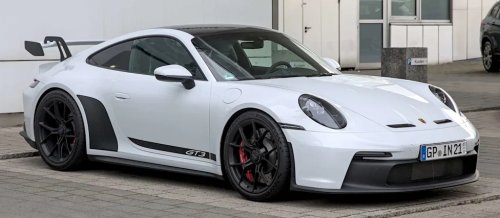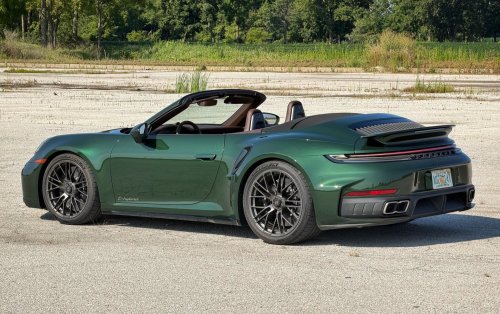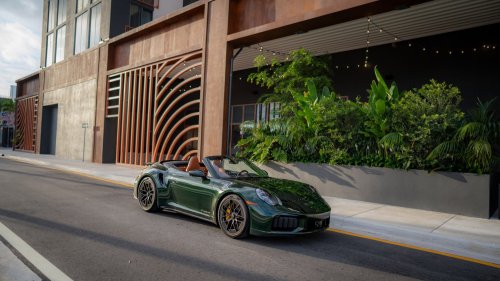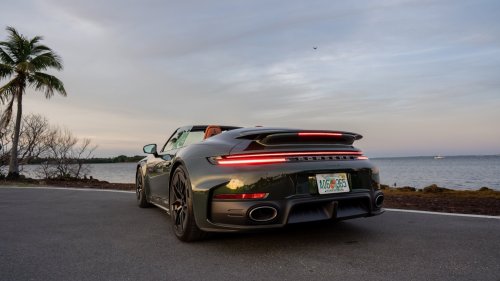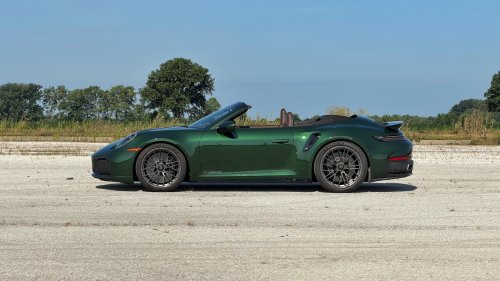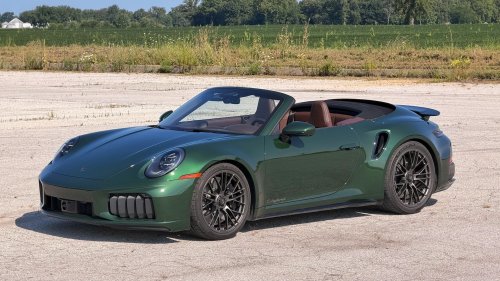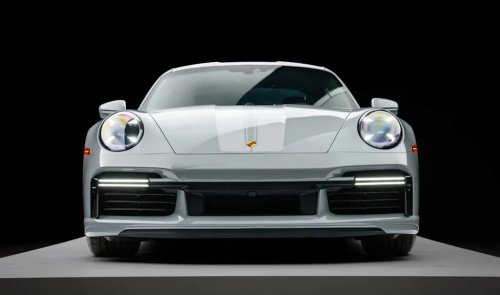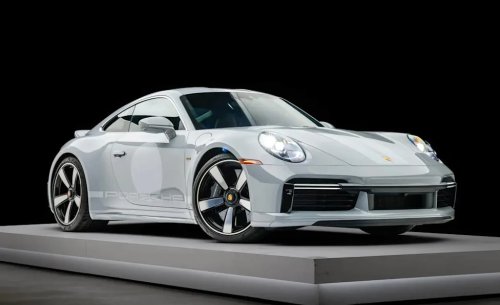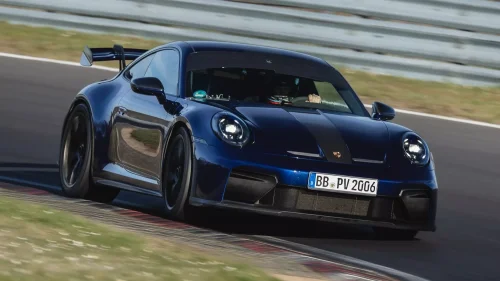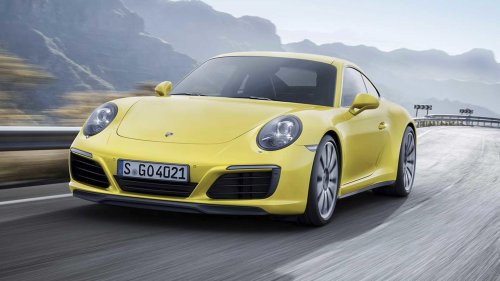
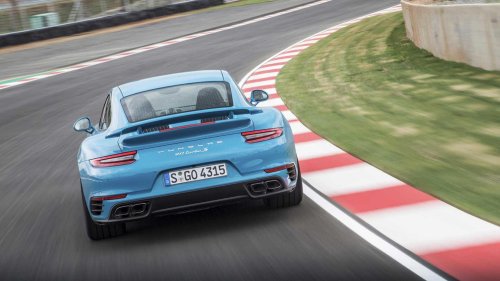
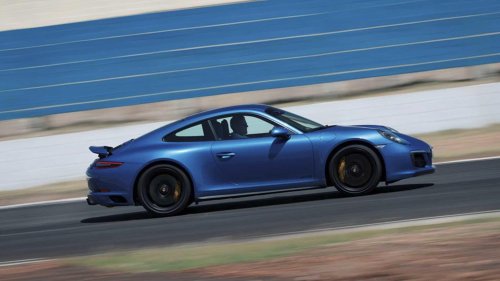
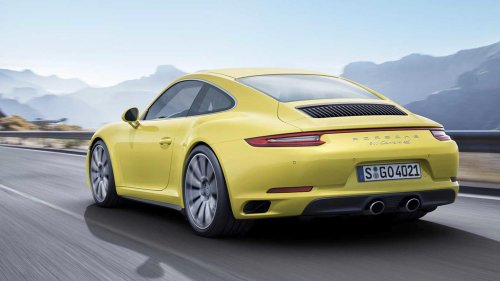
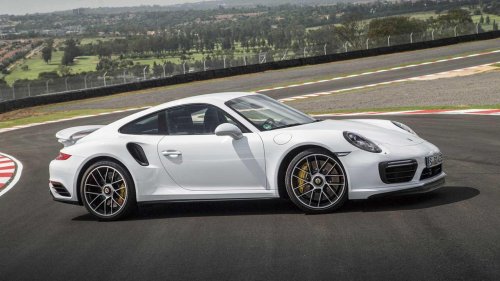
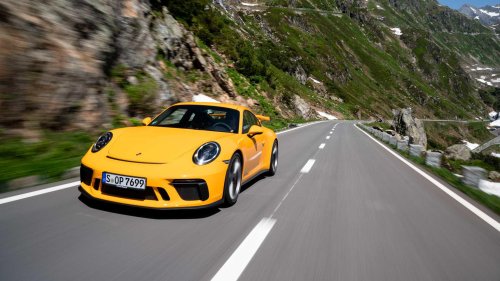
















While the traditional way of powering a Porsche 911 is by equipping it with a naturally aspirated flat-six engine, unless it's a rabid Turbo or GT2, of course, Porsche went against the grain in 2017. Feeling the pressures of affording its halo sports car with more power than ever as its rivals played around with forced induction, as well as those regarding building more fuel-efficient powerplants, the German brand finally treated its lower-end 911 variants to turbocharged engines. This included practically the whole 911 range, from the base Carrera to the hardened GTS version, alongside the already turbocharged Turbo and GT2 variants.While the extra power may sound tempting, perhaps there's the thought that buying a used turbocharged 911 may bring more maintenance concerns than an equivalent naturally aspirated number. Fortunately, the reality isn't as glum as you may think. Well-Used 2017 911s Can Be Found With A Tempting Discount Porsche The first editions of the 991.2-generation 911, which featured twin-turbocharged flat-six engines pretty much across the board, arrived in the US for the 2017 model year. If you fancy picking up an entry-level Carrera 2, which has the lowest-powered variant of Porsche's 3.0-liter twin-turbo unit, you can pick up a specimen with around 50,000 miles on the clock for close to the $70,000 mark.Considering a brand-new example would have set you back just shy of $90k just over half a decade ago, a figure which low-mileage examples do still command, this is a pretty handy saving on a well-looked-after 911. For a Carrera 2S, which features an upgraded version of the powerplant, tack on an extra $10k.The same goes for if you want an all-wheel drive 911 Carrera 4, which gets the same base engine as the standard Carrera, but with the added traction that comes with Porsche's advanced AWD system. These come in between $90k and $100k, with the S version of these again demanding around another $10,000 on top. Then we come to the Carrera GTS, which is available in rear and all-wheel drive forms. These are more expensive, with tidy examples sporting around 40,000 miles on the clock going for close to their original $120,000 MSRP. Cars with fewer miles on the clock go for far beyond this outlay. The Supercar-Busting Turbo Also Promises Solid Savings Porsche While the mental GT2 RS is more of a track weapon than an everyday performance vehicle, the standard Turbo combines huge power figures with daily usability. Nice examples with decent mileage can be picked up at around the $120k mark at the moment, around $40,000 down on the car's original MSRP. If you want to go all-out and secure yourself an even more powerful and aggressive Turbo S, expect to hand over an additional $20k for one in equivalent shape. Other than the rarer GTS, you can save plenty of money on the 2017 Porsche 911 range. Happily, they're also pretty dependable. The 2017 911 Has Proven Extremely Reliable Porsche In the near-decade since the 991.2 was first unleashed, it has proven immensely dependable across its various guises. The twin-turbocharged engine and its accompanying manual and automatic PDK gearboxes have proven bulletproof over the years when properly maintained, with no consistent issues out there to worry about. The engine is pretty frugal when it comes to oil consumption too, while any minor issues can usually be fixed with software updates. The same goes for the car's underpinnings, with most problems tending to regard usual service items, like brake and suspension components, as well as tires. Being a performance car, the 911 tends to get through these parts quicker than others, especially when driven the way it was designed to be.The most consistent ailments reported with the 991.2 cover the general fit and finish of its cabin. Various squeaks and rattles are known to plague the cabin when traveling over larger bumps, so make sure to test drive your potential future pride and joy beforehand to ensure there are no frustrating noises present. They shouldn't be too difficult to sort, but it can be annoying finding the source of the problem in the meantime.This doesn't mean the 2017 911 is cheap to run though, given the kind of parts the vehicle needs to run at its best. RepairPal reports you'll need around $1,152 per year to keep it singing the right tune, but this outlay should afford you a rapid sports car that won't leave you stranded. Choosing The Right 911 Can Be Tricky Porsche Picking one of the many 911 flavors can be pretty daunting, but they're all relatively self-explanatory when you look deeper. The standard Carrera and Carrera 4 models get the least powerful 3.0-liter twin-turbo flat six available, which kicks out 370 horsepower to the rear or all four wheels. The S versions are practically the same, but these boast an enhanced 420 hp version of the powerplant. There are convertible versions of these models too, as well as a removable hard-top panel version called the Targa.The GTS is the next step-up, and gets a further breathed-on variation of Porsche's classic engine, which now channels 450 hp to the driven wheels. In addition, the GTS also gets more aggressive exterior styling, which includes a new aerodynamic package which boosts downforce considerably. Furthermore, it gets Porsche's Active Suspension Management system as standard, which comes bundled with a lower standard suspension setting that is 0.4 inches lower than the standard Carrera and Carrera S models. As a result, it provides a hardened and more engaging handling balance. The Turbo Is For When You Want To Reverse The Earth's Center Of Gravity Porsche Then you come to the Turbo. The base version gets an enlarged 3.8-liter version of the engine, which makes 540 hp and sends it to all four wheels. The AWD system uses torque vectoring to maximize grip, as well as active aero to enhance grip and stability at high speed. The more potent Turbo S gets a pair of larger turbos strapped to the powerplant, which increases peak output to 580 hp. This allows it to reach 60 mph in under three seconds, while its carbon ceramic brake package ensures it can stop nearly as quickly.There is a type of 2017 911 for everyone, and happily, all of them are cheaper on the used market and to maintain than you may have originally thought. Just One Version Of The 911 Remained NA Porsche While Porsche introduced turbocharging to the vast majority of its 911 offerings, one remained purely NA. The model in question was the GT3, which has acted as the track-focused and raw version of the car since 2003. Lightness and simplicity have always been the key buzzwords accompanying the vehicle, and Porsche wanted to preserve the rawness of the model by retaining an NA flat six. As a result, the 2017 GT3 came with a 4.0-liter unit, which still managed to produce 500 hp.It was also more responsive than the twin-turbo engine, given the unit didn't have to wait for the turbos to spool up before unleashing its full potential. The GT3 remains naturally aspirated to this very day, making it the ideal option for Porsche buyers looking to own a modern example that fits the original recipe as closely as possible.