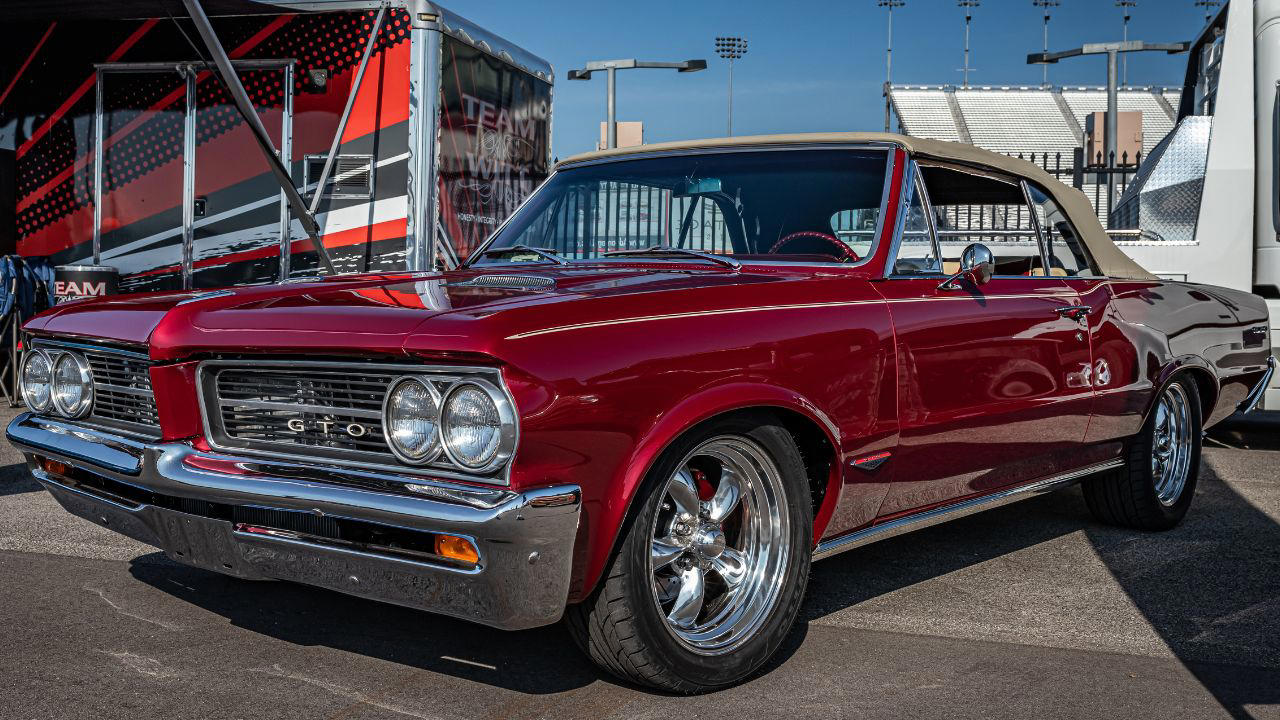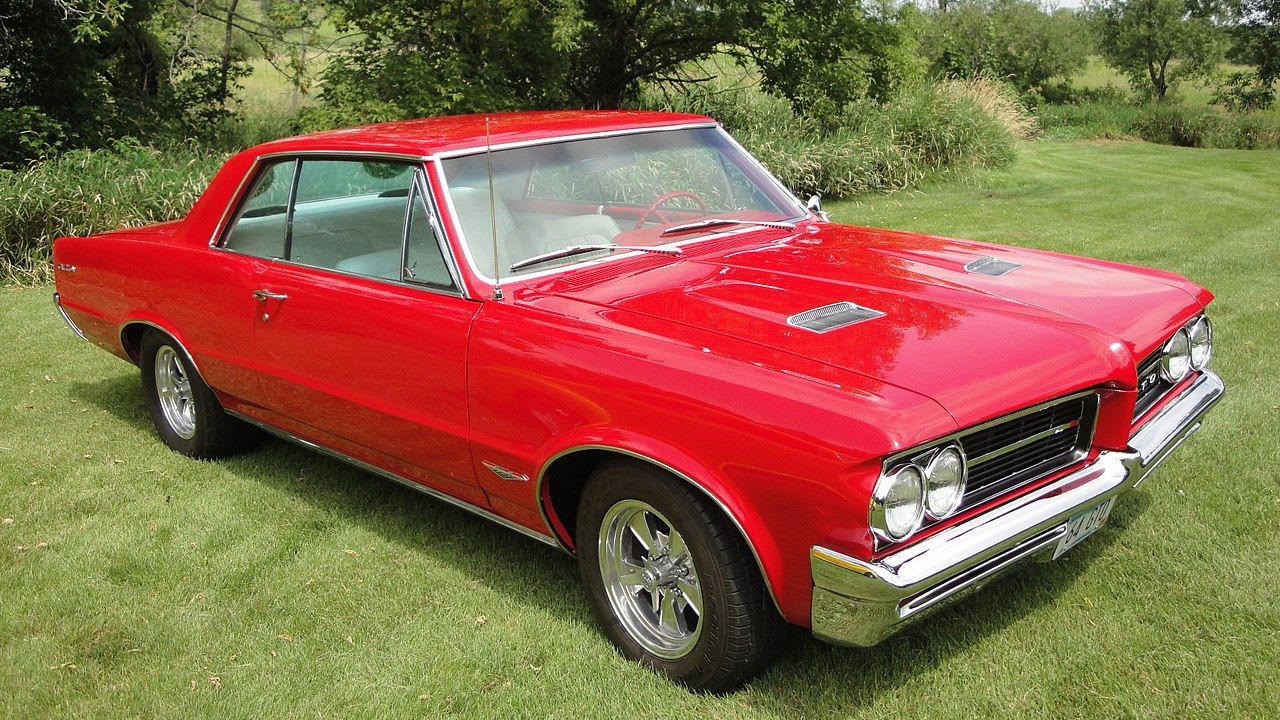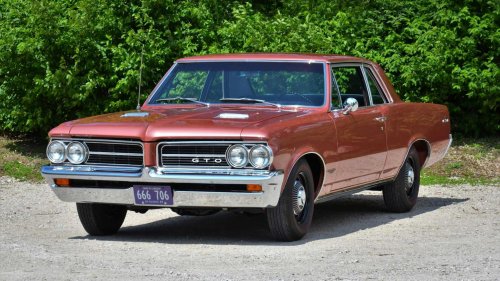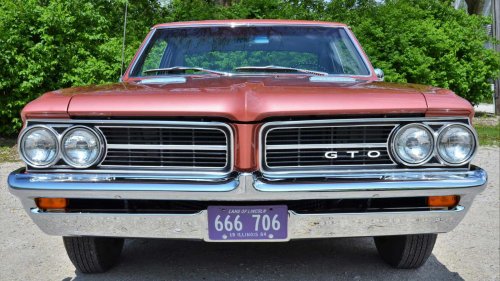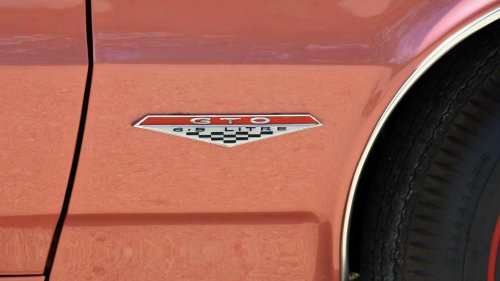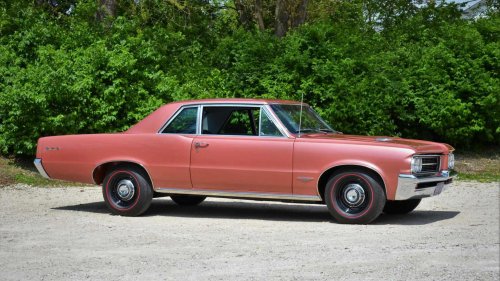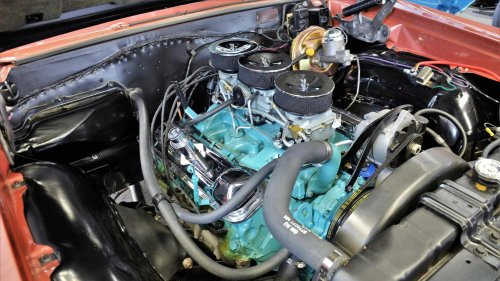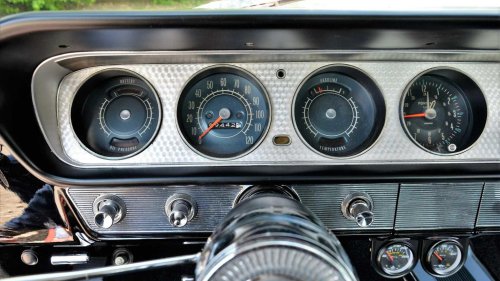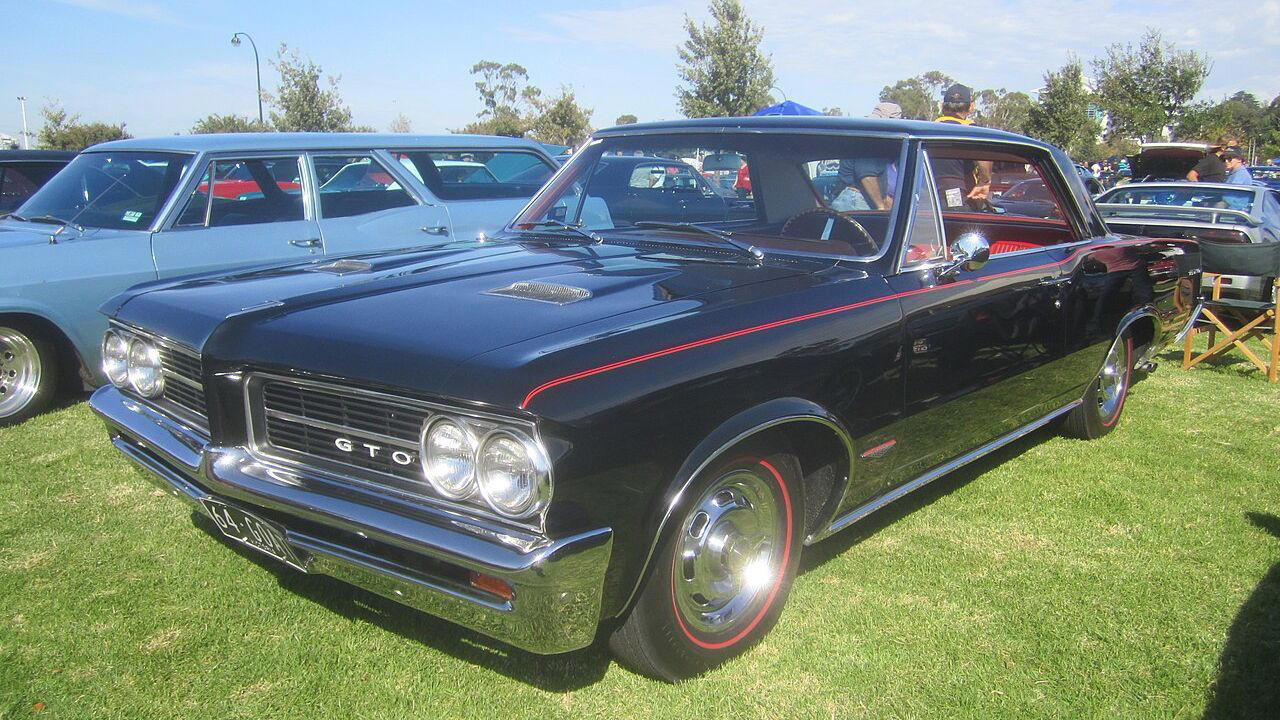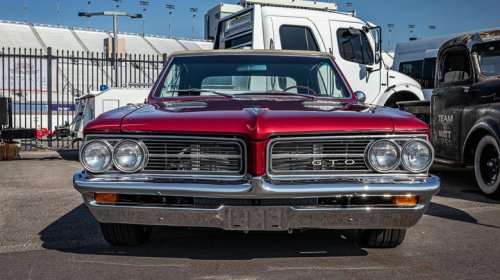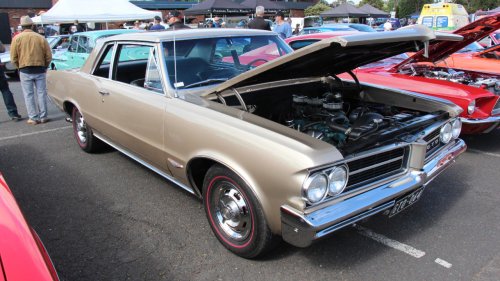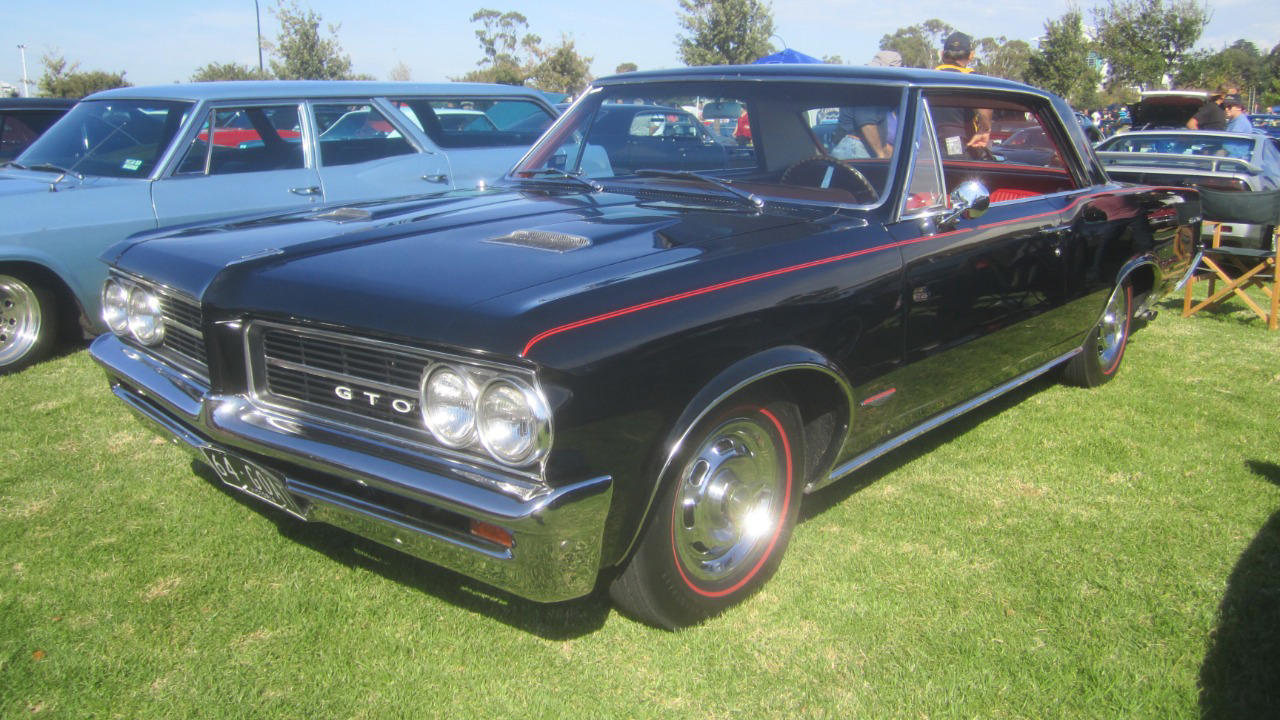



















A 1964 GTO doesn’t feel old it feels honestThe first Pontiac GTO arrived in 1964 as a simple option package on a midsize coupe, yet six decades later it still feels startlingly direct. The car does not come across as a fragile antique so much as a machine that tells the truth about speed, grip and noise. In an era of filtered driving experiences, that honesty is what keeps the original GTO relevant. The car that accidentally started a movement When the Auto Editors of Consumer Guide profiled the 1964 Pontiac GTO, they emphasized how it came in three straightforward body styles, including a no nonsense coupe that wrapped big power in an ordinary shell. The package was basic: a midsize Pontiac with a large V8, a manual gearbox and a suspension tuned more for enthusiasm than comfort. The editors framed it as a car that did not pretend to suit every driver, and they described how the Pontiac GTO invited buyers who valued performance over subtlety. Pontiac itself leaned into that candor. In one period description, the company said, Said Pontiac that the GTO was not everyone’s cup of tea, and admitted that its suspension was firm and its exhausts would not win prizes for whispering. That factory language reads almost like a warning label, yet it also sounds like a promise. The company did not try to disguise the compromises that came with a car built for acceleration. That mix of ordinary sheet metal and extraordinary intent helped define what later became known as the muscle car formula. The GTO took the idea already present in cars such as the Pontiac Grand Prix and pushed it further, making raw performance available in a relatively affordable package. The honesty of the brochure copy matched the straightforward engineering under the hood. On the road, honest in performance Period road tests treated the 1964 GTO as a serious performance car, but they also refused to romanticize its flaws. A detailed vintage review described how the handling characteristics were less Ferrari GTO and more like the typical American car of the time, with strong understeer that shifted to predictable behavior once the driver understood its limits. That same report concluded that what set the Pontiac apart was its performance that felt truly honest rather than exotic or fragile. Modern readers can still see the car that generated those impressions. A series of archival images, shared through a Vintage Car Life and related galleries, shows a stock looking coupe with modest tires and a stance that hints at body roll long before the limit. The car is not pretending to be a European sports machine. Instead it offers a clear deal: power in a straight line, stability on a highway and enough grip for spirited driving if the driver respects physics. That candor about handling is central to why a 1964 GTO still feels straightforward rather than outdated. The steering is not quick, and the brakes require planning, but the car communicates its abilities without electronic filters. Where a modern performance car might hide body motions with active dampers and complex traction systems, the GTO asks the driver to sense weight transfer and adjust inputs accordingly. Old cars, direct experiences Contemporary video drives underline how that character translates to present day roads. In one clip, Jacob from the channel Old Cars Are The Best climbs into a 1964 Pontiac GTO and announces that he is here to drive it, with Yuri riding along and joking that they are definitely not going to launch this one. The pair instead opt for a rolling start so they can feel the car pull without abusing an aging drivetrain. Their conversation, captured in the 1964 Pontiac GTO video, revolves around how surprisingly usable the car feels in traffic. Jacob comments on the way the Pontiac GTO responds to small throttle inputs and how the car settles into a relaxed lope at speed. There is no drive mode selector, no adaptive exhaust, only a carbureted V8 and a chassis that moves around enough to keep the driver engaged. The absence of digital layers makes the experience feel more transparent rather than primitive. In a shorter segment that focuses specifically on the start of the drive, Jacob again introduces himself and the Pontiac GTO while Yuri cues up a gentle rolling floor instead of a hard launch. The Drive clip captures the moment the car transitions from idle to motion, with mechanical noises rising in a way that modern sound insulation would never allow. That soundtrack is not refined, but it tells the driver exactly what the engine and gearbox are doing. Factory specs without filters The basic specifications of the 1964 GTO help explain why it still feels so straightforward. The Auto Editors of Consumer Guide detailed how the car combined a large displacement V8 with relatively simple suspension hardware and drum brakes. There were no turbos, no fuel injection and no electronic driver aids. The car relied on cubic inches and gearing to deliver speed, and on the driver to manage the consequences. Another summary of the 1964 Pontiac GTO explains that the coupe body style was one of three ways buyers could order the package, and that the car sat squarely in the middle of Pontiac’s lineup. It did not carry the luxury positioning of a full size model, nor the stripped down image of a budget compact. That middle ground made the GTO feel approachable, and it still does. The car fits into a modern traffic stream without dwarfing or being dwarfed by surrounding vehicles. Because the mechanical layout is so simple, every input produces a clear output. Press the brake pedal and the car slows in proportion to leg effort. Turn the wheel and the nose responds with a slight delay that reflects the tall sidewalls and soft bushings. There are no hidden algorithms smoothing those transitions. How the later “Goat” changed the conversation To understand why the 1964 version feels so straightforward, it helps to compare it with later GTOs that chased outright speed. A ranking of the fastest Pontiac GTOs in history highlights how far the badge traveled. That list explains that the 6.0 liter GTO became the fastest Goat of all time before GM ended production, and that the 2006 model with an LS2 V8 could reach 60 mph in just 4.8 seconds. The same analysis, hosted at MotorBiscuit, notes that this modern GTO was a performance bargain even as it departed from the original formula. In that context, the 1964 car looks modest on paper. It cannot approach those acceleration figures, and it lacks the refinement of a 2000s interior. Yet the early GTO does something the later Goat of record breaking speed could not: it presents its limits and abilities without disguise. The modern LS2 car uses wider tires, stronger brakes and more complex suspension geometry to make its speed accessible to average drivers. The original demands more attention, but rewards that attention with a sense of partnership. Enthusiast forums reinforce this split. One Reddit user on r/cars described how a ride in a Pontiac GTO changed their life, then compared it with a GXP that carried a 6.2 liter engine. The comments praise the power of newer variants but hint that the experience feels different from the raw, mechanical connection of the earliest cars. Community memory and the meaning of RWD Debate over what makes a true GTO still plays out in owner groups. In one Facebook discussion titled “Pontiac GTO 1964 (first) 2006 (Last)”, a participant argued that the fact that a later model resembled a Grand Am or Grand Prix but was RWD and had solid performance is what made it a GTO. That same commenter insisted that on paper the modern version was superior in every single measurable way, yet the conversation quickly turned to questions of character and identity. The thread, preserved at a GTO group, shows how owners weigh rear wheel drive, styling and performance against the intangible feel of the original. The 1964 car set expectations that later generations struggled to meet, not because they were slower or less capable, but because they filtered the driving experience through more layers of engineering. For many enthusiasts, the first GTO represents a baseline. If a car carries that badge yet isolates the driver from road texture or engine vibration, it risks feeling inauthentic. The early Pontiac created that benchmark almost by accident, simply by being a relatively unrefined performance package sold in large numbers. Parallel stories: Grand Prix, Grand dreams The GTO did not emerge in a vacuum. Pontiac had already experimented with blending luxury and performance in models such as the Grand Prix. A post celebrating Daniel Guerrero’s pristine 1964 Pontiac Grand Prix describes how this car was considered a luxury model, yet Pontiac modified the Gran Prix to deliver one of the machines that helped start the muscle car era. The write up explains that this Grand Prix combined upscale trim with serious power and a distinctive end look that made the 1964 Grand Prix stand out. That description, shared by Original Parts Group through an image of Daniel, underlines how Pontiac treated performance as part of a broader design language. The GTO simply pushed that idea further by stripping away some of the luxury cues and making the performance message more direct. Where the Grand Prix balanced comfort and speed, the GTO leaned harder into the latter. This shared DNA matters because it shows that Pontiac understood the appeal of honest performance long before the GTO badge appeared. The company knew there was a market for cars that looked clean and purposeful while delivering strong acceleration. The 1964 GTO distilled that understanding into a single, focused package. How enthusiasts still test the myth Modern video reviews continue to probe whether the original GTO lives up to its legend. In one segment titled “This 1964 GTO Settles the Age-Old Classic Car Debate”, Tony Fleming of Fleming’s Ultimate Garage walks around a restored example and calls it the debate of all time. He frames the car as a reference point for arguments about which model truly started the muscle car era, then demonstrates how the Pontiac idles, revs and drives in modern conditions. The clip, available through Tony Fleming, shows a car that feels remarkably usable. The steering wheel is large, the interior is simple and the view over the hood is clear. When Fleming accelerates, the car squats and surges rather than snapping forward, yet the sensation of torque is immediate. That blend of accessibility and drama supports the idea that the GTO does not feel old so much as unfiltered. Other enthusiasts document their cars through photography. A shared pool of images on curbsideclassic captures Pontiac GTO examples parked on streets and in driveways, often with period correct wheels and paint. These photos emphasize how the car’s proportions remain attractive without aggressive body kits or oversized rims. The design communicates purpose without relying on modern styling tricks. More from Fast Lane Only Unboxing the WWII Jeep in a Crate 15 rare Chevys collectors are quietly buying 10 underrated V8s still worth hunting down Police notice this before you even roll window down