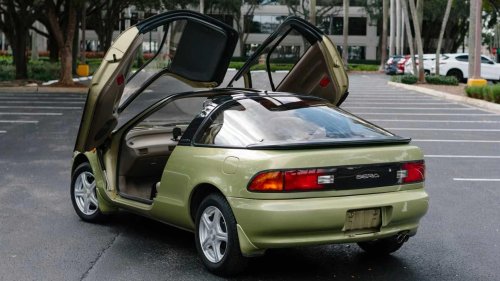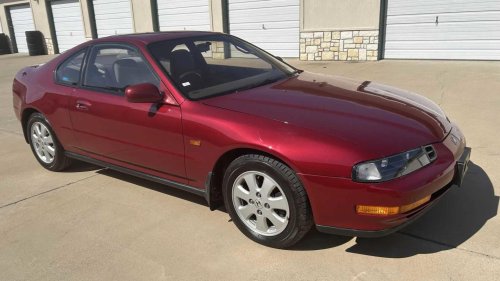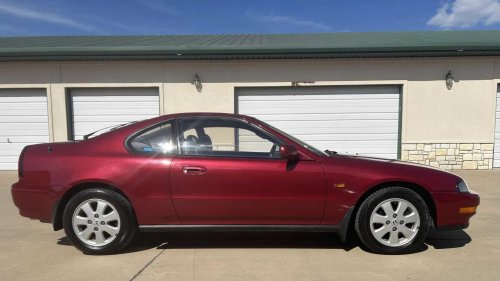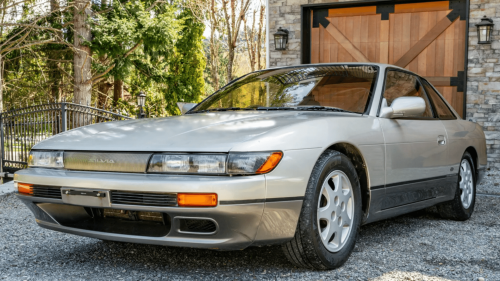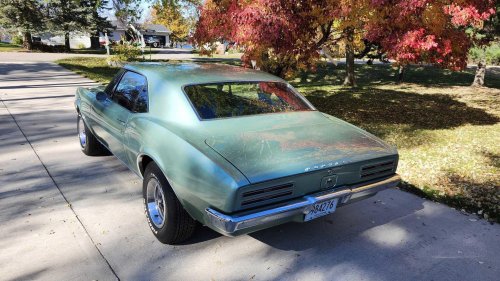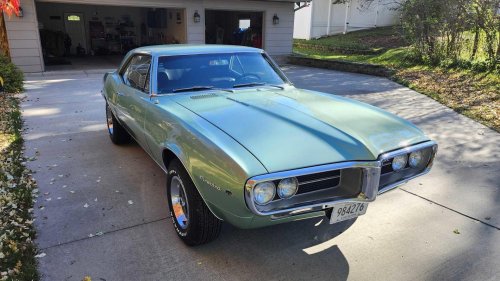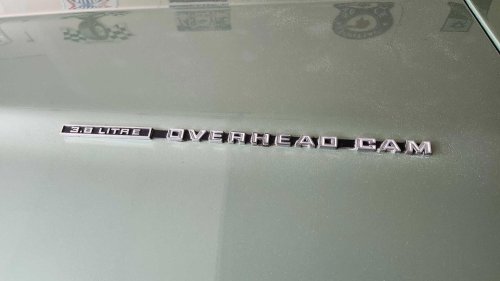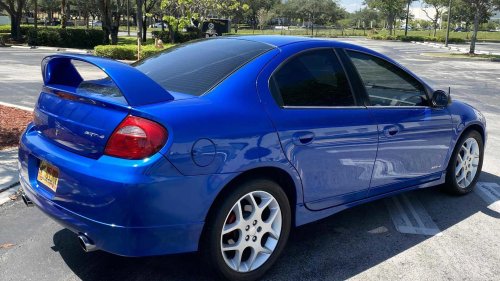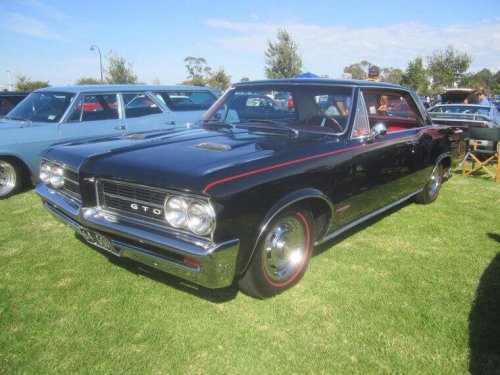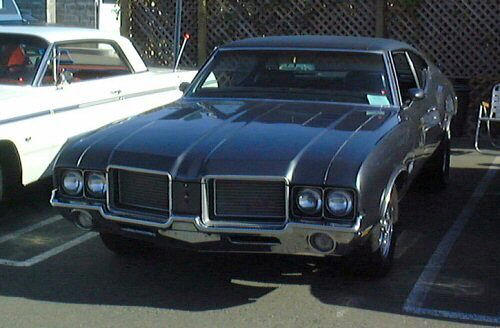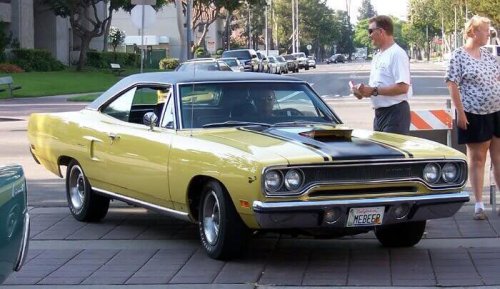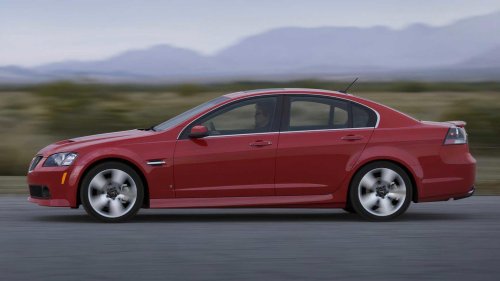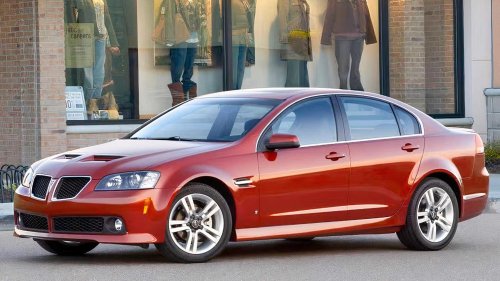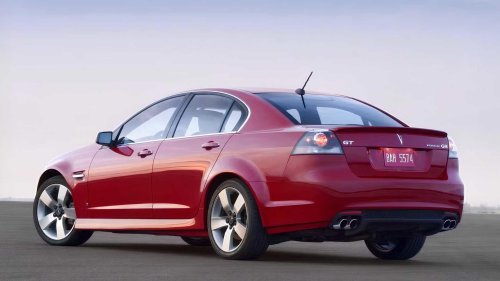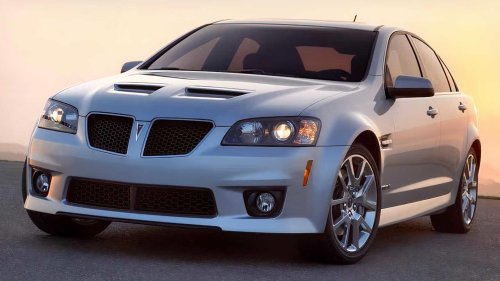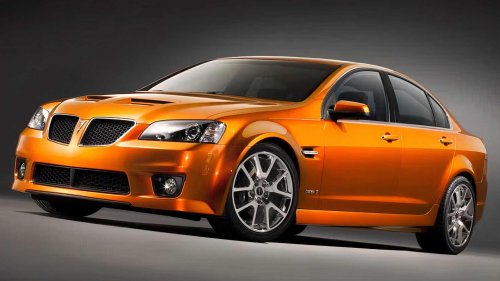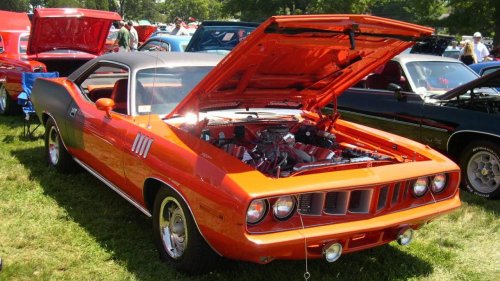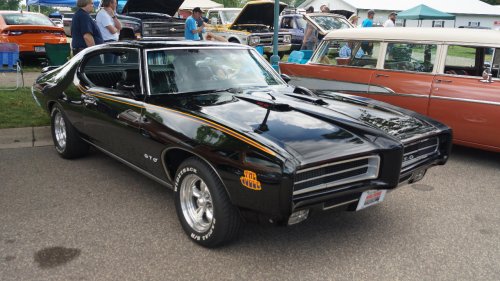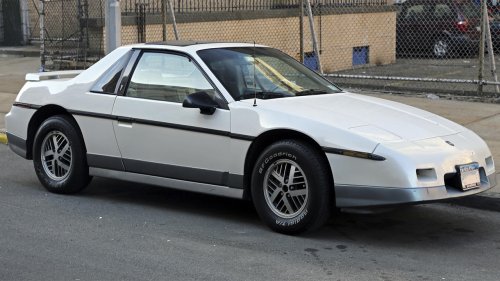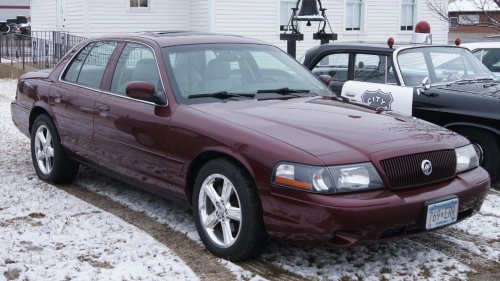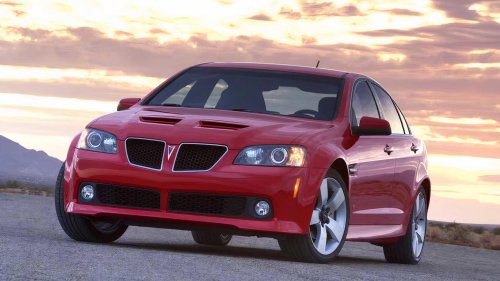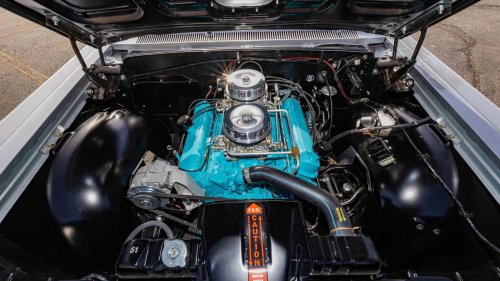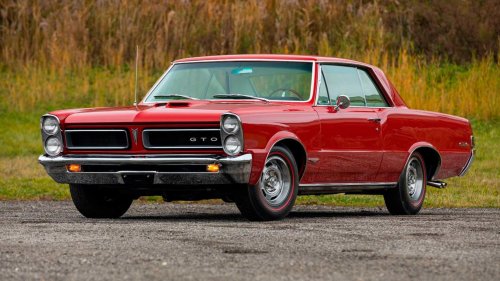
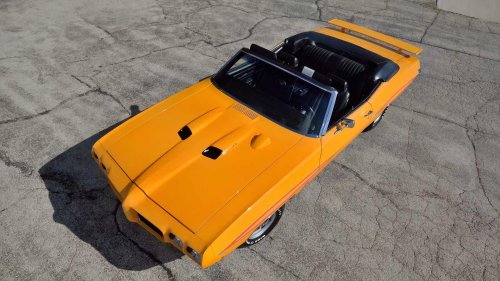
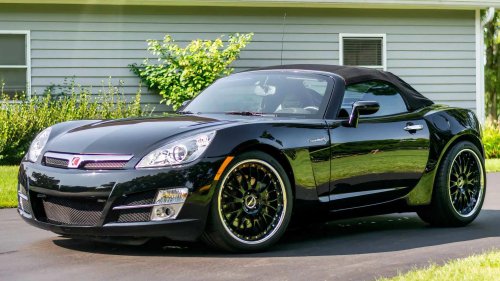
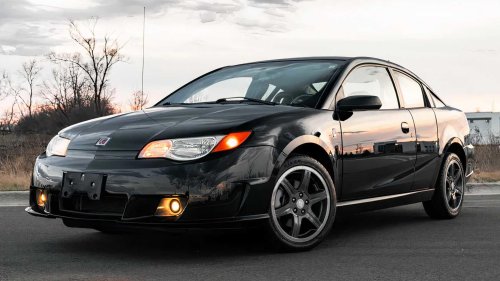
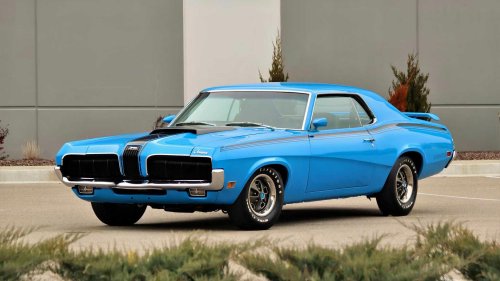
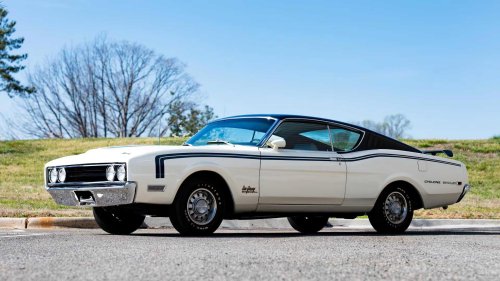
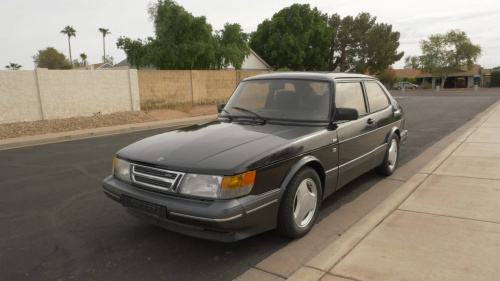
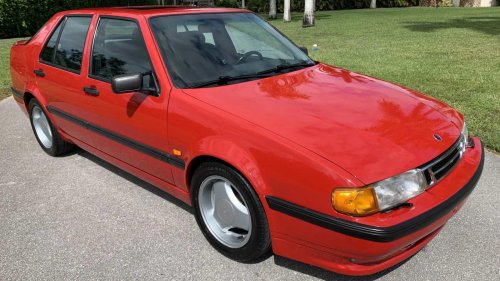
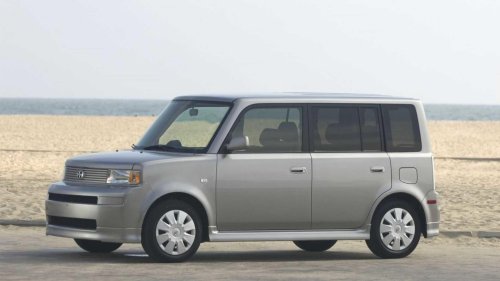
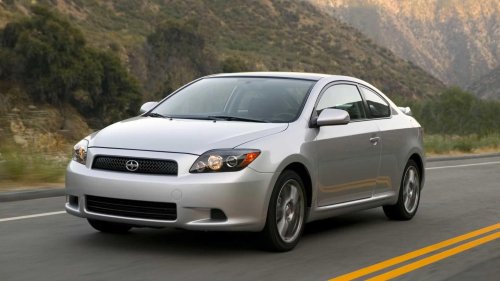



















The automotive industry can be extremely cutthroat, and it's easy to blame shifting consumer tastes and other external factors for the death of historical nameplates, but a deeper dive reveals a different culprit: corporate cannibalization. This is the slow, painful suffocation of unique brand positioning by internal bean-counters, and it's one of the least-talked-about reasons behind the disappearance of some of America's most iconic car brands.This phenomenon can be seen when you walk into most dealership lots today, where the view is depressingly identical. Many modern cars share platforms and design elements as manufacturers pursue economies of scale, which has resulted in a noticeable lack of variety. This is why many gearheads miss the good old days, when each brand brought a unique identity to the marketplace.These five discontinued brands each occupied a distinct niche, and many enthusiasts believe the market has never fully replaced what they offered. Pontiac (1926–2010) Known For: Affordable Mainstream Performance MecumPontiac became a performance force in the mid-century era, giving General Motors an aggressive, youth-oriented edge that Chevrolet simply couldn't match. The brand's prime started in the late '50s to early '60s courtesy of Super Duty 389 and 421 cars dominating the racing scene and giving Pontiac performance credentials, then took off in the mid-1960s with the launch of the GTO— the world's first muscle car, according to many enthusiasts. Pontiac brilliantly secured its role as GM's accessible performance powerhouse and became the go-to brand for working-class Americans who wanted speed, bravado, and a car that punched well above its weight class without the premium Cadillac price tag.MecumPontiac carved its name into history with the GTO, the Firebird Trans Am, and the iconic "Wide-Track" handling stance that dominated the 1960s and '70s. Unfortunately, things went south in the decades that followed, as platform-sharing slowly choked the life out of the Arrowhead brand. Iconic Pontiac badges like the GTO were replaced by lazy, badge-engineered economy cars that failed to hide their cheap underpinnings.This identity death spiral culminated when the "Excitement Division" became completely indistinguishable from the rest of GM's broader lineup, ruining its sales sheet and eventually leading to its demise in 2010. While GM's financial troubles of the 2000s and the corporate restructuring deal it was forced into are typically blamed for Pontiac's demise, the identity loss and the declining sales numbers that resulted from that made it hard for GM to justify keeping it. Saturn (1985–2010) Known For: Polymer-Bodied Import-Fighting Compacts Bring a TrailerJust like Pontiac, Saturn is another fallen GM brand whose death is mostly blamed on GM's restructuring deal, but there's more to the story. Launched in 1985 as a clean-sheet project, Saturn was envisioned as a revolutionary, standalone subsidiary designed to compete with Japanese imports and transplants. Saturn targeted the practical, eco-conscious American consumer who had completely abandoned Detroit in favor of Honda and Toyota.Bring a TrailerSaturn achieved massive initial success by pioneering dent-resistant polymer body panels that kept cars looking pristine. The company also had a stress-free, no-haggle sales model that created a customer-friendly retail experience and attracted more people to showroom floors. Saturn's problems started when GM's leadership realized that it was actually stealing market share from its own brands instead of the imports. Metrics showed that 41 percent of Saturn's buyers were simply migrating from other GM brands, cannibalizing internal profits. In response, GM shifted Saturn away from its unique polymer body identity and started building some of its models on corporate GM platforms. The distinct, friendly identity evaporated instantly, leading to Saturn's wind-down after GM's 2009 restructuring. Mercury (1938–2011) Known For: Mid-Priced Luxury Via Mecum AuctionsFounded in the late 1930s, Mercury's main objective was to bridge the massive pricing and prestige chasm between entry-level Ford models and luxury Lincolns. By offering more upscale styling and features than Ford models, Mercury established a highly lucrative sweet spot in Ford's corporate hierarchy as the definitive stepping-stone for blue-collar buyers who had done well for themselves.At its peak, Mercury thrived on a distinct, slightly rebellious identity that went far beyond mere badge engineering. The brand was defined by icons like the 1967 Mercury Cougar, which brought hidden headlights and European-inspired pony-car sophistication to the muscle wars, and the Cyclone. Even its late-stage revival attempt, the 2003–2004 Mercury Marauder, developed a loyal enthusiast following by packing a 302-horsepower V8 into a dark, menacing full-size sedan.MecumMercury's identity became increasingly difficult to distinguish as more of its products closely mirrored equivalent Ford models. By the late 2000s, unique sheet metal was abandoned for cheap rebadging, lazily slapping waterfall grilles onto standard Ford Fusions and Explorers. The result? Mercury sales cratered to just over 93,000 units in 2010, less than a 1 percent share of the total U.S. automotive market. Ford pulled the plug in 2010, leaving an unfulfilled luxury-adjacent gap on today's showroom floors. Saab Automobile (1945–2011) Known For: Quirky Engineering, Swedish Turbo Innovation Bring a TrailerSaab arrived on the North American landscape as a fascinating cultural import, transitioning from a quirky Scandinavian outsider to a fully "adopted American" staple under General Motors' corporate umbrella. Saab was engineered to stand completely apart from the mainstream, targeting a loyal niche audience that wanted something more upscale than standard American luxury choices but more unique than the mainstream German.Bring a TrailerSaab defined its golden era by mastering turbocharging long before it became a fuel-saving industry standard, producing icons like the 900 Turbo and the torque-steering 9-3 Viggen. These cars were instantly recognizable by their fighter jet cockpits, wraparound windshields, center console-mounted ignition barrels, and dashboard buttons that blacked out everything except the speedometer.The downfall came when GM struggled to preserve the characteristics that had historically defined Saab. Instead of funding Swedish innovation, Detroit forced the brand to sell the 9-2X—dubbed the "Saabaru," which was simply a Subaru Impreza wagon with a face transplant—and the controversial 9-7X, an uninspiring midsize SUV built on GM's GMT360 body-on-frame platform shared with the Chevrolet TrailBlazer, GMC Envoy, Buick Rainier, and others. Starved of independent engineering capital, Saab was left without a long-term future after GM's 2009 restructuring. Scion (2003–2016) Known For: Youth-Oriented Unconventional Design ToyotaScion arrived on the 21st-century automotive landscape not just as a new division, but as Toyota's youth-oriented test-lab brand intended to make reliability look cool to American buyers. Scion cars were designed specifically for the North American market but were actually existing, rebadged Toyota models that were exported from Japan or engineered for the American market.ScionScion built its identity around unconventional styling and vehicles that stood apart from the increasingly conservative designs that dominated the early 2000s. The first-generation xB had a boxy shape that maximized interior space while giving the brand a distinctive visual signature, while the tC coupe broadened Scion's reach by combining sporty looks, affordability, and Toyota's bulletproof reliability. These vehicles helped establish Scion as a brand willing to experiment with unconventional designs.The downfall came when Toyota panicked over shifting demographics, replacing the iconic boxy shapes with more conventional compact vehicles like the second-generation xB and the uninspired xD. Sales declined as the brand moved away from some of the design characteristics that had initially attracted buyers, resulting in Scion's sales declining sharply by 68 percent from its 2006 peak of 173,034 units to just 56,167 by 2015. Toyota officially discontinued the brand in 2016.Sources: Toyota, Curbside Classic, The Daily Record