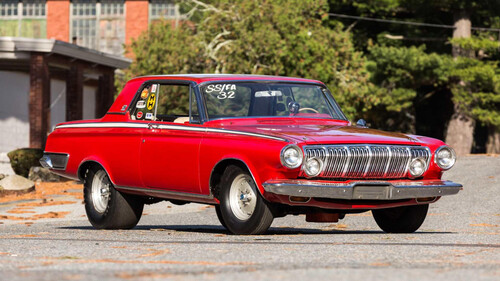
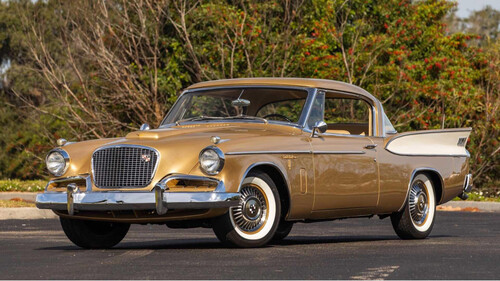
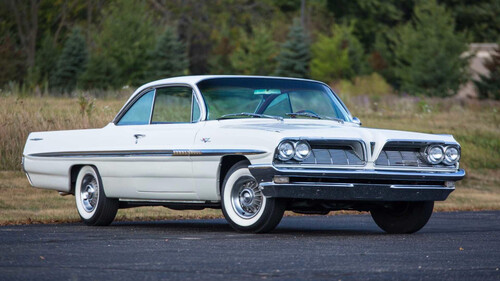
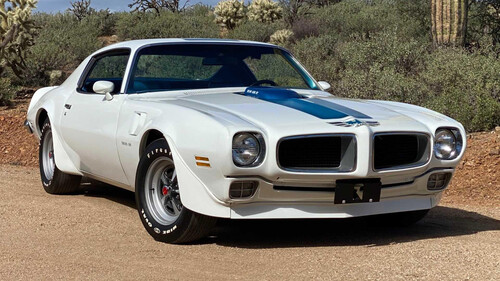
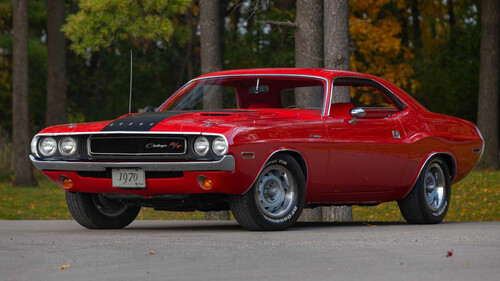
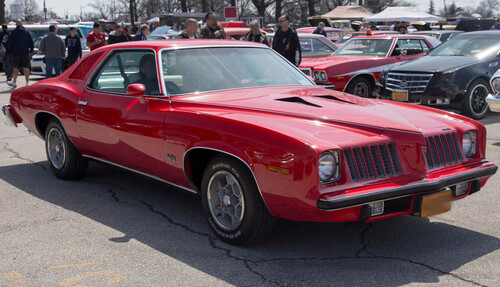
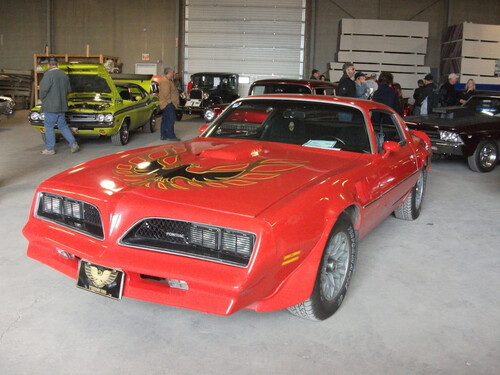
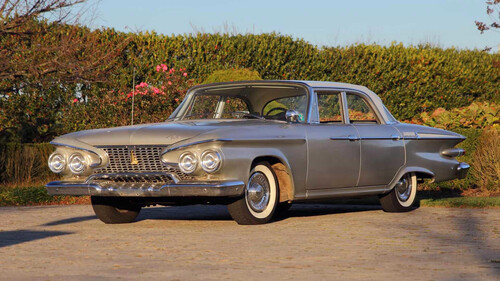
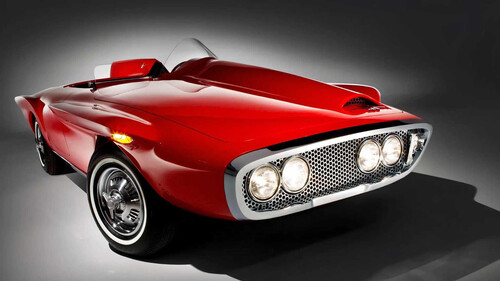
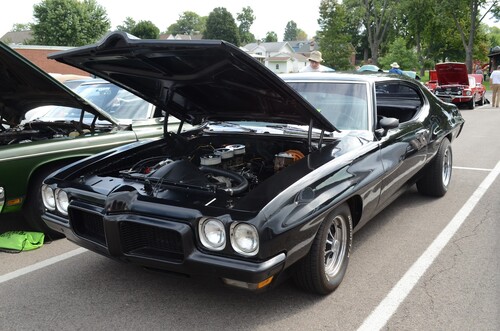
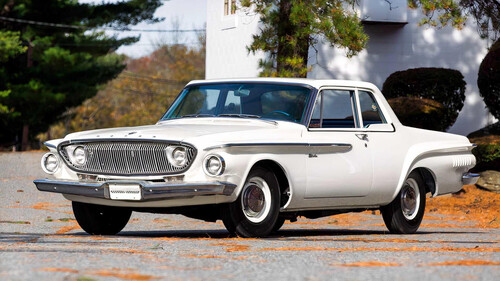
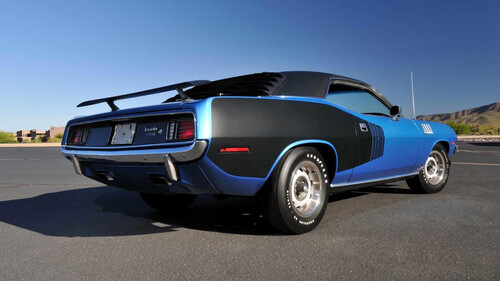
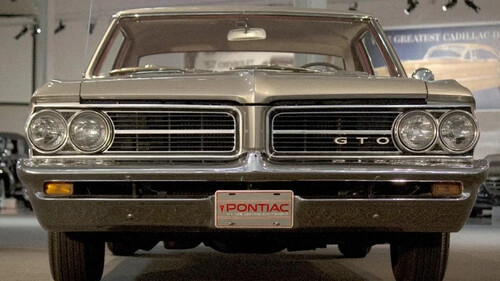
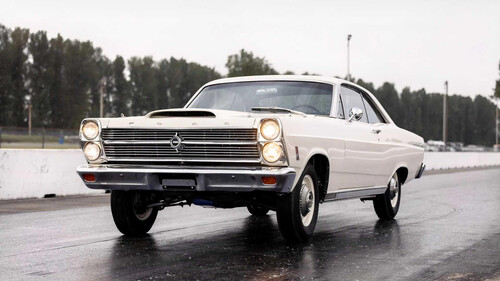
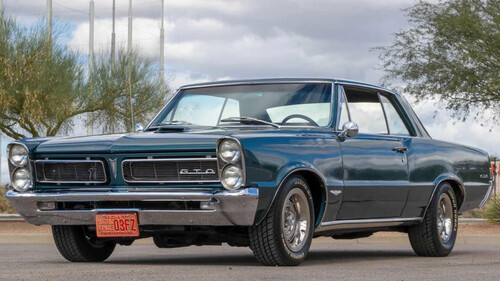
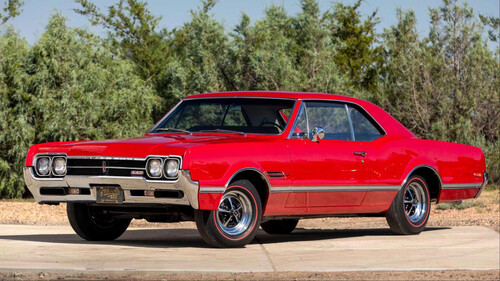
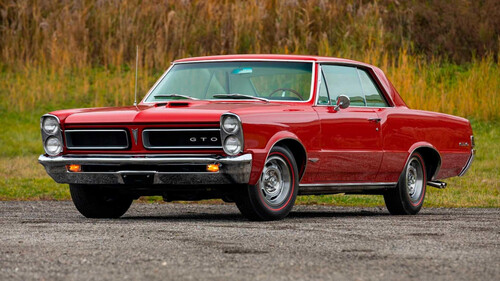
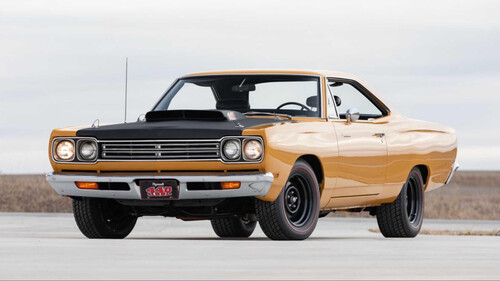
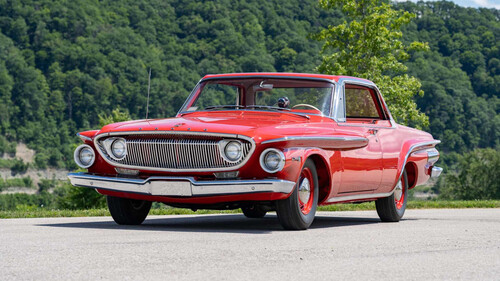
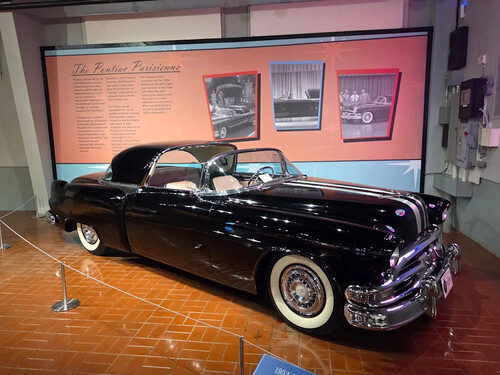
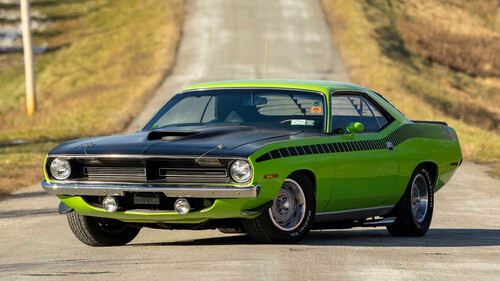
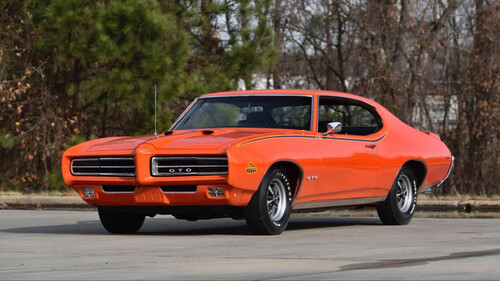
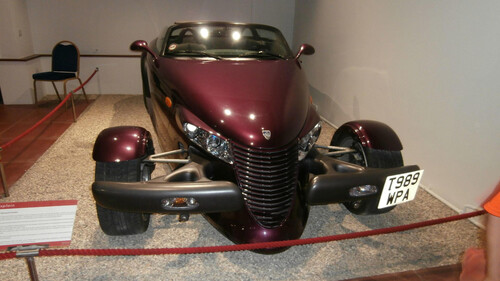
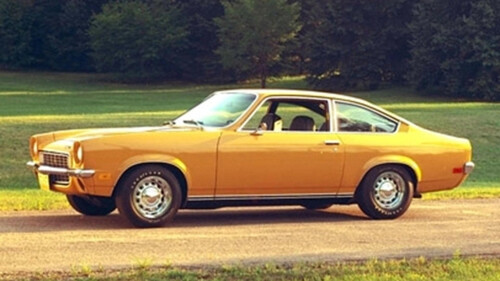
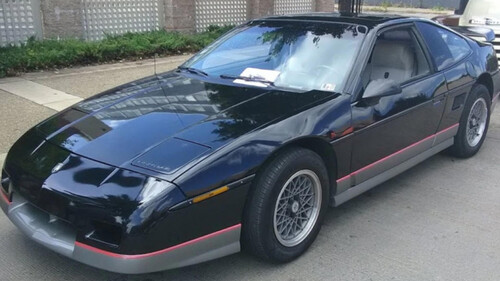
Pontiac's Bold Performance LegacyGM killed Pontiac in 2010, but for decades the brand stood for one thing: excitement. The GTO practically invented the muscle car category in 1964, stuffing a massive engine into a mid-size body and daring buyers to have fun. Firebirds screamed across highways and movie screens alike, while the Trans Am became a cultural icon thanks to Smokey and the Bandit. Pontiac engineers pushed performance even when corporate bean counters resisted, giving the brand a rebellious streak that set it apart from GM's more conservative divisions. Enthusiasts still hunt for clean GTOs and Firebirds today, proof that Pontiac's performance DNA never really faded from memory.Oldsmobile's Innovative Engineering SpiritFew brands tinkered with engineering the way Oldsmobile did. It introduced the automatic transmission to the masses, pioneered front-wheel drive with the Toronado, and later brought turbocharging to everyday sedans. Oldsmobile wasn't afraid to experiment, even when experiments occasionally flopped. The diesel V8 disaster of the late '70s stung the brand's reputation, but it also showed a willingness to take risks other automakers avoided. By the 1990s, Oldsmobile tried reinventing itself as a youthful, tech-forward alternative to Buick, yet GM pulled the plug in 2004. Its innovations quietly shaped features drivers now take for granted in nearly every modern vehicle.Plymouth's Affordable Muscle CarsPlymouth built its reputation on giving working-class Americans a taste of muscle without the luxury price tag. The Road Runner, complete with its cartoon horn beep, embodied that philosophy perfectly — stripped-down performance for buyers who wanted speed over frills. Barracudas and Dusters followed the same formula, delivering serious horsepower at accessible prices. Chrysler positioned Plymouth as the value brand, yet that never stopped it from building some of the era's most beloved performance cars. When Plymouth disappeared in 2001, it left behind a legacy of democratized speed that muscle car collectors still chase in classified ads and auction houses across the country.Packard's Luxurious Craftsmanship EraBefore luxury meant badges and screens, it meant Packard. The company built cars with hand-finished interiors, silky-smooth engines, and an attention to detail that rivaled anything from Europe. "Ask the Man Who Owns One" wasn't just a slogan — it reflected genuine owner satisfaction across decades of production. Packard survived the Great Depression better than most luxury automakers by maintaining consistent quality even during lean years. Its merger with Studebaker in 1954 was meant to strengthen both companies, but mismanagement and shrinking market share led to Packard's final models rolling off the line in 1958, ending one of America's most respected luxury marques.DeSoto's Short-Lived Chrome EleganceDeSoto existed for barely three decades, yet it left a distinctive mark on 1950s American design. Its cars featured dramatic tailfins, abundant chrome trim, and interiors that felt genuinely upscale without Cadillac-level pricing. Chrysler positioned DeSoto between Dodge and Chrysler brands, giving buyers a stylish middle option during the postwar boom. The Adventurer models, in particular, showcased just how far chrome elegance could go. Internal competition from Chrysler's other divisions, combined with the 1958 recession, sealed DeSoto's fate by 1961. Collectors today prize surviving DeSotos precisely because so few remain — a brief but visually memorable chapter in automotive history.Hudson's Racing Track DominanceHudson didn't just build cars for the street; it built champions for the racetrack. The Hudson Hornet dominated NASCAR's early years throughout the 1950s, winning race after race thanks to its low center of gravity and powerful straight-six engine. That racing success made Hudson a household name well beyond car enthusiast circles, later immortalized in Pixar's Cars franchise. Engineers at Hudson understood that handling mattered as much as horsepower, giving their vehicles a competitive edge rivals struggled to match. Financial pressures forced a 1954 merger with Nash, and the Hudson name faded by 1957, but its racing legacy remains firmly cemented in motorsport history.Nash's Compact Car InnovationNash saw the future of American driving before most competitors even considered it. While Detroit obsessed over bigger engines and longer bodies, Nash introduced the Rambler in 1950 — a genuinely compact car built for practicality rather than status. It offered unibody construction, decent fuel economy, and a size that made urban parking painless. Nash also pioneered seat belts as an available option, years before safety became a marketing priority industry-wide. That forward-thinking approach eventually merged with Hudson to form AMC in 1954. Nash's compact philosophy foreshadowed the downsizing trend that would sweep the entire industry decades later during the fuel crises.