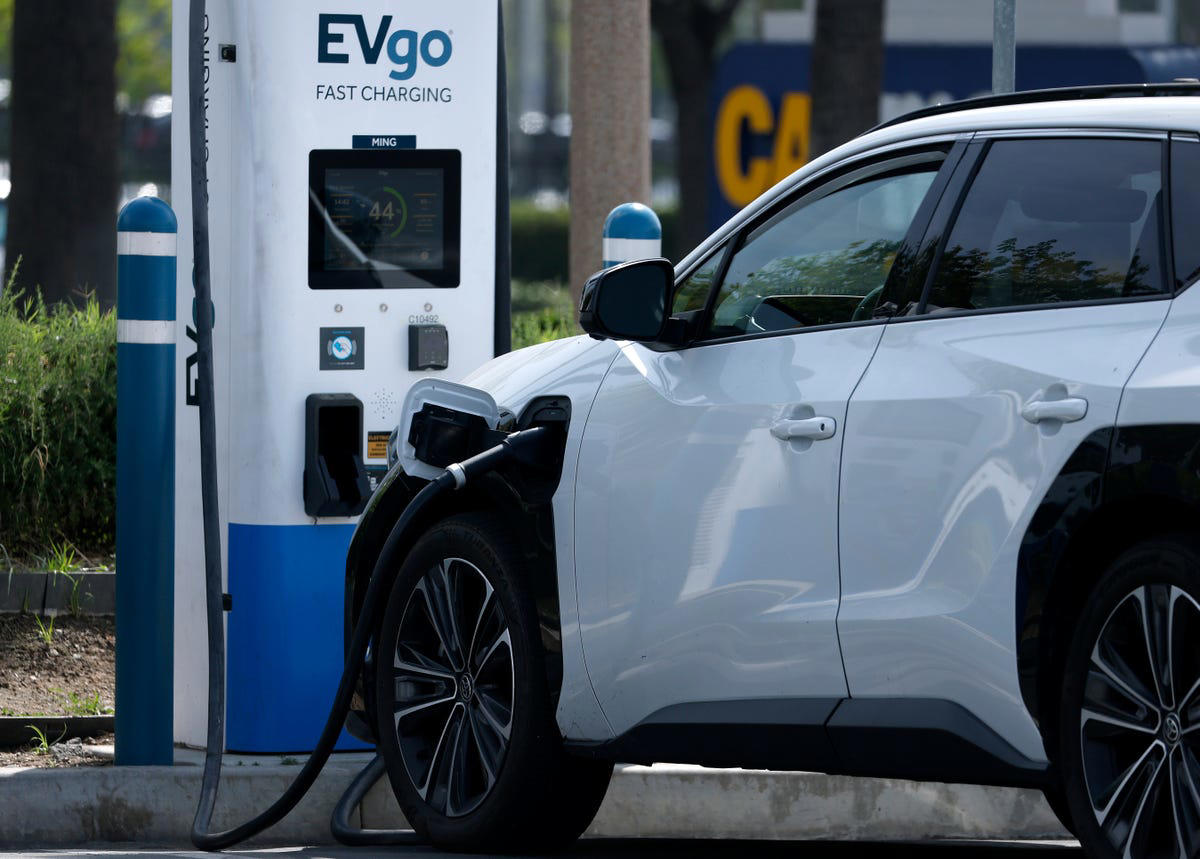
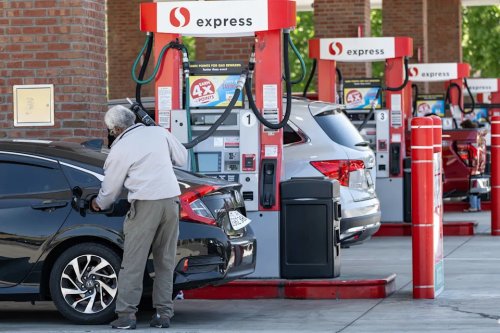
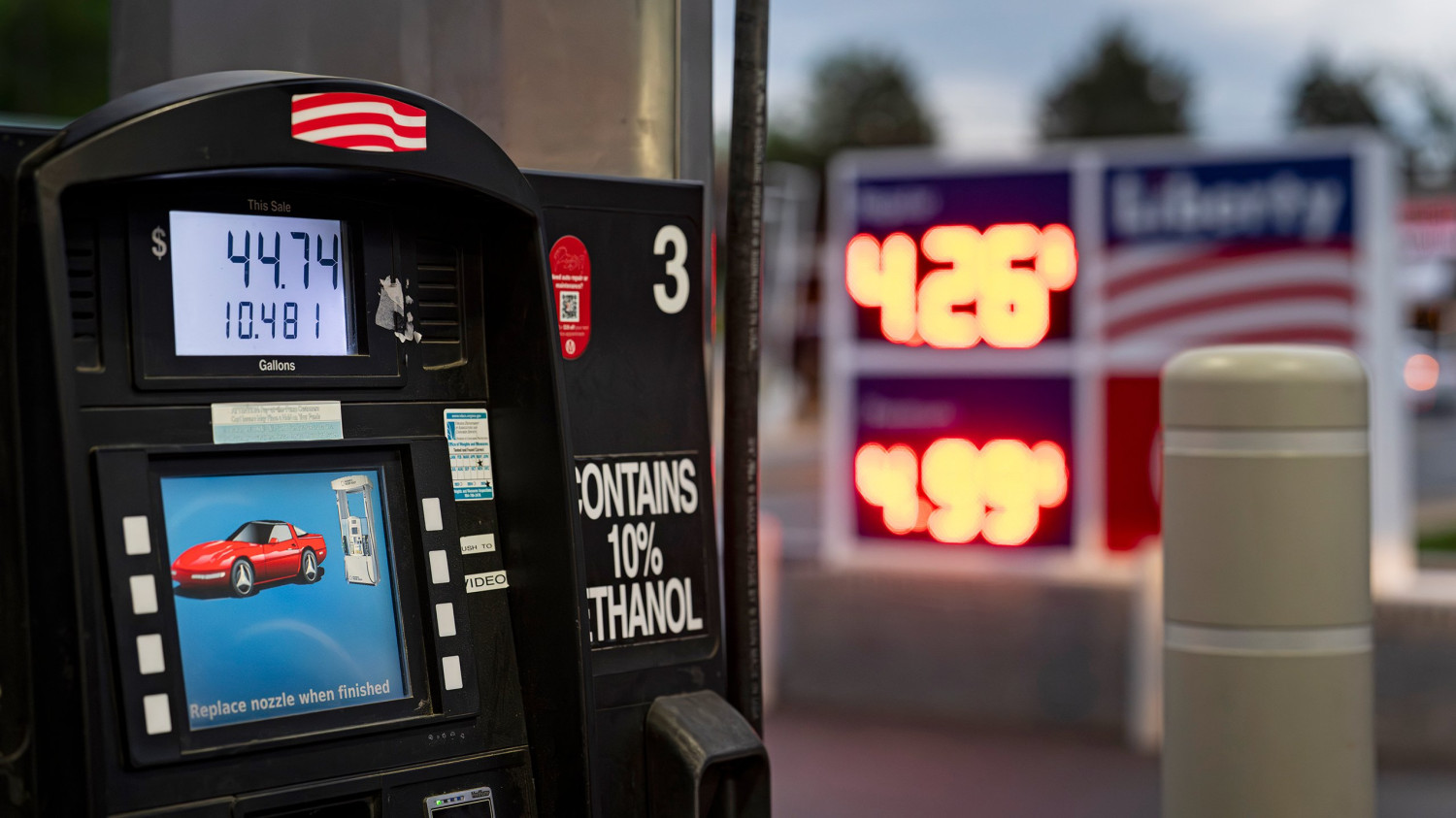
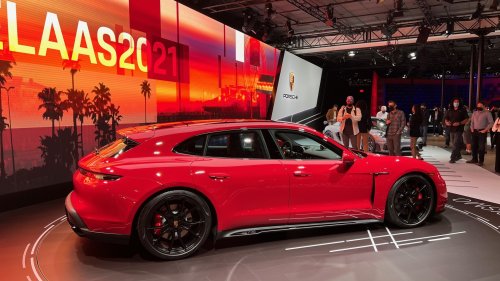
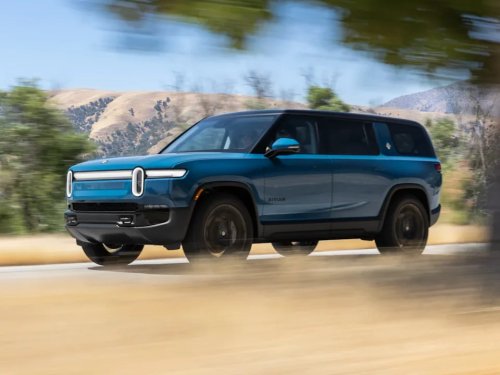
Kids say the darndest things, Art Linkletter used to say, and it’s also true that the car-buying public believes the darndest things about electric vehicles. For instance, in a new Bumper.com survey of 2,228 people conducted between April 3 and 6, two-thirds of respondents said that owning an EV would not save them money in fuel costs. “No difference vs. gas,” said 67.4 percent of those surveyed, getting it profoundly wrong.That’s amazing. Could Americans simply be massively misinformed? The other 32.6 percent in the survey thought they’d save some moolah, but not a lot—most say less than $500 per year. The actual number is closer to $1,000, though it obviously depends on how far you drive annually, electricity rates in your area, which gas car you’re switching from, and what happens with gas prices. Speaking of which, on May 8 the national average was $4.55 per gallon. Californians pay more than $6. Prices are up approximately $1.40 from a year ago. Let’s assume you’re at the wheel 10,000 miles a year. At current rates, when switching from a typical sedan, we’re talking a savings of $760 per year. But not that many Americans drive “typical sedans”—gas-guzzling SUVs are much more the norm. Let’s look at the popular Jeep Grand Cherokee. Choose the 5.7-liter V8 and the result is just 14 mpg in the city and 22 on the highway. If our driver switches from one of those an EV, the result is at least $970 in annual savings. And yet only nine percent of respondents expected to save that much. Another odd thing in the survey, 80.7 percent say they’re “not more curious about EVs” because of high gas prices. Only 14.8 percent say they’re “more curious,” and the other 4.5 percent say they already own an EV. Also a bit surprising is the 87.3 percent who said they “will not buy an EV to avoid gas prices.” War In Iran's Impact On Gas Prices Drives Interest In Electric VehiclesThere’s a partisan aspect of this. Since Trump’s election, his anti-EV rhetoric (and actions such as killing federal EV subsidies) turned Republican voters sharply against electric cars, which used to enjoy bipartisan support. But E&E News/Politico reports that such antipathy might be fading. “Republicans’ antipathy for electric vehicles may be easing as the 2024 election retreats into the rearview mirror, according to a new [Hill Research Consultants] poll,” the story said.The Bumper.com findings contradict a remarkable rise in online searches for EVs. Cars.com notes a 25 percent surge in EV search interest on its site from late February to late March. Meanwhile, searches for gas or diesel vehicles went down nine percent. Edmunds.com also saw an increase in EV consideration. The interest hasn’t yet translated into a huge surge in sales, but people are increasingly willing to consider a purchase.When asked to explain an apparent disconnect, Bumper.com is going with a lack of consumer awareness. “The answer, it turns out, is not reluctance to change, it is a fundamental misunderstanding of EV economics,” the site said. For instance, 70.5 percent in the survey said they have “no easy access to a charger,” despite the fact that most manufacturers have enabled their vehicles to charge on the ubiquitous Tesla network. That’s the perception—here’s the reality. The Pew Research Center reported that “64 percent of Americans live within two miles of a public charging station,” and that was back in 2024. Then there were 61,000 public chargers in the US. Now there are 79,500, with more than 245,000 individual ports. The number of stations has more doubled since 2020. Also, somewhat bizarrely, when asked what their budget was for an EV, the most common answer was “$10,000 or less,” a price point that leaves out all new EVs and most used ones, too. Where that perception comes from is unclear. Remember, the average new car costs $50,000. High gas prices alone might not accomplish a big switch to EVs, so maybe what needed is is education to combat what Bumper describes as “a widespread and deeply held belief that EVs offer no financial advantage over gasoline.” Folks, it just isn’t so! Autoweek SOC EV Newsletter sign up