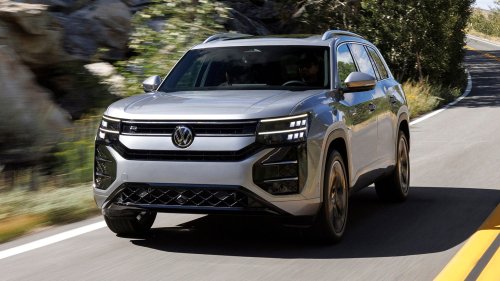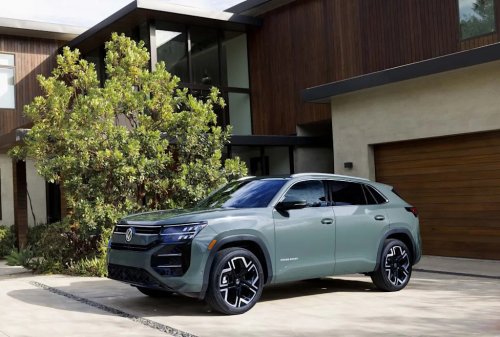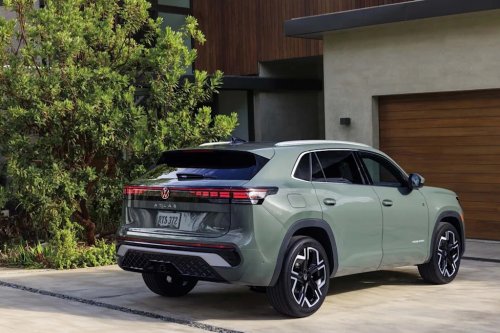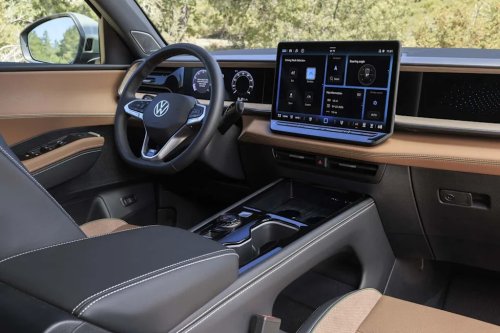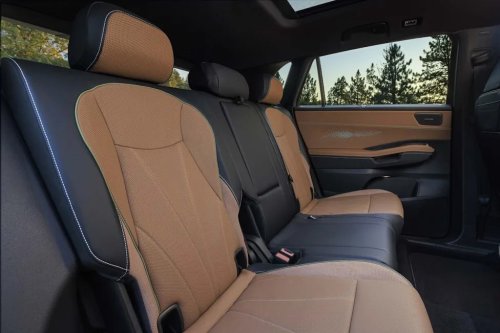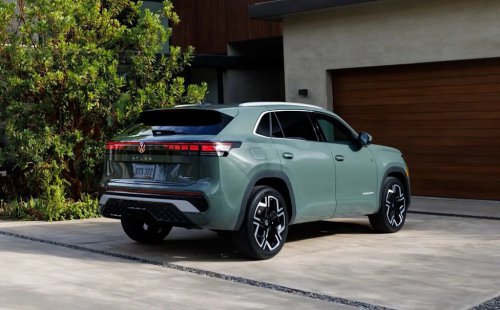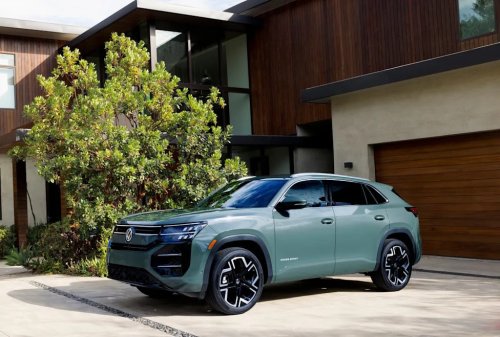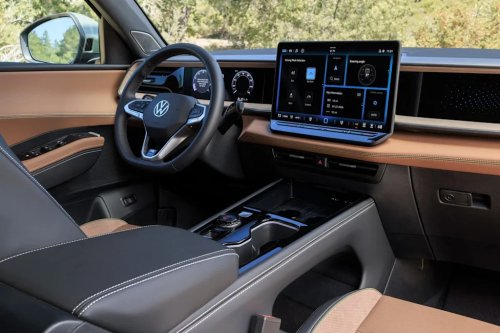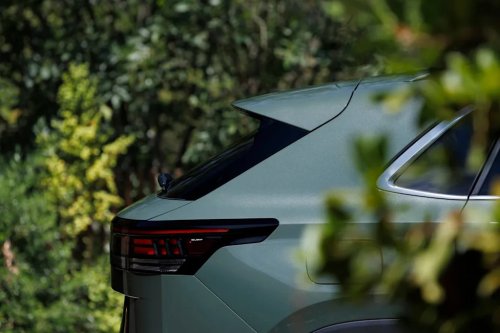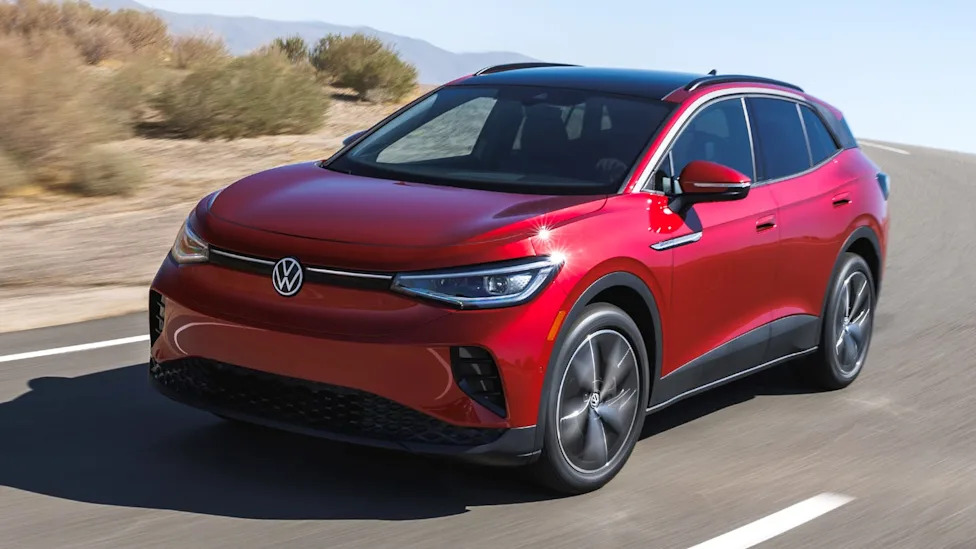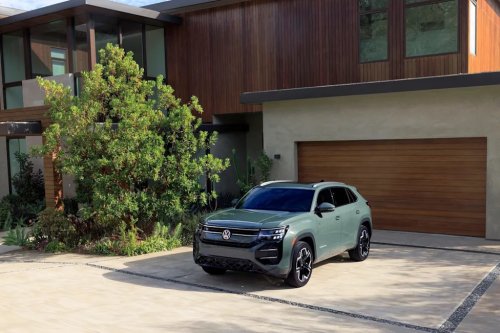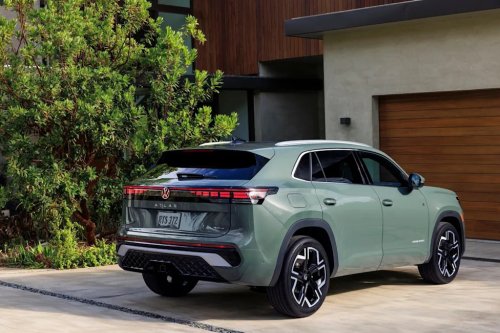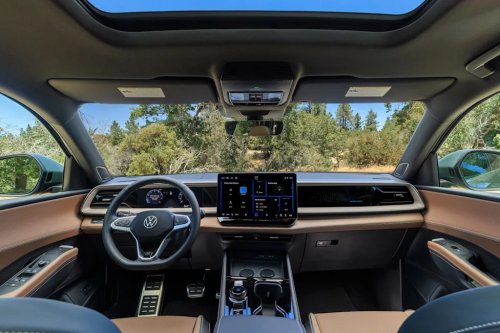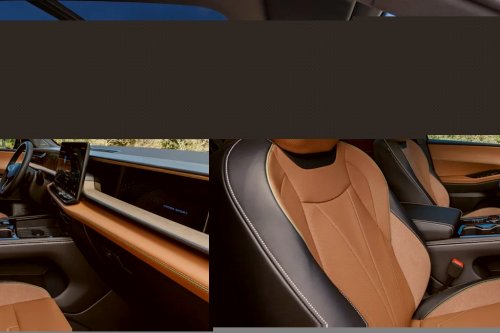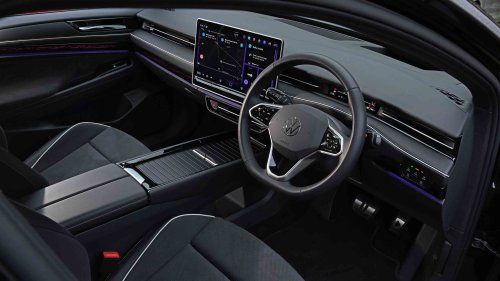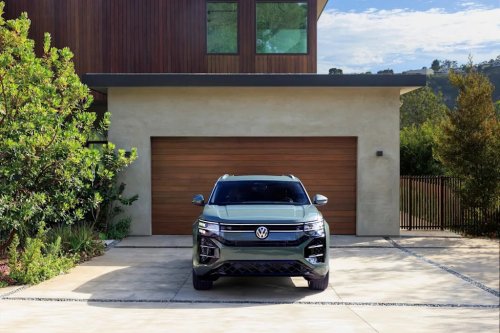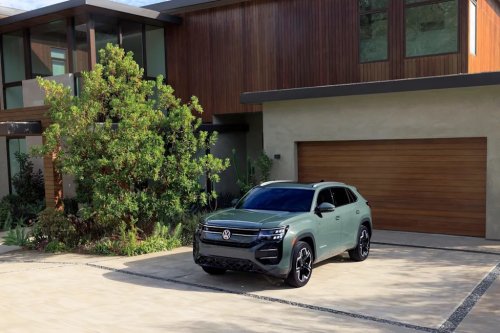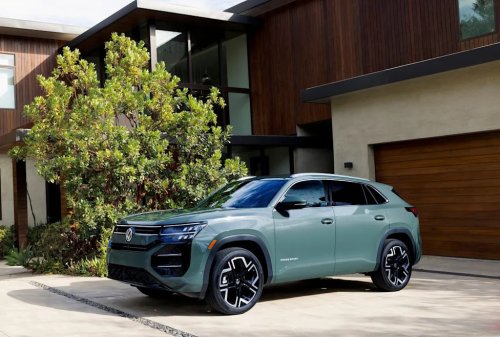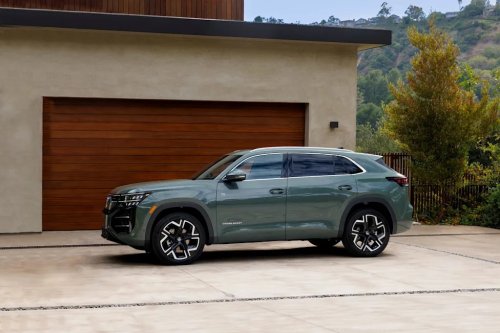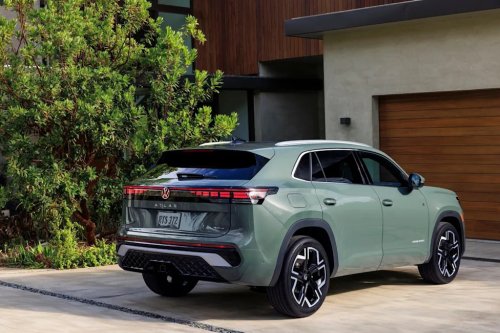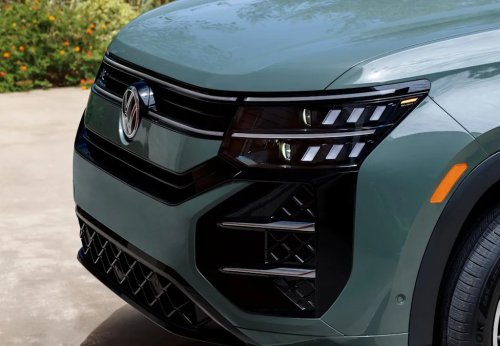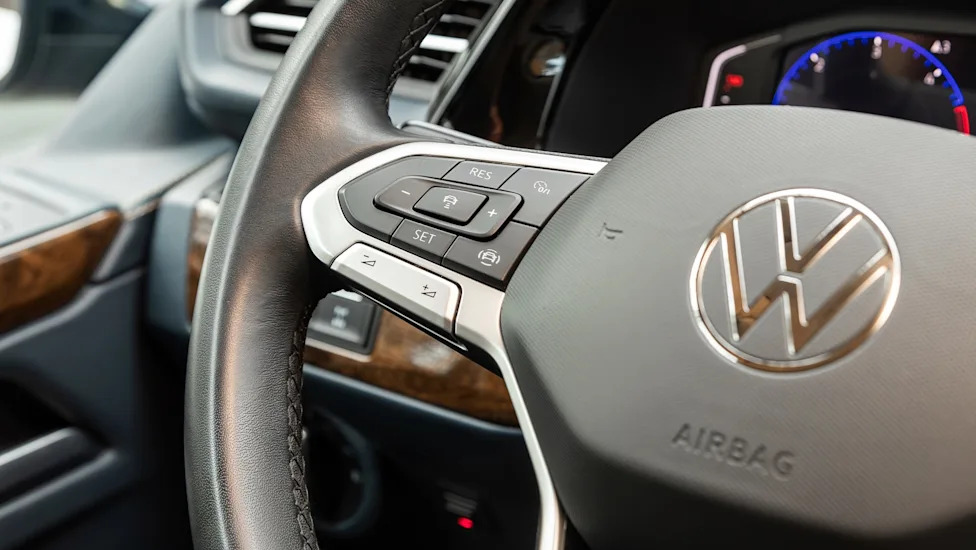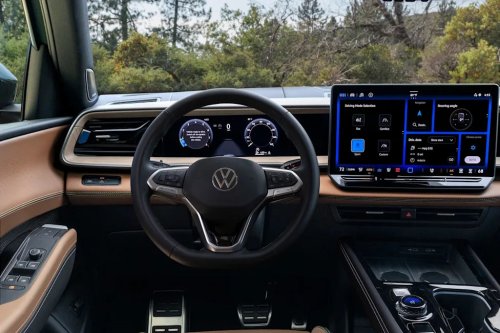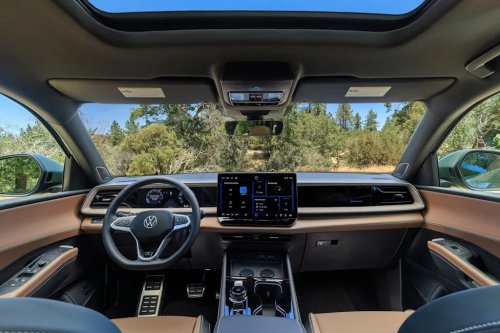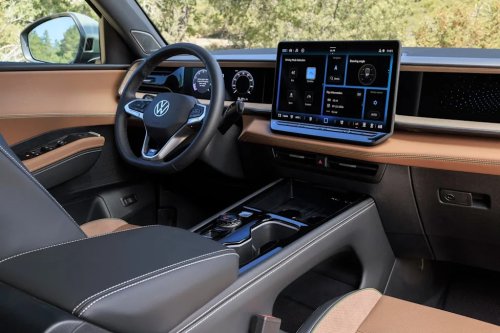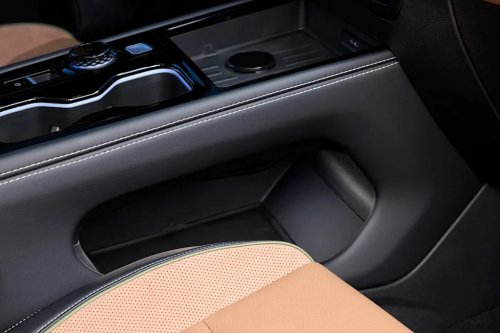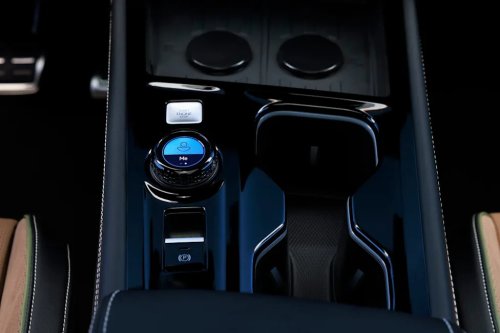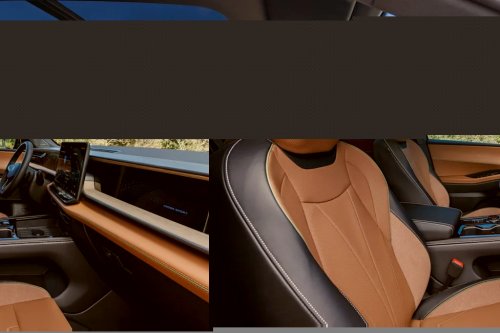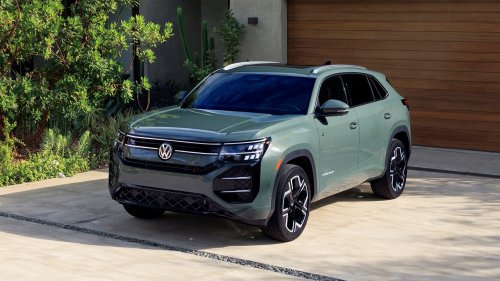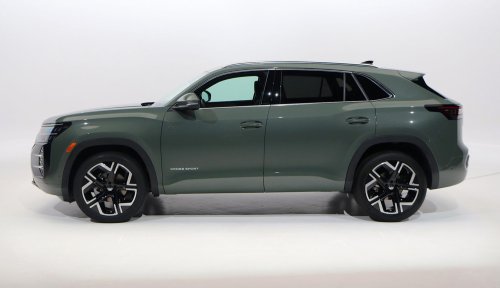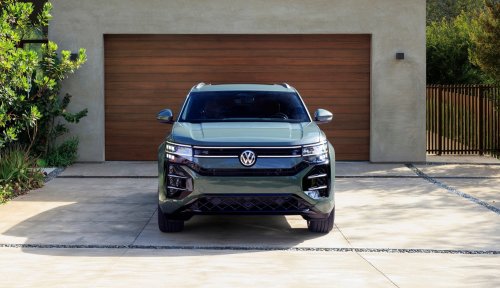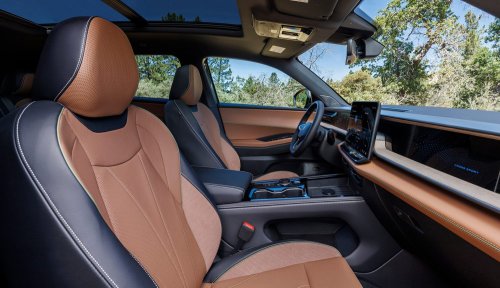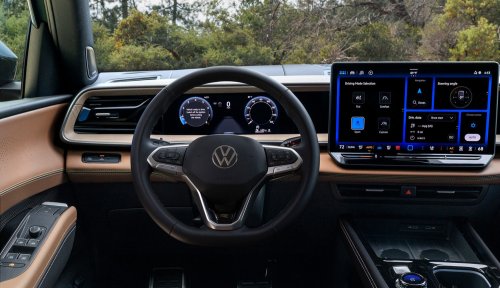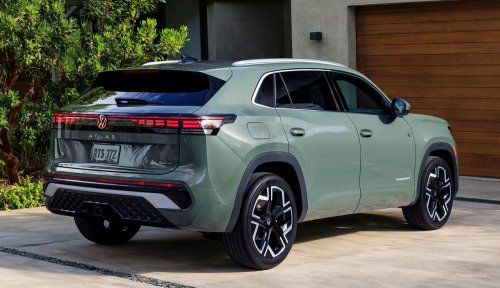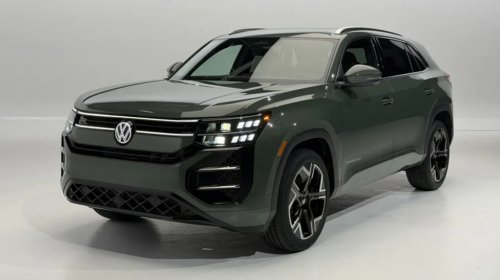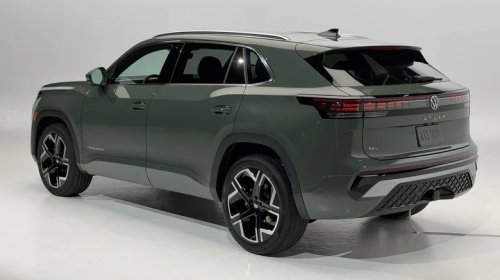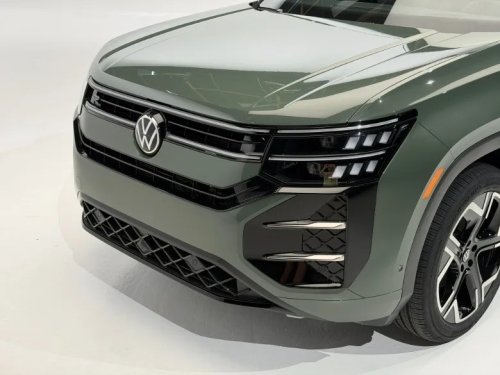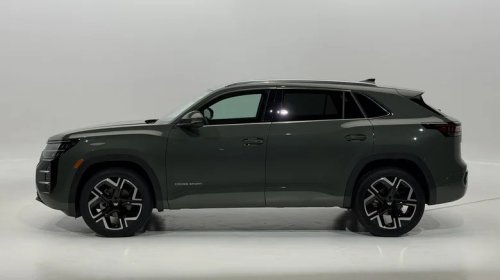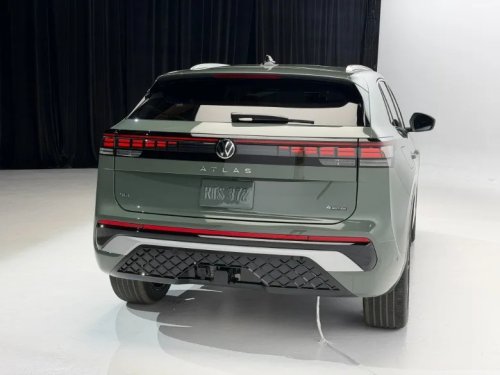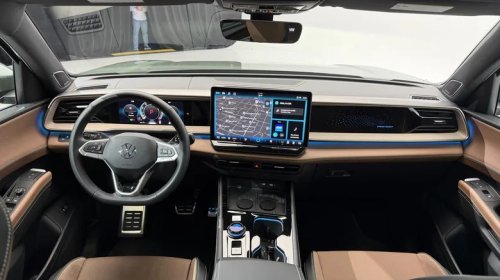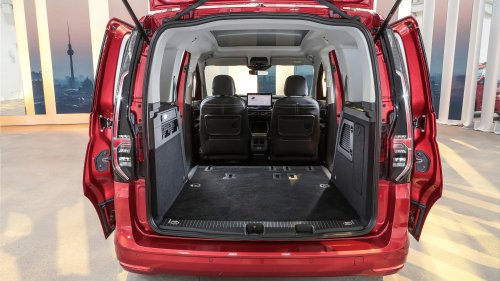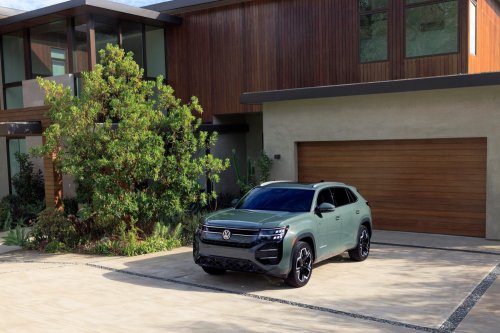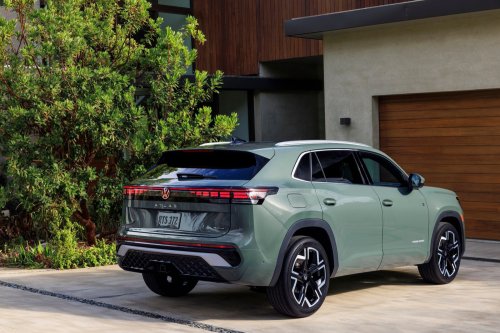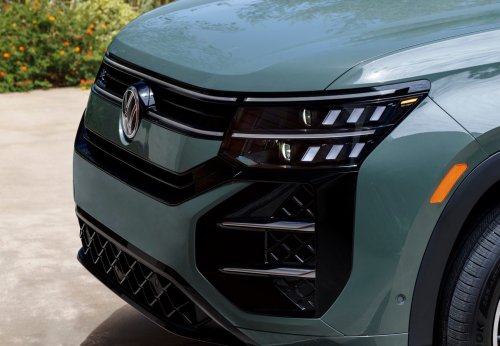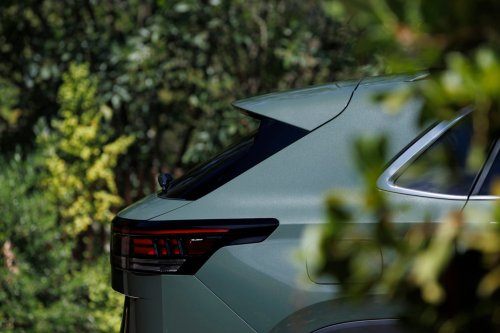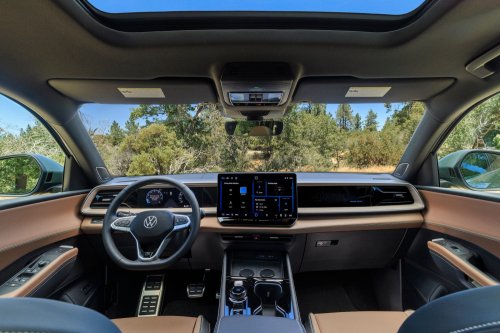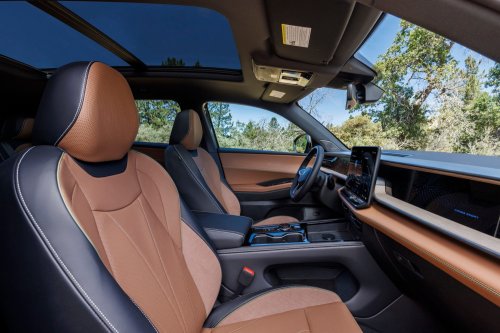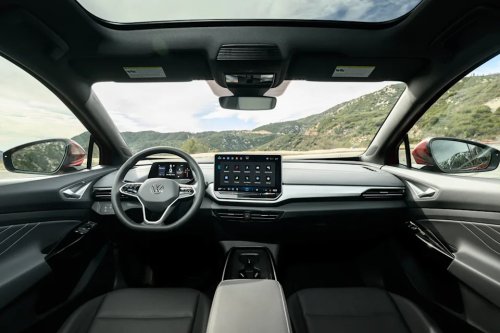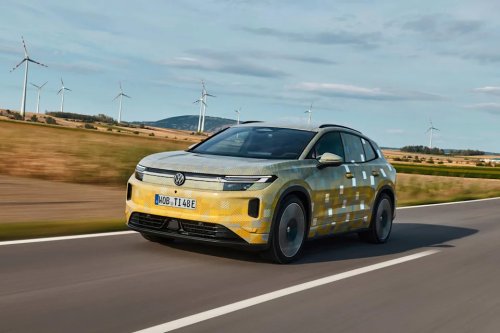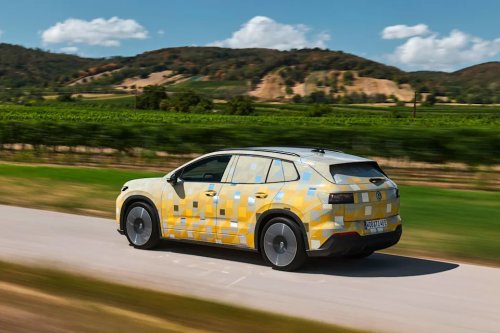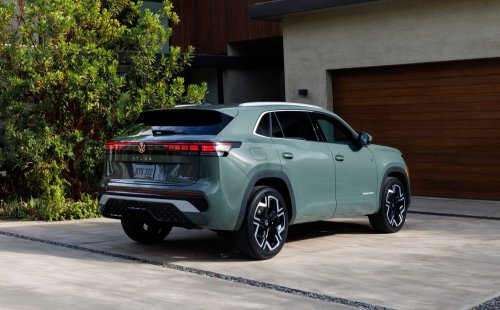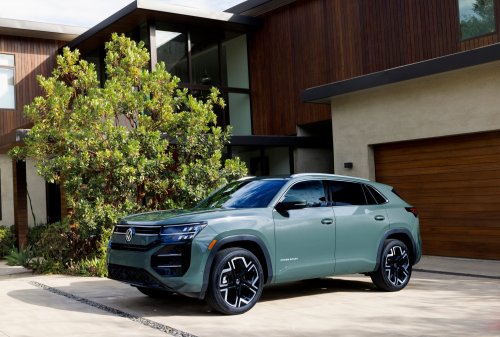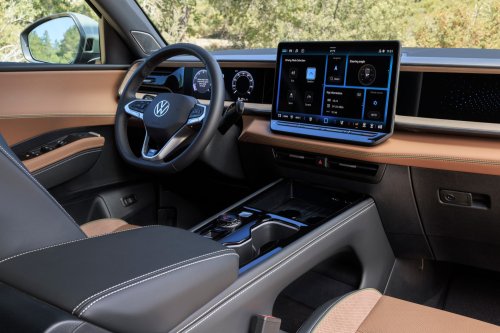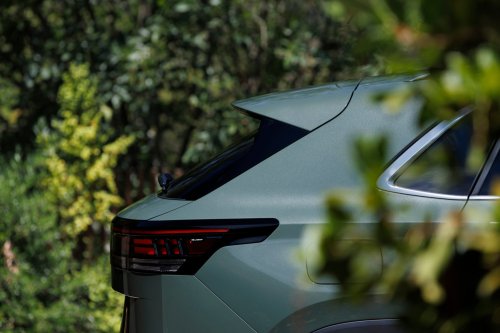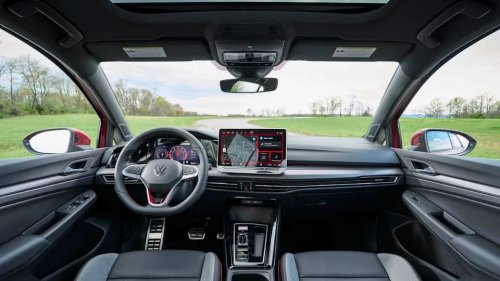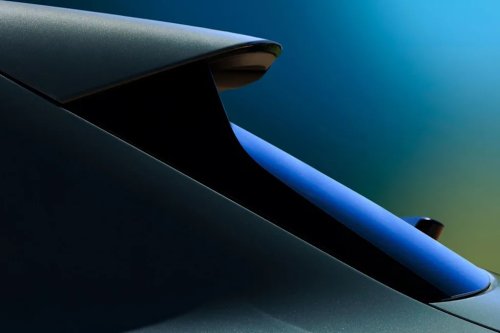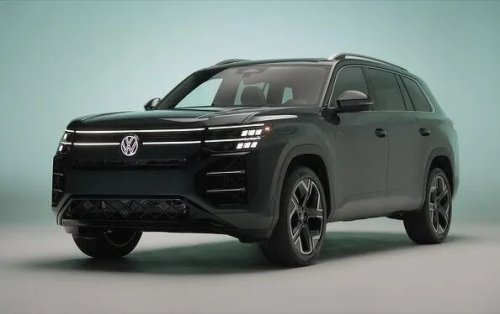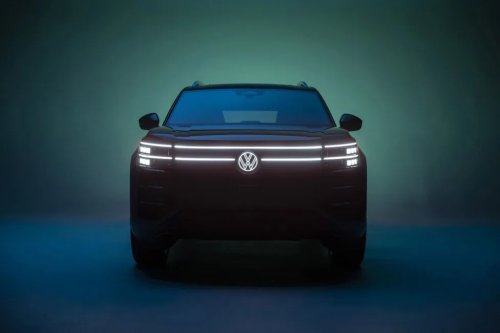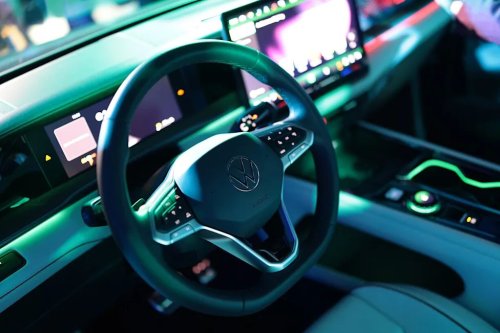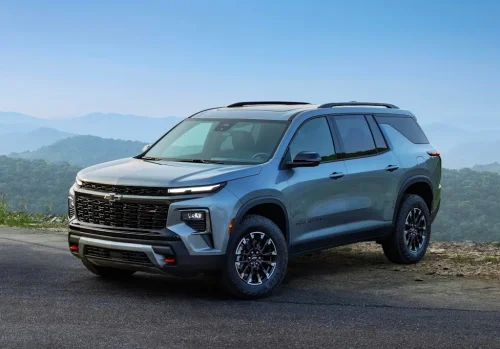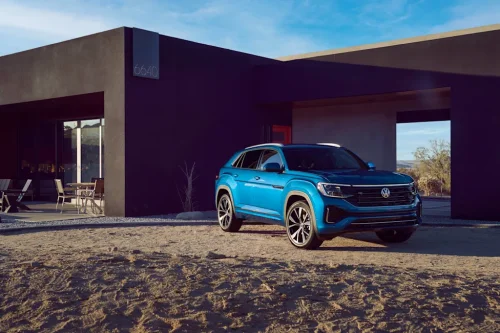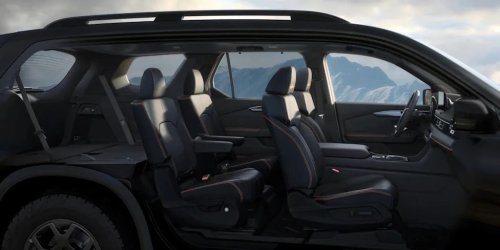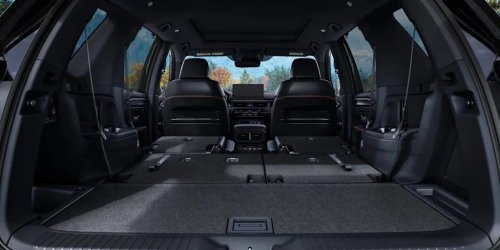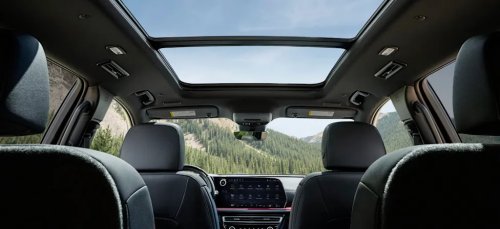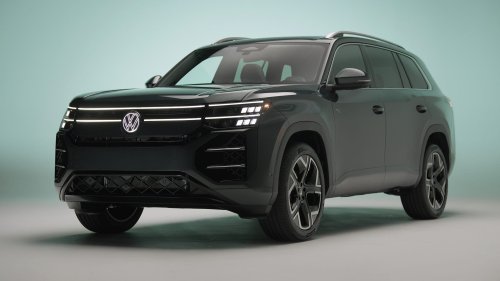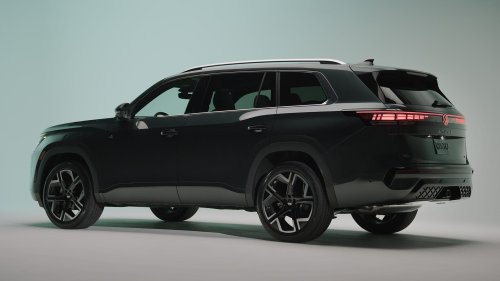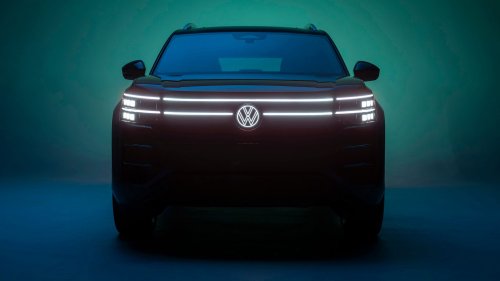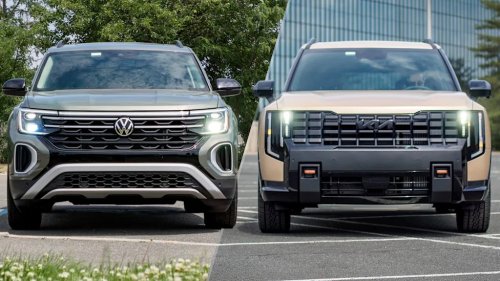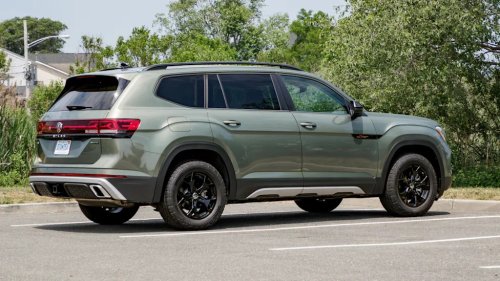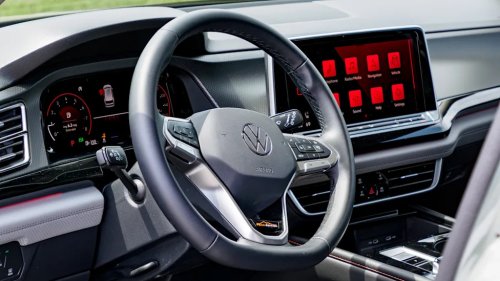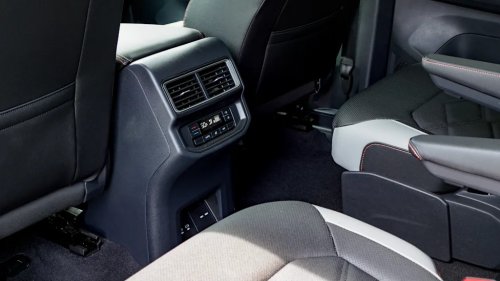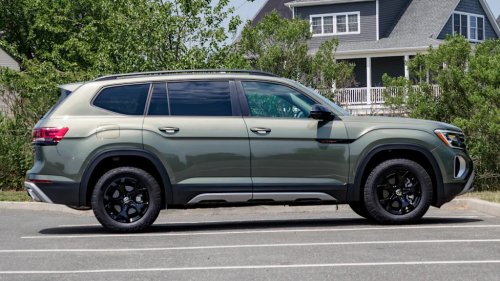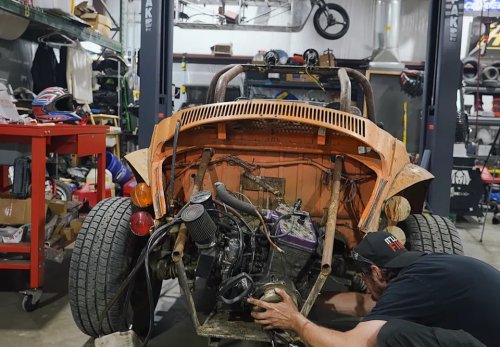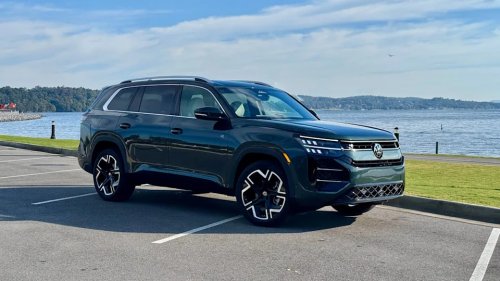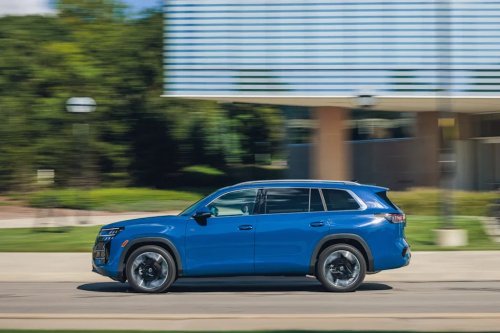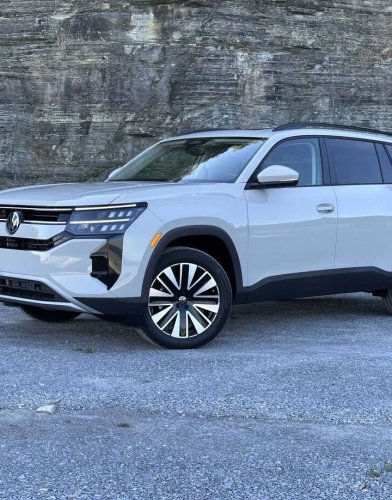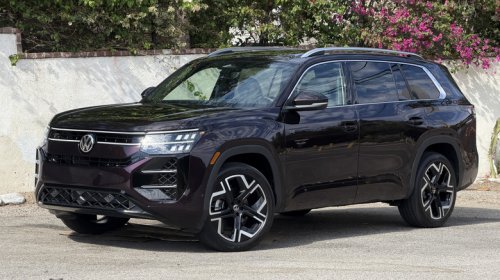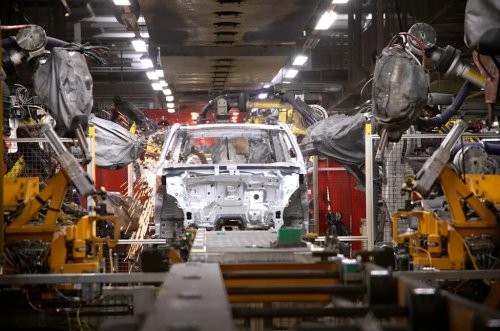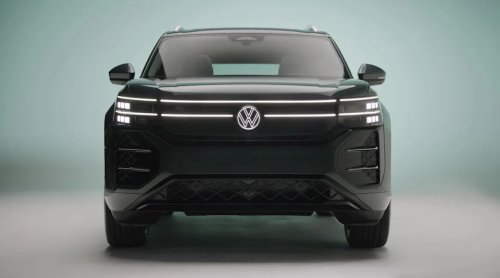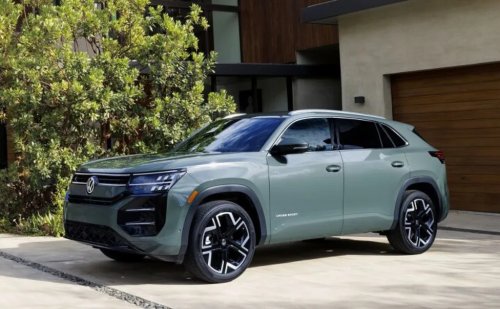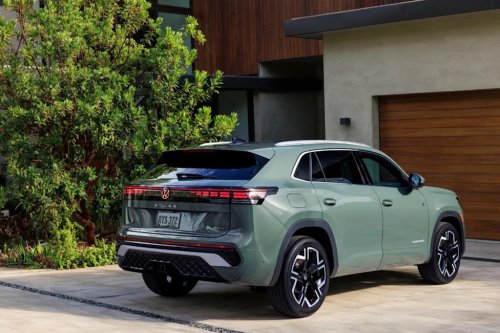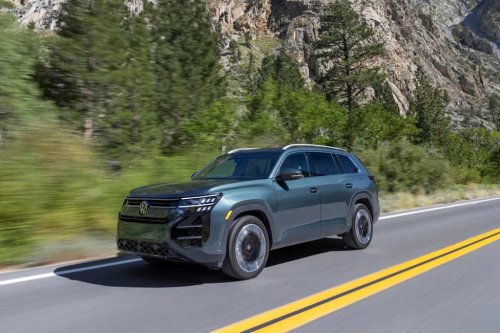
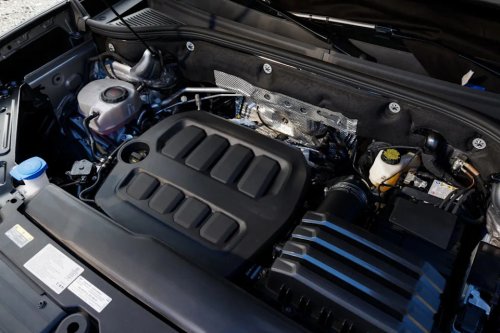
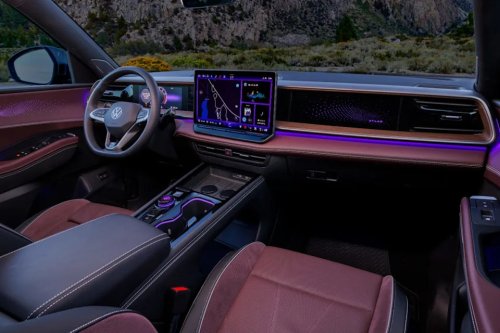
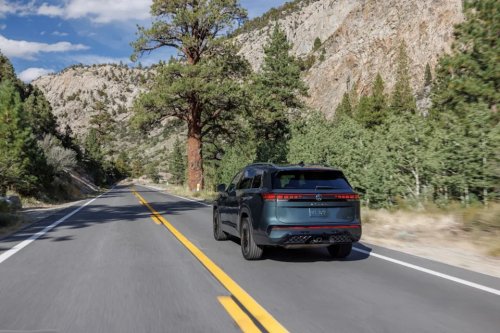
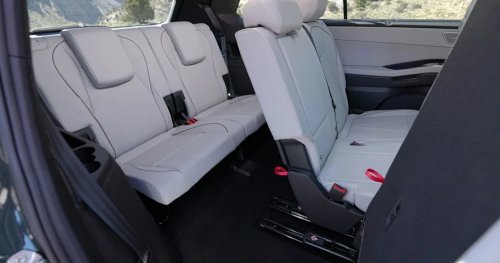
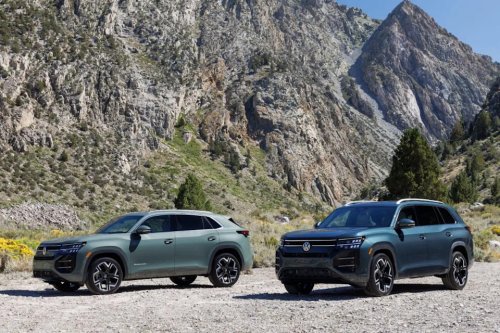


















2027 VW Atlas Gets New Interior, More PowerVolkswagenThe Volkswagen Atlas was introduced in 2017, taking VW from a maker of small cars, trucks, and SUVs that went all the way back to the Beetle and the Microbus, and suddenly bringing it into the mainstream of what contemporary American buyers wanted: mid-to-large crossover SUVs. Indeed, the Atlas was the first Volkswagen made for the US market. It's even made in Chattanooga, Tennessee.VW has been updating the Atlas since it was new. The original model was facelifted in 2021, again in 2024, and VW is now saying that the new 2027 model you see here is, quote, "all-new." We can debate what the words "all" and "new" mean, but, semantics aside, this is the best Atlas ever.Let's start with the engine. The 2.0-liter four with direct injection and variable turbo gets a 13 percent bump in horsepower to 282 hp from 6,000 rpm to 6,500, while torque stays flat at 258 lb-ft from 1,900 to 5,750 revs.Mark Vaughn"The turbocharged and direct-injection 2.0-liter four-cylinder TSI EA888 evo5 engine gets new charge cooling, variable-geometry turbocharger, injection system, and camshaft design among the revisions," VW says.Even the basic reciprocating components have been optimized, the Germans say. The crankpin diameter has been increased from 1.88 in to 1.97, while the con rods have been shortened from 5.67 in to 5.51 to allow for a new, thicker piston crown.While the previous EA888 went in everything from Audis to Skodas, and even a Seat and Cupra or two, not to mention a Macan, VW lists only the Atlas and Tiguan for the evo5 version of this new engine, and the Tiguan gets a detuned version making only 268 horsepower and 258 lb-ft of torque and only on the SEL R-Line Turbo trim.So Atlas is special.VolkswagenIt looks special, with new sheet metal all around, as near as we can tell from looking at it and from sifting through the German press-kit hyperbole: new hood, front end, grille (with a lit-up VW logo), new creases running down the sides, a new spoiler funneling air off the back end, and new taillights. It still looks kind of big and blocky, but that may have been what VW wanted, the perception of strength and stability.Inside is all-new, too. Most impressive (to me anyway) was the raised wood trim in the SEL R-Line I drove for a day. But there's also "a bold loop (that) unifies the cockpit with one strong, architectural statement," VW says, referring to the overall flow of the interior from the dashboard to the doors, or vice versa. "Everything flows with purpose, from displays to vents and lighting." See photo above to understand that.VolkswagenDepending on what trim you order, you get either leatherette, Varenna, or Nappa leather surfaces on the seats. The only thing I didn't like was that twist-o-matic gear selector on the end of the steering column stalk for changing gears in the eight-speed automatic, but on other VWs I've had with that feature, I've gotten used to it.Infotainment and connectivity seems to be about the most important thing on many buyers' minds, and the new Atlas offers a 12.9-inch floating display on SE models and 15 inches on the rest of the lineup. VW says the infotainment system includes voice control, Bluetooth technology for compatible devices, multi-phone pairing, HD radio, and SiriusXM with a three-month trial.VW claims that connecting devices is easy with standard wireless App-Connect (CarPlay and Android Auto) and new Qi wireless charging with MagSafe for two phones in the center console (up to 15W) for compatible devices, and seven standard USB-C ports. The MagSafe feature that's supposed to hold onto your phone seemed awkward for a phone with a case on it. Maybe you'd figure it out after a while.My R-Line Atlas had Harman Kardon's 14-speaker Premium Audio System, which seemed to maintain sound definition through the entire volume range. You can thank the 700-watt, 16-channel amplifier that delivers "powerful bass and detailed playback of mid-range sound frequencies to the spacious Atlas cabin."VolkswagenI crawled back into the third row seat and actually fit, more or less. VW lists cargo volume at 95.4 cu-ft with all rear seats folded, 55.9 with just the third row folded, and 21.2 with the third row in the upright and locked position. So there's a lot of room back there. VW demonstrated three child seats in a second-row bench seat, a setup that also allowed access to the third row, so if anyone has triplets as well as two more kids, you're set. Captains' chairs are available for those with two kids.I put a couple hundred miles on one Atlas with 4MOTION. You can get front-wheel drive, too. Some colleagues suggested they didn't think the new model had as much power and torque as a 4,420- to 4,568-pound SUV should have, but I distinctly recall flooring the throttle on several uphill onramps and feeling like there was more than enough oomph for the job. There was no 0-60 mph time listed, but low-sevens might be possible, which is enough for almost all suburban duties.Gas mileage is listed by VW at 22 mpg city, 29 highway, and 25 combined for FWD models and 20 city, 27 highway, and 23 combined for 4Motion all-wheel-drive trims.VolkswagenPrices start at $43,135 for a front-drive SE, an increase of $2,350 over the 2026 model, while the Atlas top out at $58,135 for the SEL Premium R-Line like the one I drove.Should you buy this or a Hyundai Palisade/Kia Telluride/Toyota Grand Highlander/Chevrolet Traverse/Ford Explorer/the-list-goes-on-and-on? It's almost hilarious to look at those competitors' specs, as they just about cover each other within a few bucks and a couple of horsepower. Volkswagen owners are a different breed, a bit more individual and less likely to want to be mooshed into a suburban housefrau demographic. Compared to those, the Atlas may feel just a bit more responsive from behind the wheel. The Kia/Hyundai options come with a heck of a warranty. And the Toyota comes with a well-documented reputation for quality.So you have to at least drive the Atlas and see if you like it. It may stand apart from the crowd, but it's a pretty big crowd.