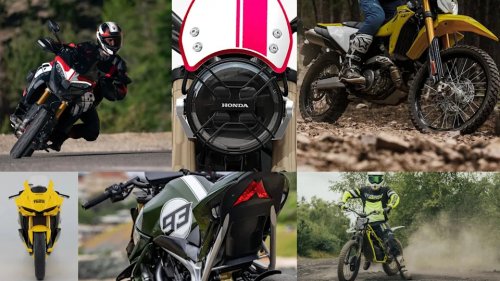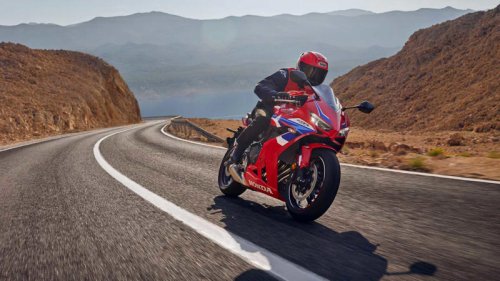
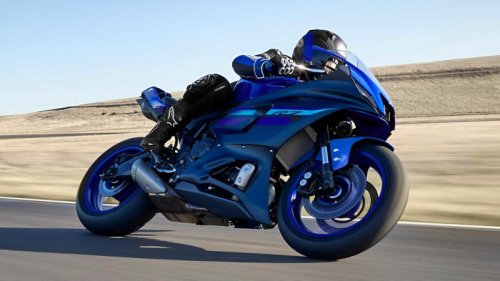
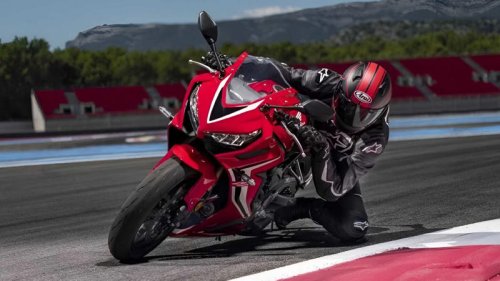
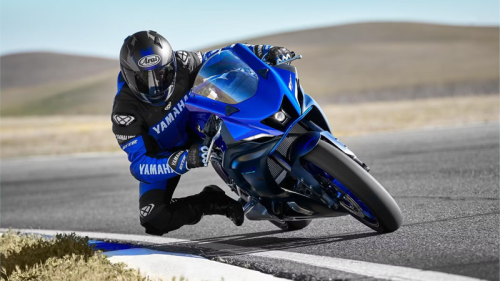
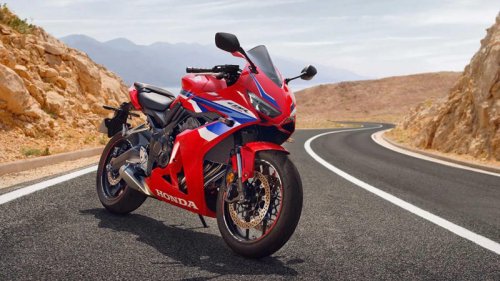


















Imagine two riders at a red light: one rider is on the 2026 Yamaha R7, while the second rider is on the Honda CBR650R. When the light turns green, which one leaves the other in the dust? The Yamaha R7 has its lightweight architecture going for it, the more agile of the two bikes, while Honda features a silky inline-four that churns out more peak power from its bigger cylinders.Every biker wants the option that gives the most bike for the money: which is a combination of speed, agility, and affordability, but what happens when both options give you that in spades? The Yamaha wins in weight and torque, and gives you that bend where you feel the most confidence going down a winding road, giving you the best ride while you’re driving through the countryside. Then, there’s the Honda, which gives raw power mixed with drive refinement, well-worked braking hardware, range, and price for riding buffs that crave maximum power on the road.That said, let’s break down the 2026 Yamaha R7 and the Honda CBR650R across the five performance specs that would actually define how these bikes ride, and not just how they look on paper. When you’re done reading, get up and go test ride both to feel the love yourself. The Engine Battle That Defines Everything Else HondaMost of the time, when either of these two bikes is searched for online, the search is about their engine architecture. Now, let’s try to quench the argument you’ve been having with every other biker at the gas station. The Yamaha R7 uses a 689cc CP2 parallel-twin engine while the Honda CBR650R is fitted with a 649cc inline-four engine. These engines represent fundamentally different philosophies. This is the heart of the story.The 689cc parallel-twin of the Yamaha R7 is torquier, has a more accessible power curve, and is great for mid-range punch. On the other hand, the 2026 Honda CBR650R’s 649cc inline-four engine is revvier, produces higher peak power with its 95 horsepower output exceeding the 2026 Yamaha R7’s 73 horsepower, and is smoother at high RPM. With Yamaha’s higher cc, one would have expected it to have a higher peak power than the Honda, but the CBR makes more power thanks to the smaller displacement from its four cylinders.In the real world, each engine produces a much different character trait. The R7 is more muscular of the two, while the CBR650R is a screamer. Long story short, is the CBR650R more powerful than the R7? Yes, by approximately 23 horsepower at peak. It’s like the story of the sprinter vs. the long-distance runner; both bikes are crazy fast, but with different styles. Lightweight Vs. Loaded — How Weight Changes Everything on the Road YamahaFor a bike, weight is a fundamental performance metric. It affects cornering, braking, and rider fatigue, making it the most immediately felt performance differentiator when riding. It is one of the highest-impact specs for buyers. For quick comparison, the 2026 Yamaha R7 weighs in at approximately 189 kg wet, which makes it significantly lighter and easier to flick through corners than the 22 kg heavier Honda CBR650R, which weighs in at approximately 211 kg wet. That said, the CBR feels better planted at speed. But how does the weight-to-power ratio affect real-world acceleration? With an engine that’s 22 horsepower less powerful than the CBR’s, the lighter R7 can rocket from a standing start to 60 mph in a 0-60 mph race with the CBR in very comparable 3.3-second times. Its lightweight makes it feel quicker off the line despite less peak power.Another metric that most riders would consider is seat height. In comparison, the R7’s ride height is 830 mm, which is 20 mm higher than the CBR650R’s 810 mm ride height. This would be important for riders of different heights, especially women riders. The average woman at 5’4” has an inseam length of between 685.8 mm and 787.4 mm, making an 810 mm ride height a more attractive option for them. But what happens to beginner bikers struggling with weight management? For them, the 20+ kg may make all the difference as long as they can afford to get one foot down on the road for balance. Braking And Suspension — Which Bike Stops (and Corners) Like It Means Business Honda For any sports vehicle, whether it’s a bike or a car, stopping power and chassis dynamics directly shape the rider's confidence as well as lap times. It’s a core performance metric for sport bike buyers. The 2026 Yamaha R7 is fitted with a Brembo radial master cylinder braking system: dual 298mm front discs with radial-mount calipers for the front and a single 245mm hydraulic disc for the rear. It also uses KYB fully-adjustable inverted forks.In comparison, the 2026 Honda CBR650R is fitted with a Nissin braking system: dual 310mm floating front discs and radial-mounted four-piston calipers in the front, which are larger than the R7's 298mm rotors, and a single 240mm hydraulic disc and a single-piston hydraulic caliper in the rear. The Showa SFF-BP forks typically offer zero adjustability compared to the KYB system on the Yamaha, though the Honda's larger rotors provide slightly more bite.For suspension, the Yamaha R7 is fitted with a linked-type monocross shock, which is designed for a more aggressive, track-ready response, compared to the Pro-Link rear suspension system used on the Honda CBR650R, which is meant to offer riders a "plush" and comfortable ride suitable for long-distance sports touring. That makes the Honda the more plausible option for long-distance riding. ABS is standard on both bikes. Power Delivery And Rideability — Which Bike Rewards the Rider More via Yamaha Raw horsepower numbers aside, it is also important to discuss how the power is delivered on the road; this very importantly shapes the entire riding experience. Imagine a rider on a canyon road trying to navigate a corner, or a rider on the street trying to overtake a slow-going truck. This is where usable power matters more than just peak power. The Yamaha R7 has a torque advantage at lower RPMs. It produces 50.2–51.2 lb-ft of torque at 6,500 rpm, which is easier to use on the street, compared to the CBR650R's peak torque of 46.4–47.2 lb-ft at a higher RPM of 9,500 rpm, only rewarding riders who work the rev range.On the R7, the Lean-Sensitive Traction Control (TCS) system knows how far the bike has leaned and will adjust power more precisely to prevent slides. The CBR uses the Honda Selectable Torque Control (HSTC) system, which isn’t lean-angle sensitive, but effectively reduces rear-wheel slip on various surfaces. It also uses Honda’s E-Clutch system, which eliminates the need to touch the clutch lever, allowing you to start, stop, and change gears using only the foot pedal. The R7 uses the 3rd Gen Quickshifter (QSS) system to provide something similar.The R7 has better fuel efficiency, producing 10 MPG more than the CBR’s best-case scenario of 49 MPG. Its 3.7-gallon fuel tank gives it 30 more miles of driving per fill-up compared to the 190 miles you’d get on the CBR’s 4.1-gallon tank. That said, maintenance is a different ball game. The Yamaha requires oil changes in 4,000 miles or every six months, while the Honda gives you 8,000 miles of riding between oil changes. However, Honda's inline-four engine is more expensive to repair, though the less frequent service intervals help offset the cost.Hondas are typically better known in the bike world as comfort machines. The 2026 Honda CBR650R feels like the better everyday option due to its comfort on the road and reliability, but the 2026 Yamaha R7 is the enthusiast's choice for spirited canyon carving. So, is the Yamaha R7 good for beginners compared to the CBR650R? That depends on whether your poison is the track or the street. Price Vs. Performance — Which Bike Gives You More Bike for the Money via Honda When all metrics have been considered, the next thing to check is the price. Value-for-money always rounds out the performance conversation. The 2026 Yamaha R7 has an MSRP of $9,399. The 70th Anniversary Edition has an MSRP of $9,699. Destination charge adds $675 to the MSRP. On the other hand, the 2026 Honda CBR650R has an MSRP of $9,199, with destination charges adding $600 to the MSRP. While the R7 delivers more torque, lighter weight, and Yamaha's motorsport pedigree, it costs just over $10,000 with destination charges at its cheapest point. Meanwhile, the Honda CBR650R delivers more peak power, a more refined inline-four engine, and Honda reliability for $9,799.