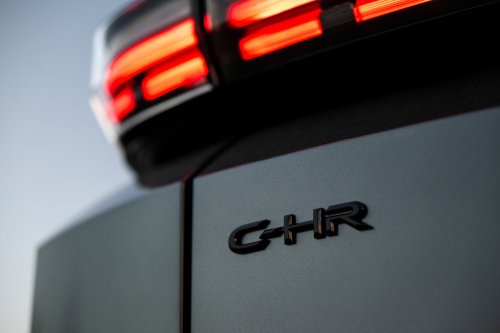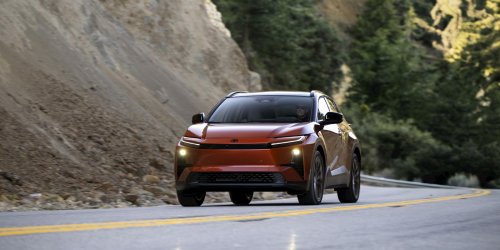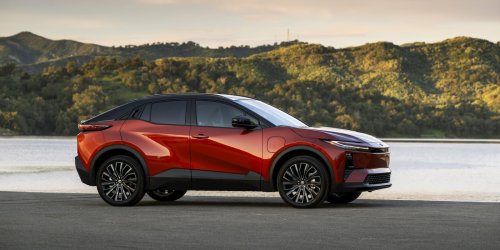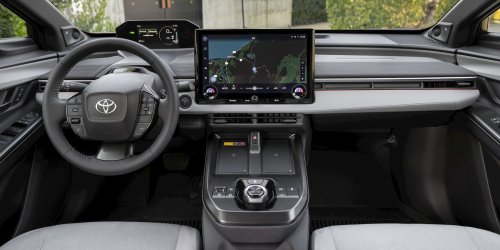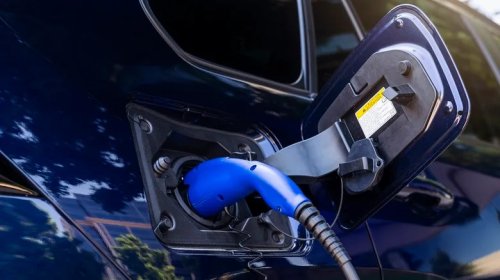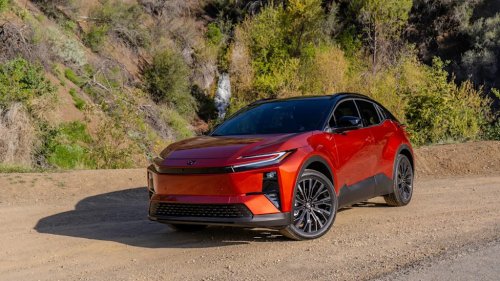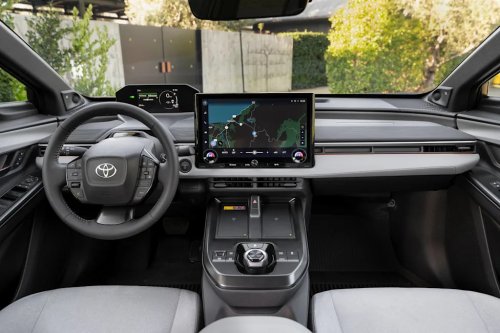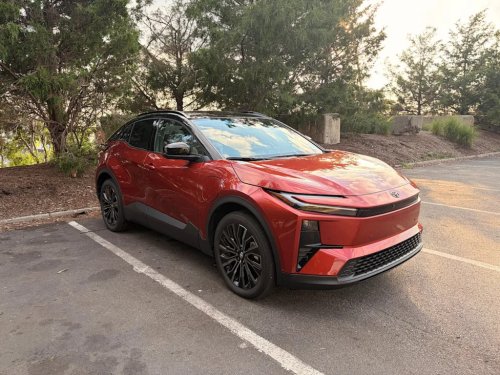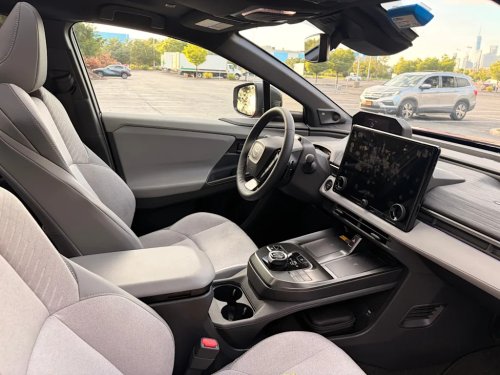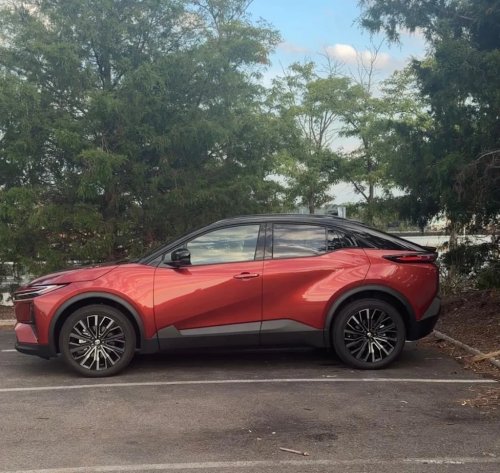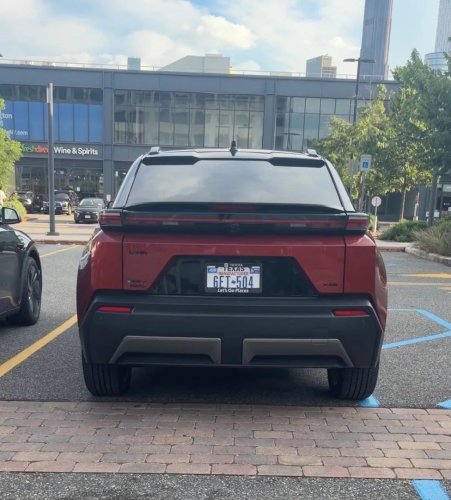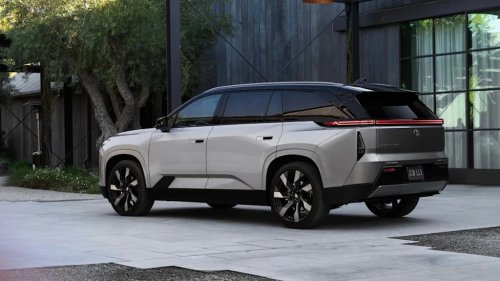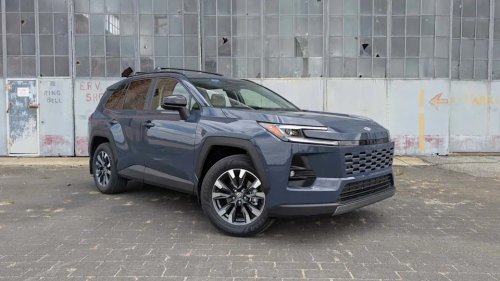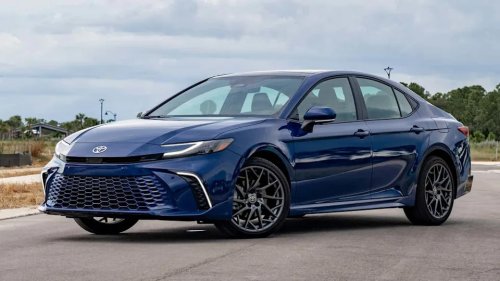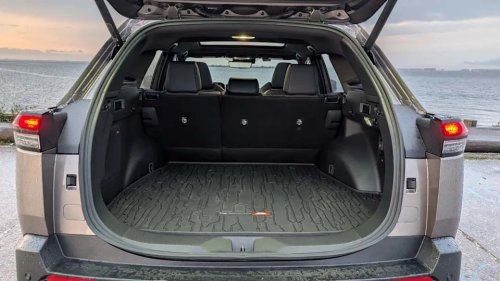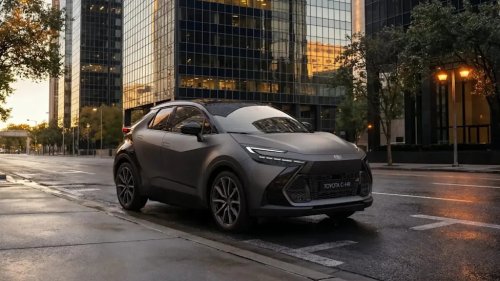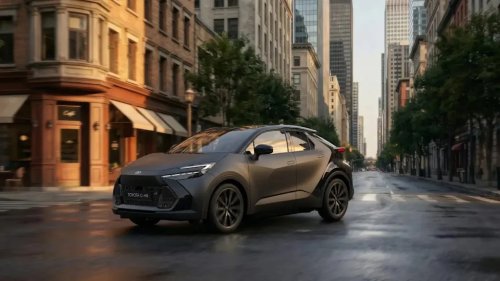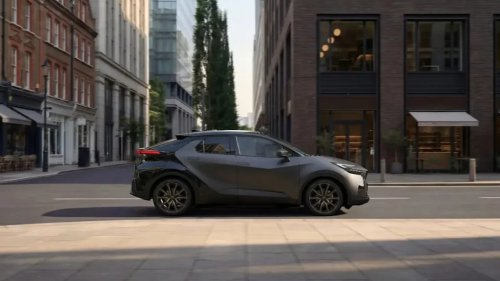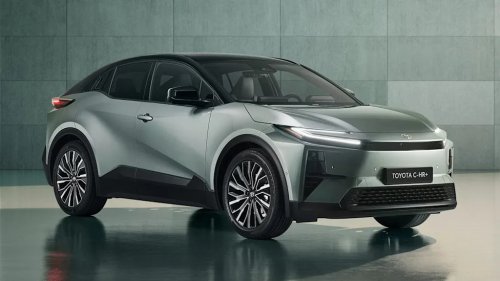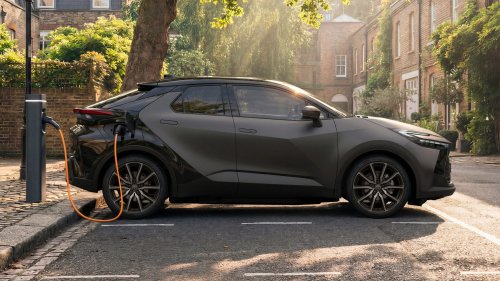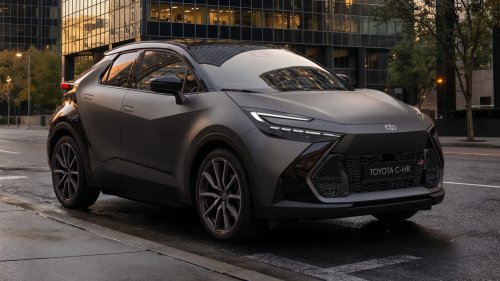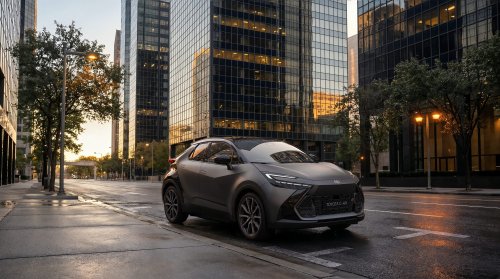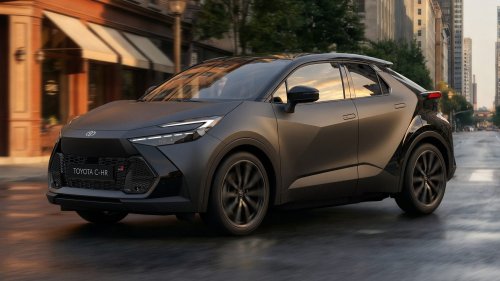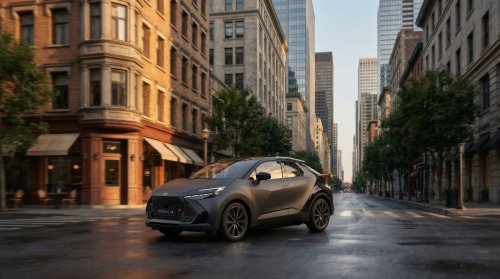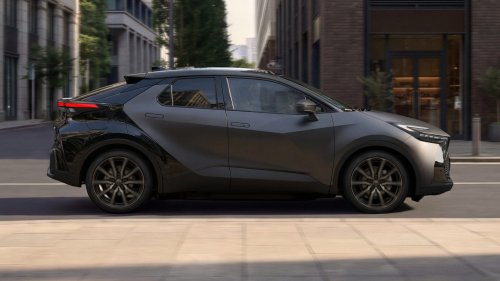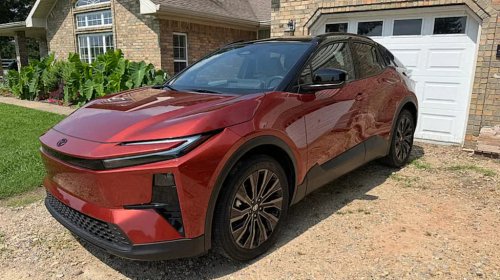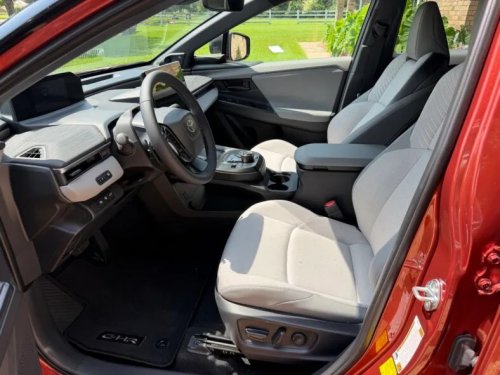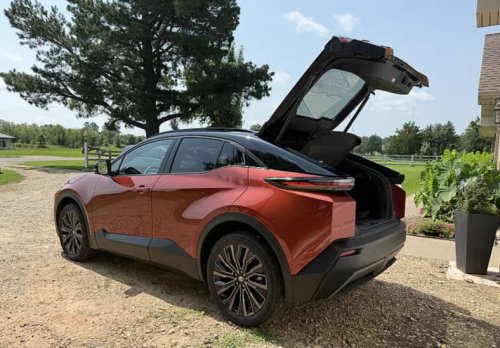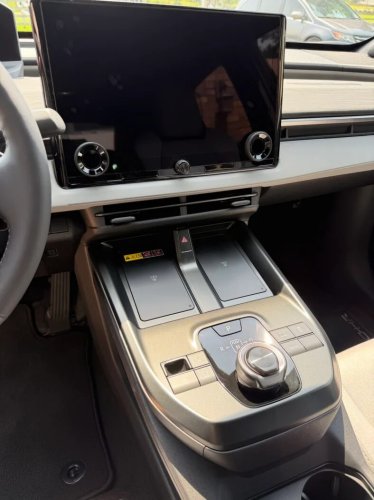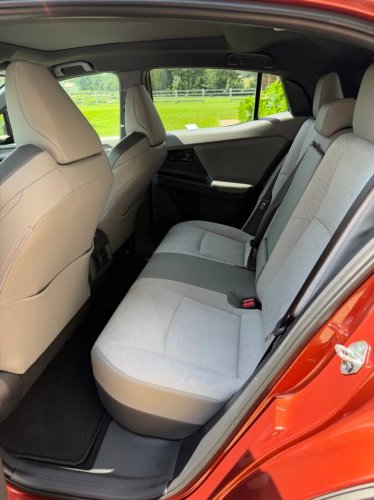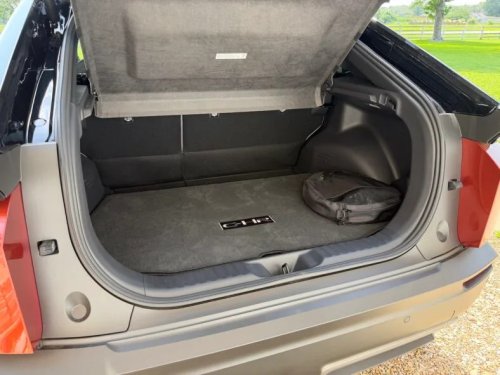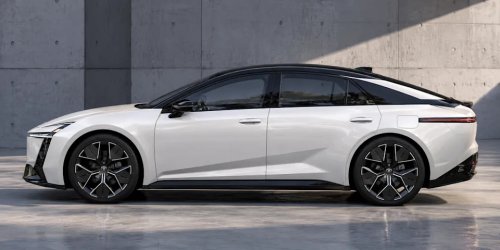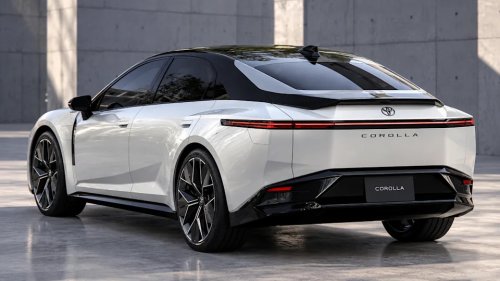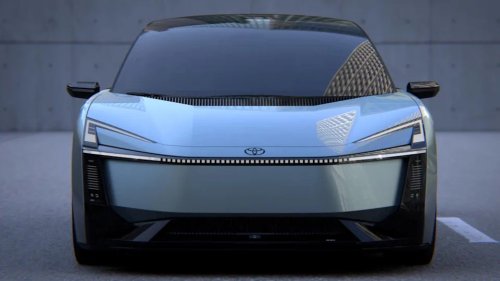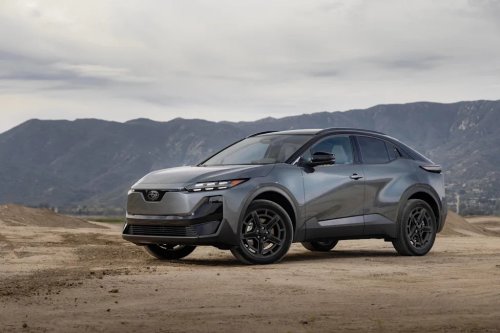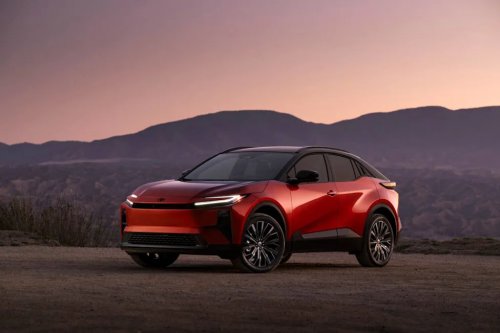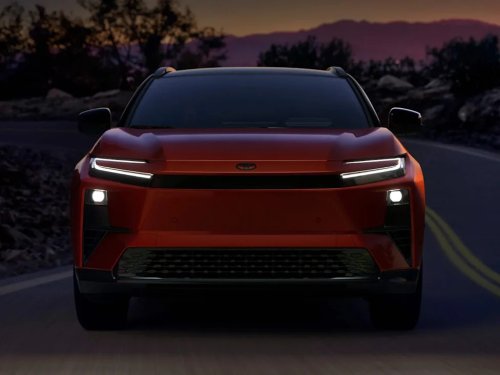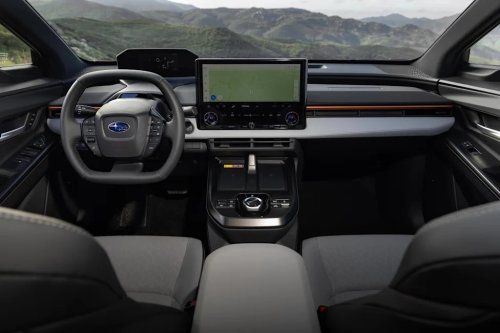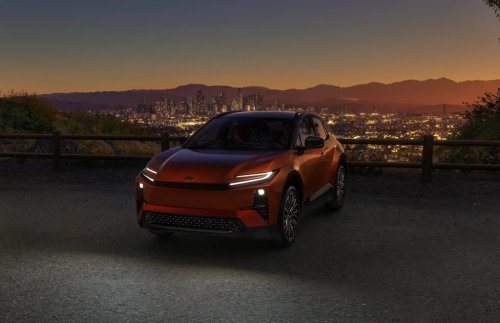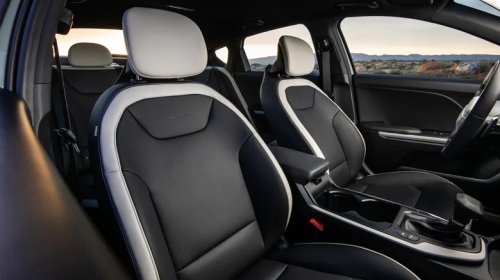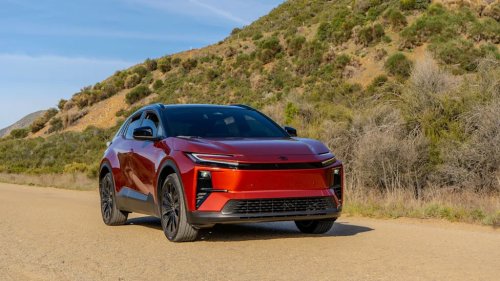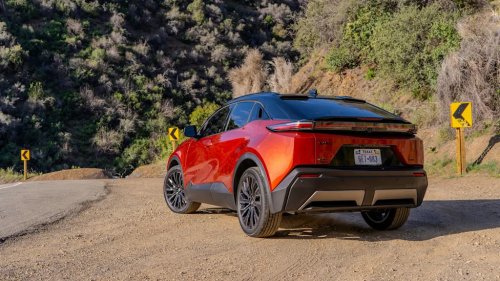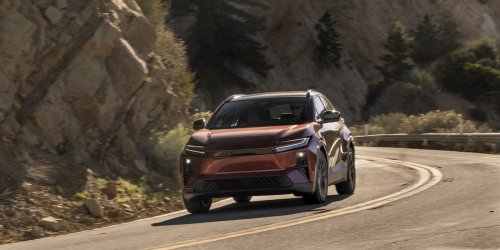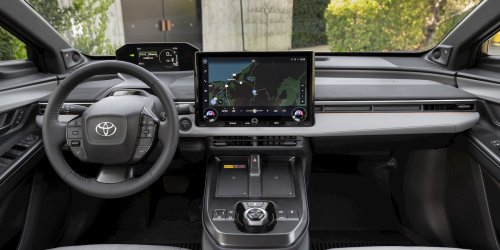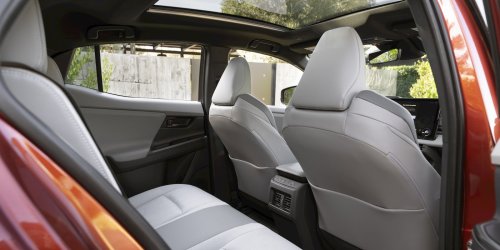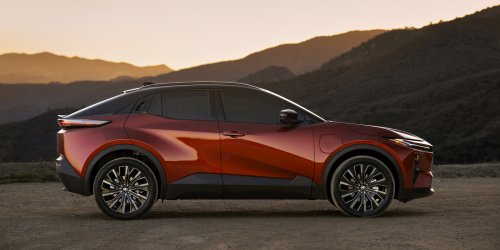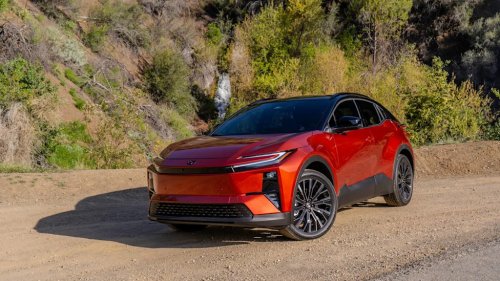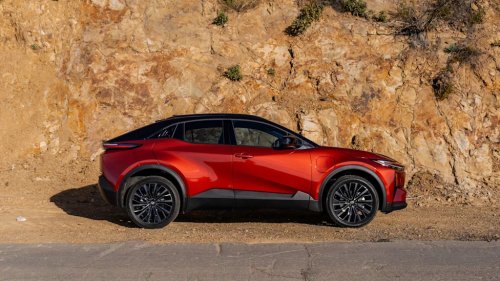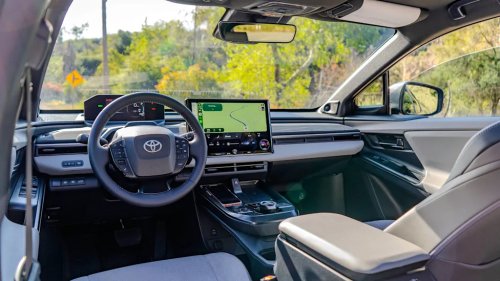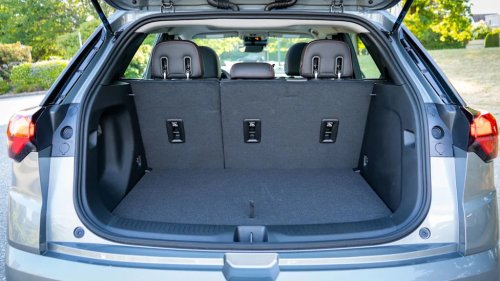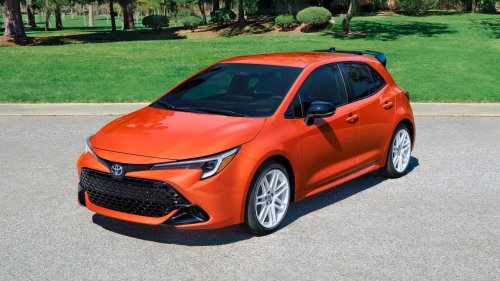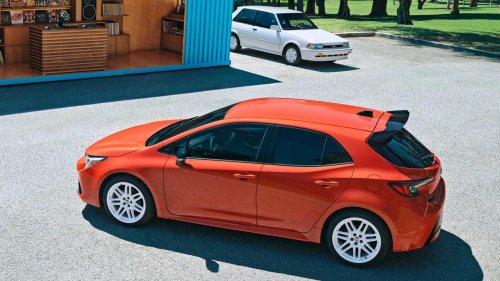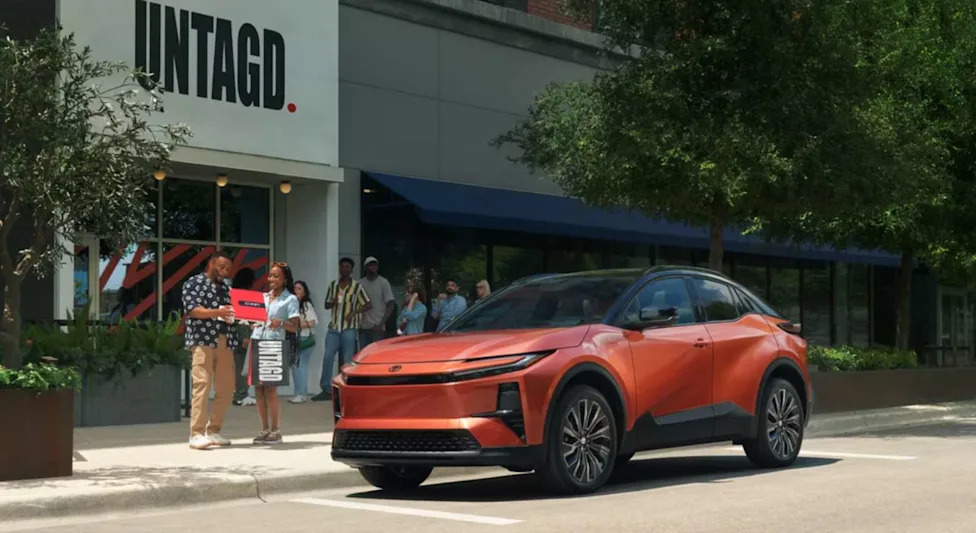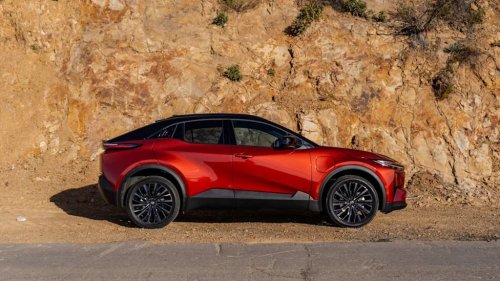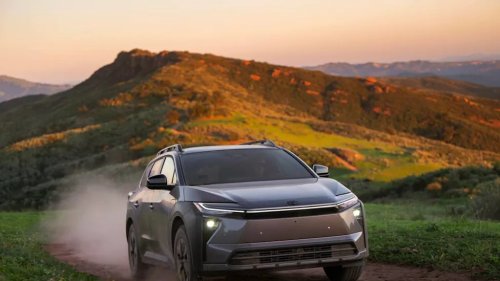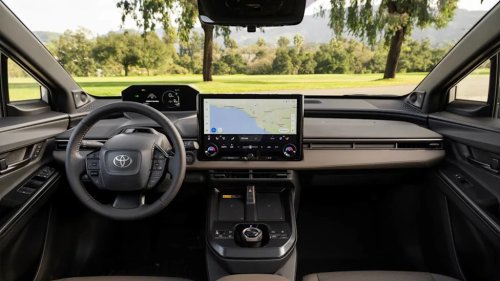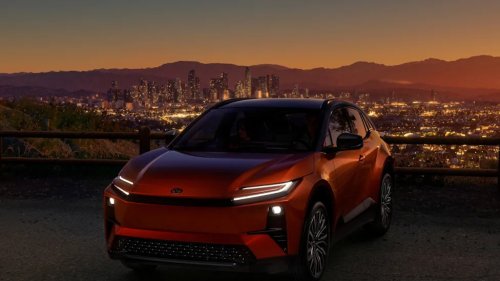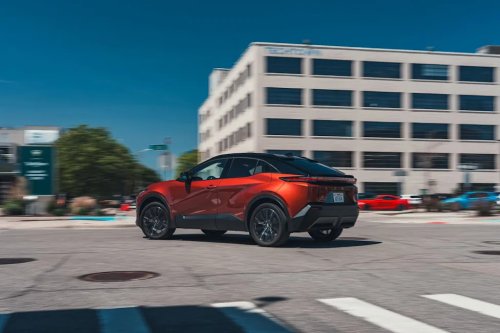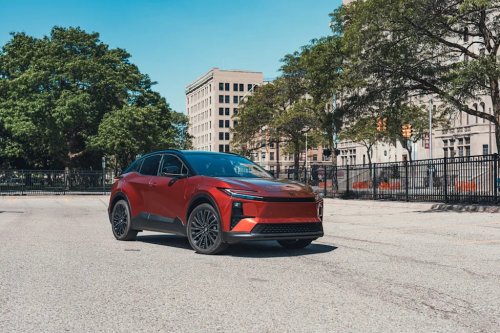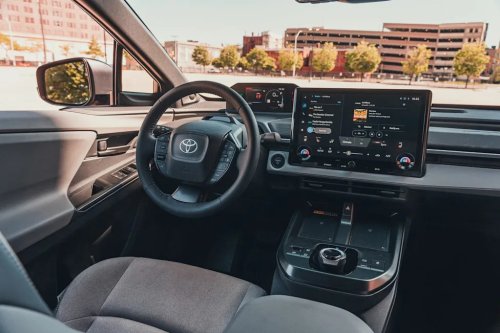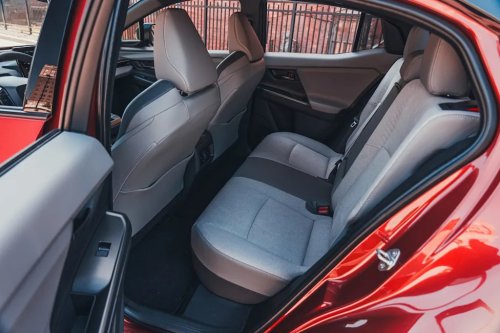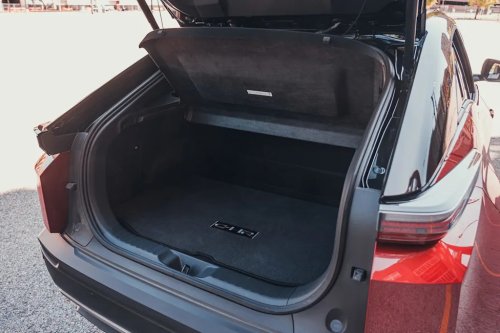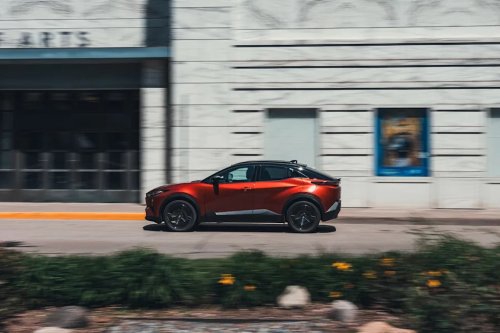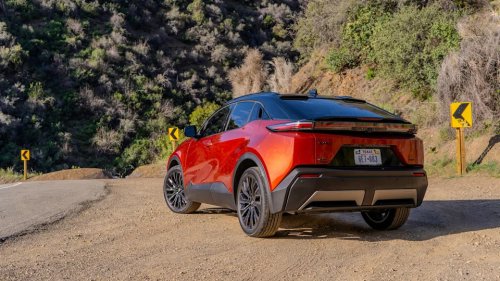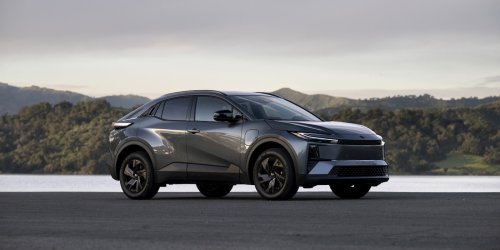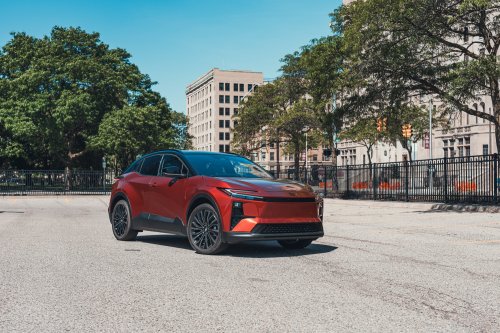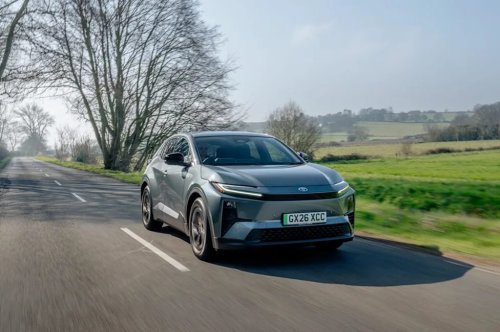
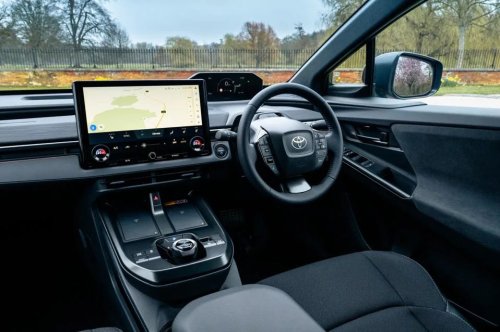
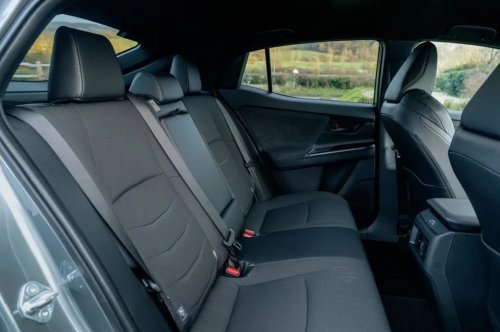
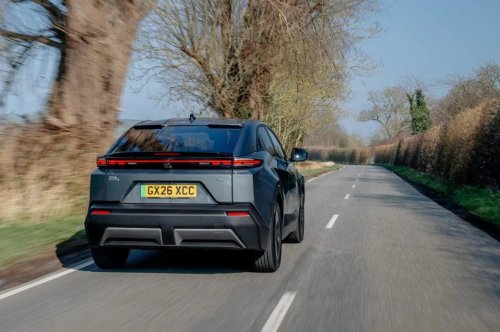
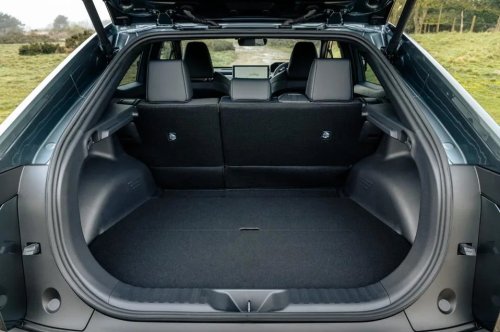



















Toyota C-HR+ToyotaToyota's taken its time getting serious about electric cars, but the new C-HR+ suggests the wait may finally have been worthwhile.Despite the name, this isn't simply an electric version of the existing Toyota C-HR hybrid. The C-HR+ is a larger, all-electric SUV that shares its underpinnings with the bZ4X, but wraps them in a much sharper-looking body. It's Toyota's answer to the Skoda Elroq, Kia EV3, Renault Scenic E-Tech and Peugeot E-3008.Toyota C-HR+ interior and designThe C-HR+ is one of the more interesting-looking electric SUVs around. Toyota has resisted making it look like some sort of concept car for the road, instead giving it the company's latest 'hammerhead' front end, slim headlights and a roofline that drops away towards the back.AdvertisementAdvertisementIt's a good-looking car, particularly from the front three-quarters, and the styling helps it stand out in what is becoming an increasingly crowded electric SUV market. At £34,495, it also looks like it should cost more than it does.Toyota C-HR+ interiorThe interior is a little less adventurous. There's a 14in touchscreen, a digital driver's display and plenty of dark trim, but Toyota hasn't followed the trend for stripping out every physical button in the name of minimalism.That's actually one of the things I like about it. The climate controls, for example, are still straightforward to use without having to dig through a touchscreen menu. The infotainment system is reasonably easy to get along with, too.The driving position is good and the front seats are comfortable enough for long journeys. As you'd expect from Toyota, everything feels properly screwed together.Toyota C-HR+ interiorThere are a few strange decisions. The most obvious is the missing glovebox. Toyota has fitted an infrared heating system for the front passenger in its place, which is clever enough, but I'd still rather have somewhere to put the usual collection of receipts, sunglasses and assorted rubbish that inevitably accumulates in a car.AdvertisementAdvertisementStorage elsewhere isn't particularly generous, either.The sloping roof has a more noticeable effect on the rear seats. There's decent legroom, but taller passengers will be aware of the roofline. The 416-litre boot is also fairly modest considering the C-HR+ is a sizeable SUV.Toyota C-HR+ driving experienceToyota has talked up the C-HR+'s driving dynamics, although this isn't a car that suddenly turns into a GR Yaris when the road gets interesting.It is much more interested in being comfortable.The suspension does a good job of smoothing out potholes and broken surfaces, while the relatively tall tyres fitted to 18in wheels help keep the ride composed. On the motorway, it settles down nicely and there's little wind or road noise to disturb the peace.AdvertisementAdvertisementThere's enough grip to have some fun on a decent road, and the steering is reasonably well weighted, but you never forget that this is a family SUV rather than a sports car. The 221bhp version has enough punch for overtaking and joining a motorway without any trouble, although it won't leave you wondering where Toyota found all that power.The electric motor's instant response suits the car. There's no fuss when you press the accelerator, just a smooth surge of power.Toyota's driver assistance systems are also fairly unobtrusive. Adaptive cruise control and lane-keeping assistance do their jobs without constantly making you feel as though the car is trying to take control away from you.Toyota C-HR+ rangeThere are two battery options available.AdvertisementAdvertisementThe entry-level Icon gets a 57.7kWh battery and 165bhp electric motor, giving it an official range of up to 284 miles. Higher-spec Design and Excel versions use a 77kWh battery and 221bhp motor, with up to 376 miles of range on the most efficient version.That bigger battery is the one I'd be tempted by. If you regularly cover long distances, having nearly 400 miles of claimed range gives the C-HR+ a useful advantage over some of its rivals.Toyota C-HR+Of course, you won't see 376 miles every time you charge it. Cold weather, motorway speeds and the usual mix of driving conditions will all take their toll. But the underlying range is strong enough that longer journeys shouldn't require quite so much thought.DC charging is available at up to 150kW, with Toyota claiming a 10-80 per cent charge in around 28 minutes. Most versions have an 11kW AC charger, while the Excel gets 22kW capability.Toyota C-HR+ practicalityThis is where the C-HR+ is less convincing. The problem isn't that it's cramped. It isn't. The issue is that the car's exterior dimensions suggest there should be more room inside.AdvertisementAdvertisementAdults can sit comfortably in the back, but taller passengers lose some headroom because of the sloping roof. The 416-litre boot is also smaller than you might expect from an SUV of this size.Toyota C-HR+That could be an issue for families who regularly carry pushchairs, dogs or lots of luggage. A more upright SUV, such as the Skoda Elroq, makes better use of its footprint.It's the inevitable compromise of the styling, really. The C-HR+ looks better because of that low roofline, but a boxier rear end would have made it considerably more useful.For a couple or a small family, though, it should still be perfectly adequate.Toyota C-HR+ verdictThe Toyota C-HR+ is a significant step forward for a company that has been rather cautious about electric cars.AdvertisementAdvertisementIt's comfortable, quiet, well made and easy to drive. The larger battery gives it the sort of range that makes an EV genuinely useful for long-distance driving, while the interior avoids some of the irritating touchscreen-heavy trends found elsewhere.It isn't perfect. The boot could be bigger, rear headroom could be better and the missing glovebox remains an odd decision. Some rivals also offer more interesting interiors and greater flexibility.I'd still go for the 77kWh version if the budget stretches to it. The additional range suits the C-HR+ particularly well and makes it a more convincing proposition for high-mileage drivers.Toyota may have taken its time getting here, but the C-HR+ proves that the company can build a genuinely competitive electric SUV. It isn't trying to reinvent the wheel. Instead, it takes the familiar Toyota formula – comfort, quality and ease of use – and applies it to an EV.AdvertisementAdvertisementFor many buyers, that will be more than enough.This article was originally published on Forbes.com