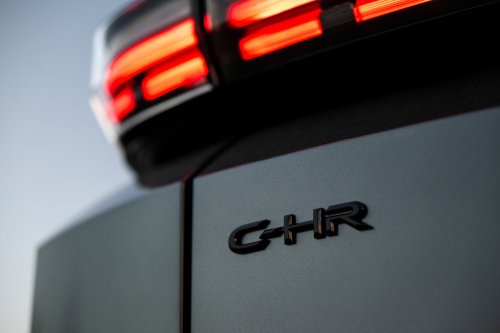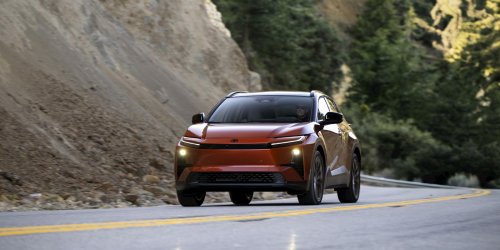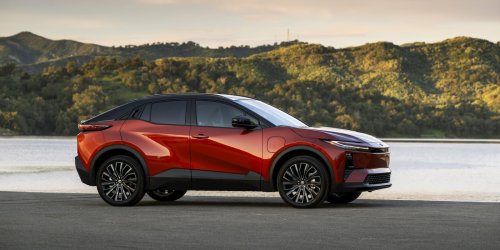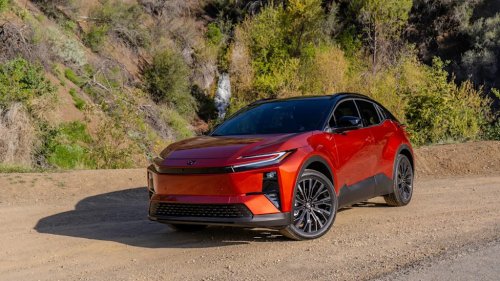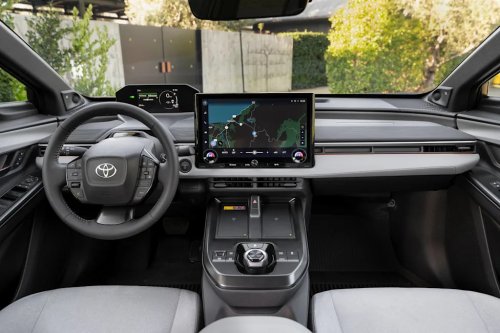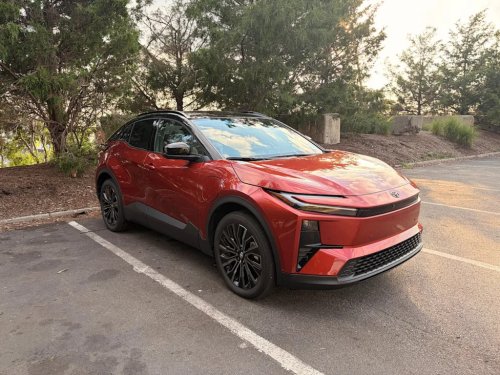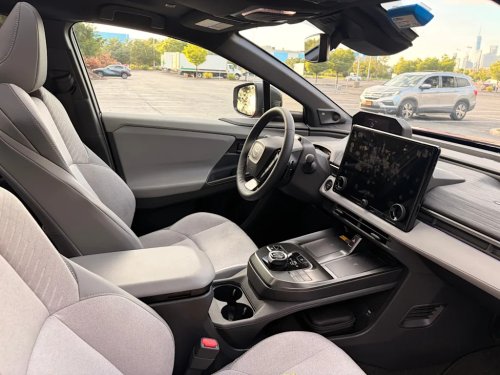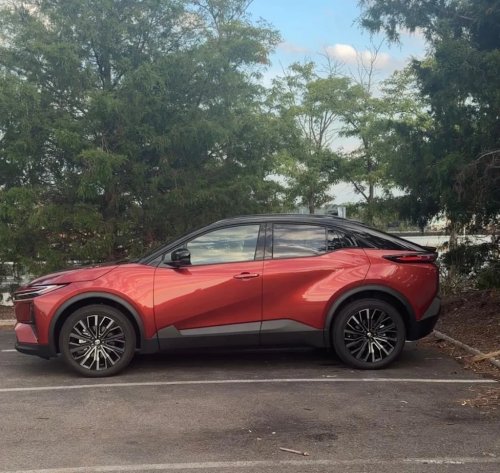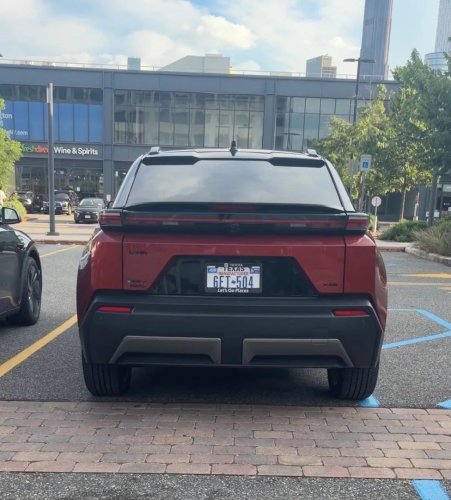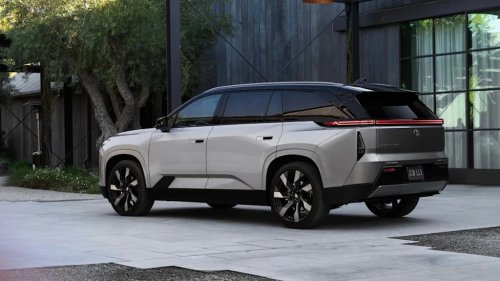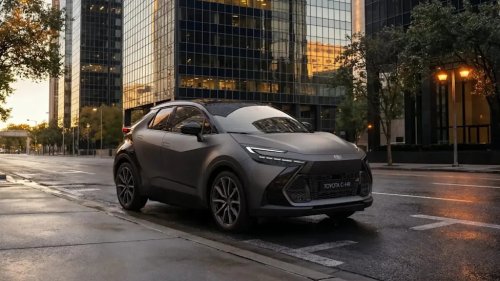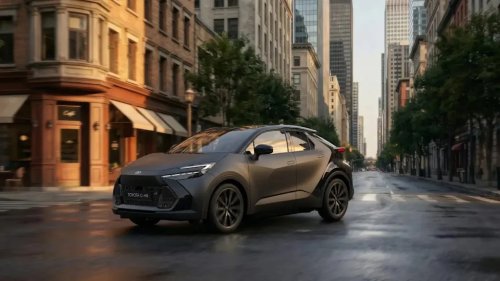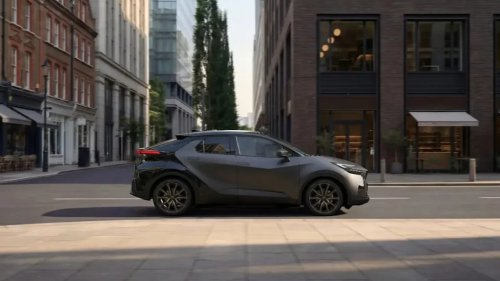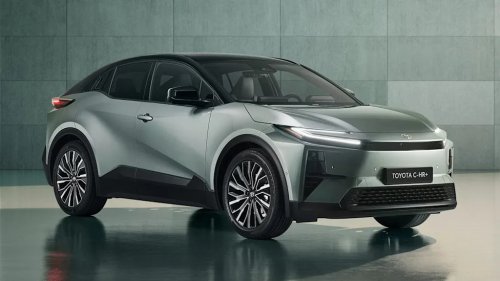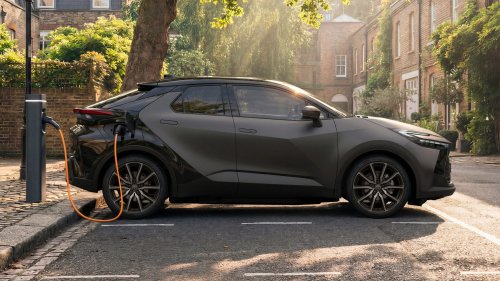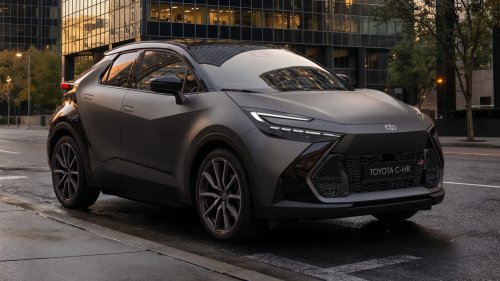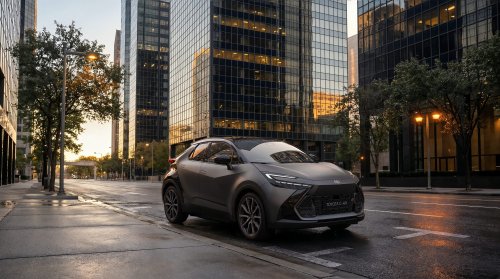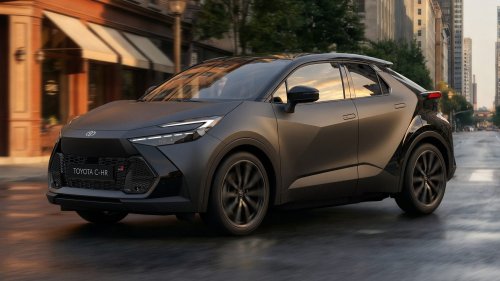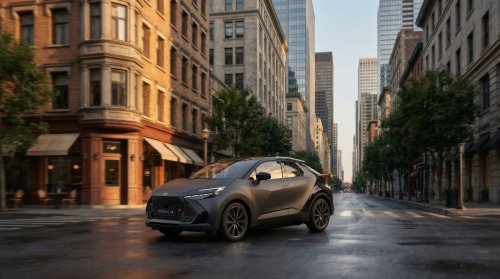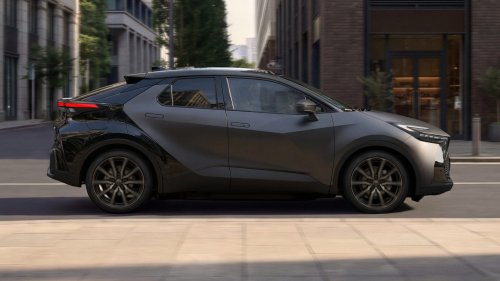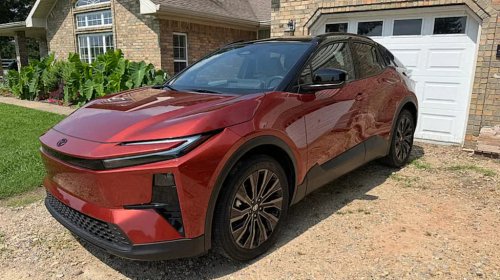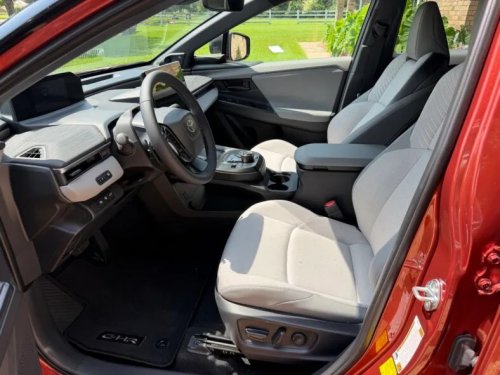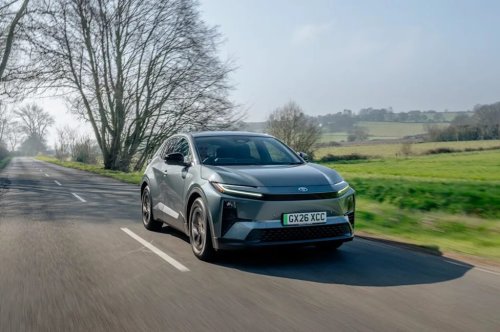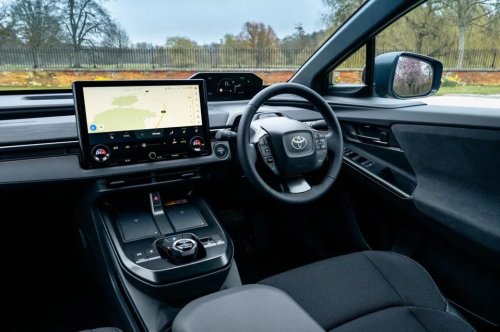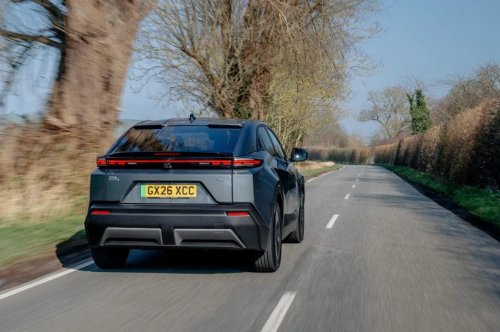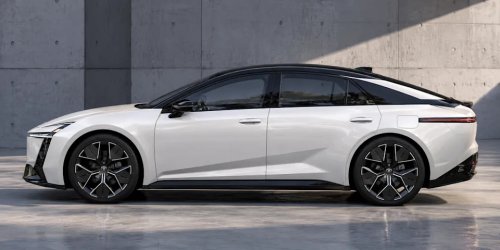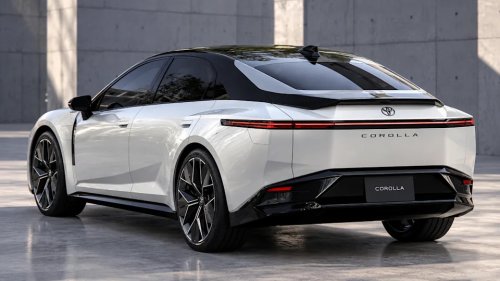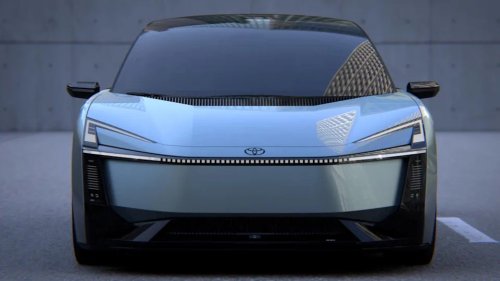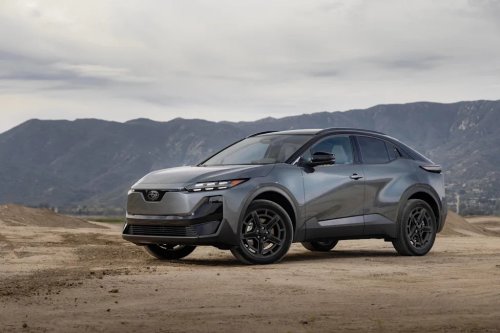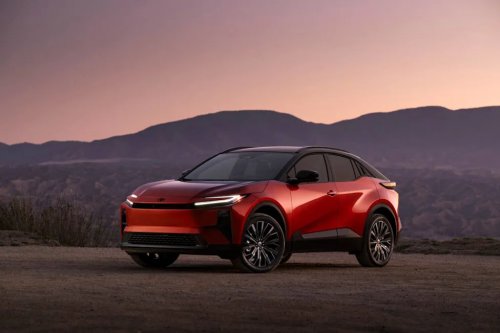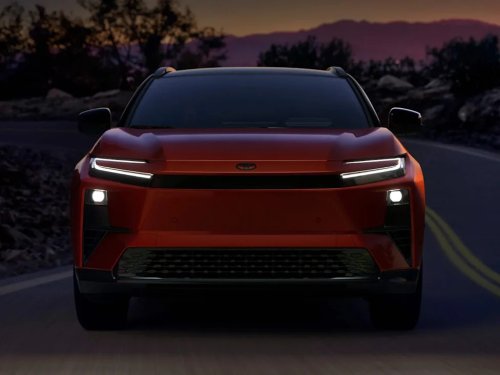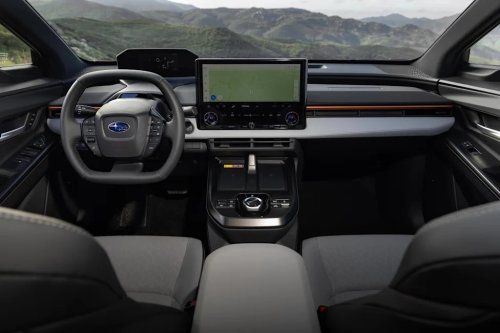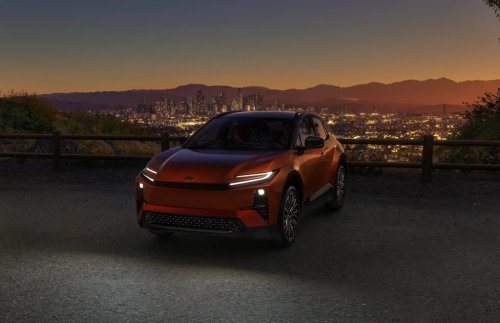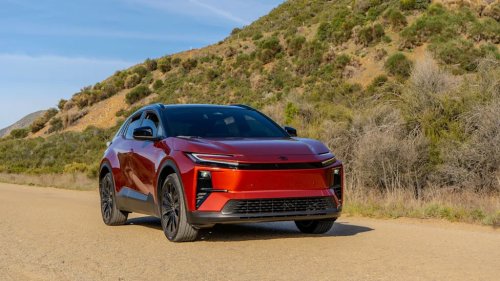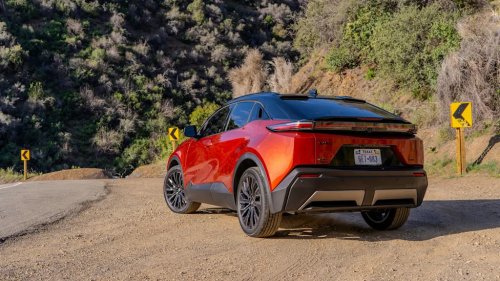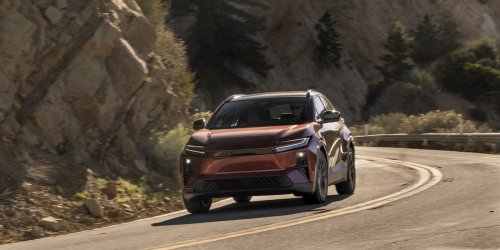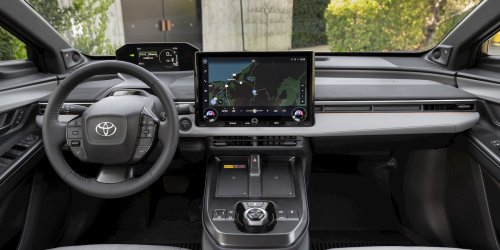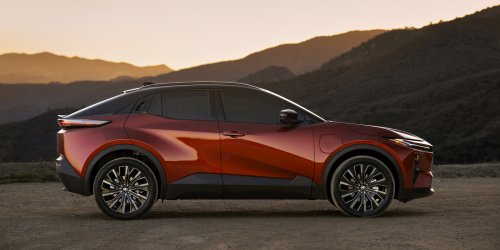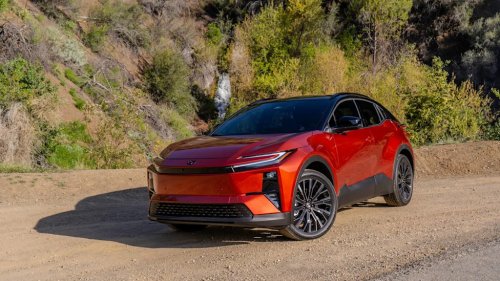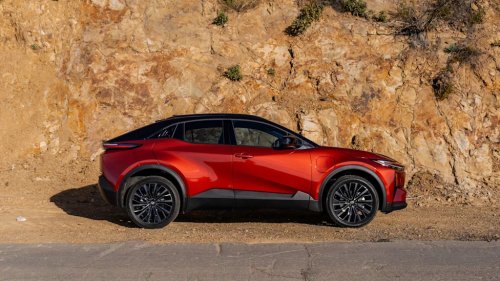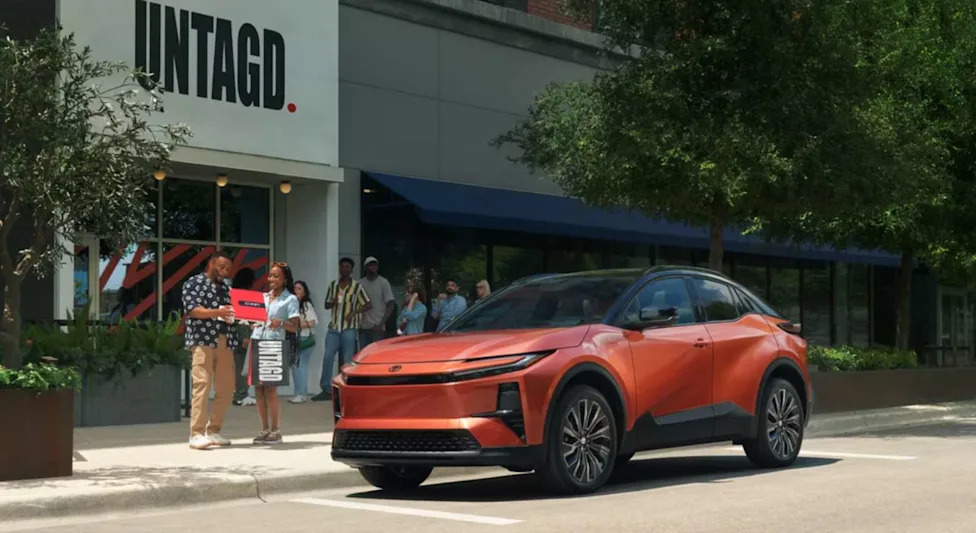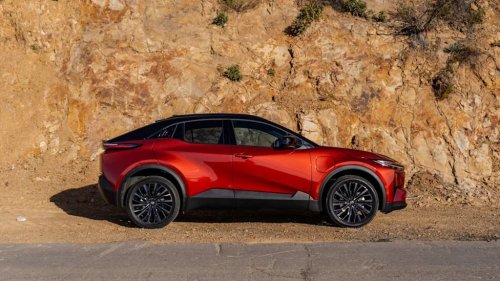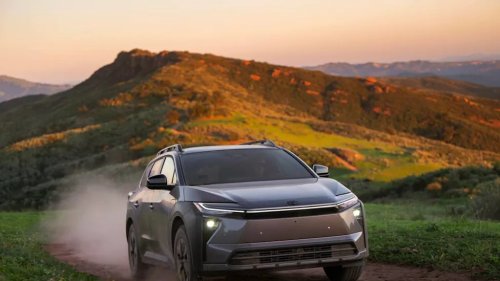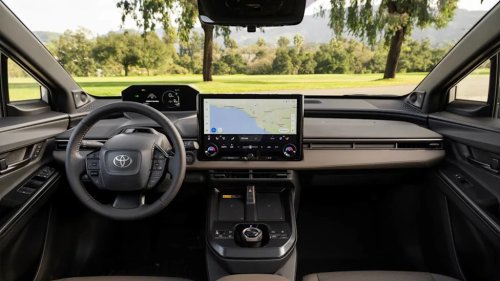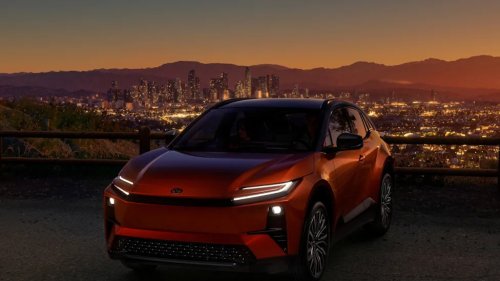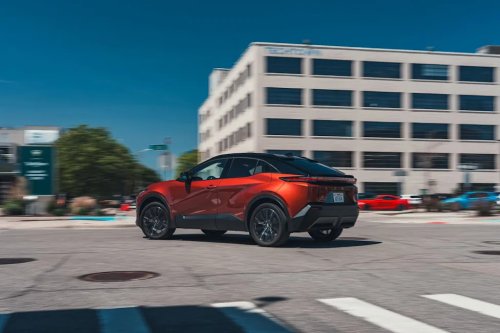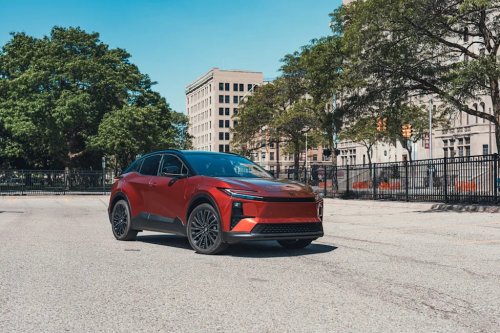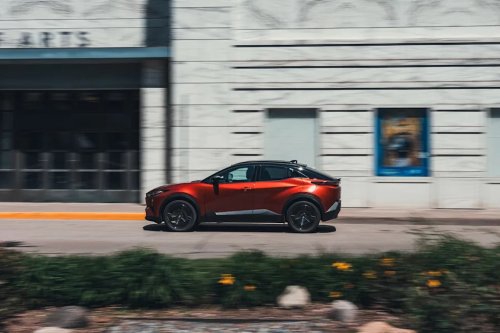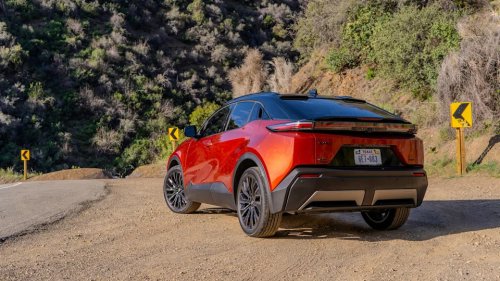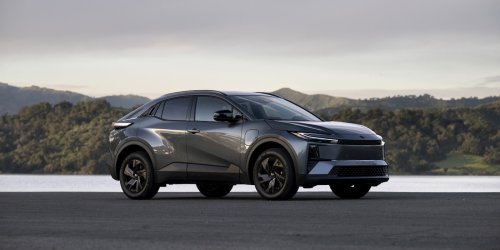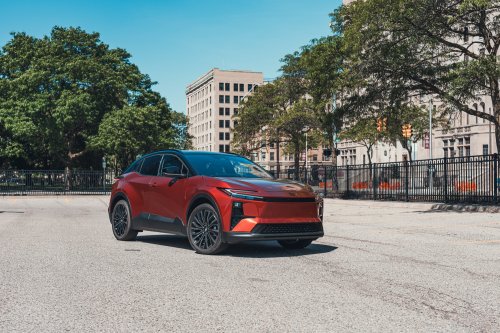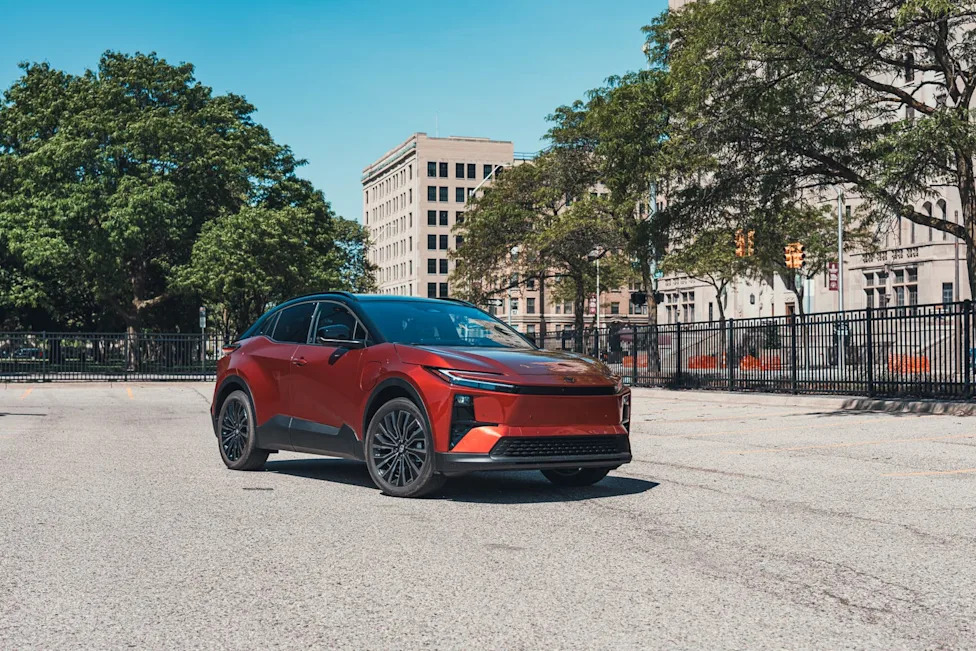
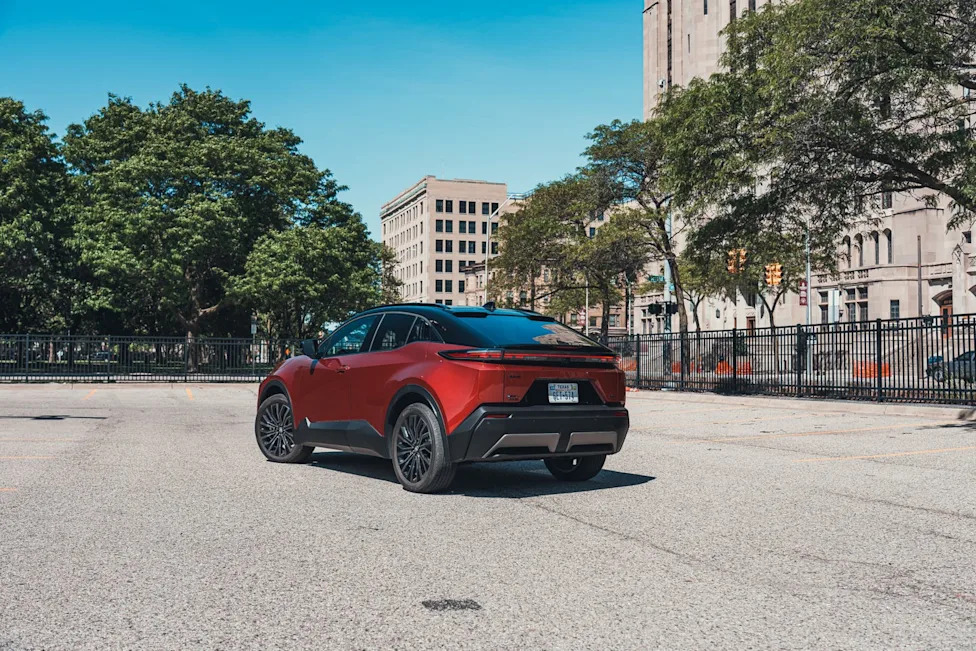



















10,000 Toyota C-HR EVs Recalled Due to Overcharged Batteries That Cause Loss of Drive PowerCar and DriverCaleb MillerWed, September 9, 2026 at 5:00 PM UTCAdd us on GoogleToyota Recalls C-HR EV for Overcharged BatteriesMarc Urbano - Car and DriverToyota announced that it is recalling approximately 10,000 C-HR EVs across North America.The issue stems from a software bug that can cause the regenerative braking to overcharge the battery, leading to a loss of drive power.Toyota will notify owners by early November, and dealerships will perform a software update to fix the issue.2026 has seen Toyota substantially expand its lineup of electric SUVs in the United States. Along with a thorough refresh of the bZ4X, which saw the nameplate simplified to bZ, Toyota also introduced the more wagon-like bZ Woodland and the smaller C-HR. Now, however, the latter has hit some trouble. Last week, Toyota announced that it was implementing a safety recall of around 10,000 C-HRs across North America, all from the 2026 model year.The recall is for a fairly dire reason. According to Toyota's statement, the C-HR can essentially sometimes regenerate more too much energy under braking. Toyota says that under certain conditions, when the battery is already at a high level of charge, a software issue can mean the regenerative braking function will overcharge the battery. This can then lead the electric drive system to shut down, resulting in a loss of drive power, which Toyota says, at higher speeds, can cause an increased risk of a crash.Marc Urbano - Car and DriverThe notice says that the recall covers roughly 10,000 units in North America, which presumably includes the Canadian market. The C-HR is not currently sold in Mexico. By our math, the recall population should cover nearly every C-HR currently on the road in North America. Through the end of August, Toyota has sold 6,321 C-HRs in the United States, and we can't imagine too many more have been sold in Canada, although official numbers are not available.AdvertisementAdvertisementWhile official paperwork has yet to be filed with the National Highway Traffic Safety Administration, Toyota says that owners of involved vehicles will be notified in early November. Those with affected C-HRs will have to bring them to a Toyota dealership, where the software for the Battery Electric Vehicle Electronic Control Unit will be updated.You Might Also LikeGift Guide: Best Ride-On Electric Cars for KidsFuture Cars Worth Waiting For: 2025–2029