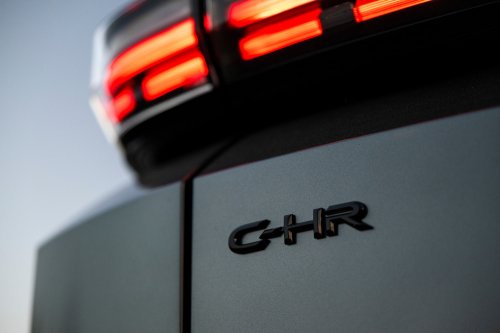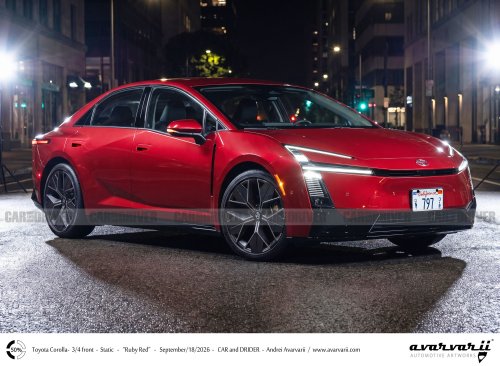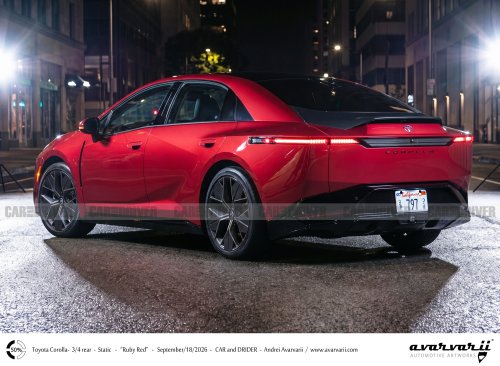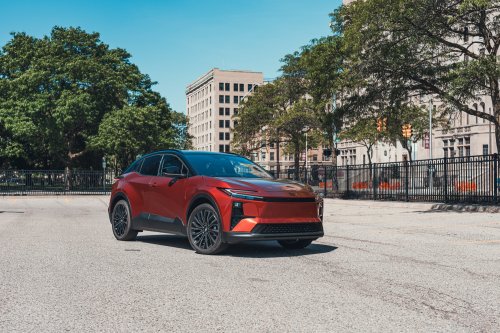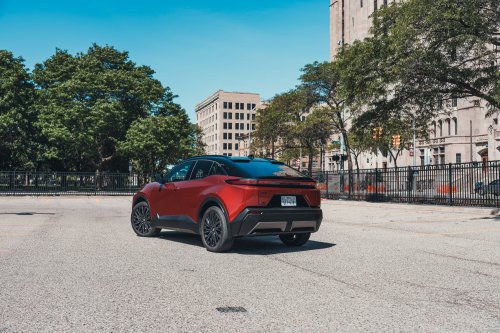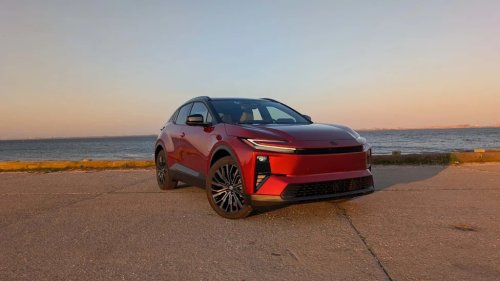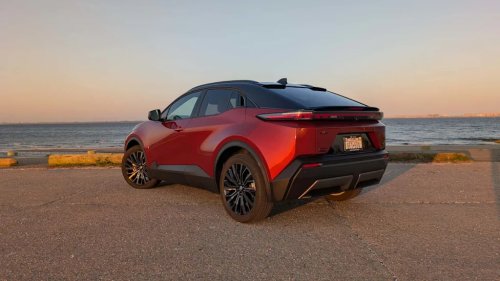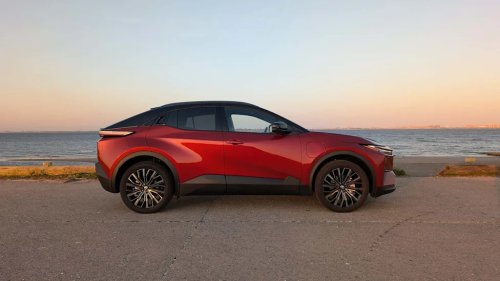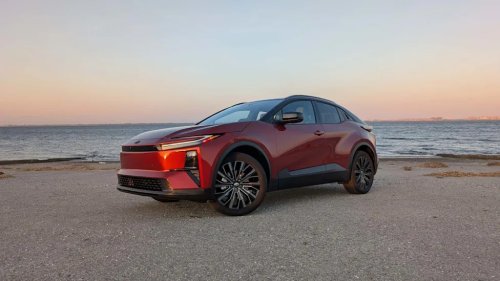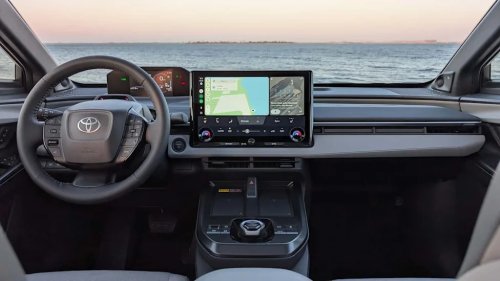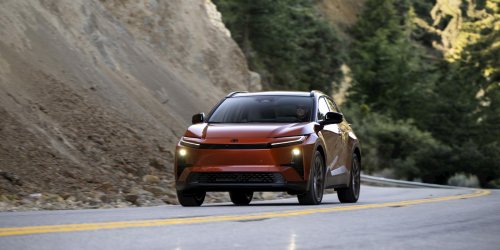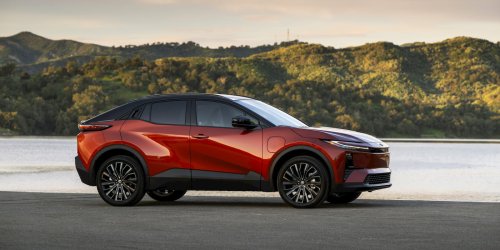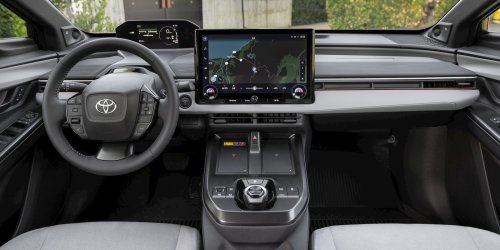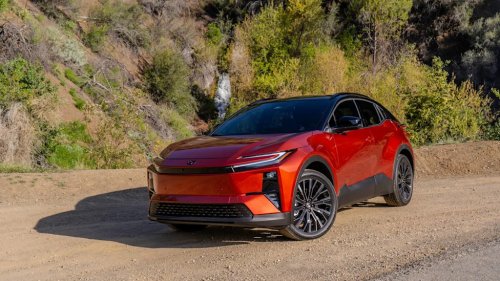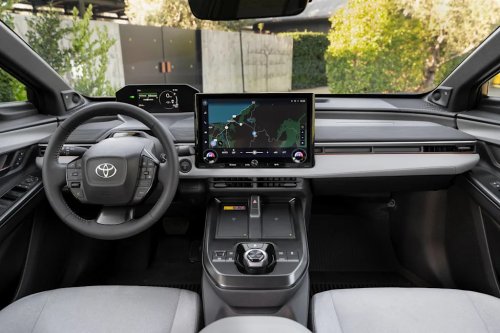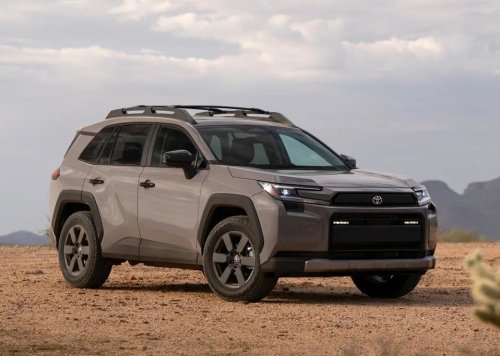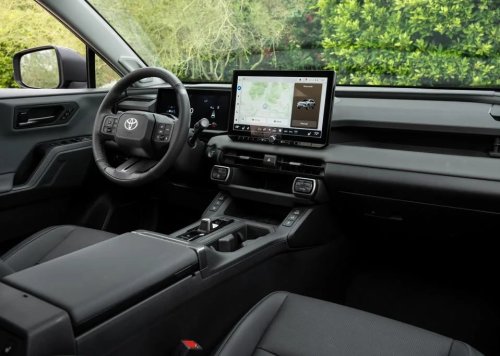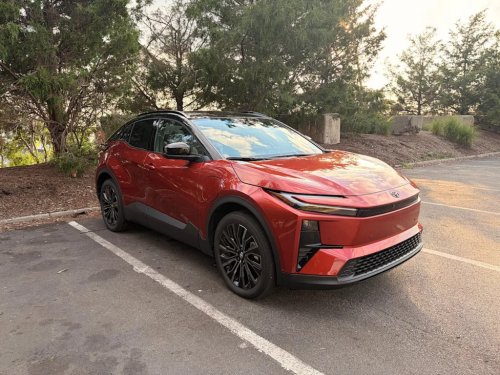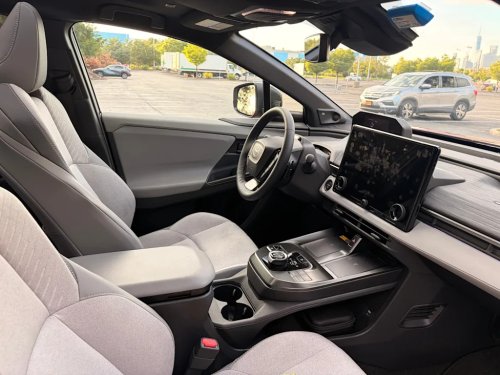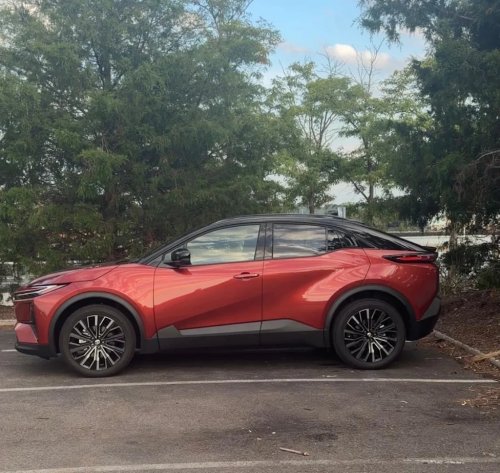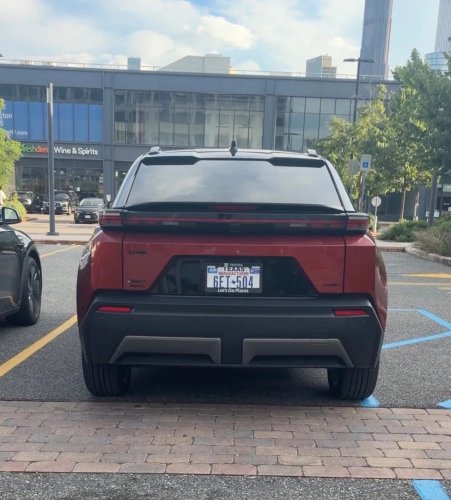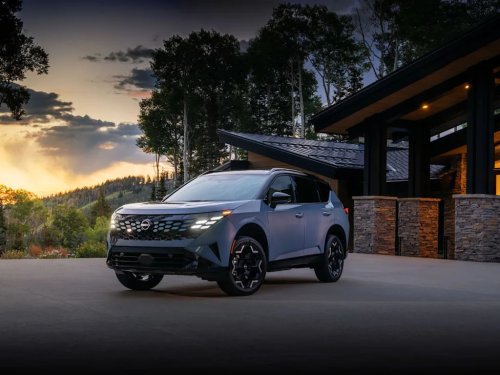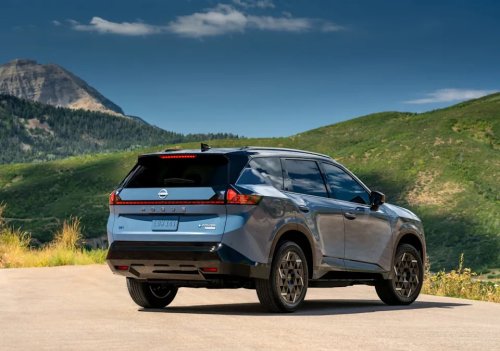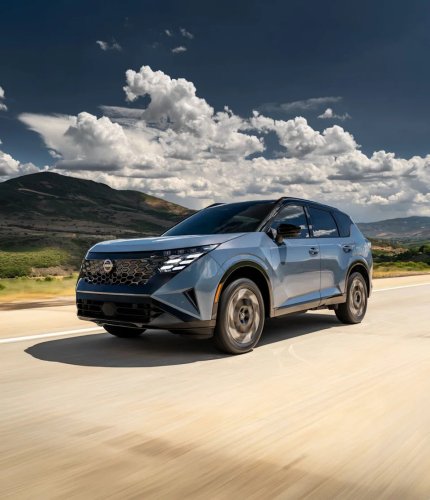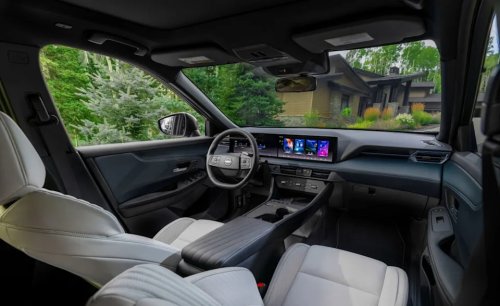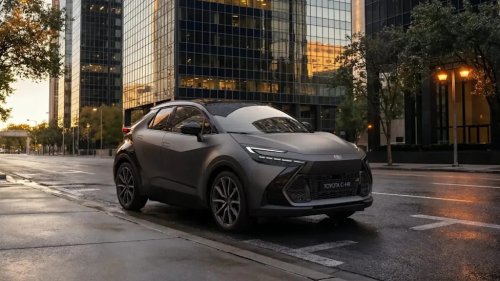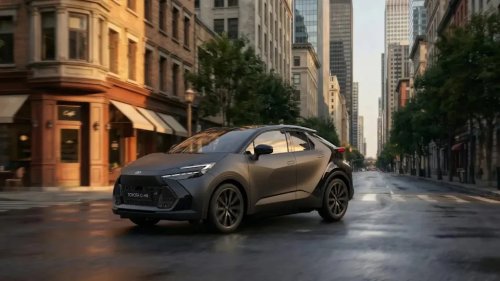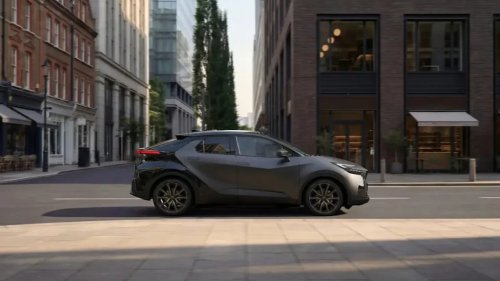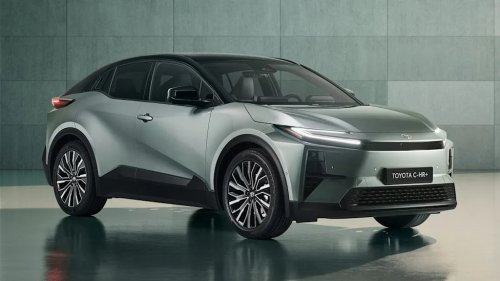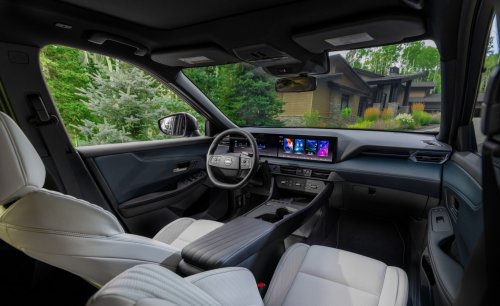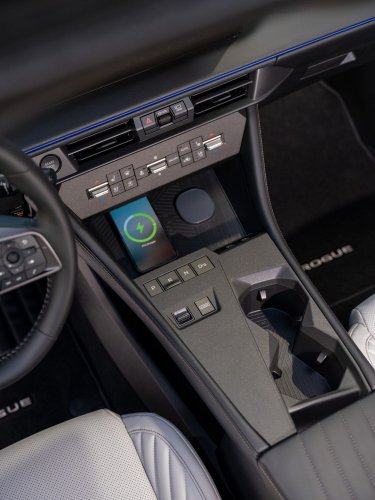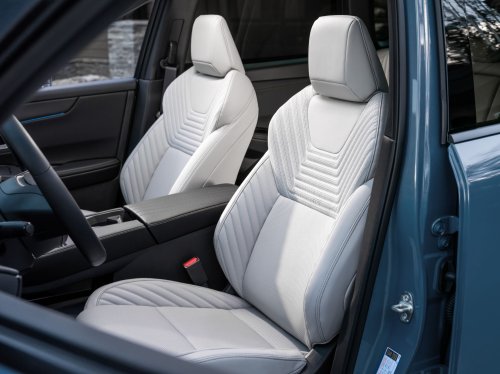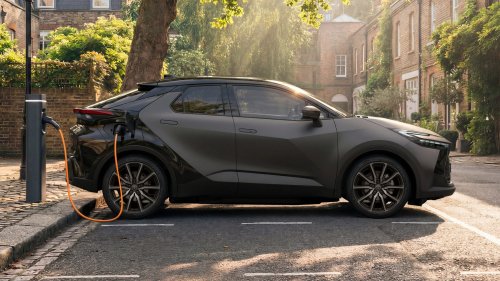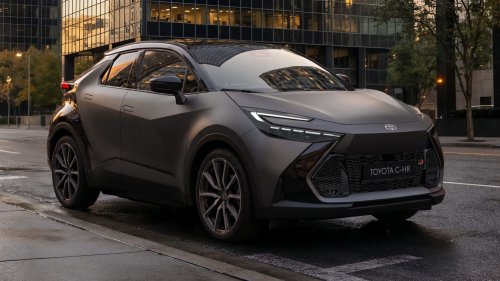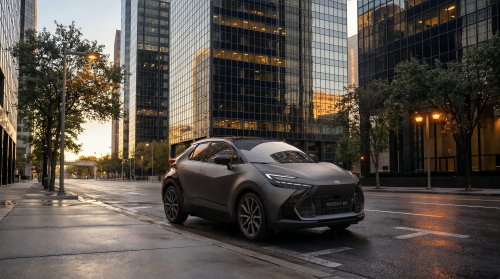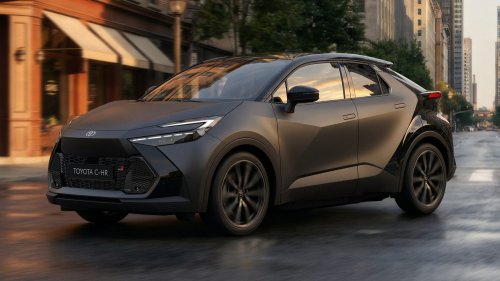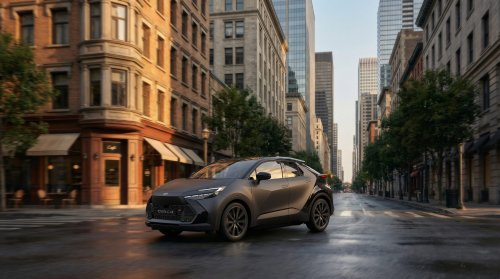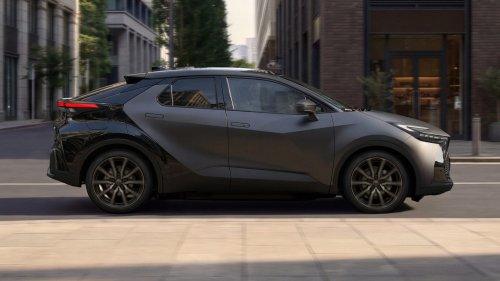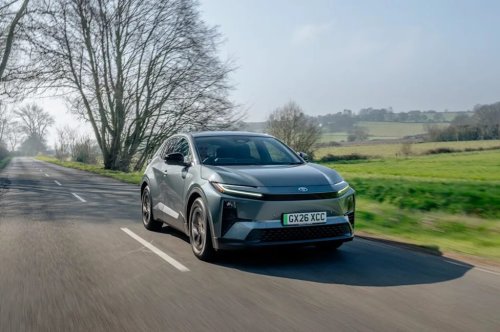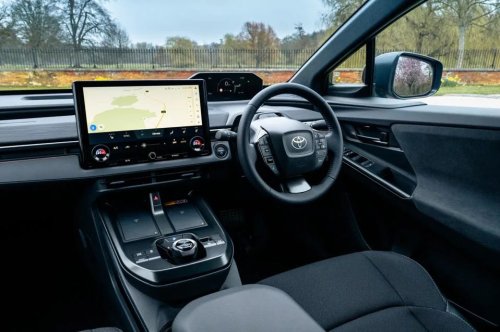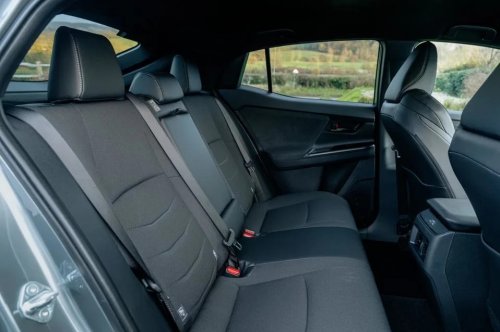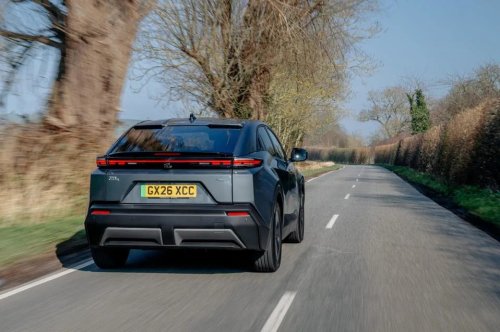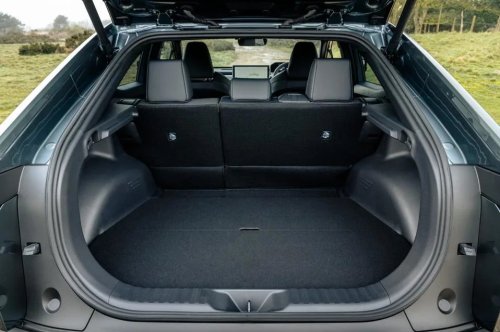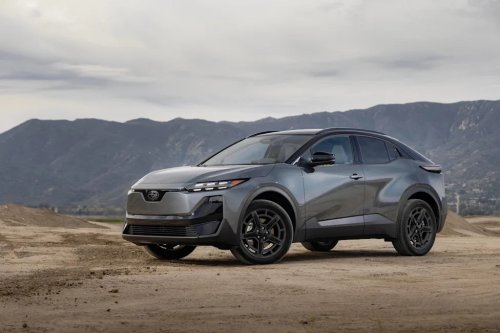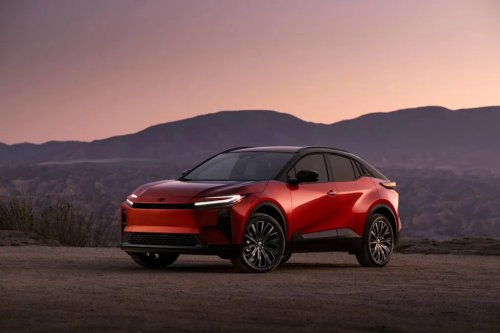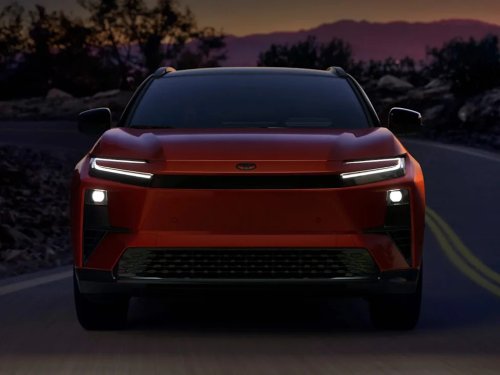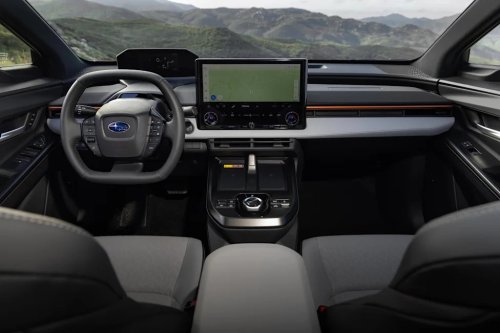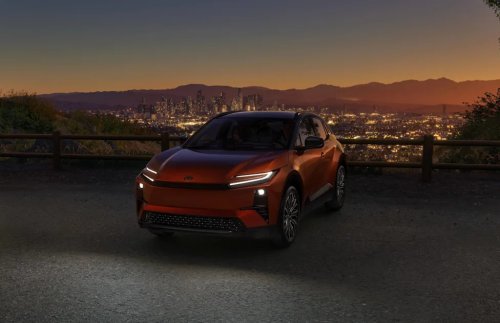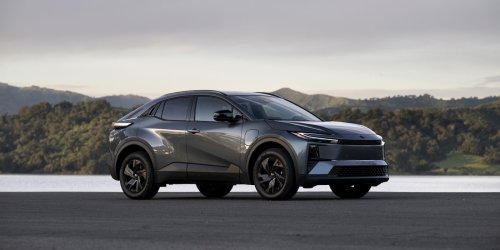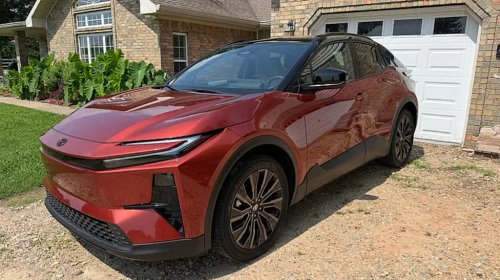
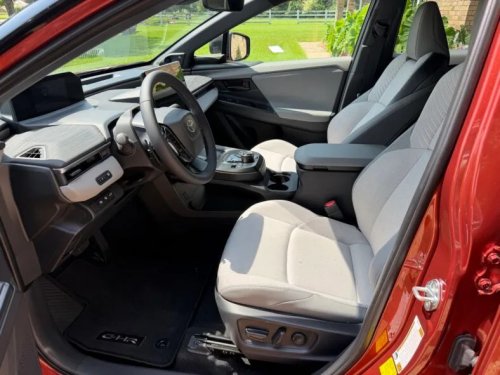
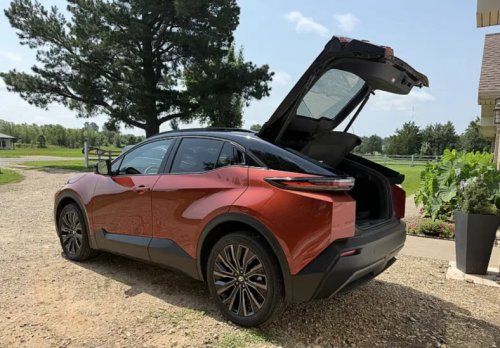
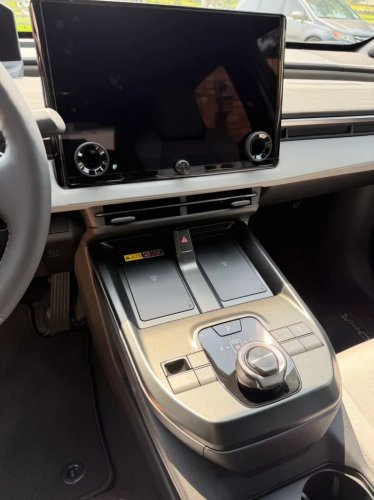
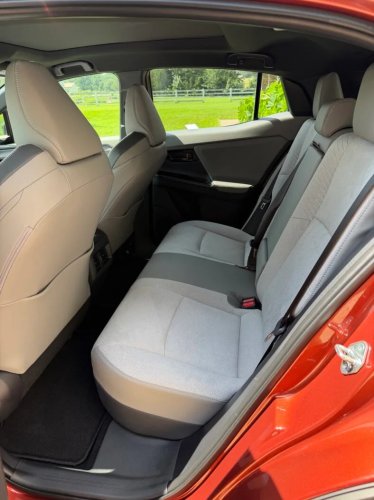
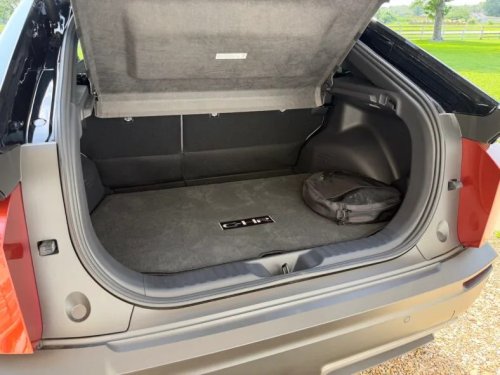
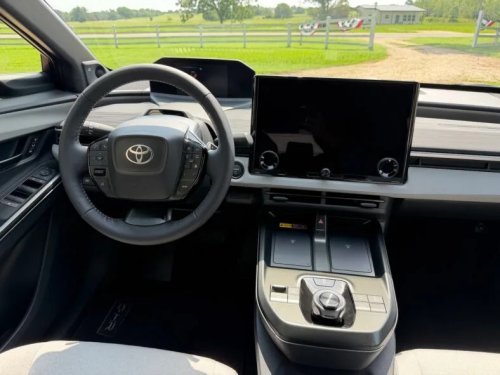
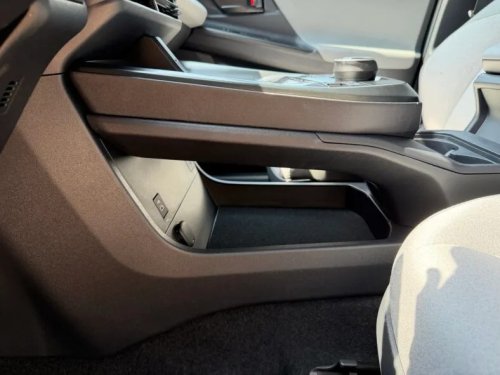




















Erica MuellerWhat's small, sporty, comes in fun colors, and packs an engaging all-electric powertrain? It's the 2026 Toyota CH-R XSE.The Toyota C-HR (which, if you didn't know, stands for Compact High-Rider) originally earned its place in Toyota's lineup as an entry-level subcompact crossover known for its aggressive, geometric styling and coupe-like profile with funky door handles for the rear. However, after taking a hiatus from the American market, Toyota brought the C-HR nameplate back for 2026—this time completely reimagining it as an EV SUV.While the first-generation gas model was well-known for its sloppy driving style, this all-new EV incarnation is vastly quicker, boasting a real and shocking go-kart driving attitude on the road.AdvertisementAdvertisementStarting at $37,000, the 2026 Toyota C-HR is one of the most budget-savvy, feature-packed entry points for new EV buyers looking to make the electric switch without sacrificing personality or performance.This story is 100% human-researched and written based on actual first-person knowledge, extensive experience and expertise on the subject of cars and trucks.The 2026 Toyota C-HR Got a Facelift, Keeping Its Iconic Feature IntactThe front seat is roomy and comfortable in the Toyota C-HR EVAt first glance, the 2026 Toyota C-HR looks like a sleek coupe with a hatchback—so much so that you might wonder if it has a back seat at all. It does, but the rear door handles are cleverly integrated into the dark trim behind the window, just like the original. My six-year-old was just tall enough to reach the handle and could open it herself most of the time, so it's much more accessible than it looks.Our tester came in Tandoori with a Midnight Black Metallic roof and matching 20-inch black metallic wheels. The two-tone treatment looks fantastic; the Tandoori hue lands somewhere between rust and rich red, giving it serious curb appeal. Overhead, the panoramic moonroof floods the cabin with natural light to create an open, airy vibe, while a built-in sunshade keeps harsh rays at bay when the thermometer spikes.It's Faster Than the Original, With a Usable RangeThe trunk open on the 2026 Toyota C-HR XSE EVWith 338 horsepower and standard all-wheel drive, unlike its predecessor, the Toyota C-HR packs a serious punch. It's surprisingly agile, which makes it a blast on curvy rural highways—rare praise from someone who doesn't typically get excited about small cars. Sitting at an 8-inch ground clearance, it blends crossover ease-of-access with sure-footed foul-weather capability.AdvertisementAdvertisementAside from being easy (and fun) to drive, it's also easy to charge and has a usable range for those who live a bit further from town. Here are some quick facts about the horsepower, range, and charging:Maximum range of up to 287 milesCompatible with the NACS standard (giving you direct access to Tesla Superchargers), charging from 10% to 80% in roughly 30 minutes.Plugs into a standard 240V outlet and can charge to 100% in about 7 hours. Toyota includes a versatile home cable and adapter kit right out of the box.There Are Two Trims, and Two Price TagsThe dual phone charge pad is a nice upgrade in the Toyota C-HR EVBoth the 2026 Toyota C-HR SE and XSE share the exact same 338-hp dual-motor all-wheel-drive powertrain, 74.7-kWh battery pack, and larger standard 14-inch multimedia screen. However, the $2,000 price gap ($37,000 vs. $39,000) brings distinct differences in interior materials, wheel sizing, range efficiency, and available luxury packages.The SE trim is the range and value choice, as it nets the maximum 287-mile range rating thanks to lighter wheels. It doesn't skimp on basics either, coming standard with heated front seats, a heated steering wheel, a power liftgate, dual wireless phone pads, and the full 14-inch screen.AdvertisementAdvertisementThe XSE is the fully-loaded lifestyle model. Beyond adding the synthetic suede seat material and larger 20-inch wheels, the XSE comes with the hero aesthetic features—the two-tone black roof, the panoramic moonroof, and the 9-speaker JBL audio system are exclusively available as packages on the XSE.The Interior is Cozy for a Small CarThe rear seat in the Toyota C-HR EVI don't usually lead with upholstery, but the seating material in the 2026 Toyota C-HR deserves a special mention. Toyota calls it synthetic suede, but it feels like buttery-soft, ultrafine microfiber. Also, it stayed remarkably cool during sweltering Texas summer heat—a massive win for anyone battling hot leather (ask me how I know).The cabin layout is refreshingly intuitive. Rather than reinventing the wheel with confusing, buried sub-menus, Toyota kept some physical knobs and logically placed controls right where your hands expect them. Space-wise, it can easily accommodate a small family with 35.3 inches of legroom, though bulky, rear-facing infant seats or massive convertible car seats might push the limits of rear legroom. It handled our daughter's backless booster with ease.One quirk worth noting: on our first outing, the rear AC vents weren't pushing air despite the system running up front. It turned out to be an eco-smart climate setting that directs airflow only to detected passengers—my petite daughter simply wasn't heavy enough to trigger the sensor. A quick tap in the multimedia menu turned off the occupant detection, and we were back to cruising in cool comfort.The Cargo Capacity is Surprising, With Clever Storage OptionsThe rear cargo area in the Toyota C-HR EVDespite the aggressive, sloping rear roofline, the Toyota C-HR's hatch area is thoughtfully designed. You get up to 25.3 cubic feet of cargo volume behind the second row, expanding to 59.5 cubic feet when the 60/40-split rear seats fold flat. While the load floor sits at a convenient hip height for sliding in bulk warehouse groceries or luggage, the steep rear glass means tall, boxy items require dropping the rear seats.AdvertisementAdvertisementLift the rear load floor, and you'll find a molded underfloor compartment designed specifically to stash the included dual-voltage charging cable, NACS/CCS adapters, and a tire repair kit. It keeps the primary floor clutter-free for strollers or suitcases. Recessed pockets sit behind each wheel arch, ideal for securing a gallon of milk or windshield washer fluid so it won't slide around while driving around town. Fold-out bag hooks on the side walls prevent takeout orders from tipping.Up front, the center console features a pass-through lower storage tray beneath the shifter deck, perfect for a small purse, large water bottle, or snack bag. Up top, you get the twin wireless charging pads, two deep, stepped cup holders that easily fit 24-oz insulated bottles, and door bins molded with dedicated bottle-holder cutouts.Technology is Straight-Forward and AccessibleThe view from the driver's seat in the Toyota C-HR EVThe Toyota C-HR's tech layout focuses on real-world functionality. Dual wireless smartphone charging pads are on deck, and the top-mount digital gauge cluster sits high on the dash directly in your line of sight. It avoids the polarization washout common with heads-up displays when wearing sunglasses, making it far easier to read on bright days. Wireless Apple CarPlay and Android Auto come standard across both the SE and XSE trims, thankfully.On the safety front, the standard Toyota Safety Sense 3.0 suite provides comprehensive active driver assistance, including pedestrian detection, automatic emergency braking in the front and rear, full-speed-range adaptive cruise control, lane tracing assist, lane departure warning and assist, and driver attention monitoring. It also includes automatic high beams and rain-sensing wipers.The Toyota C-HR is a Seriously Shocking ReinventionI loved this under-console storage cubby in the Toyota C-HR EVIf you remember the first-generation Toyota C-HR, it was always a car whose polarizing, athletic sheet metal wrote checks its powertrain simply couldn't cash. Burdened with a sluggish 144-horsepower naturally aspirated four-cylinder and a droning CVT that only drove the front wheels, it struggled to deliver any real driving joy.AdvertisementAdvertisementThis all-electric reboot is sure to make the C-HR a household name. Leaping from 144 hp to a punchy 338-horsepower dual-motor AWD system transforms the C-HR from a sleepy commuter into a legitimate pocket rocket. As someone who generally gravitates toward larger vehicles and rarely gets enthusiastic about compact footprints, this car caught me completely off guard.Style Is Standard in the Toyota C-HR EVMe with the Toyota C-HR EVThis stylish compact EV slips effortlessly into tight garages, delivers enthusiastic driving fun and offers all the safety essentials without frustrating ergonomic gimmicks, making the C-HR is an entry-level electric crossover worth a closer look.Related HeadlinesThe 2026 Jeep Grand Cherokee L Summit Was My Family's Favorite Review—After a Week, It Became Mine, TooWhich is the Better Hybrid: Toyota RAV4 or Mazda CX-50? Both Offer Luxury, High MPG and AWD. Here's How They're DifferentThe VW Atlas Is a Large Family-Friendly 3-Row SUV. But Will I Feel Conspicuous Driving It Solo?AdvertisementAdvertisementRead more at A Girls Guide to Cars