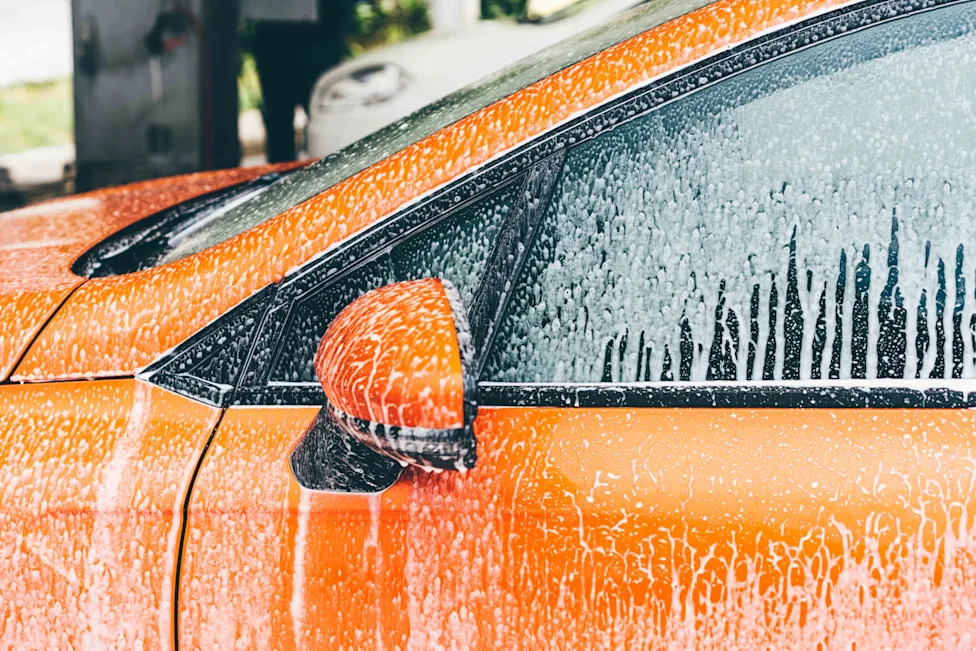
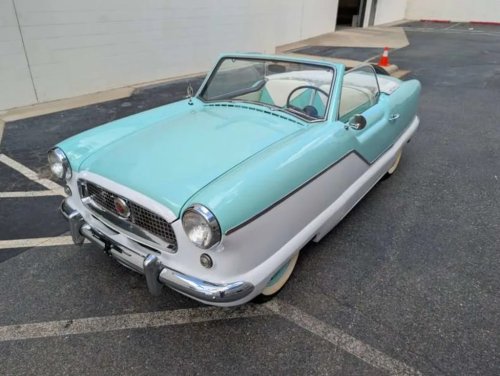
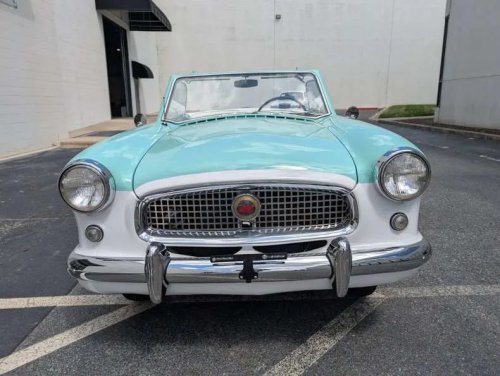
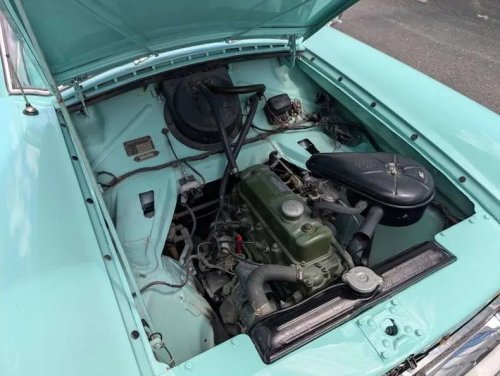
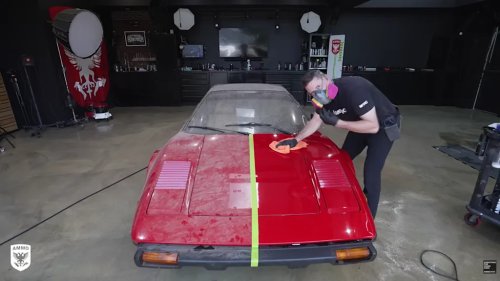
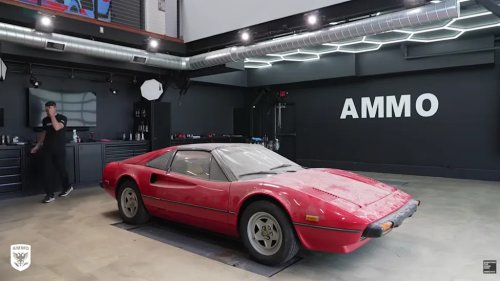
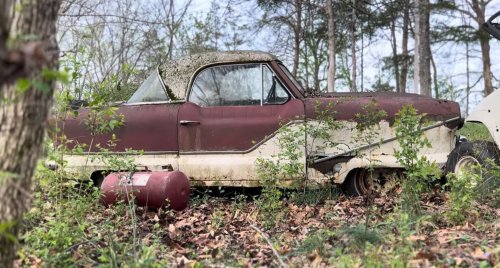
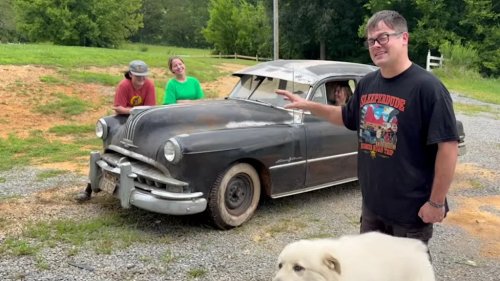
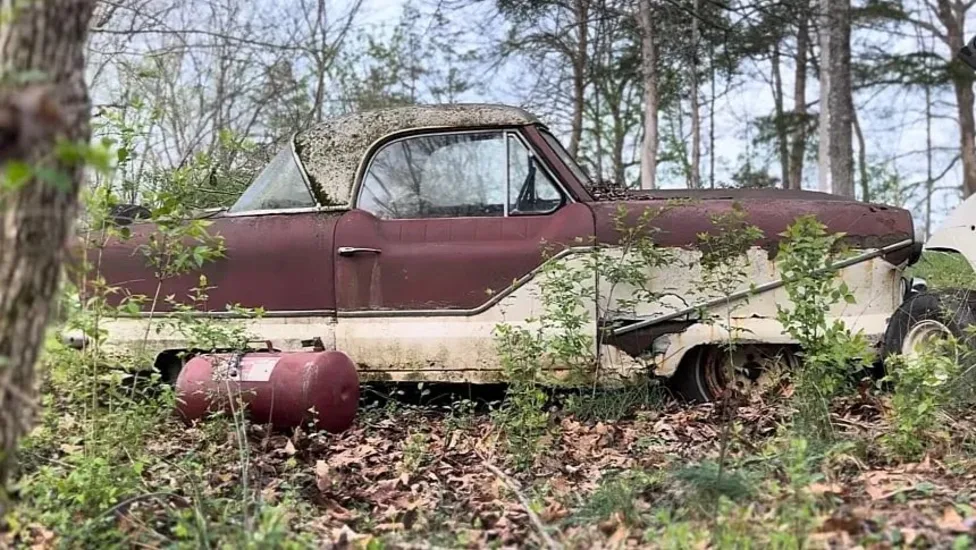
1960 Nash Metropolitan Gets Its First Wash and a Running Engine After 31 Years ParkedThere's a particular charm to "orphan cars" — vehicles built by automakers that no longer exist — and this tiny 1960 Nash Metropolitan is a perfect example. Nash Motors, founded back in 1918, was one of the rare independent carmakers to survive the Great Depression. Rather than fighting the Big Three head-on in the full-size market, Nash carved out its own niche, introducing America's first compact, the Rambler, in 1950, and then an even smaller car, the Metropolitan, a few years later.Related ArticlesFive Things Every First-Time Barn Find Buyer Gets Wrong (And How to Avoid Them)AdvertisementAdvertisementSomeone Turned a VW Beetle Into a Rolls-Royce—Now It's Sitting in MissouriHow to Value a Barn Find Car: A Practical Guide for Collectors and BuyersThe Metropolitan was a genuinely transatlantic project: styled in the United States but assembled in England in partnership with Austin, and mechanically it was essentially an Austin underneath. At just under 150 inches long, it was more than 10 inches shorter than a Volkswagen Beetle. Early cars used a 1.2-liter four making around 39 hp, while a larger 1.5-liter unit with roughly 55 hp arrived in 1955 and lifted the top speed to about 80 mph. It was never quick, but it sipped fuel.Nash and later AMC kept the Metropolitan in production until 1962, though it was always a slow seller — fewer than 95,000 left dealers across the US and Canada over nine model years. This particular 1960 coupe is one of roughly 13,100 sold in the States that year, and it counts among the lucky survivors.AdvertisementAdvertisementRecords show it was last registered in 1995, meaning it sat untouched for around 31 years before being rescued. As you'd expect, it surfaced filthy and carrying its share of rust. The crew behind the YouTube channel "Real Steel Fabrications" pulled it out, gave it a thorough wash that exposed the corrosion underneath, and got the little car running and driving again — an impressive feat after three decades of slumber. It may not be a candidate for a full restoration, but it's absolutely worth keeping on the road a while longer.



















 +16 others