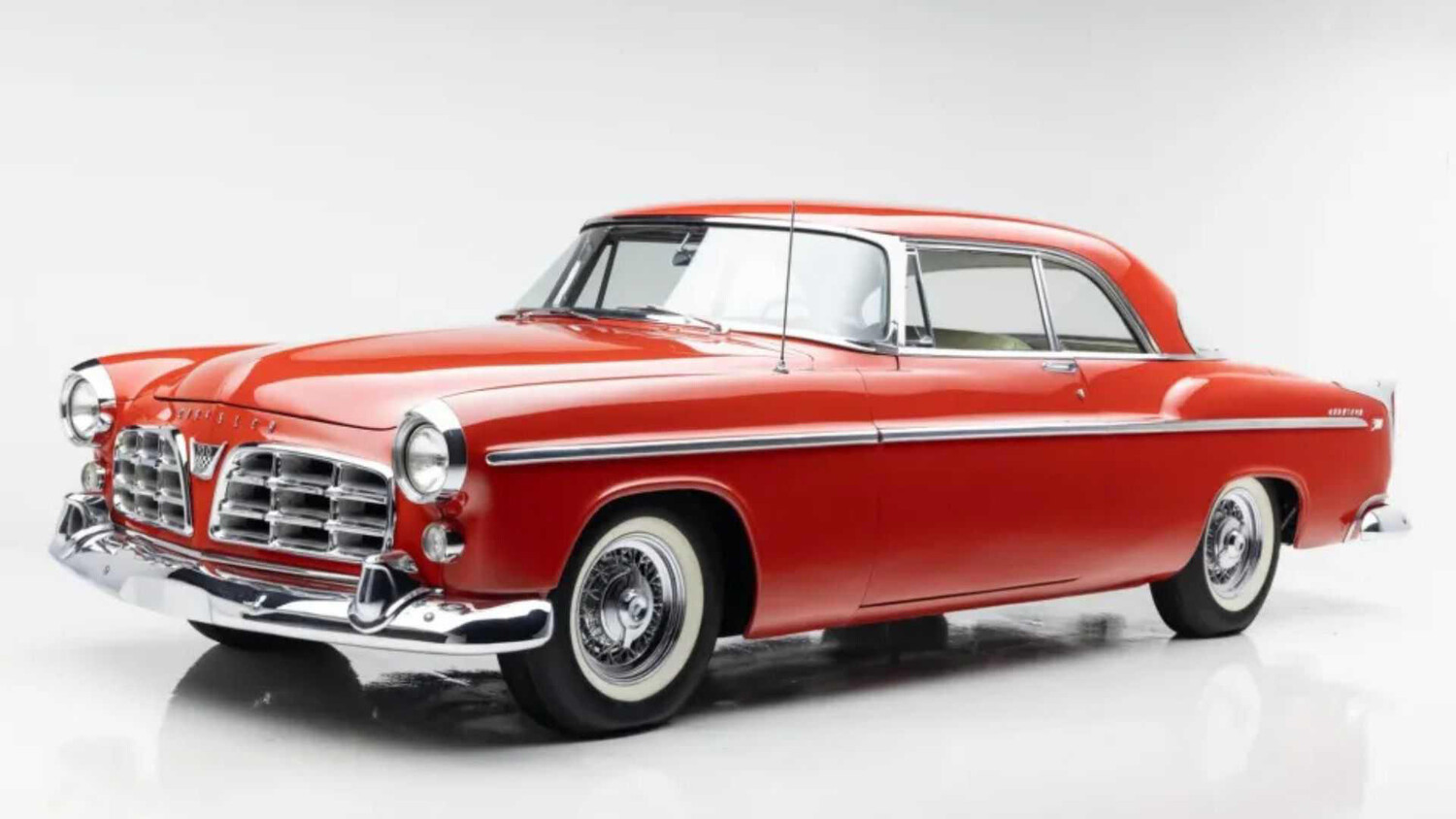
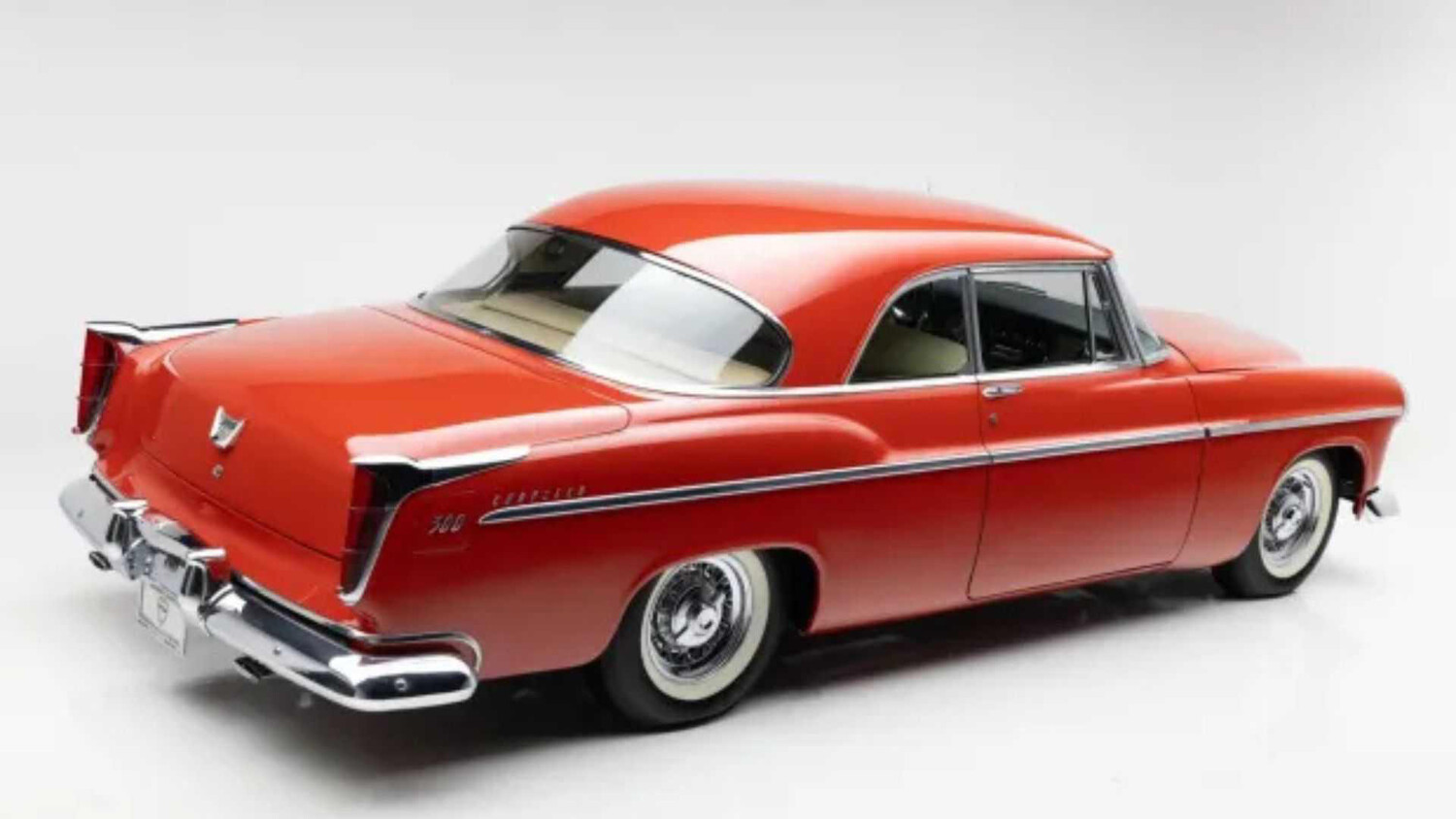
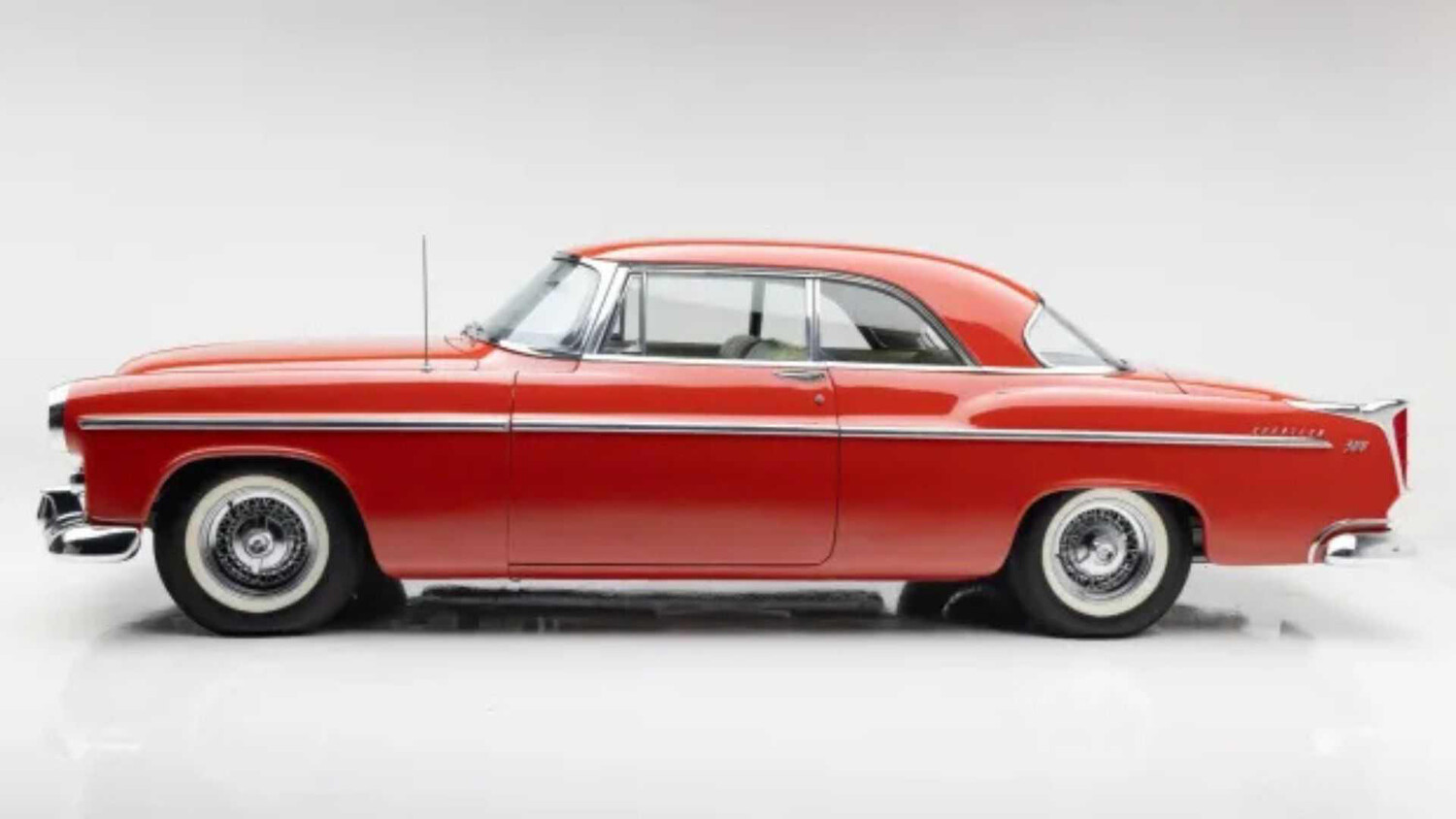
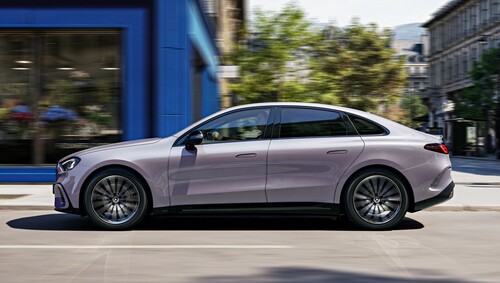
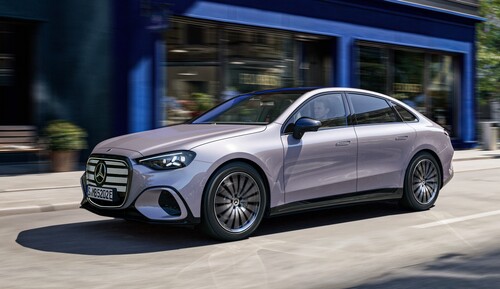
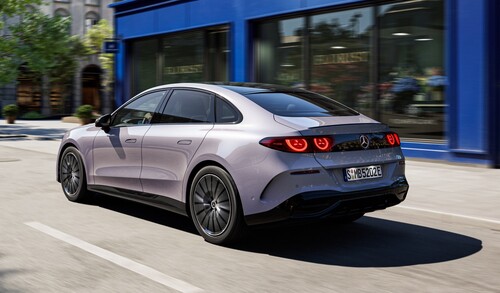
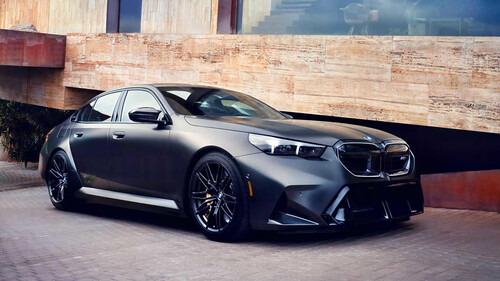
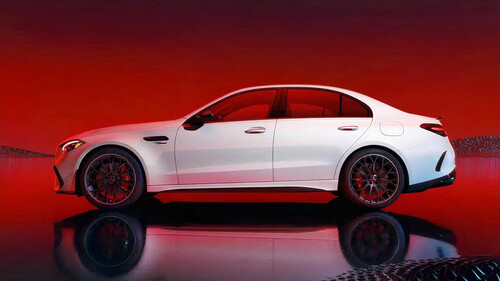
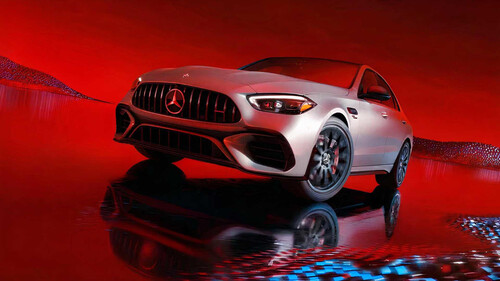
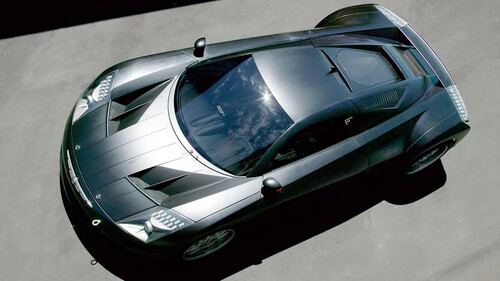
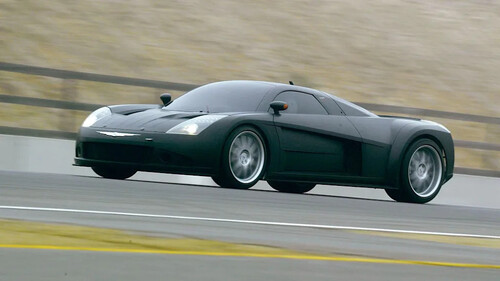
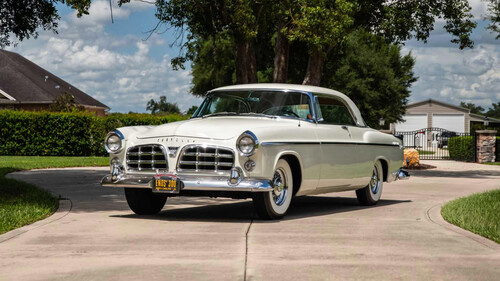
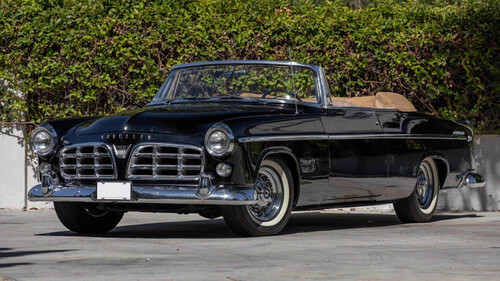
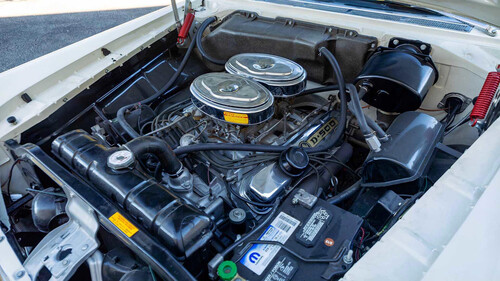
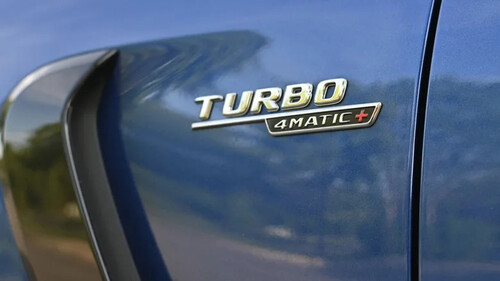
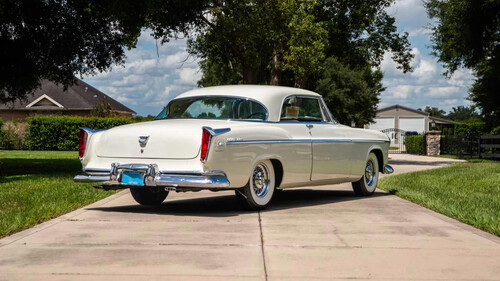
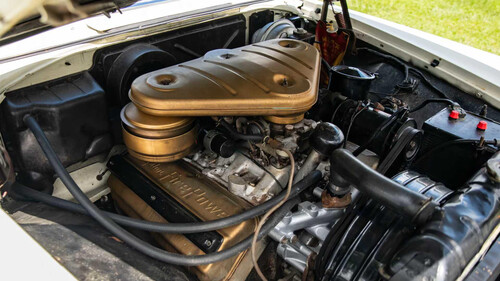
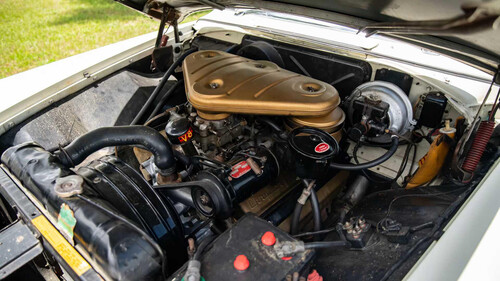
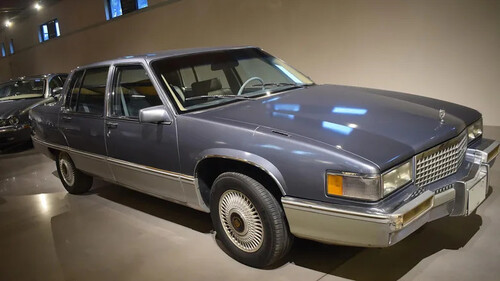
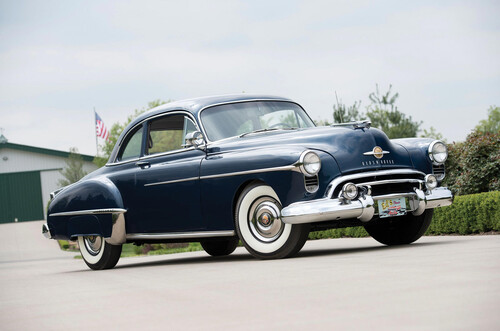
Modern performance and muscle cars are truly incredible. It is now common to find a small turbo four-cylinder engine producing well over 400 hp right from the factory. Drivers today take these massive power figures for granted because technology has moved so fast.However, the automotive landscape looked very different back in the early 1950s. Most standard American family cars produced between 100 and 150 hp at the time. Reaching the 300 hp mark felt like an impossible dream for many manufacturers. It represented a major psychological and mechanical barrier that few thought a production vehicle could ever cross. Everything changed when one legendary brand decided to push the limits. Chasing Horsepower In The Post-War Era Mecum The early 1950s marked a massive turning point for the American automotive industry. Following the end of WWII, car companies shifted their focus toward larger and more capable engines. For decades, the reliable but aging, flathead engine design was the standard. However, engineers began moving toward overhead valve V8 designs to unlock more potential. During this period, manufacturers realized that bigger, more powerful, but efficient engines were the key to winning over customers in a booming economy.During the first few years of the decade, the industry standards for high performance were modest by today’s metrics. Most high-end luxury cars from 1950 to 1953 produced between 160 and 210 hp. These vehicles were not built for drag strips or racing circuits. Instead, the perception of speed was defined by smooth, effortless torque. Drivers wanted a car that could glide down the new interstate highways with plenty of passing power rather than raw, aggressive acceleration.Several notable competitors led the pack during this era. The 1953 Cadillac Series 62 was a prime example of American luxury and performance, using its 331 cubic inch V8 to produce 210 hp. Buick was also a major player with the 1954 Roadmaster, which utilized the famous Nailhead V8 to reach 200 hp. Meanwhile, the 1954 Oldsmobile 98 relied on the Rocket V8 to produce a respectable 185 hp. These cars were the kings of the road at the time, but they all shared a common trait. They were heavy, comfortable cruisers that stayed well below the elusive 300 hp mark. The industry was waiting for a breakthrough that would change the definition of a performance car forever. Breaking The 300 HP Barrier: The 1955 Chrysler C-300 Via: Mecum Auctions The automotive world experienced a massive shock in 1955 with the introduction of the Chrysler C-300. This was a luxury sedan which was also the first mass-produced car to officially breach the 300 horsepower barrier. The car was a masterpiece of engineering that combined parts from across the Chrysler lineup to create something entirely new. It featured the sophisticated grille of an Imperial, the sleek body lines of a New Yorker hardtop, and the luxurious interior customers expected from the premium Chrysler brand.The primary reason the C-300 was developed was to go racing. Chrysler wanted to dominate NASCAR and AAA stock car circuits, and they needed a vehicle that met homologation requirements. This meant they had to sell a certain number of these high-performance machines to the public. What resulted was a gentleman’s fastback that offered incredible speed without sacrificing comfort. It came with a stiffened suspension and heavy-duty brakes to handle the extra power, making it one of the best-handling large automobiles of its day.Via: Mecum Auctions The market impact was immediate and profound. By naming the car after its horsepower rating, Chrysler created an instant performance sub-brand. The 300 designation became a signal of technical superiority and exclusivity. It was the fastest American car you could buy at the time, and its success on the track proved that Chrysler was the leader in engine technology. The C-300 proved there was a massive appetite for high output vehicles among the American public. It shifted the focus of the industry away from simple luxury barges and toward the high-performance muscle that would soon define the next two decades of Detroit. Why 300 Horsepower Was Such A Big Deal In 1955 1955 Chrysler C 300 2 Cropped Today, a 300-horsepower figure might sound modest—even ordinary—but in 1955, it was nothing short of revolutionary. The Chrysler C-300 didn’t just beat its rivals; it completely redefined what was possible for a production car.To put things into perspective, most performance-oriented cars at the time were still struggling to crack 200 horsepower. Jumping straight to 300 hp wasn’t just incremental progress—it was a massive leap of nearly 50 percent. That kind of jump fundamentally changed how manufacturers approached engine development.It also shifted consumer expectations overnight. Suddenly, buyers weren’t just interested in smooth cruising or luxury—they wanted outright speed. The C-300 proved that there was a real market for high-performance sedans, and it forced competitors to rethink their entire strategy.More importantly, this moment created a benchmark. From that point on, horsepower became a headline figure—something to chase, advertise, and compete over. In many ways, the modern horsepower wars that define today’s performance cars can be traced directly back to this breakthrough. Pure FirePower: The Secrets of the 331 V8 Via: Mecum AuctionsThe heart of this legendary machine was the 331ci FirePower V8 engine. This motor gained fame for its hemispherical combustion chambers, which allowed for better airflow and more efficient combustion. Today, we simply know this architecture as the "Hemi". To reach the magic 300 hp number, Chrysler engineers equipped the engine with dual four-barrel Carter carburetors and a full race-spec camshaft. These upgrades pushed the output to exactly 300 horsepower and 345 pound-feet of torque.Managing all that power was a challenge for the technology of the time. Chrysler used the 2-speed PowerFlite automatic transmission because it was the only unit in their inventory capable of handling such high levels of torque without breaking. While a two-speed gearbox might seem limited today, it was enough to propel the heavy C-300 to a top speed of over 125 mph. This was a staggering achievement for a full-sized production car that could still be driven to the grocery store or the office.Via: Mecum Auctions When you compare the C-300 to its rivals, the performance gap was almost unbelievable. In 1955, the Chevrolet Corvette was only producing 195 hp, and the Ford Thunderbird was rated at 193 hp. The Chrysler C-300 produced nearly 50 percent more power than the flagship sports cars from the biggest manufacturers in the world. It was in a league of its own, proving that a heavy sedan with a well-engineered V8 could outrun almost anything on the road. This engine did more than just break a record; it proved that the Hemi design was the ultimate choice for pure American power. From NASCAR Victory To The Birth Of The Muscle Car Via: Mecum Auctions The 1955 Chrysler C-300 won races and sparked a hunger for speed that would eventually lead to the golden age of muscle cars of the 60s. The success of this car on the track was undeniable. It claimed 27 NASCAR victories in its first year alone, proving to the world that winning on Sunday really did help sell cars on Monday. This business model became the blueprint for every major American automaker for the next twenty years. It turned car sales into a competition of engineering and raw horsepower. As a result, today, collectors rate the 1955 C-300 quite highly, which is why they trade for an average of $53,500 in the used market.The C-300 essentially birthed a new era of automotive history. By proving that a full-sized production sedan could be a legitimate performance machine, Chrysler paved the way for the legendary muscle cars of the 1960s. Before the C-300, performance was usually reserved for small European sports cars or custom hot rods. After 1955, every American teenager dreamed of owning a high output V8 that could dominate the drag strip. The lineage of cars like the Pontiac GTO and the Dodge Charger can be traced directly back to the moment Chrysler decided to break the 300 horsepower barrier.Mercedes-Benz Taking a modern perspective, it is amazing to see how far the industry has come. Today, we have reached levels of efficiency that were once thought impossible. For instance, the Mercedes-AMG M139 engine is a 2.0-liter four cylinder that produces over 400 hp. It is currently the highest output per liter of any production engine. This brings the story full circle from the 1955 Hemi. While the technology has changed from giant V8s to high-tech turbos, the goal remains exactly the same. We are still pushing boundaries and searching for the next great milestone in automotive performance.Sources: Stellantis, Mecum Auctions, Classic