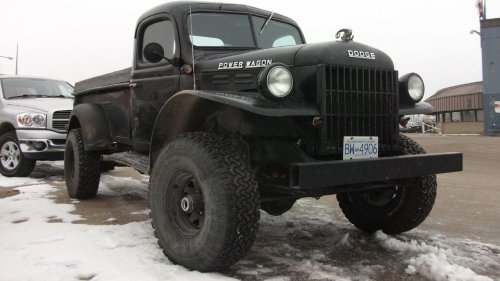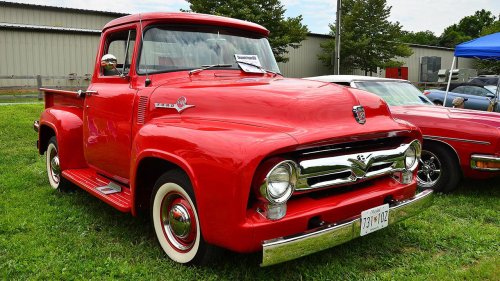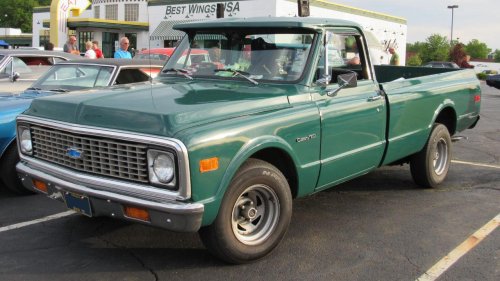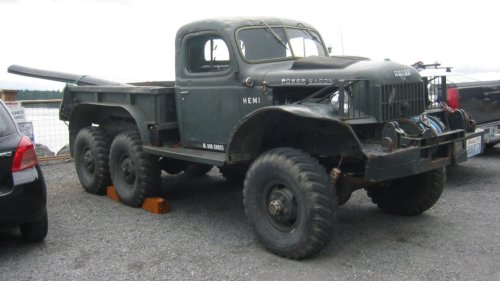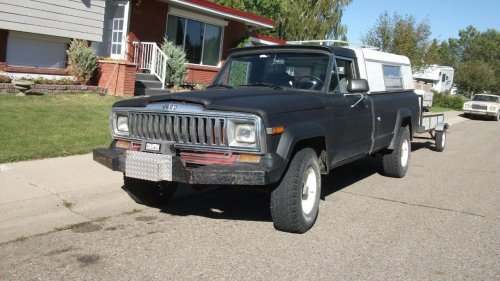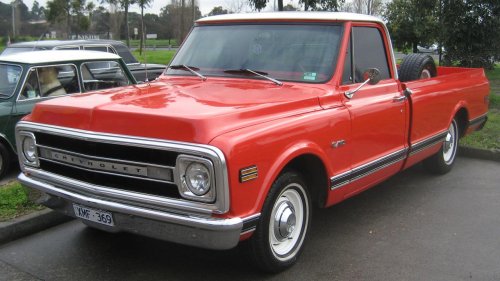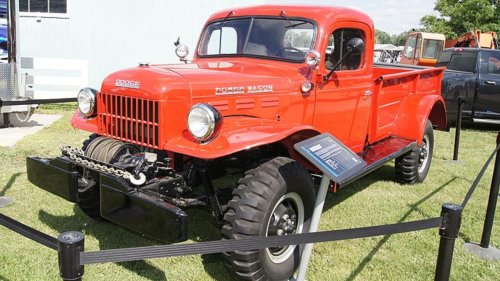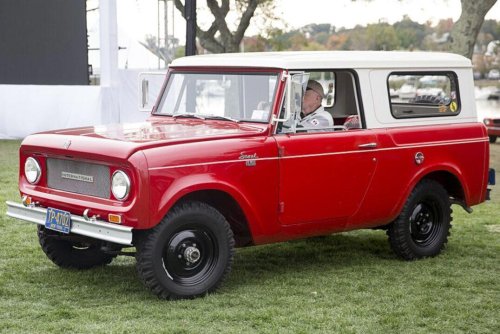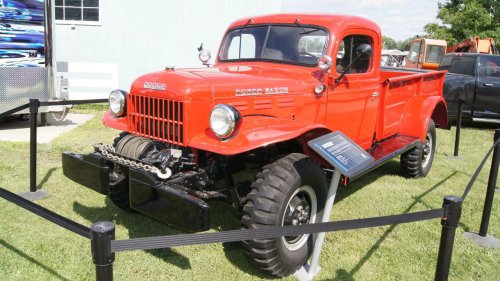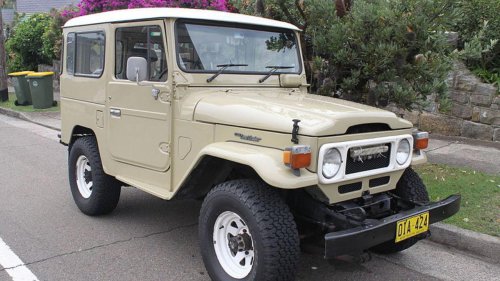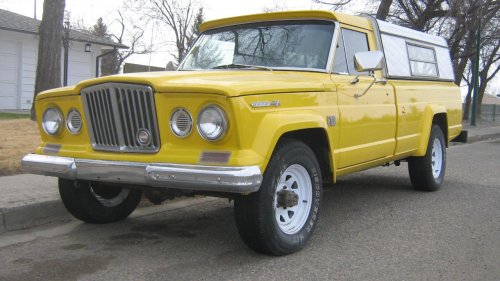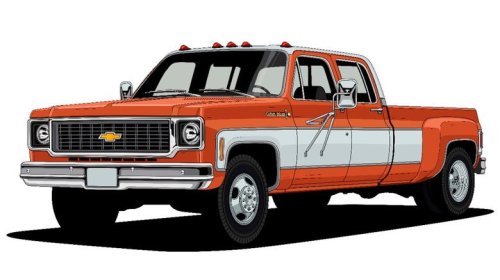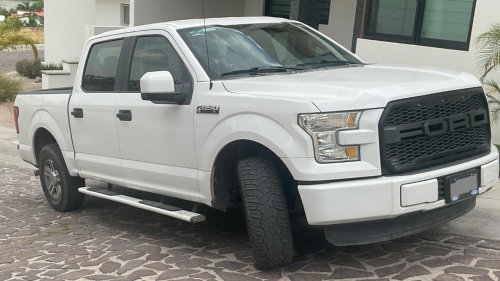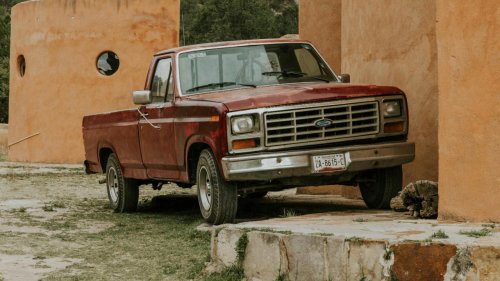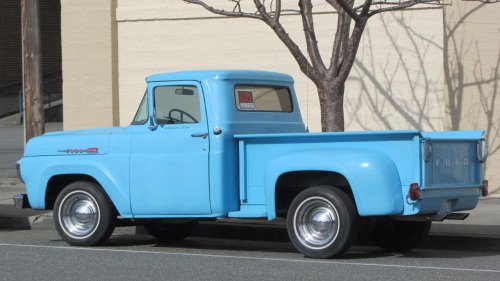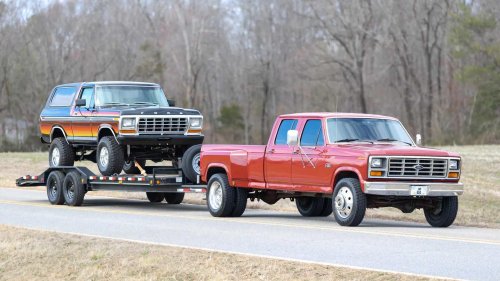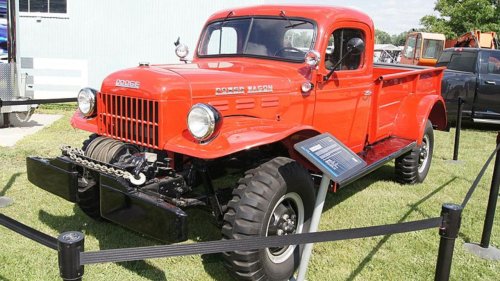
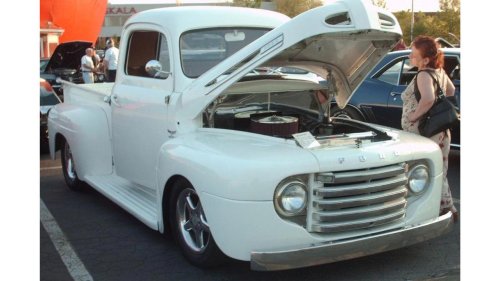
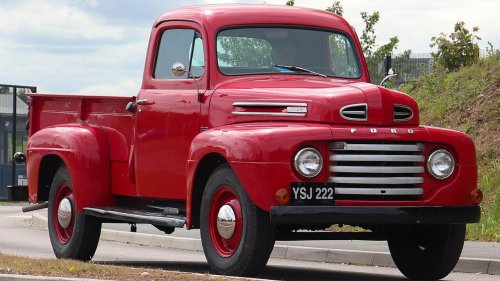
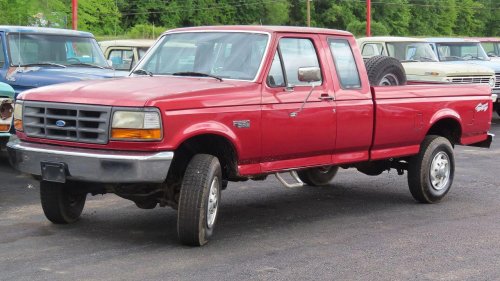
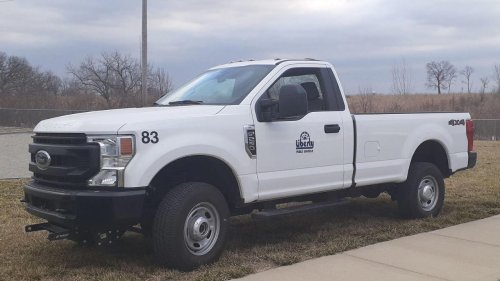
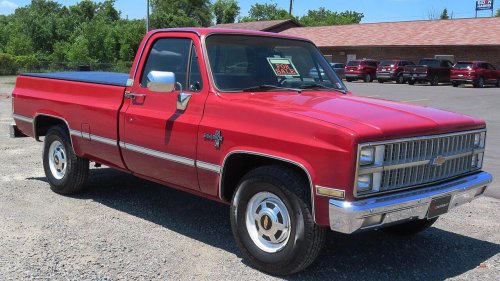
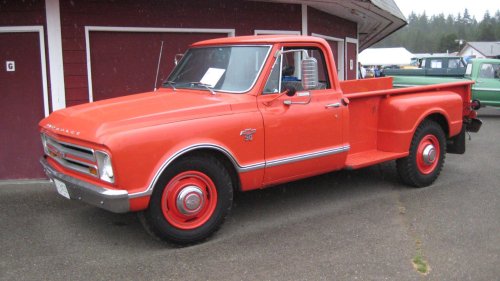
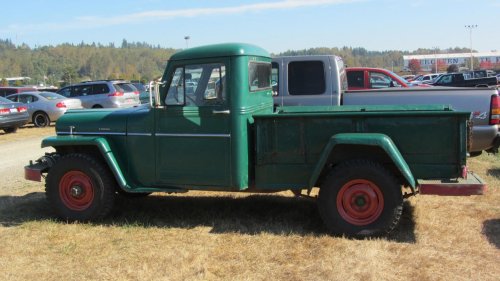
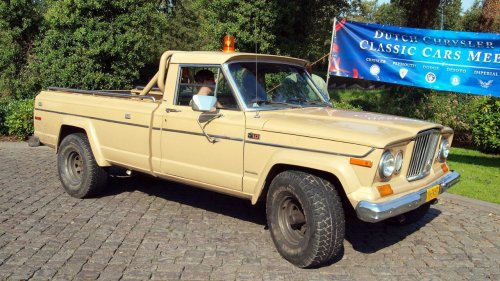
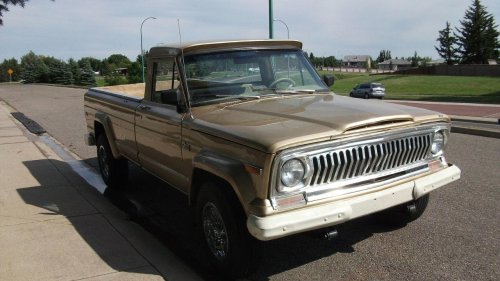
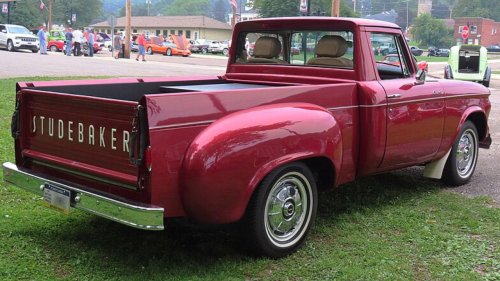



















Farm work has never been easy on a truck. Mud, gravel roads, heavy loads, trailers, livestock, tools, and long hours could wear out ordinary vehicles in a hurry. The trucks that survived on farms had to be simple, sturdy, and easy to keep running when the nearest mechanic was miles away. These pickups earned their reputations through years of hard use, often staying on the job long after newer trucks had replaced them.Ford F-2The Ford F-2 was built for owners who needed more carrying ability than a basic half-ton pickup could provide. Its sturdy chassis and straightforward mechanical layout made it useful for hauling feed, equipment, lumber, and farm supplies. These trucks were not designed around comfort or luxury, which was exactly why they worked so well in rural settings. A well-kept F-2 could remain useful for decades because there was relatively little to complicate repairs or routine maintenance.Ford F-3The Ford F-3 stepped up to heavier-duty work and became a natural fit for farms that regularly moved substantial loads. Its larger capacity gave farmers more flexibility when hauling equipment, crops, or supplies around the property. Like other early F-Series trucks, it relied on simple mechanical systems that could be understood and repaired without specialized equipment. That combination of useful payload capacity and basic construction helped many examples remain working vehicles long after their original selling years.Ford F-250The Ford F-250 became one of the most familiar heavy-duty pickups in rural America. Farmers could use it for everything from pulling trailers to carrying fencing materials and hauling equipment between fields. Its reputation came from being a practical work machine rather than a vehicle loaded with unnecessary complexity. Over the years, the F-250 evolved considerably, but the basic idea remained the same: give owners a truck capable of handling serious work without making everyday maintenance unnecessarily difficult.Ford F-350The Ford F-350 was built for jobs that demanded more than a conventional pickup could comfortably handle. Its heavier-duty chassis and greater payload capability made it particularly useful on larger farms, where trailers, livestock equipment, and machinery were regular parts of the workload. Many owners kept these trucks for years because their usefulness did not disappear simply because newer models arrived. When a truck can still perform the same hard jobs decades later, replacing it becomes much harder to justify.Chevrolet C20The Chevrolet C20 occupied an important spot between ordinary light-duty pickups and the heavier work trucks. It gave farmers additional payload capacity without requiring a full-size commercial truck for every job. The simple mechanical layout also made it approachable for owners who preferred doing their own maintenance. C20s spent years carrying feed, tools, fencing supplies, and equipment around rural properties. Their practical size and sturdy construction helped many survive long after their original owners had moved on.Chevrolet C30The Chevrolet C30 was designed for considerably heavier work and became a familiar sight wherever serious hauling was required. Farmers could order these trucks in configurations suited to everything from equipment transport to towing and agricultural chores. Their heavy-duty construction meant they could take punishment that would quickly overwhelm a smaller pickup. A C30 was rarely bought simply for appearances. It was purchased because the owner needed something capable of working hard repeatedly, often for years at a time.GMC 100The GMC 100 was a straightforward pickup that fit naturally into rural life. Its relatively simple construction made it practical for farmers who needed a dependable truck without unnecessary complications. These pickups could haul supplies, carry tools, and handle daily trips between the farm and nearby towns. GMC’s truck heritage also meant the 100 was built around utility rather than fashion. Many surviving examples today show how a basic work truck could remain useful long after its original warranty had become nothing more than a memory.GMC 150The GMC 150 offered farmers a practical middle ground between a basic pickup and heavier commercial equipment. It was useful for hauling supplies, towing smaller trailers, and handling everyday farm chores without the bulk of a larger truck. Its straightforward design made maintenance familiar to owners and local mechanics. Trucks like the GMC 150 often accumulated years of hard service because their owners had little reason to replace a vehicle that continued doing exactly what they needed it to do.GMC 2500The GMC 2500 became a dependable choice for farmers who needed more capacity than a standard half-ton pickup could provide. Its heavier-duty construction made it useful for towing trailers, carrying equipment, and moving heavy loads around rural properties. These trucks were often treated as tools rather than possessions, which makes the surviving examples especially impressive. Their durability was measured by how many seasons they could keep working, not by how quickly they could accelerate or how many luxury features they offered.GMC 3500The GMC 3500 was built for serious hauling and towing, making it especially well suited to farms with demanding workloads. Its heavier chassis and greater capacity gave owners the ability to move equipment and supplies that would be too much for smaller pickups. Trucks in this class were often kept for many years because their usefulness remained high even as styling and technology changed. A farm does not necessarily need the newest truck. It needs one that can still finish the job.Dodge D100The Dodge D100 became a familiar working pickup during an era when trucks were still expected to be simple and durable. Its compact dimensions made it useful around farms where maneuverability mattered, while its pickup bed could handle everyday loads. Owners appreciated the fact that these trucks were relatively straightforward machines. A D100 could spend years hauling supplies, tools, and farm equipment without needing to impress anyone. Its value came from being dependable when there was work waiting.Dodge D200The Dodge D200 was a heavier-duty step up from the D100 and made more sense for farms where hauling was a regular part of daily life. Its stronger construction gave owners more capability for trailers and heavier loads. The truck’s traditional body-on-frame design was well suited to rough rural roads and repeated use. Many older D200s remained useful because their basic mechanical architecture could be maintained long after newer trucks had become increasingly complicated.Dodge D300The Dodge D300 was built for farmers who needed genuine heavy-duty capability without moving into a full commercial truck. Its stout chassis and greater payload capacity made it useful for hauling equipment, supplies, and other demanding loads. These trucks were often subjected to conditions that would be considered severe by today’s standards. Yet their straightforward construction made them relatively approachable to repair. A D300 that received regular maintenance could remain a useful farm tool for an exceptionally long time.Dodge Power WagonThe Dodge Power Wagon brought a level of toughness that made it particularly useful in difficult rural environments. Its four-wheel-drive system and rugged construction allowed it to reach muddy fields, remote areas, and rough roads where ordinary pickups could struggle. Farmers could use it for hauling, pulling, plowing, and other demanding chores. It was never about refinement. The Power Wagon’s appeal came from its ability to keep moving when conditions became difficult, which helped make it one of Dodge’s most respected work trucks.Willys PickupThe Willys Pickup was compact compared with many heavy American trucks, but it developed a strong reputation for practical rural work. Its four-wheel-drive capability gave farmers an advantage on muddy roads and rough property, while its pickup bed provided useful cargo space. Willys already had extensive experience building rugged utility vehicles, and that thinking carried into its civilian trucks. For farms that valued simplicity and traction more than comfort, the Willys Pickup could be an extremely useful long-term work partner.Jeep J10The Jeep J10 brought traditional Jeep toughness into a full-size pickup format. It was useful for farm owners who needed a truck that could handle both hauling and rough terrain. Four-wheel-drive versions were particularly valuable when fields became muddy or unpaved roads turned difficult. The J10 also had the advantage of being a relatively straightforward machine compared with many modern pickups. For owners who maintained their trucks carefully, it could remain useful long after newer vehicles had arrived.Jeep J20The Jeep J20 was designed for owners who needed more heavy-duty capability than the J10 could provide. It offered the combination of a substantial pickup bed, rugged chassis, and available four-wheel drive that made sense for demanding rural work. Farmers could use it for trailers, equipment, supplies, and difficult terrain. Its less-is-more mechanical character also helped it fit the traditional farm-truck role. When a truck is built around doing hard work rather than looking sophisticated, longevity often follows.Studebaker ChampThe Studebaker Champ brought a more distinctive look to the farm pickup market without abandoning the practical qualities buyers expected from a work truck. Its pickup bed and sturdy construction made it useful for everyday hauling, while its car-like cab gave it a somewhat more comfortable character than many traditional work trucks. Farmers who bought Champs often expected them to work just as hard as their competitors. Surviving examples today show how these unusual pickups could remain useful long after Studebaker left the truck business.