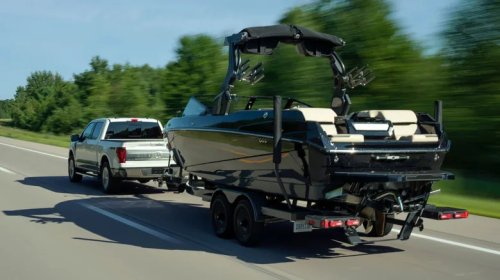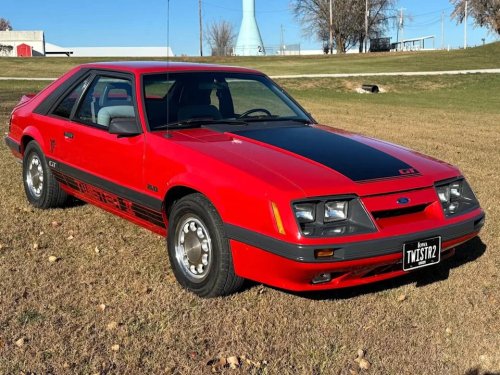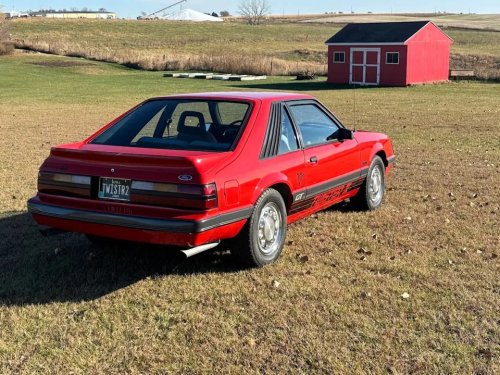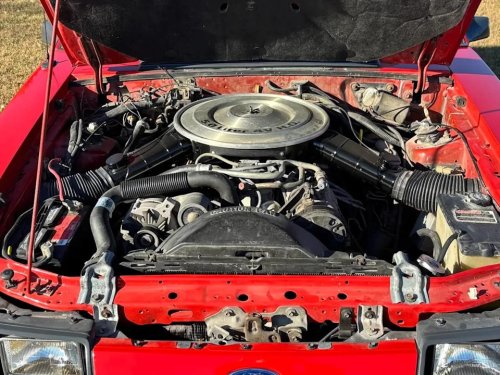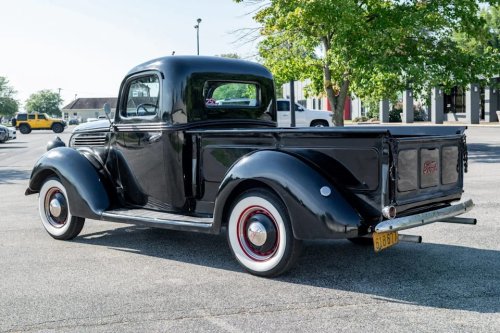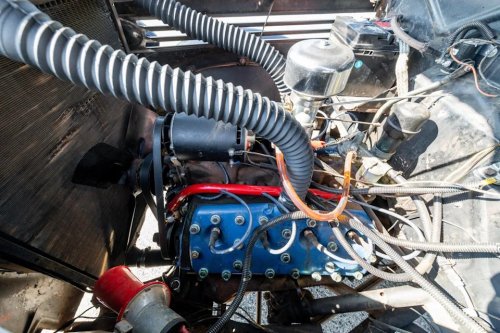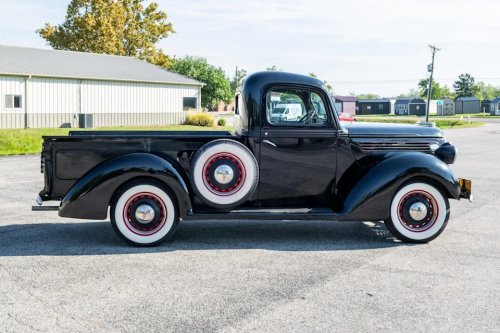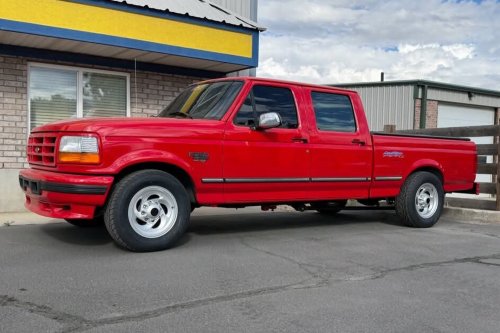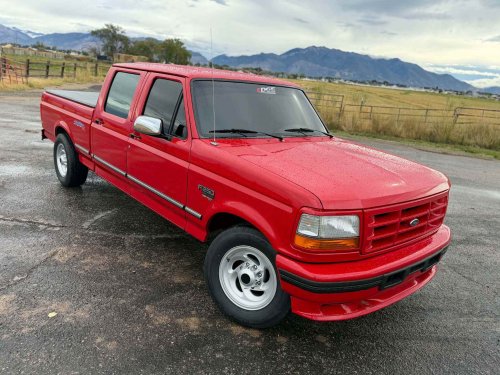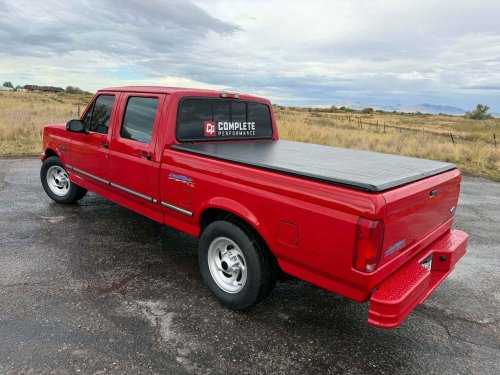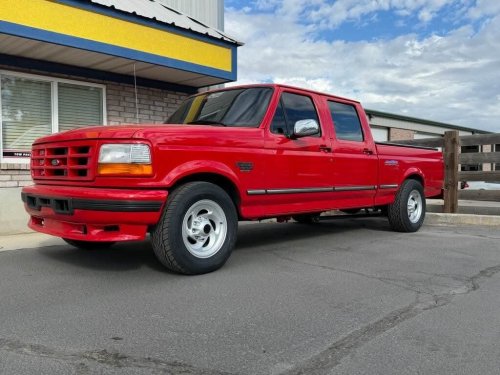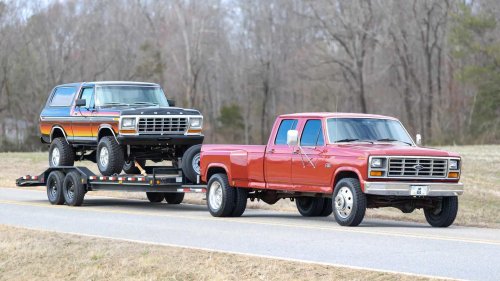
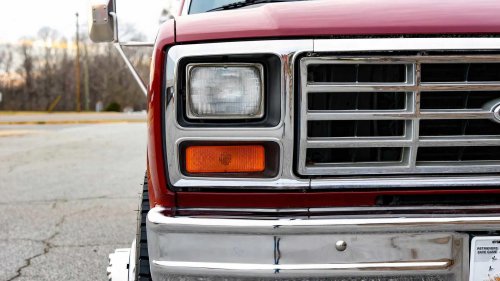
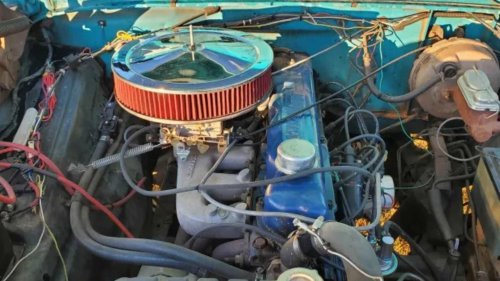
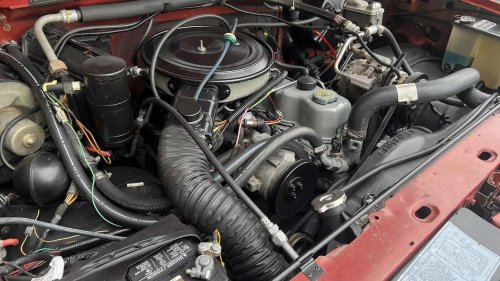
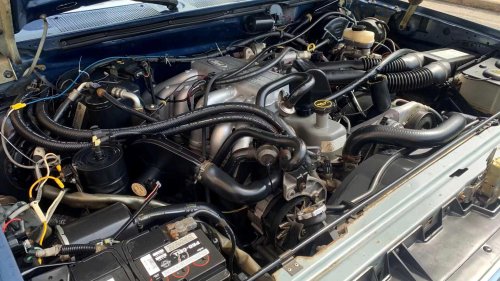



















Ford spent decades building tougher, newer, cleaner, and more powerful truck engines, yet one old-school inline-six kept winning the kind of loyalty no glossy brochure can fake. It was never meant to impress buyers with big horsepower, a fancy badge, or a soundtrack that made neighbors peek through the blinds. It impressed them by starting cold, pulling hard from idle, and refusing to quit when the rest of the truck looked ready for a parts-yard retirement party.That is the contradiction at the heart of this Ford story. The engine didn’t fail, though the world around it changed. Truck buyers started wanting speed, comfort, image, and numbers that looked good in ads. So the old six got pushed aside. Ford’s Toughest Truck Engine Was Built For Work Bring a TrailerFord built this engine for people who treated trucks like tools, not trophies. The buyers it served didn’t care much about quarter-mile times (ah, the good ol’ times…), but more about whether the starter would catch before sunrise. People needed a truck to haul feed, pull trailers, idle on a jobsite, and survive owners who thought “scheduled maintenance” meant checking the oil when the dipstick started making eye contact.That shaped everything. Ford gave the engine a simple layout, strong low-speed pull, and parts that could live with abuse. It simply had to turn fuel into work every morning.It spent its life in pickups, vans, fleet rigs, and commercial equipment, not in weekend toys with polished valve covers and lawn-chair judges. Its legend grew the boring way, which might be the best way an engine can do it. It showed up, did the job, and went home greasy. Very heroic. The Inline-Six That Had The Wrong Personality For The Horsepower War Bring a Trailer The engine’s best trait eventually became its worst marketing problem. It made power where work trucks needed it, low in the rev range, right where a loaded pickup starts moving, crawls through a field, or pulls away from a stoplight with a trailer behind it. That kind of torque feels honest.Ford never built it for high horsepower. Its long-stroke nature, simple breathing, and low-stress setup favored pull over scream. That made sense when truck buyers wanted useful grunt more than a badge that could scare a sports coupe. The later fuel-injected versions still focused on that same character, with modest horsepower but strong low-end torque.By the 1990s, the problem had shifted. Trucks no longer sold only to contractors, farmers, and fleet managers – they became family vehicles, commuter rigs, and lifestyle machines. Buyers expected more power, smoother manners, cleaner emissions, and better fuel economy. A tough old six with low compression and dated electronics could still earn trust, but trust did not always move showroom traffic. The 300 Inline-Six Was The Half-Million-Mile Workhorse Ford Walked Away From Bring a TrailerThe engine was the Ford 300 cubic-inch inline-six, also known as the 4.9-liter. Ford introduced it in 1965 and kept it alive through the 1996 model year, giving it a 31-year run in F-Series trucks, vans, and commercial applications. By any engine standard, that is a long career. By Detroit standards, that is basically a geological era.The numbers never looked wild until someone understood where to look. In a 1996 F-Series, the 4.9-liter multi-port EFI inline-six made 150 horsepower at 3,400 rpm, but it delivered 260 lb-ft of torque at just 2,000 rpm. That torque peak explains why owners loved it. The truck just pulled.The hardware backed up the reputation. The Ford industrial service materials from the era described a cast-iron cylinder block with seven main bearings, full-length water jackets, forged-steel connecting rods, and a gear-driven camshaft. Ford gave it the bones to take real work.That is why owners talk about 300,000-mile examples the way they talk about old dogs that still chase mail trucks. Well-kept engines could push toward 500,000 miles, and even tired ones often kept going after the truck around them dissolved into rust, dents, and questionable seat foam. It powered F-150s, F-250s, vans, dump trucks, irrigation pumps, fleet rigs, and other machines that did not care about glamour. The Heavy-Duty Ford 300 Was Even Harder To Kill Mecum The heavy-duty side of the 300 story adds the good stuff, the kind of details that separate a real workhorse from a lucky survivor. Industrial and severe-duty versions used a slightly modified recipe. They received parts meant for long hours, steady loads, and owners who expected the engine to run like a shop fan with pistons.The Ford 300 industrial engines, also known as CSG649i engines, used upgraded parts such as hardened timing gears, two-groove harmonic balancers, a heavy-duty water pump with a 0.75-inch shaft, severe-duty pistons, and a full-sump, six-quart oil pan.The steel-tooth cam gear detail is important here. Ford knew industrial engines lived different lives, so it gave them parts that could take longer duty cycles and harsher use.Those upgrades explain why the 300 spread beyond pickups. Industrial users ran it in wood chippers, airport tugs, sidewalk snow plows, marine travel lifts, and other equipment. That world rewards engines that start, hold rpm, shed heat, and keep oil where oil belongs. In that crowd, personality means not ruining someone’s Monday. And the 300 had plenty of personality. Ford Replaced The 300, But Never Really Replaced What Made It Great Mecum Ford walked away from the 300 after 1996 because the late-1990s truck market no longer fit it. The redesigned 1997 F-150 moved into a new era with engine choices that included the 4.2-liter Essex V6, the 4.6-liter Triton V8, and the 5.4-liter Triton V8. EcoBoost V6 engines came much later, so they did not directly replace the 300. The first big break came with that 1997 powertrain shift, when Ford pushed its half-ton trucks toward newer V6 and overhead-cam V8 hardware.On paper, the old six could not keep up. Its 8.8:1 compression ratio and 145-hp rating felt weak by late-1990s standards, but the 5.0-liter and 5.8-liter V8s offered more horsepower and stronger marketing appeal. The 300 still had torque where it counted, true, but truck advertising increasingly wanted numbers that looked big before anyone hooked up a trailer.Emissions rules and electronics also boxed it in. Ford had updated the engine with fuel injection and controls, but its basic architecture belonged to another era. It could work hard, run long, and forgive neglect, but it could not easily become the cleaner, smoother, more powerful engine Ford needed for the next truck generation.That is why the 300 still has a cult following. Old Ford truck owners, builders, farmers, and stationary-engine users seek it out because it represents a kind of mechanical honesty that has become rare. It has no turbo, no tablet-sized screen, and no name that sounds like an energy drink. It starts, pulls, and stays alive. Ford replaced the engine, but it never really replaced that feeling.