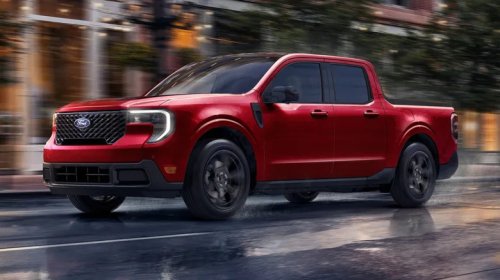
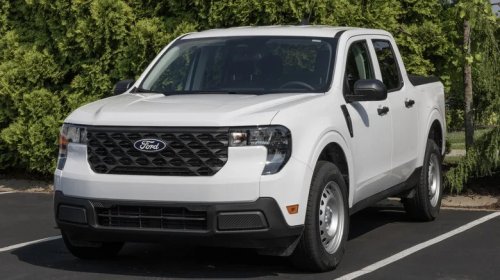
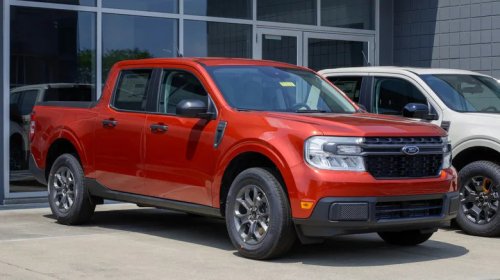
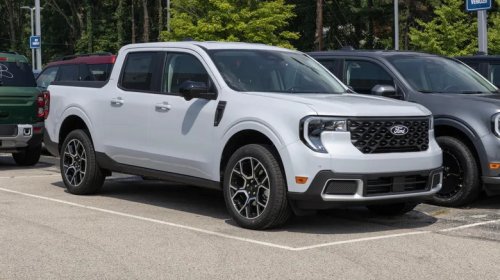
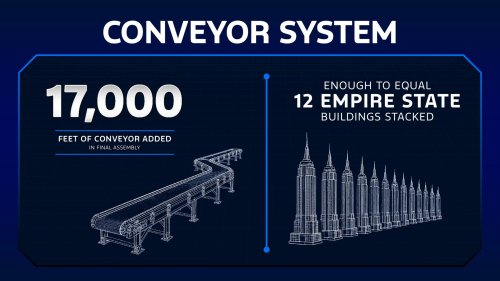
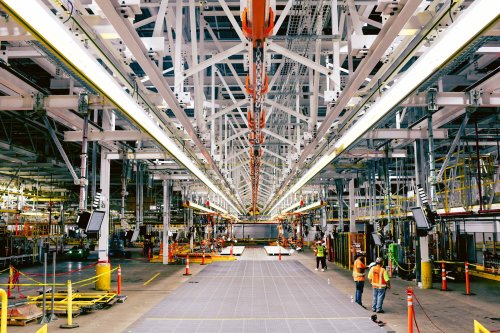
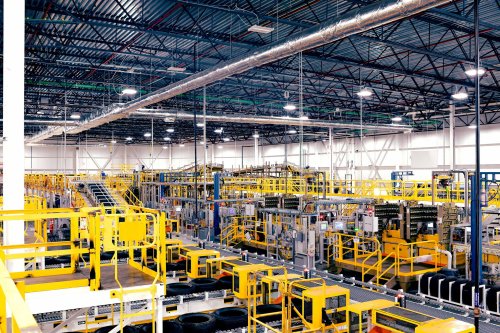
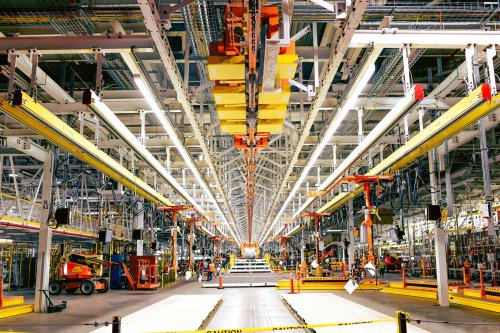
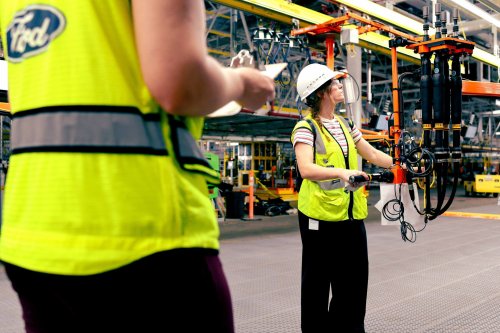
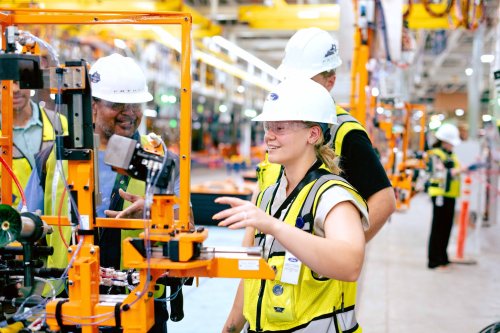
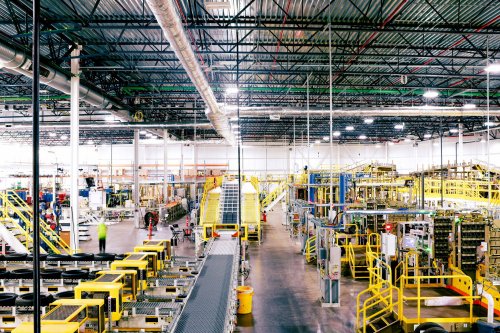
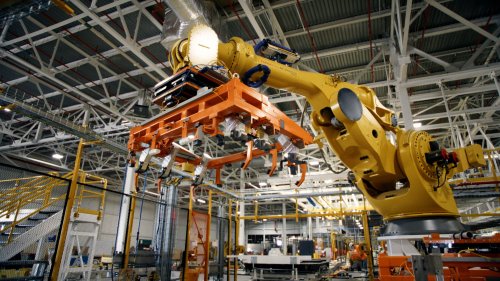
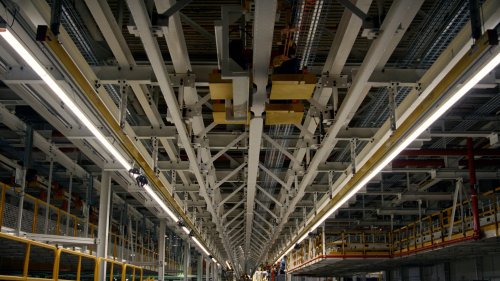
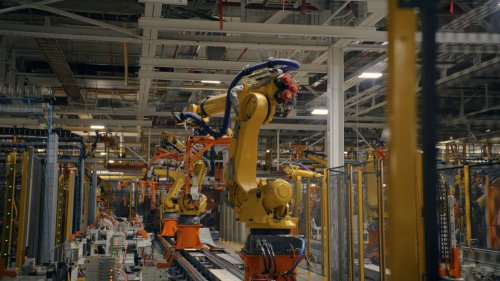
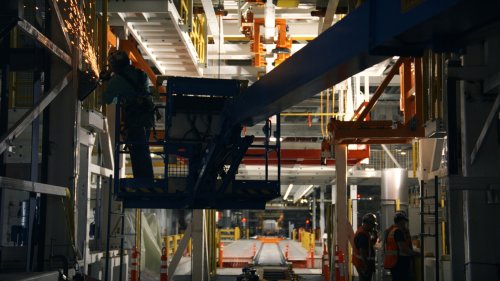
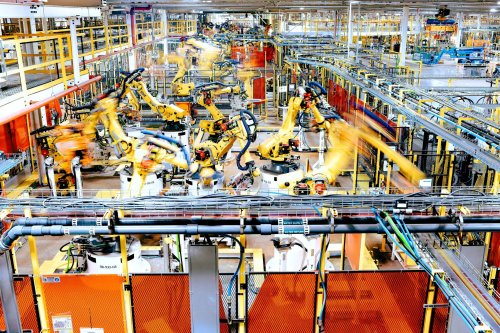
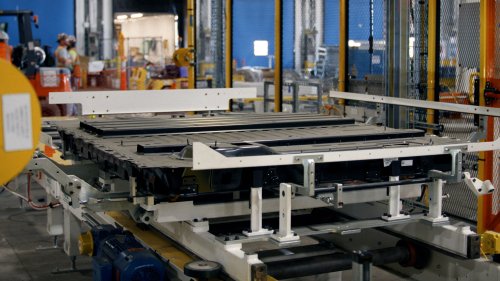
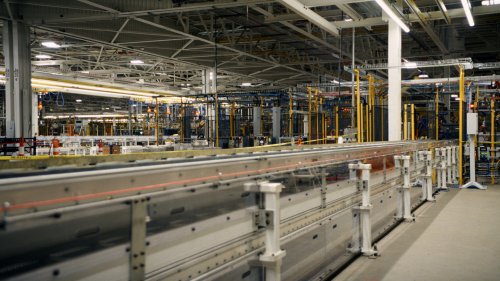
Ford gutted Louisville Assembly Plant for its new Fathom electric truck. Three parallel sub-assemblies replace a conventional linear final-assembly line. Ford expects the new system to improve speed, ergonomics, and quality. Ford’s long-promised affordable EV program has finally taken physical form. The 3-million-square-foot Louisville Assembly Plant that once built gas-powered vehicles is no longer just a familiar factory with a few new robots. Ford stripped it to its shell, spent $2 billion rebuilding it, and is now preparing it for the $28,350 Fathom electric pickup. The result is a very expensive experiment. According to Ford’s latest progress update, production-qualified Fathom prototypes should begin rolling off the line in the first quarter of 2027. Customer trucks will follow later that year. The Fathom is the first vehicle on Ford’s new Universal EV platform and carries a $28,350 starting MSRP before its $1,595 destination charge. Ford still hasn’t revealed the range, payload, towing capacity, or most of the other figures truck buyers will care about. Read: Ford Promised A Sub-$30K Electric Truck, The Fathom Came In At $28,350 For now, the story is the factory and how production will work. Instead of sending a mostly complete body shell down one long line, Ford splits each Fathom into three sections: the front clip, rear clip, and a structural battery-and-interior assembly. Workers outfit those sections in parallel, then bolt and bond them into a finished truck. The front and rear sections rely on large aluminum unicastings that replace dozens of stamped and welded components. Meanwhile, the battery serves as the truck’s structural floor. That means workers can install a seat before there’s even a cabin structure in the way, rather than squeezing through a doorway with tools in hand. There’s real potential here beyond the usual manufacturing buzzwords. Ford says the system reduces the need to reach over a fender by 84 percent. It also says the Fathom’s wiring harness is more than 4,000 feet shorter and 22 pounds lighter than the one in its first-generation electric SUV. Less twisting, less reaching, fewer parts, and fewer chances to mess something up all sound like wins. Especially for a brand so closely associated with recalls of late. Ford says the plant will allow it to build cars 15 percent faster than its current Louisville products. A new software-flash station can even update modules while the truck moves through the plant rather than holding it up after assembly. Now, we just have to wait and see if this new production plan pays off. It’ll take a lot of $30k EV pickup truck sales to make a $2B investment look smart. But the real play here could be insight and experience that could spread to other Ford products. Photos: Ford






















 +7 others