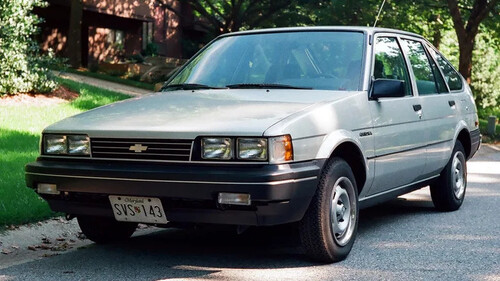
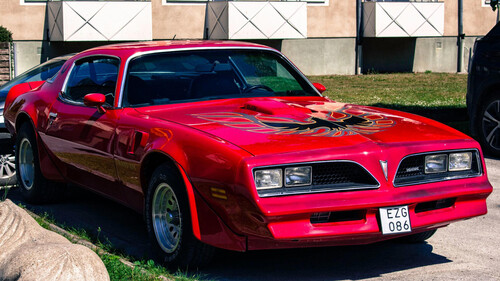
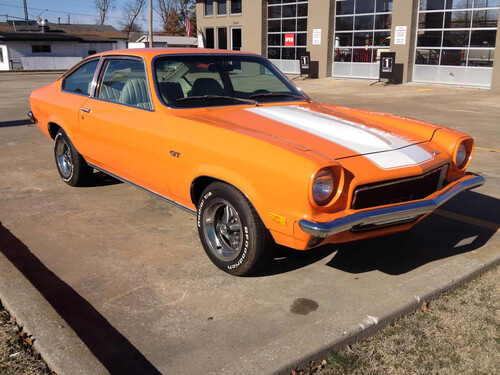
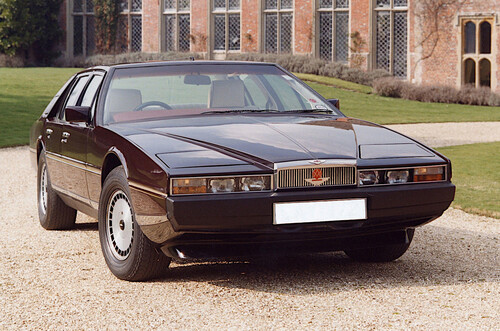
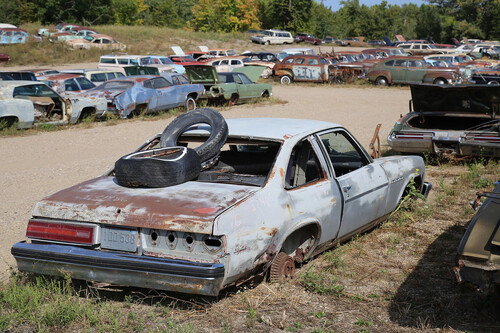
10 Car comebacks that seemed like surefire successes but ended in failureIn the high-stakes world of automotive design, nostalgia is a powerful but dangerous fuel. Manufacturers often reach into their archives, hoping to capture lightning in a bottle by reviving legendary nameplates that once defined an era. While some icons succeed in reclaiming their former glory, many others end up as cautionary tales that fail to live up to the potential of the originals. The risk is incredibly high; for instance, transforming a beloved muscle car into a dull sedan or a heavy luxury coupe can quickly alienate the very fans the brand hopes to attract. These ten examples highlight the thin line between a triumphant return and a historic flop that left enthusiasts wanting more.The Toyota-Badge SputterThe 1985 Chevy Nova represents a stark departure from its 1960s glory, a time when it was one of the best performers in the company’s lineup with a solid front-engine/rear-wheel-drive layout. Instead of the dependable machine fans loved, Chevy introduced a rebadged Toyota hatchback. This version featured a weak 1.6-liter 4-cylinder engine that barely eked out 75 horsepower, a move many enthusiasts considered an insult to the once-strong original machine. Consequently, this "sporty" attempt failed to resonate with the public, and the Nova nameplate sputtered out quickly.A Thunderous LetdownThe 2002 Ford Thunderbird arrived with massive expectations, given that the nameplate is deeply revered in muscle car circles. While the car possessed an attractive, retro-inspired exterior, the mechanical performance was a major disappointment for those expecting a powerhouse. It looked more like a heavy sedan than a lean muscle machine, and the 3.9-liter V8 engine with 252 hp lacked the strength to handle its significant weight. Combined with a high price tag, the revival lasted only four years before disappearing into a mild squall.Missing the BullseyeThe 2013 Dodge Dart was a bold attempt to resurrect a name associated with affordable, fun driving and a classic "old-school" muscle feel. However, the modern reality was a compact sedan that stood as a far cry from the muscle machine of the past. Despite an aggressive and expensive marketing campaign by Dodge, the new Dart could not maintain its momentum; after a decent start, sales plummeted significantly. The model was eventually discontinued in 2016, proving that this specific revival ultimately missed its mark on the American market.The Muscleless PioneerResurrecting the 2004 Pontiac GTO was a highly risky move, especially since the original model is credited as a pioneer of the muscle car genre. Classic fans were shocked when the legendary name was placed on a luxury coupe with a dull exterior and an uninspiring engine. It lacked the aggressive muscle identity and "muscle" performance that defined its predecessor, which enthusiasts viewed as a significant slap in the face. Pontiac was reportedly surprised by the flop, but the mismatch between the name and the product was clear from the very beginning.Lost in TranslationThe 1989 Lotus Elan attempted to modernize a classic piece of British sports car engineering known for its agility and spirit in the '60s. This revival featured a two-seater convertible design modeled after European cars of the era and offered decent performance overall. However, it simply failed to connect with customers in a meaningful way, resulting in a very limited production run. Only 3,855 units were built, with just 559 reaching the United States. The failure was so complete that a planned 2013 revival attempt was canceled before it even started.The Electronic MessThe 1976 Aston Martin Lagonda remains one of the most controversial attempts at high-end luxury in automotive history. While the wedge-shaped design was distinct for the mid-70s, the vehicle was plagued by overcomplicated electronics that led to constant mechanical breakdowns. The 5.3-liter V8 engine produced a respectable 280 hp, but the car's extreme unreliability overshadowed its performance. Over a fourteen-year production span, only 645 units were sold, leaving a legacy often described as a "mess" rather than a prestigious return.The Probe Rip-offThe 1999 Mercury Cougar arrived as a reimagined version of a nameplate that had previously seen success as a muscle car, convertible, and even a station wagon. Unfortunately, this iteration was essentially a Ford Probe clone in all but name, which severely damaged its reputation among car enthusiasts. While it initially enjoyed healthy sales, the "rip-off" stigma eventually took a toll on its standing. By 2002, the Cougar ended its run with a whimper, marking the end of a car that had lost its unique identity in the pursuit of corporate rebranding.Underpowered AestheticsThe 1997 Plymouth Prowler is a tragic example of a vehicle with stunning visual appeal that lacked the mechanical heart to match. Its retro-inspired design turned heads and gained massive attention as a concept, but it was burdened by a V6 engine that was far too weak for its substantial size and weight. Enthusiasts lamented the missed opportunity, believing a stronger engine could have made it a legendary roadster. With barely 11,000 units sold before its 2002 discontinuation, the Prowler became a cautionary tale about prioritizing style over substance.Standing in the ShadowThe Maybach 57, introduced in 2000, was intended to be a triumphant return for the German luxury brand under the Daimler-Benz umbrella. Featuring a powerful 6.0-liter V12 engine, it was designed to compete at the highest levels of luxury motoring. However, it struggled to emerge from the shadow of Mercedes-Benz. The company projected annual global sales of 2,000 units for the model, but they barely produced 3,000 cars over an entire decade. This failure led many to conclude that the Mercedes S-Class was simply a better bet.A Legend DiminishedThe AC Brooklands Ace, revived in 1993, had the massive shadow of the 1959 LeMans-winning original to live up to. While it featured a 5.0-liter Mustang V8, critics panned its sedan-like appearance and underwhelming top speed of just 135 mph. Even the supercharged version only reached 155 mph, which did not satisfy those familiar with the Ace's high-performance heritage. Only 58 units were ever manufactured before the project folded, failing to honor the legacy that once inspired the iconic Shelby Cobra.