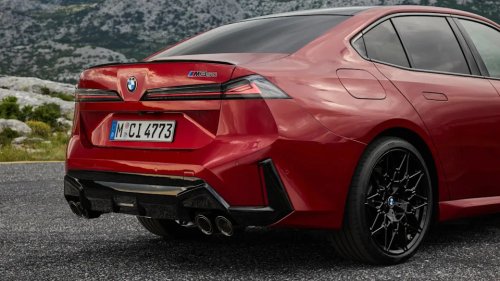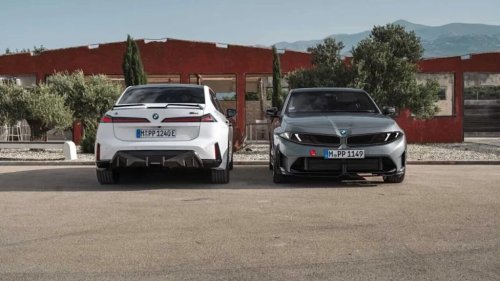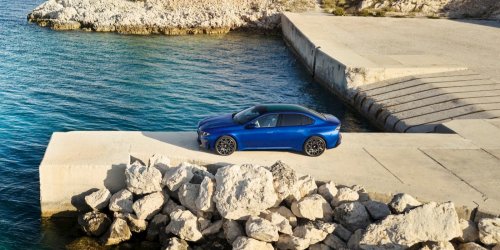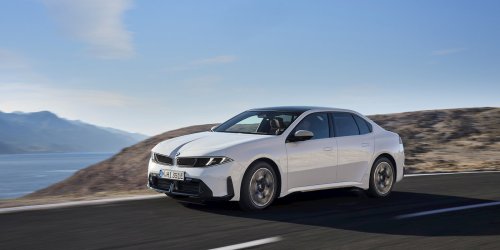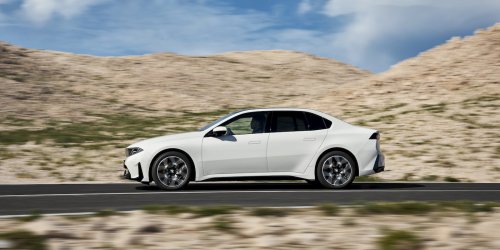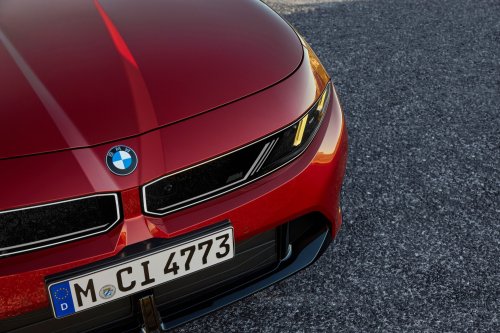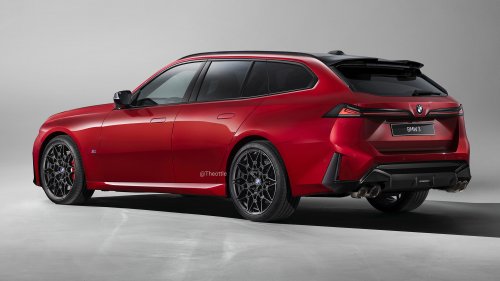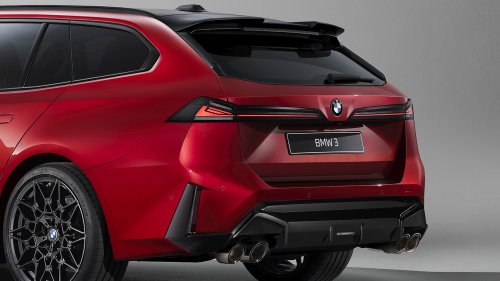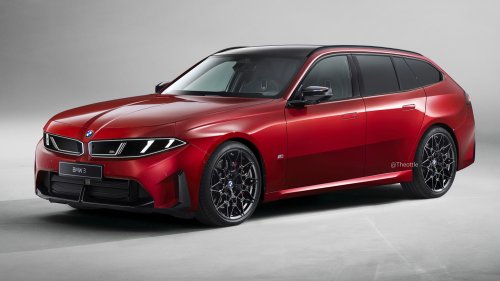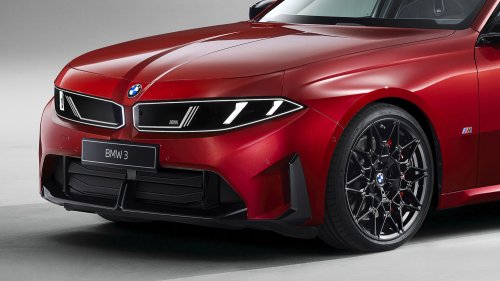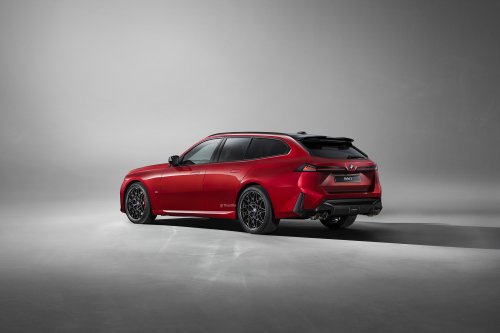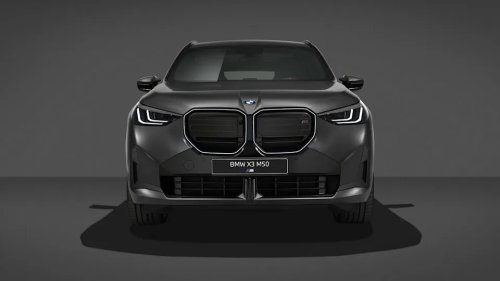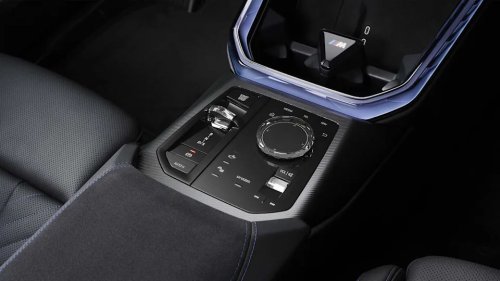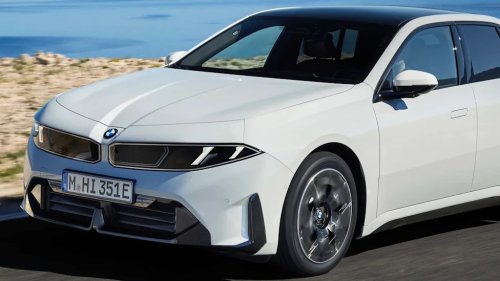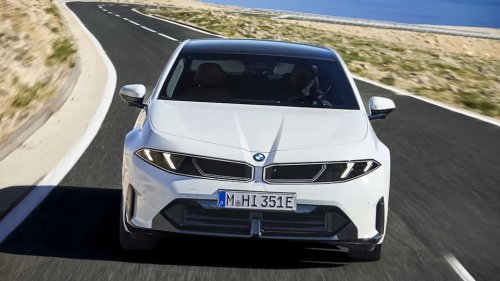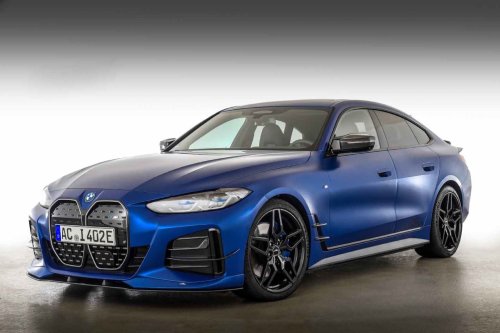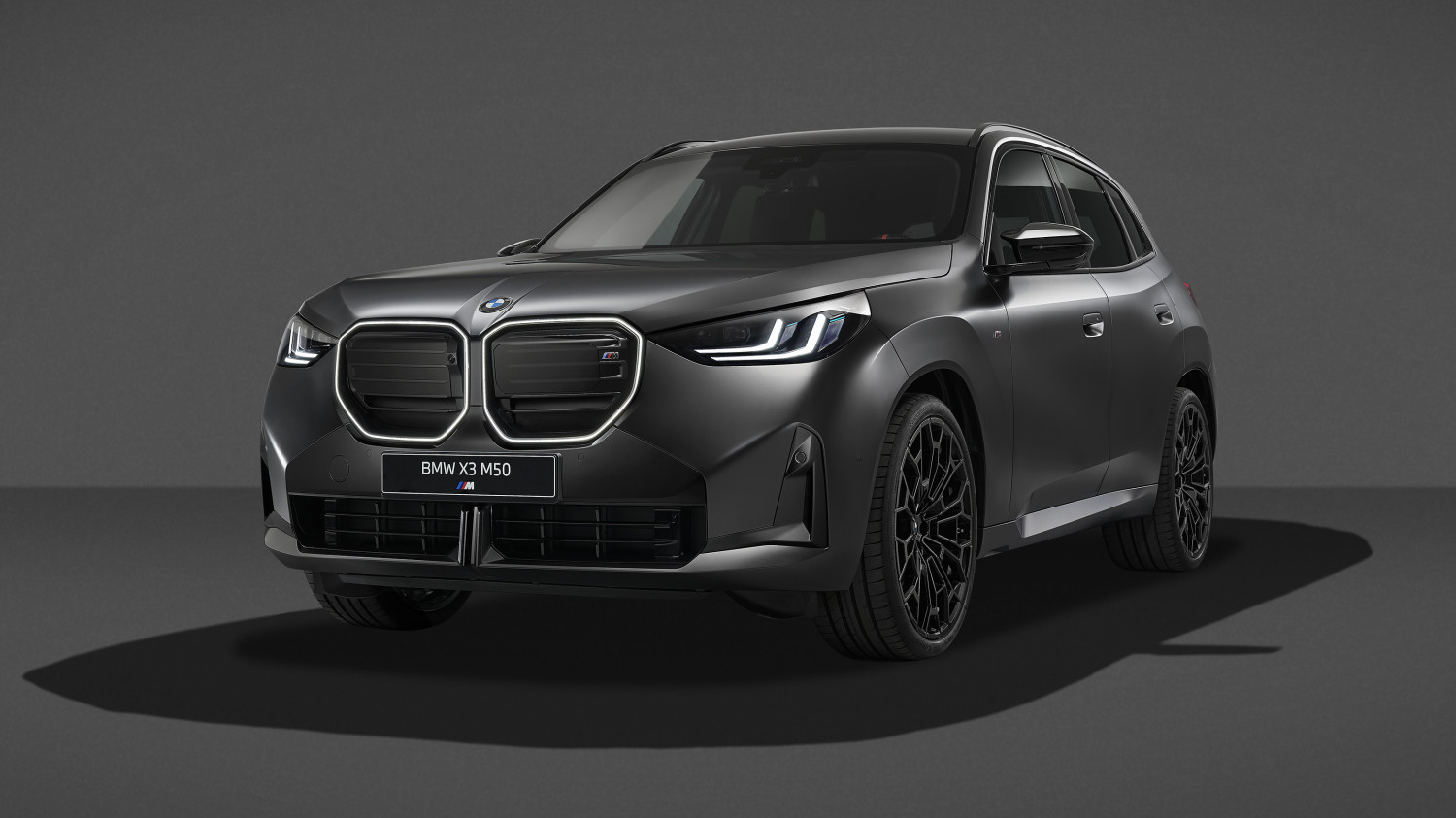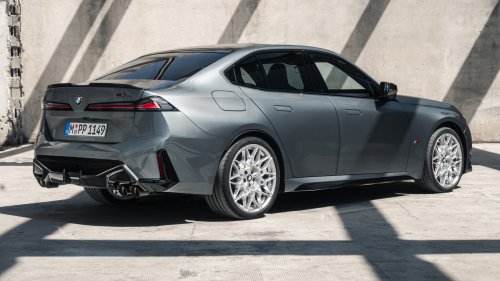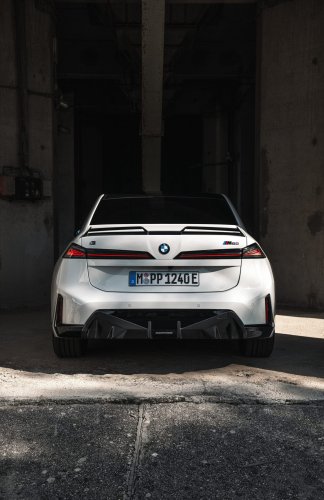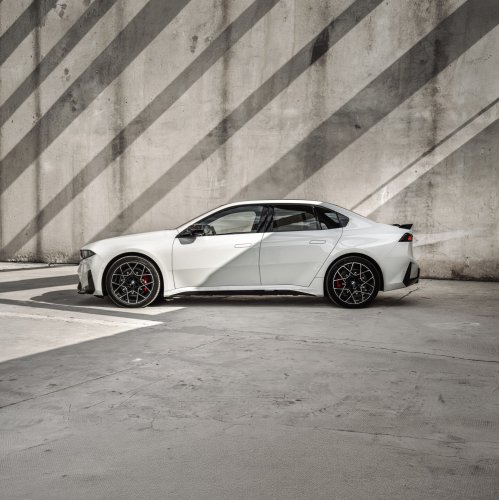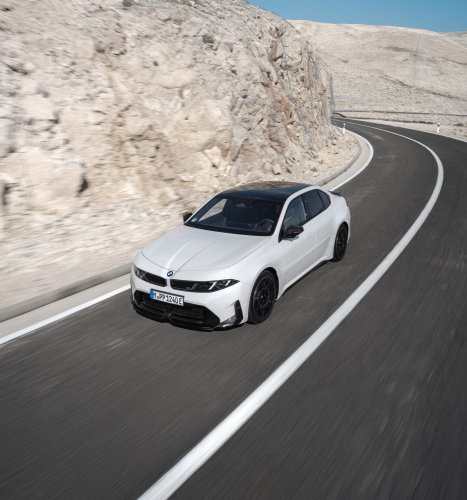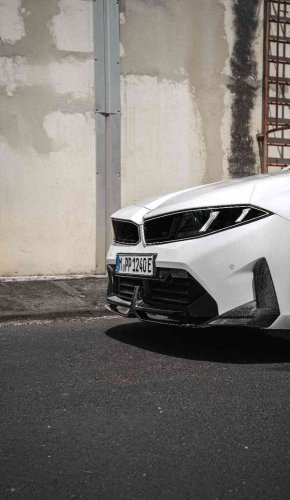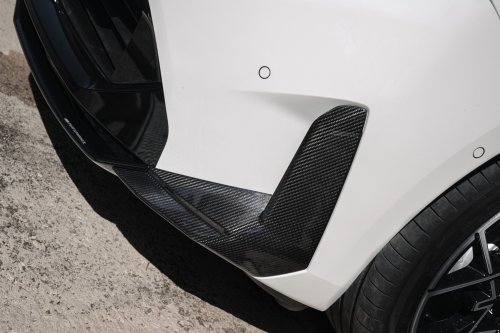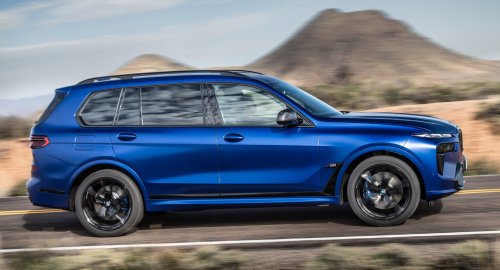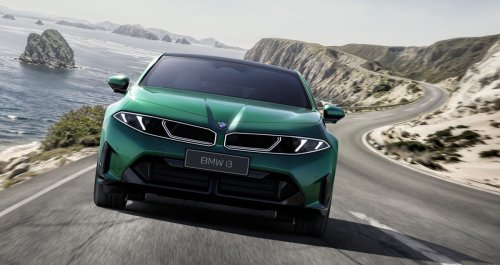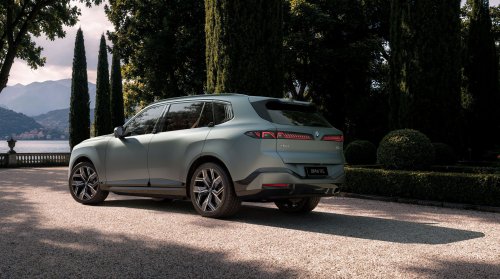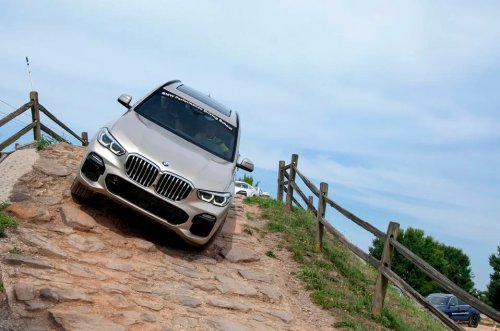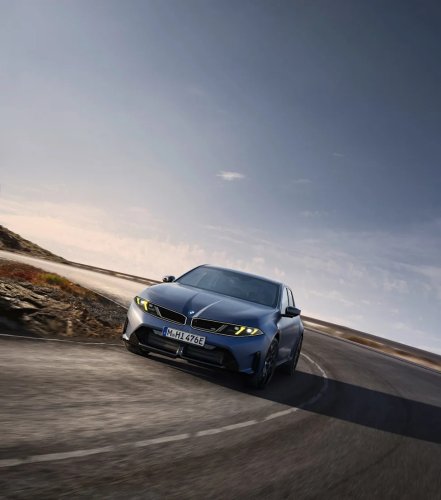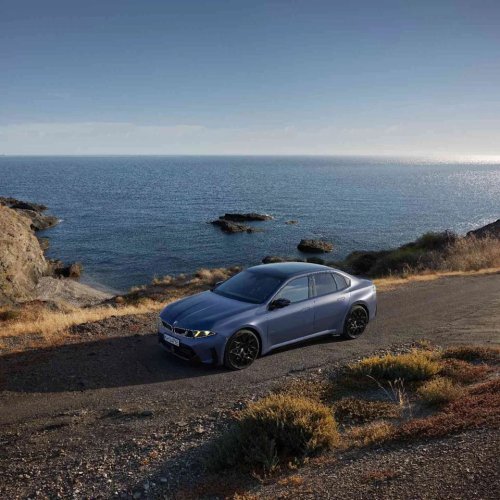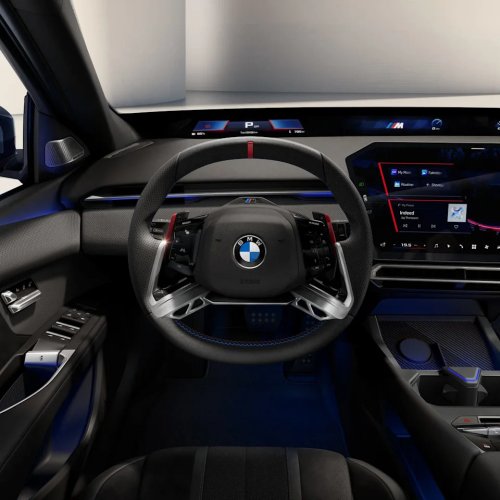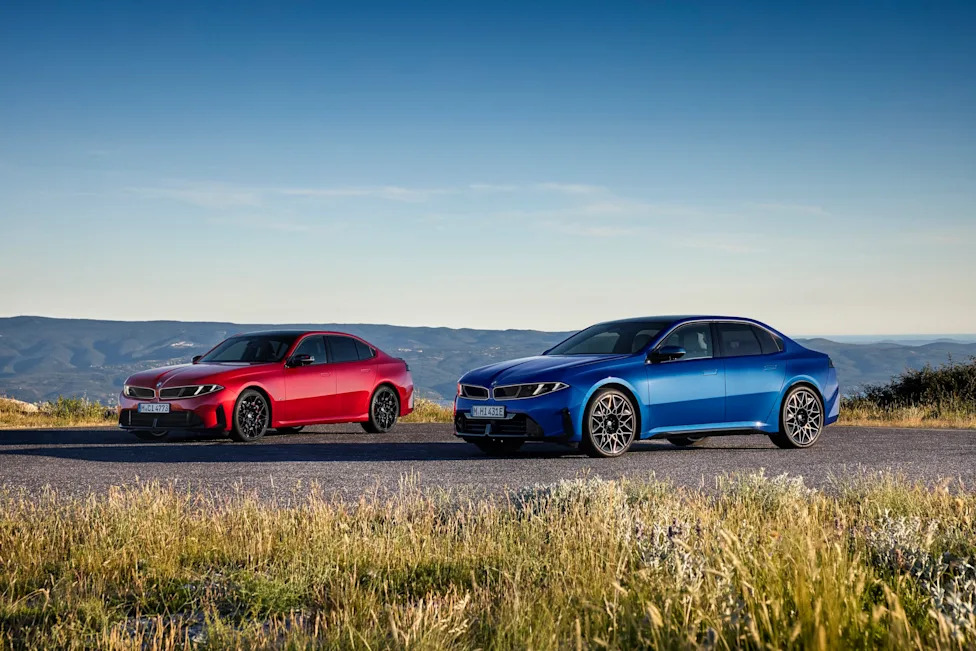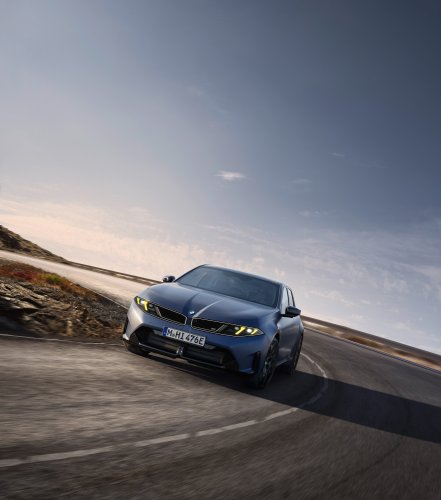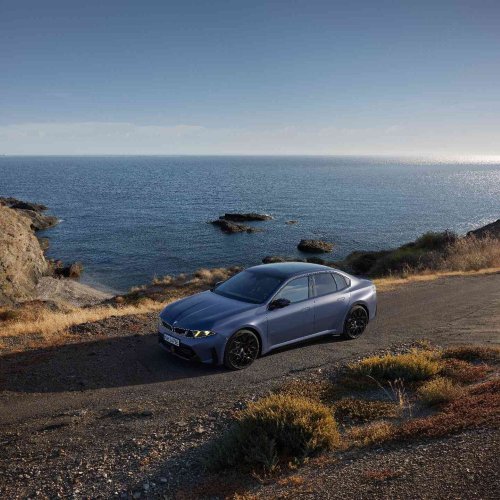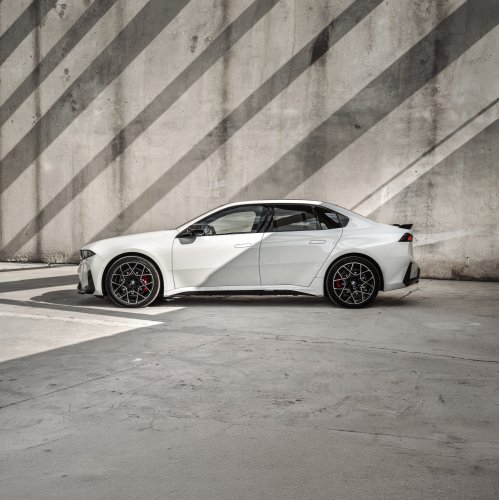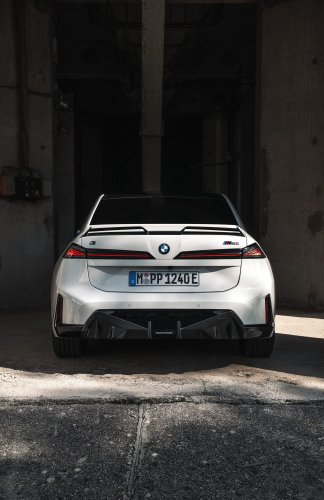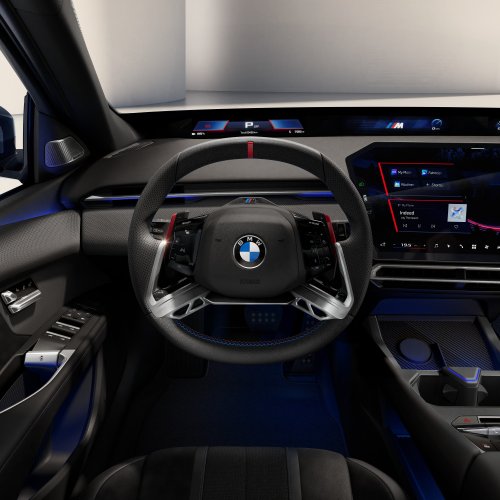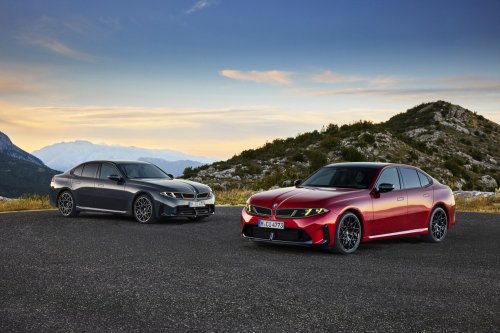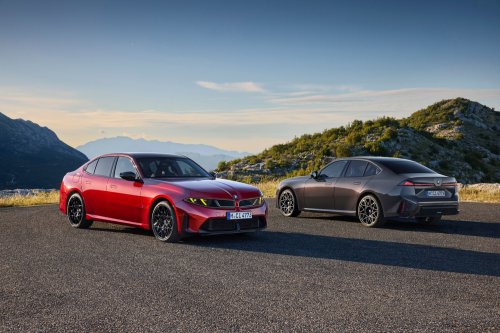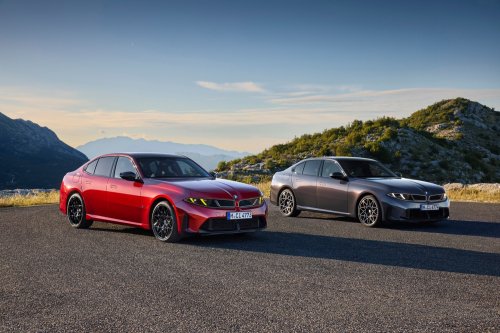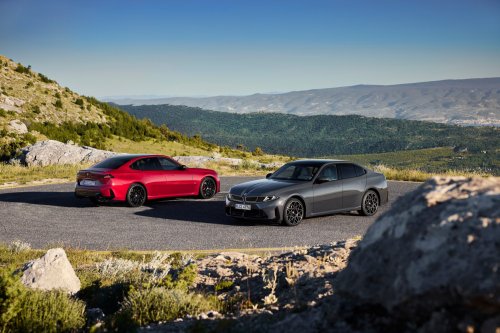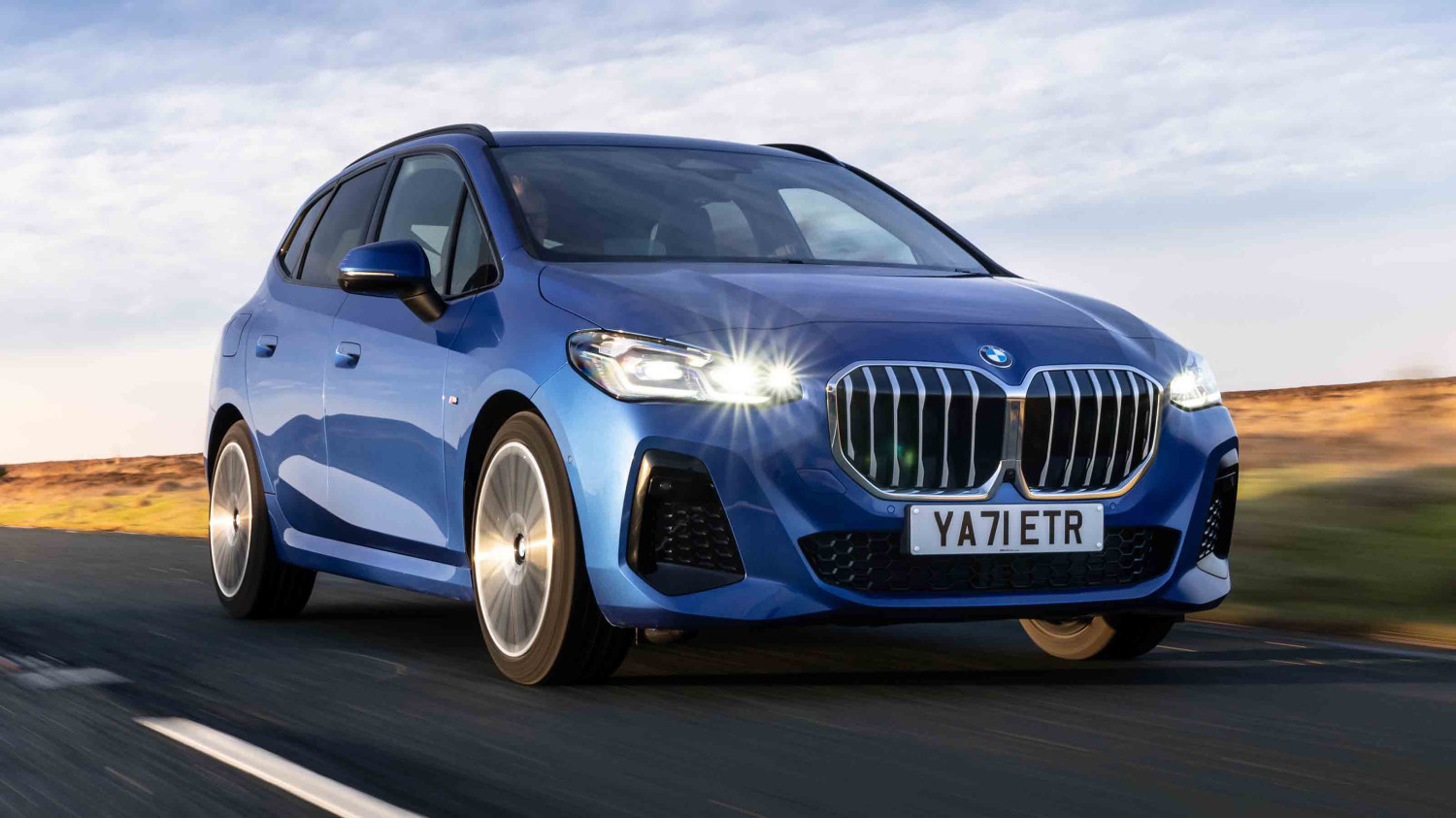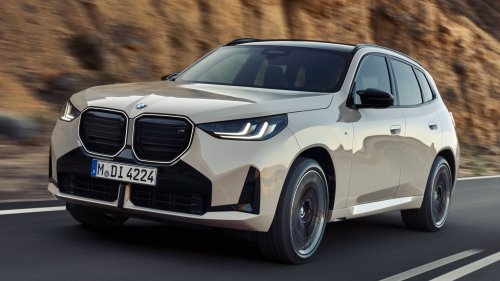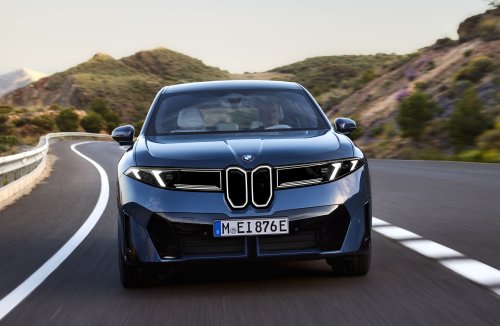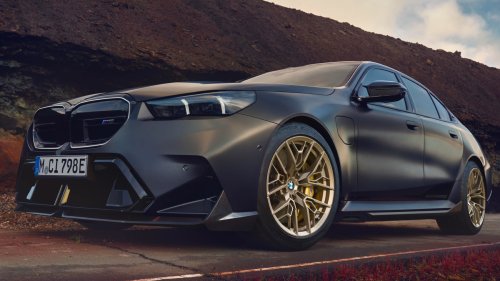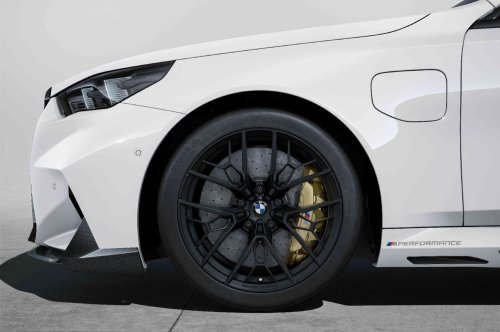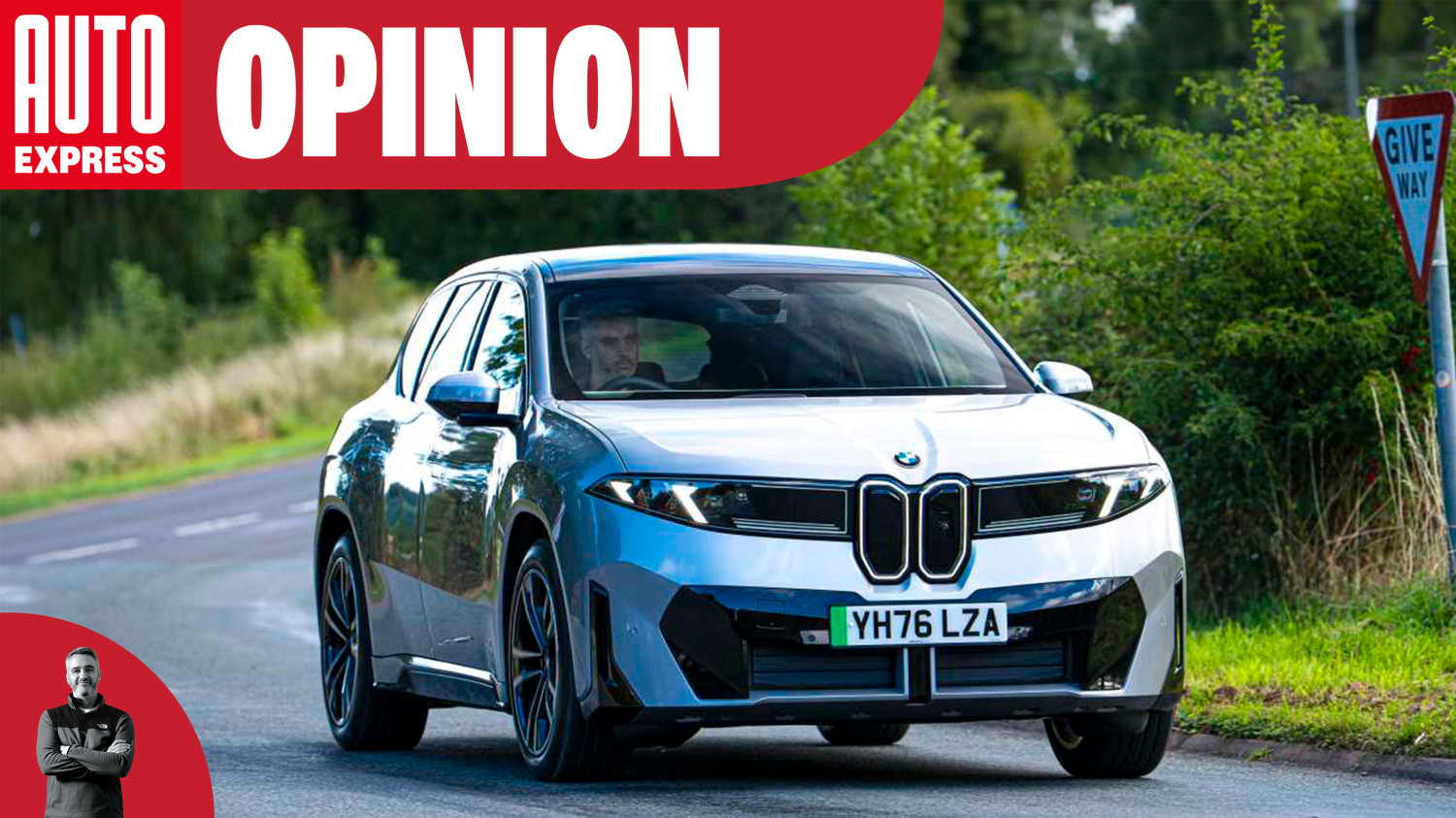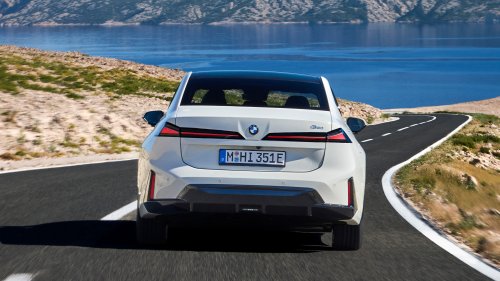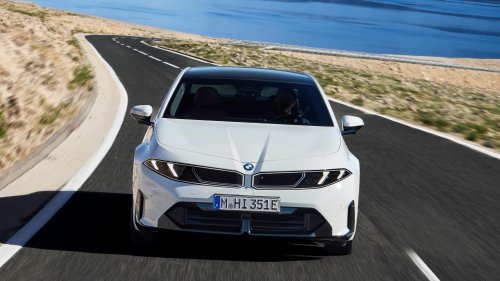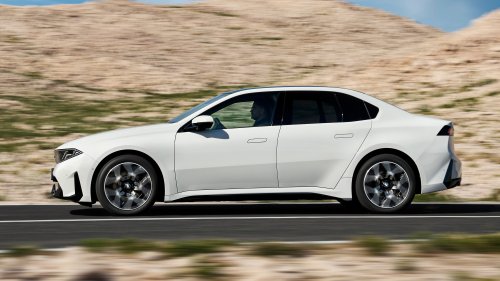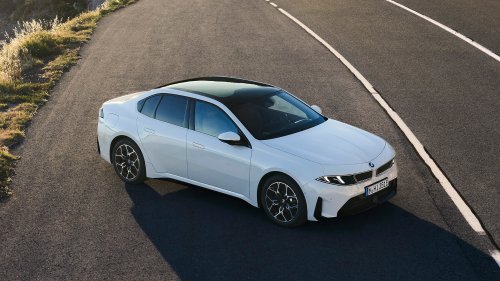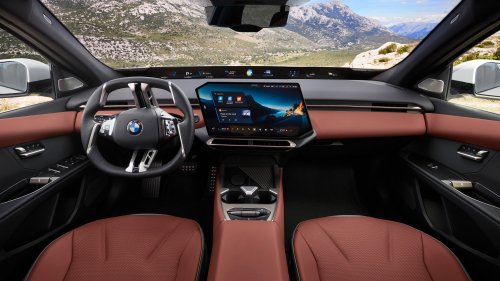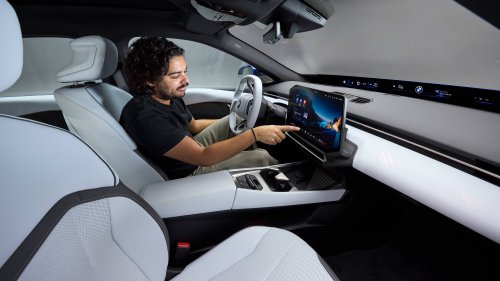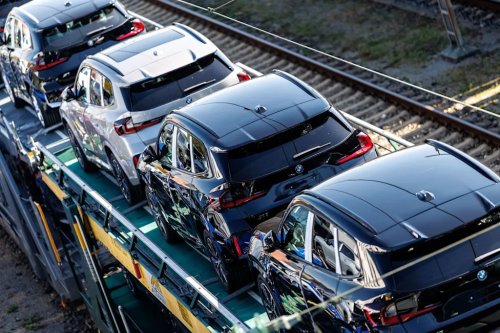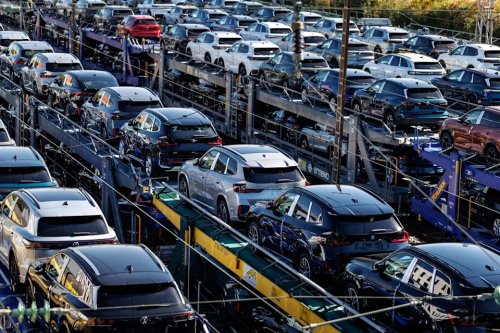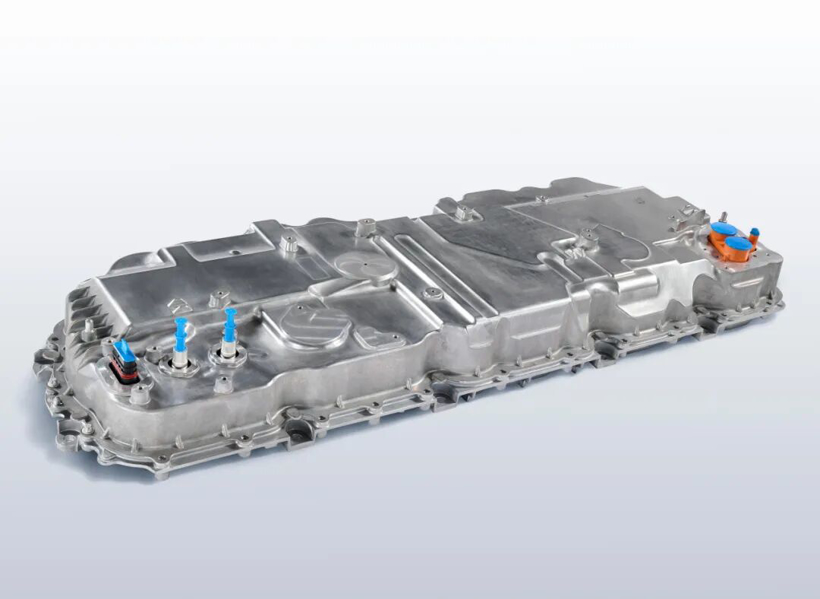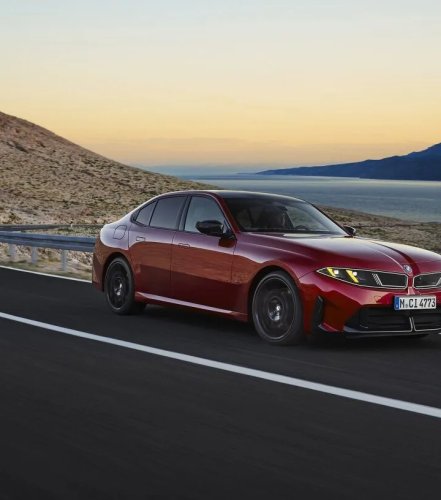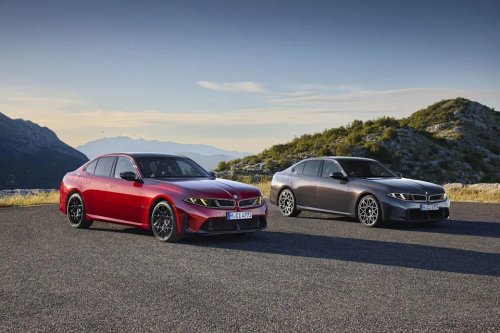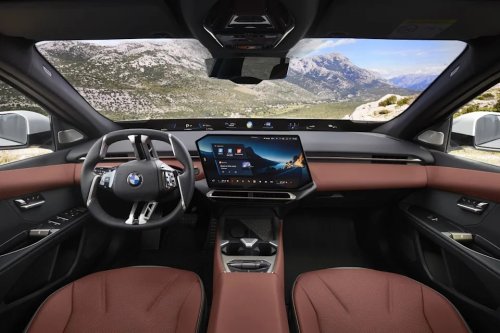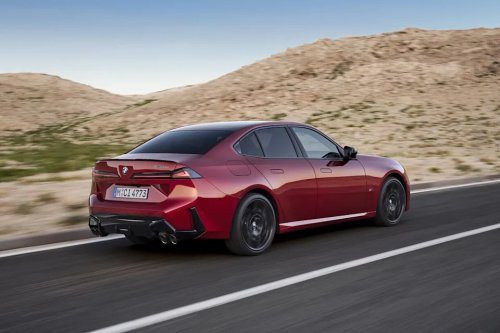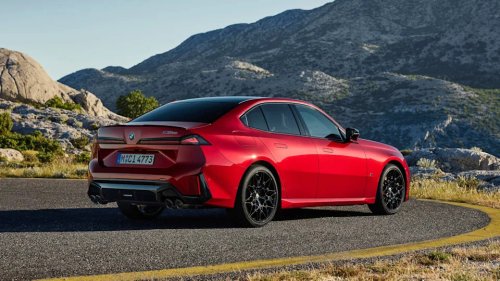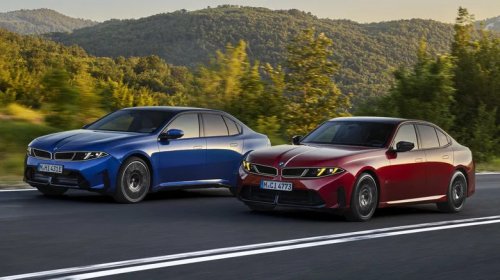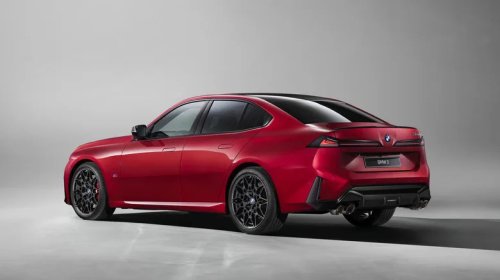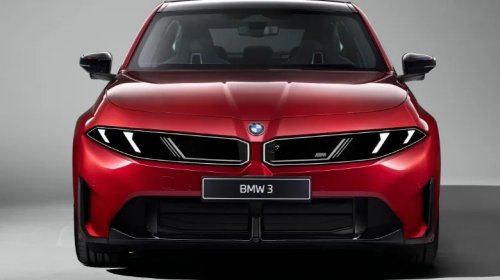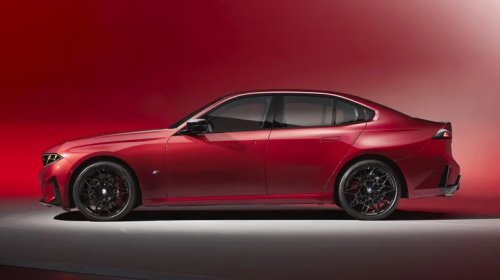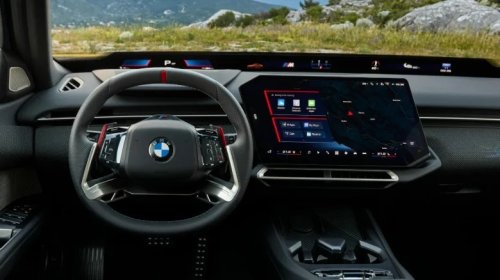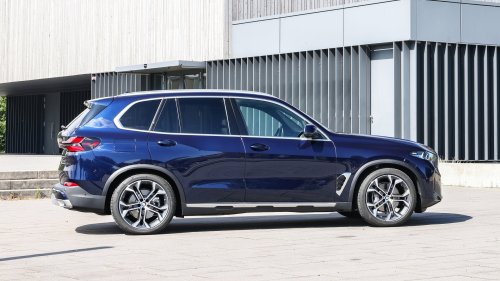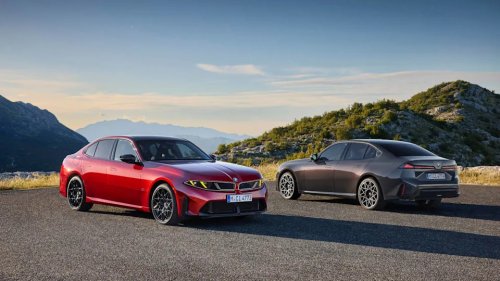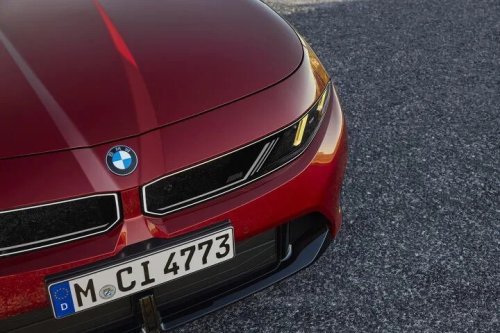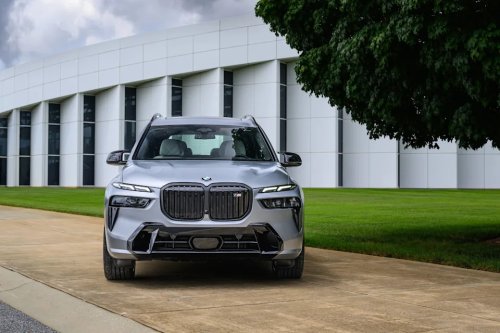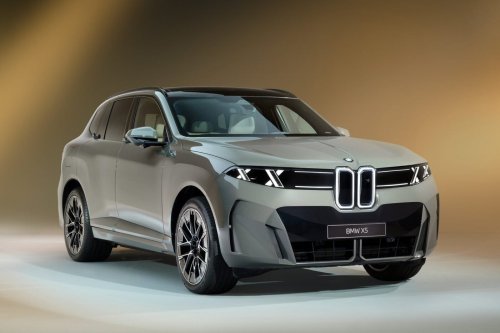
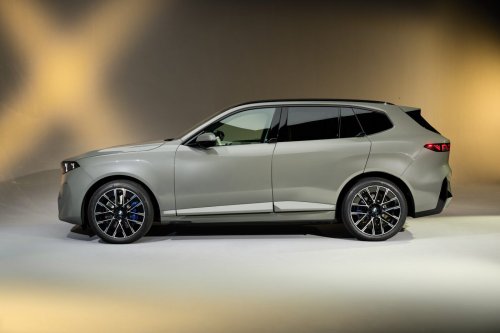
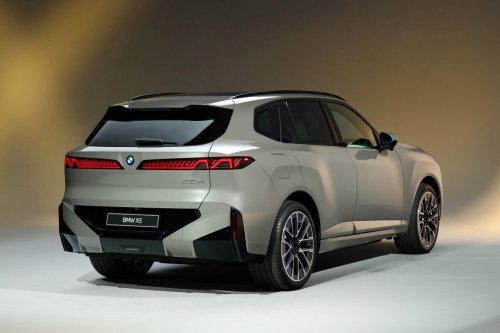
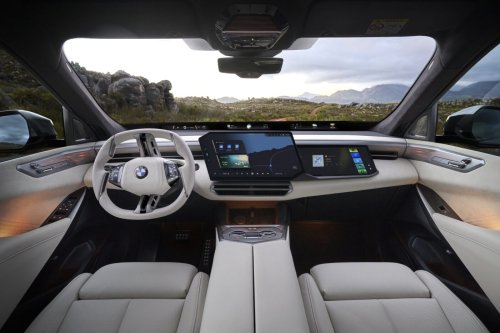
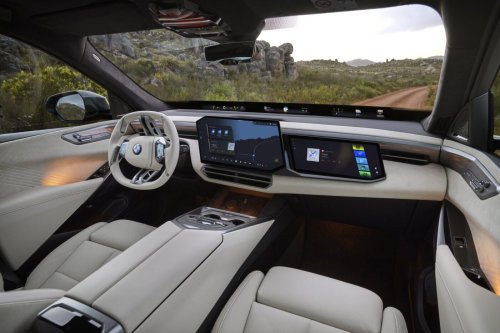
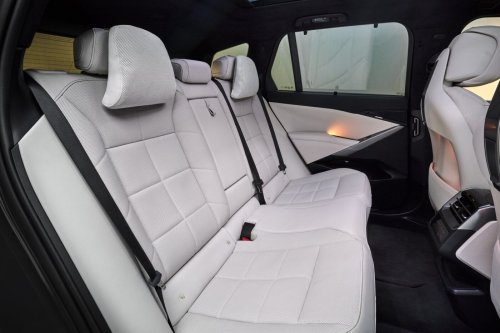
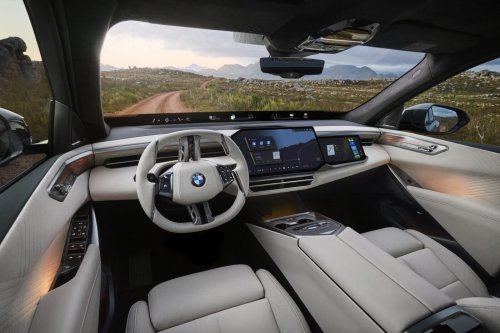
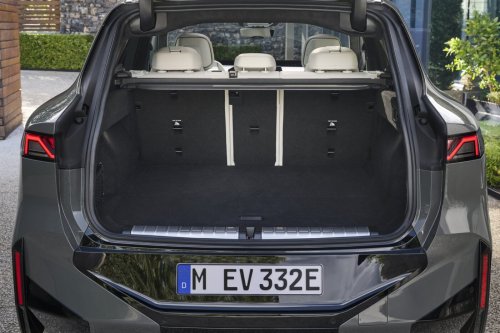
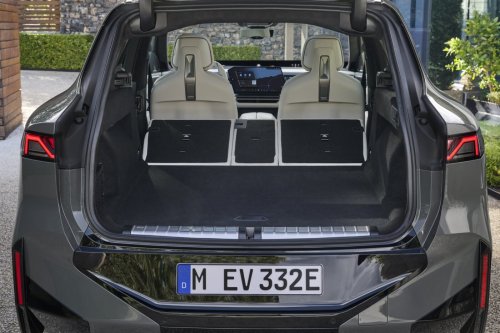
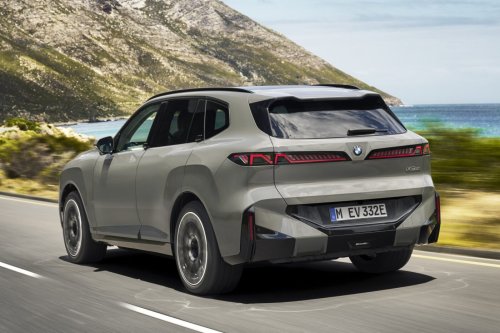
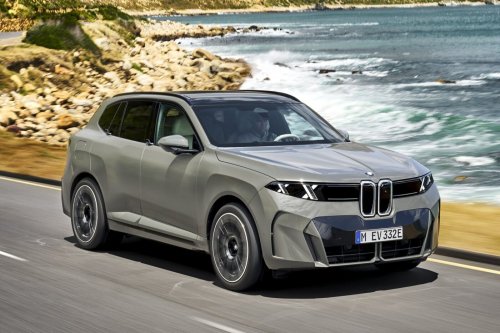
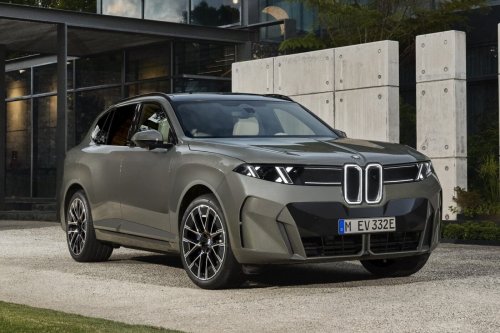
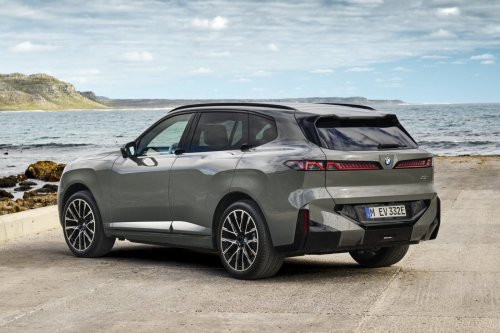
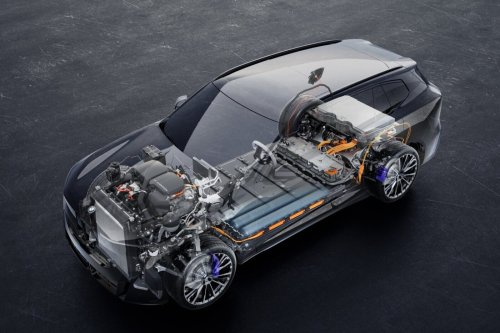



















It looks as if the fifth generation of the X5 – in production since 1999 – could soon have the widest range of fuel options of any passenger car. From 2028, BMW has pledged that the new iX5 will be available with a hydrogen fuel-cell powertrain. But until that happens, only the battery-electric iX5 is relevant. It features a substantial traction battery with a 141-kilowatt-hour capacity, a sophisticated chassis, and advanced driver-assistance systems that deliver a new level of comfort and safety for the driver. So, what can this machine do?From a European perspective, it is difficult to comprehend that the BMW iX5—measuring 4.99 metres in length, a substantial 2m in width (excluding wing mirrors), and 1.75m in height – is considered a mid-size SUV. Bigger is always an option, especially in the USA, where this model sells well. This is why it is exclusively produced in the US and exported to Germany – freshly cleared through customs. Nevertheless, there is a growing customer base in Germany that appreciates this SUV.2,700kg towing capacity and 425kW system powerFor instance, those who choose the iX5 may value its towing capacity of 2,700kg – ideal for horse trailers or a sailing boat. Its range is also impressive, spanning 645 to 845km under the WLTP test cycle, with a standardised energy consumption of 20.1 to 23.9kWh per 100km. This variation is likely due to differences in tyres and equipment levels. What all models share is the design, which appears as if BMW took the iX3 and scaled it up under a magnifying glass. This is a strategy that works for many car manufacturers: deliberate similarity across model ranges. Image: BMW Image: BMW Image: BMW Image: BMW Image: BMW Image: BMW Image: BMW Image: BMW Image: BMW Image: BMW Image: BMW Image: BMW Image: BMW Image: BMWAt launch, the BMW iX5 60 xDrive will be available. It delivers 425kW of system power, accelerating the SUV from 0 to 100 km/h in 4.6 seconds. Torque is an impressive 805Nm. The transmission features a two-stage reduction gear. And, of course, the xDrive badge signifies all-wheel drive: a separately excited synchronous motor powers the rear axle, while an asynchronous electric motor drives the front. BMW has refined the integration of all these components over many years and development stages.Charging capabilities: 22kW AC and up to 460kW DCA traction battery with a 141kWh capacity requires significant power to charge quickly. Unsurprisingly, the iX5 comes standard with an AC charger rated at 22kW. For DC charging, the peak output is 460kW, and replenishing the battery from 10 to 80 per cent is expected to take just 23 minutes. While such figures would have seemed extraordinary just a few years ago, they are now the norm—even for a battery of this size.Two highlights of the BMW iX5 deserve closer attention: its chassis and driver-assistance systems. Even in its base configuration, every iX5 features an adaptive suspension. For an additional cost – and in this vehicle segment, customers are often willing to invest in a few extras – there is the Integral Active Steering system. This allows the rear wheels to turn by up to 3.2 degrees, reducing the turning circle to 12.1m. While this is still relatively large, regular city drivers and those who frequently park in tight spaces should definitely consider this option when ordering.Roll stabilisation for a 2,900kg curb weightThe pinnacle of the chassis setup is the Adaptive Chassis Control Professional with roll stabilisation. The BMW iX5 60 xDrive already weighs 2,900 kg when empty. It is both astonishing and alarming how agile such a behemoth can feel when all systems are fully engaged. For BMW, this is a core brand value: the sheer joy of driving.Beyond active driving dynamics, the iX5 showcases the potential of driving automation. At its core are the advanced Level 2 systems: ‘Entry-2-Exit’ for motorways and ‘Address-2-Address’ for urban environments. Both systems come at an additional cost but represent the cutting edge of what is currently achievable.Level 2 systems must always be supervised by a human driver. However, they create the illusion of autonomous driving – ‘Address-to-Address’, for example, means the vehicle can handle the entire journey from start to destination in urban traffic. The BMW iX5 brakes, steers, navigates turns, and recognises traffic lights. In principle, this is comparable to Tesla’s Full Self-Driving (FSD) Supervised.iX5 60 xDrivePowertrainAWDPower425kWTorque805NmAcceleration4.6 sTop speed210km/hWLTP range (combined)N/ABattery capacity (net)141 kWhDC charging power460kWDC charging time 10-80%23 minAC charging power22kWAC charging time 10-100%7:30 hTowing capacity (braked)2.7 tNote: All technical data is provisional.Advanced Level 2 systems on the riseA similar principle applies on motorways, where ‘Entry-2-Exit’ means the driver must remain attentive, with their focus monitored (for example, via seat occupancy detection). However, they are not required to keep their hands on the wheel. Essentially, the driver observes the car as it steers itself. Depending on individual temperament, this can be either relaxing or unsettling. Everyone should be aware that such advanced Level 2 systems will become widespread by the 2030s.This approach – of introducing autonomous driving in urban and motorway environments before addressing other road types, such as federal and rural roads – is also seen at Mercedes, where the system is called Drive Assist Pro.Everything is going electric – even at BMWAI-based Level 2 systems with automatic start-to-destination guidance may well render the path to Levels 3, 4, and 5 unnecessary. This solution is significantly more cost-effective and already performs well in Tesla’s FSD Supervised real-world tests. AI-based Level 2 systems are also expected to improve substantially in the medium term.Back to the BMW iX5, the brand’s new electric SUV. Vehicles of this size are not commonly sold in Germany, and the iX5 is unlikely to fundamentally change that. Nevertheless, its introduction is significant, with BMW demonstrating that all its model ranges are being electrified.