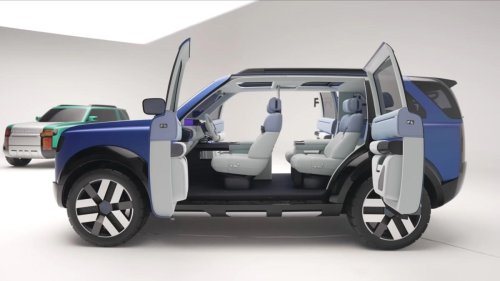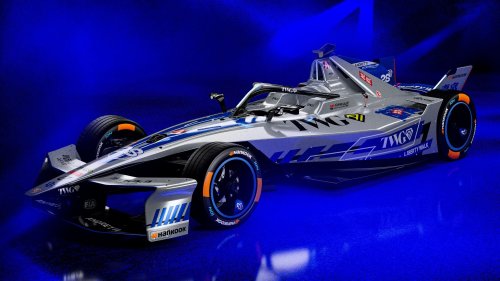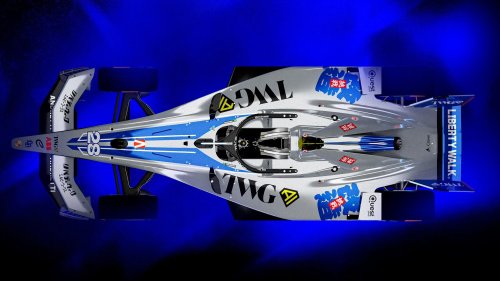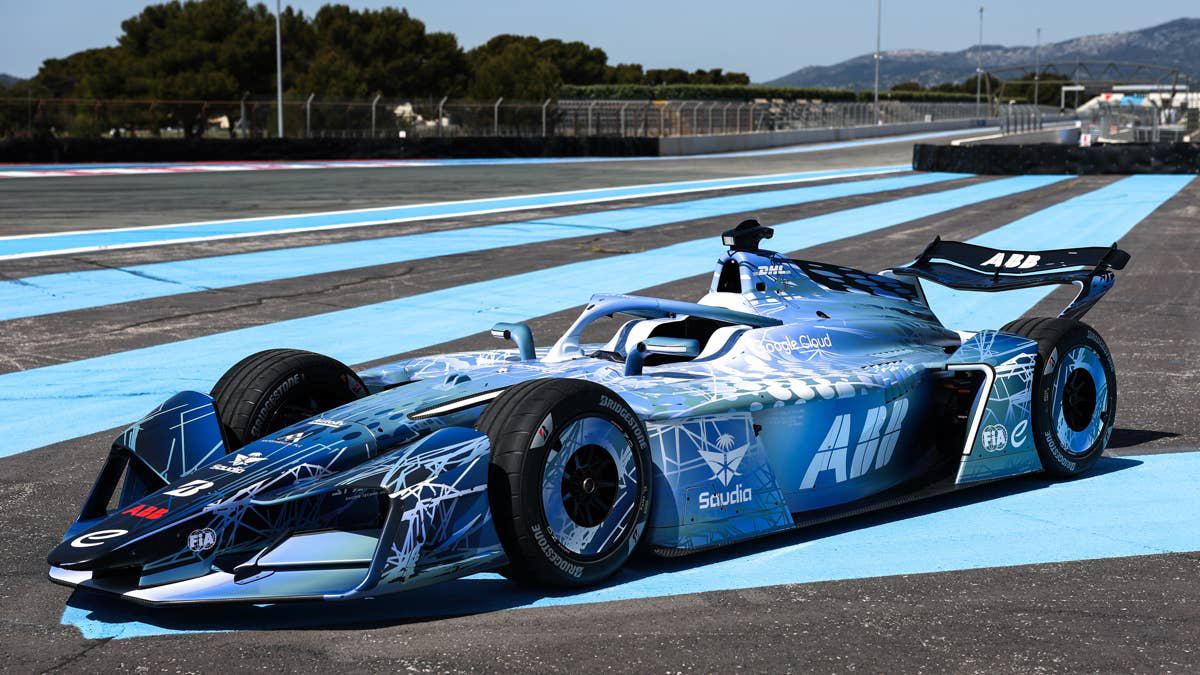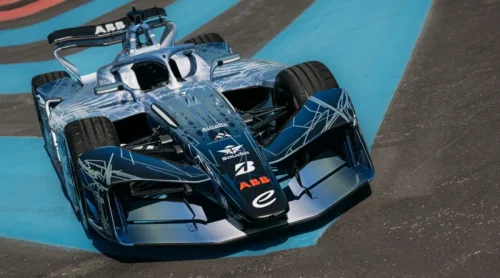
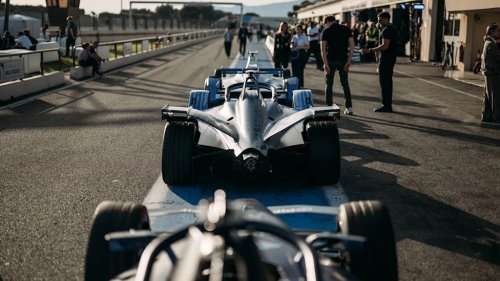
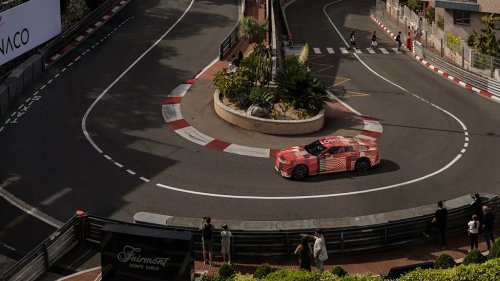
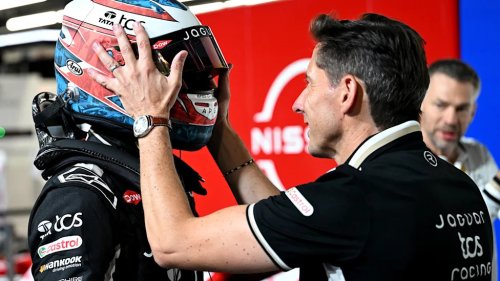



















When you buy through links on our articles, Future and its syndication partners may earn a commission.Credit: JaguarFormula E's new GEN4 racing car can accelerate from 0-62 mph in approximately 1.8 seconds, but the technology behind that performance could eventually help road-going electric cars become faster and more efficient.The permanent all-wheel-drive car produces up to 600kW, or approximately 815bhp, and recovers energy under braking at rates of up to 700kW.AdvertisementAdvertisementAlthough manufacturers do not develop the entire vehicle, they are responsible for areas including the electric motor, inverter, gearbox, differential and the software controlling them.These are also among the components with the clearest relevance to road-going EVs.GEN4: next level performance | Credit: Getty Images/Formula E"At the end of the day, the physics you're dealing with are identical," Jaguar TCS Racing team principal Ian James told me at the Tokyo E-Prix. "Whether you're racing on track or developing an electric vehicle for the road, the physics don't change."James describes the relationship as a two-way exchange, with engineers and technology moving between Jaguar's racing and production-car programmes.AdvertisementAdvertisementJaguar's forthcoming Type 01 provides a particularly tangible example. The company says its all-wheel-drive control software and fast-switching silicon-carbide inverters were informed by Formula E.An inverter converts the battery's direct current into the alternating current used by the electric motors. Improving its switching speed and efficiency can sharpen power delivery while reducing energy lost as heat.Jaguar also says Formula E knowledge has influenced the Type 01's regenerative braking, range and fast-charging capabilities.Chasing the final percentageThe challenge is that modern electric racing drivetrains are already exceptionally efficient. James puts Jaguar's current figure at approximately 97.5%, meaning less than 3% of the energy passing through the powertrain is lost before reaching the wheels.AdvertisementAdvertisement"The marginal gains we can make through future hardware development will probably begin to tail off," he explains. "When you're already in the high 90s, it becomes much more difficult to take the next step."Formula E's powertrain hardware is approved for two-year periods, but manufacturers can update their software between races and make adjustments during a race weekend.Software determines how efficiently the car deploys its available energy, controls regenerative braking, and manages power delivery across the front and rear axles.Type 01: learning curve | Credit: Jaguar"What underlines Formula E significantly is the work that goes into software," explains Nyck de Vries, who has raced in both Formula 1 and Formula E.AdvertisementAdvertisement"I would say it is far ahead of any other championship in terms of software development, because that's where we can find a small edge over our competition."FIA Formula E technical manager Vincent Gaillardot is careful not to claim that the championship invents every component it uses.Its role is often to take existing technology and operate it in conditions far beyond those experienced by a production vehicle.Mitch Evans of New Zealand and Jaguar TCS Racing and Ian James, Team Principal of Jaguar TCS Racing celebrate winning the team championship during the London E-Prix | Credit: Getty Images/Formula E"The aim of motorsport is to push everything to the limit," he says. "We use the cells and the battery in a territory completely outside mass-production usage."I'm not sure we say we are developing the technology. We show how far it can go."AdvertisementAdvertisementThat accelerated development environment may be Formula E's greatest value to road cars. Engineers can experiment, take risks and evaluate new ideas under the constant pressure of competition."Our learning is extremely fast in motorsport," James says. "Without Formula E, that development would slow down."The average EV will never require 815bhp or 700kW of regenerative braking, but learning to control that performance efficiently could help manufacturers make road cars that respond faster, travel further and waste less energy.Find out more about what the new GEN4 car is capable of at Formula E.