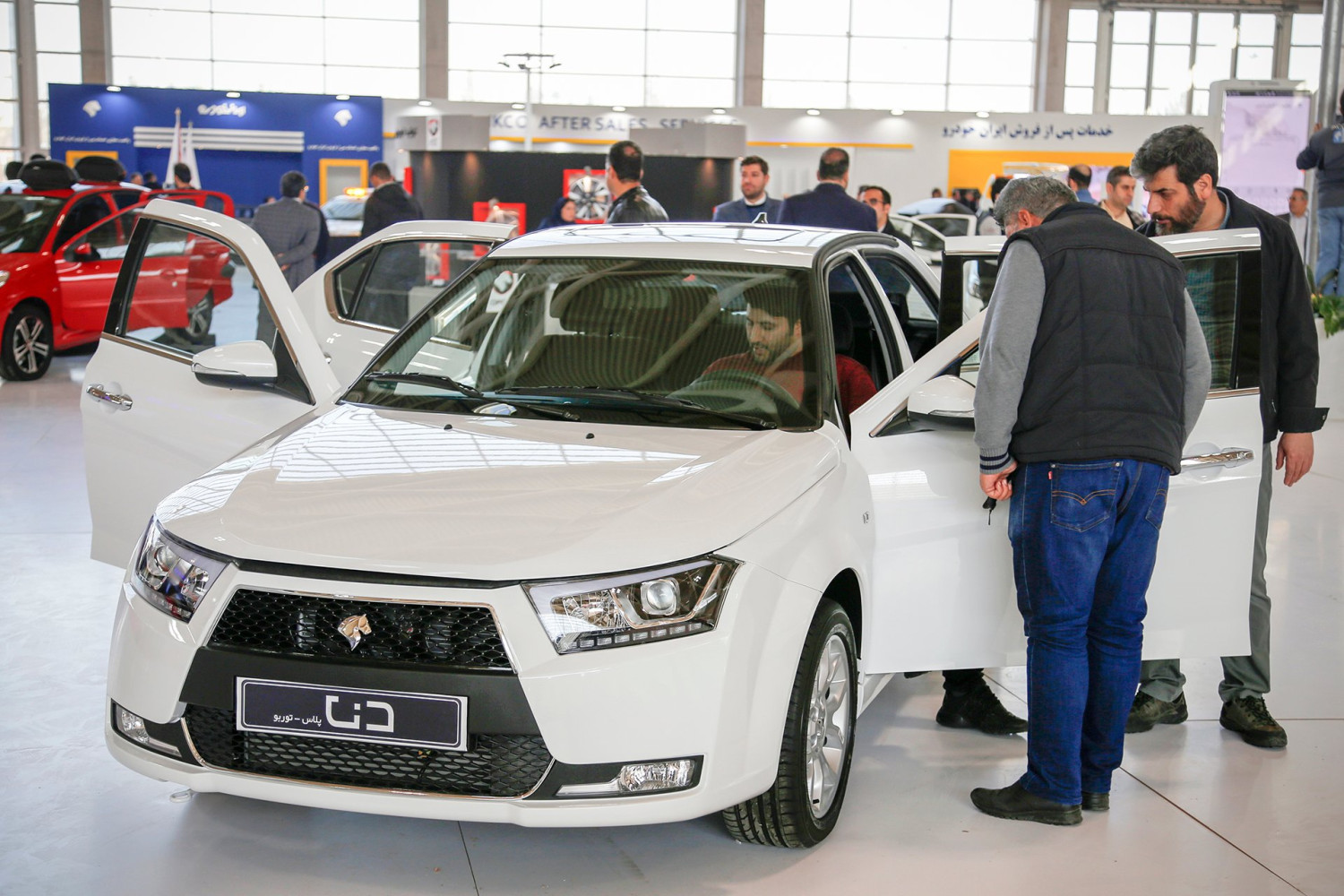
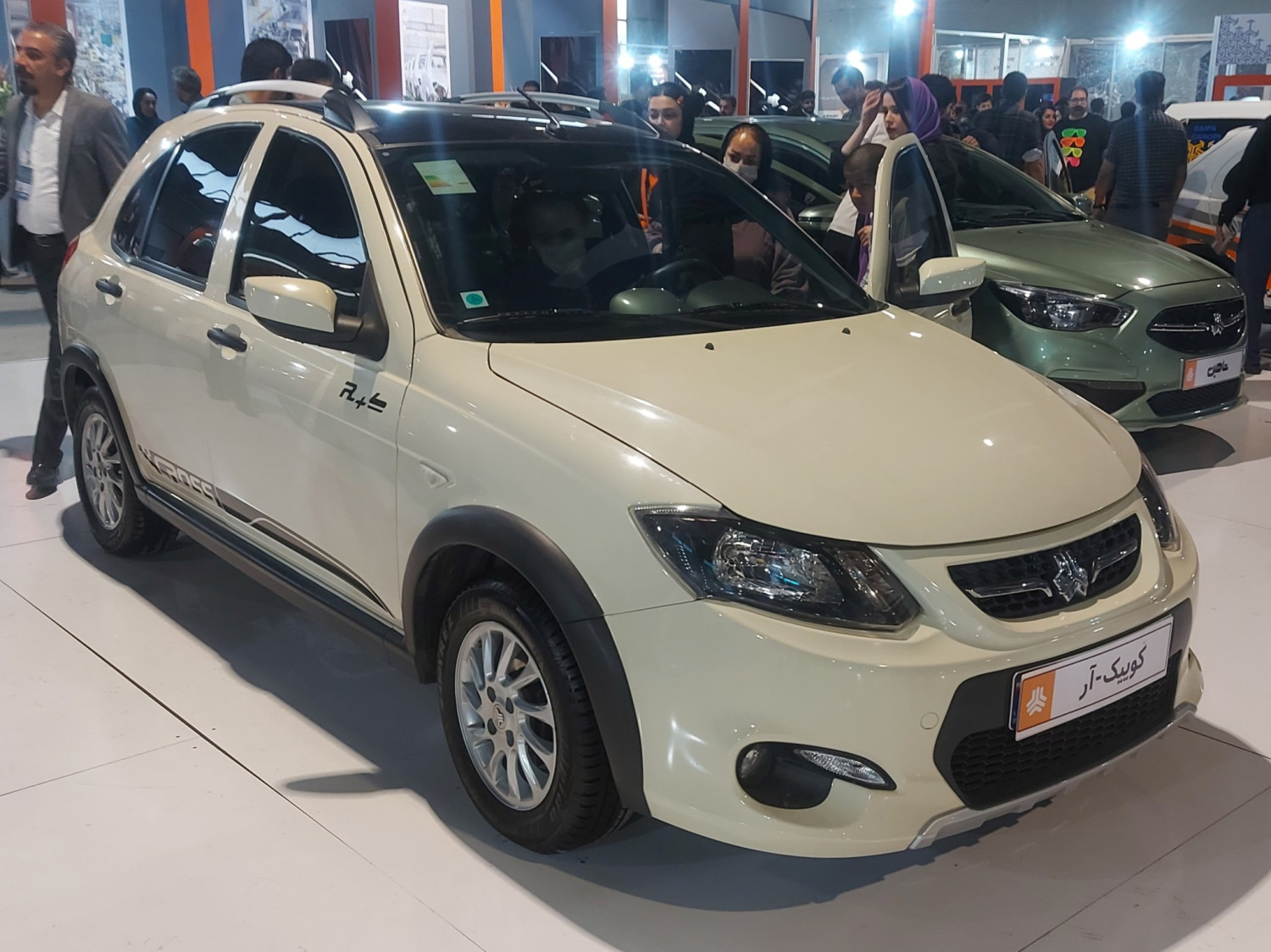


















It's tough to find images of Iranian cars. Here's a shot from the 2019 Tehran Auto Show. Rouzbeh Fouladi/NurPhoto via Getty Images) Key Takeaways Iran’s car market is a paradox. Despite low factory prices, inflation and import costs make cars unaffordable for many. State-run car lottery system. Iranians enter a lottery for the chance to buy cheap domestic cars at factory prices. Imported cars are exorbitantly priced. Import duties and taxes inflate prices by up to 200%, making them luxury items. Cars as financial assets. Due to inflation, cars in Iran are seen as safe investments rather than depreciating assets. ✦ AI assisted, editor reviewed The ongoing war that the US and Israel are waging against Iran has obviously spiked fuel prices here in America. But Iranians contend with an even harsher reality when it comes to car ownership—vehicles are straight-up unaffordable for most, even though the country makes its own cars that sell dirt-cheap by our standards. Imports, on the other hand, are priced like supercars. Iran has a sizable automobile industry, subsidized by the state, with a bunch of domestic brands. The major players, in no particular order, are Iran Khodro, Saipa Corporation, Pars Khodro, Modiran Vehicle Manufacturing, Bahman Motor, and Kerman Motor. Another big one is Zamyad, a Saipa subsidiary that makes a licensed version of the 1970s Nissan Junior pickup truck. Then there’s Farda Motors, which basically licenses and manufactures Chinese designs. Analyst outfit Mordor Intelligence reports that the dollar value of Iran’s car biz in 2026 is “estimated at $45.38 billion” and projected to be over $70 billion by 2031. Iranians also have access to some new imports like Toyotas and some Chinese OEMs like Chery, while there are still some older overseas vehicles like Peugeots kicking around. There are also foreign brand names (including Peugeot) manufactured in Iran. But “access” is generous. Only a handful of state-linked companies and middlemen are actually allowed to bring cars in, and between import duties and VAT, the final sticker can balloon by up to 200 percent, according to an Al Jazeera report from mid-September. So despite a fairly long list of domestically produced models and a few from other countries, actually buying a car is pretty much impossible for many people in Iran due to the runaway cost of living and inflation there. The same Al Jazeera story highlights specific anecdotes of what the economics of car ownership look like in Iran right now. The publication spelled out the situation of one modest-income Iranian office worker, and it sounds pretty grim. They say the guy’s driving an “old manual Peugeot 206,” and estimate he could sell it for about 10 billion rials ($4,350). But a meaningful upgrade to an automatic Peugeot 207 “could cost him 28 billion rials ($12,170).” That means, after selling his old car, he’d have to spend “more than 20 months of his entire salary” to trade up. And he’d still be in an old Peugeot. For context, Al Jazeera also published the prices of some other vehicles in Iran: “A domestic sedan Shahin model costs more than 31 billion rials ($13,480), and a crossover Reera is priced at more than 43 billion rials ($18,700) … a 2026 Toyota Land Cruiser VXR [is] going for approximately 660 billion rials ($287,000) in Iran at the moment, while the same model is available for about $86,000 in the UAE.” Prices are tough to track because of how unstable Iran’s money is, but as I’m writing this, you could theoretically get a Saipa Quick S, an 87-horsepower econobox based on the old Kia Pride platform, for about the equivalent of $4,300 if you’re lucky enough to win the state’s car lottery. It’s tough to find official imagery from Iran’s car market—the Sapia official website wasn’t working while I was writing this story. Here’s a CC image somebody took of a 2022 Sapia Quick R+ at a show. قندون It sounds like a truly bizarre market—the cheapest cars cost way less than anything on the market here, but nobody can afford them because inflation is out of control. Meanwhile, imported vehicles cost more than twice what they do in neighboring countries. A high-feature Land Cruiser is a nice rig, but a price of over a quarter million USD makes it functionally unobtainium in a place where people are struggling to scrape together $12,000 for an old sedan. On top of all that, Iran’s car market has a kind of two-column pricing system where there are what are known as “factory lottery prices” and “open market” prices. Factory lottery prices are set by the government—and they’re super low, below market rates, to keep cars “statistically affordable.” Because of this artificial high-demand and low-price situation, Iran has a national car lottery system to decide who gets a steal of a deal on cars. Iranian citizens register online (often having to front money) to basically enter a raffle for the privilege of buying a cheap Iranian car. But, of course, there’s also a secondary open market. The open market rate is wildly different because actual demand for cars is crazy high. Since the value of Iranian money is low and worsening, Iranians don’t see cars as depreciating assets. In fact, they’re more like financial safe-havens like gold or foreign currency. We sometimes hear about classic collector cars as investments in the US, but in Iran, even a modest econobox can actually be an inflation hedge. That’s how wacky the Persian nation’s market is. I’m no economist, but the pitfalls of such a system seem pretty obvious. People can grab cars off the lottery and instantly sell them at a huge markup. Ordinary buyers get screwed because their chance of winning such a lottery is low. Meanwhile, the automakers lose out too because they have to sell way below what people would be willing to pay. And the war has exacerbated the problem. Al Jazeera reports that “Domestic car prices have mostly risen 40 to 80 percent since the start of the war, while some vehicles sell for more than 130 percent of their September 2025 costs.” That same article also talks about how much the price of parts has gone up, putting those who count on cars to get around in a real bind. I hate the saying “it could be worse,” because, yes, everything could always be worse. But as far as car life goes, many Iranian people are facing a lot more hardships than expensive fuel.