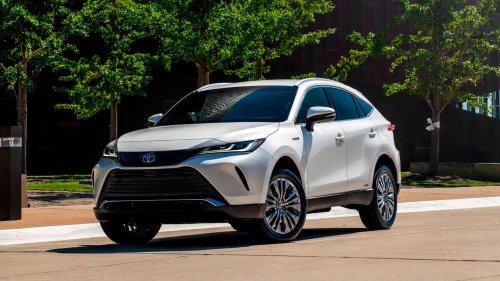
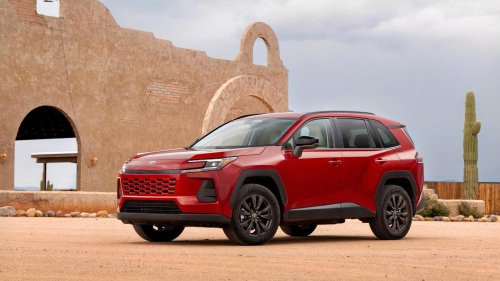
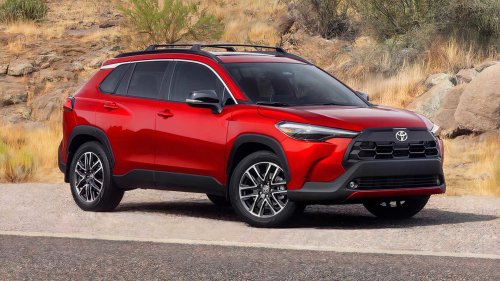
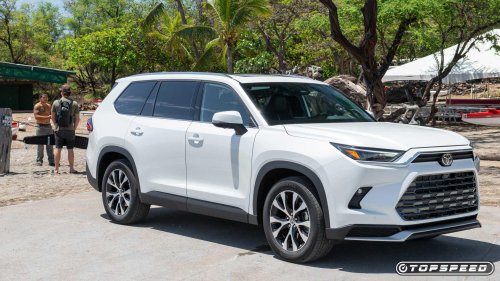
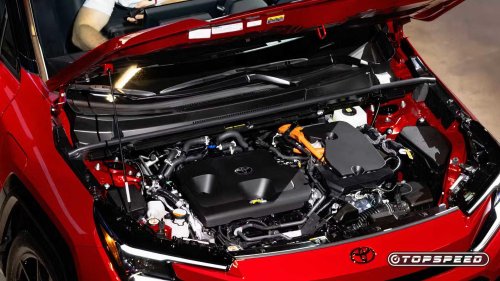
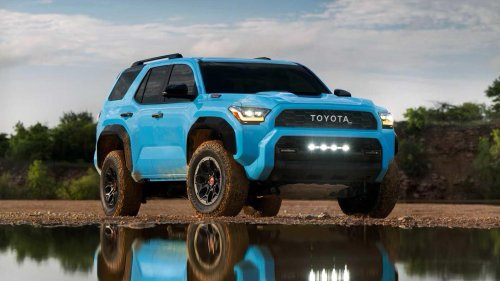
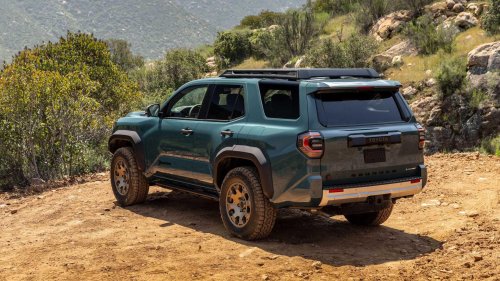
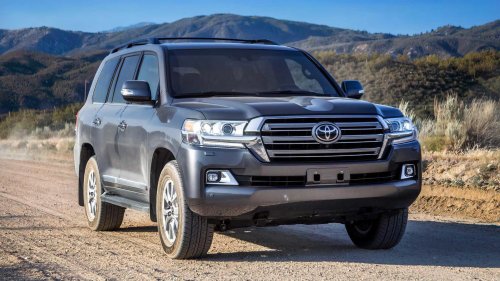
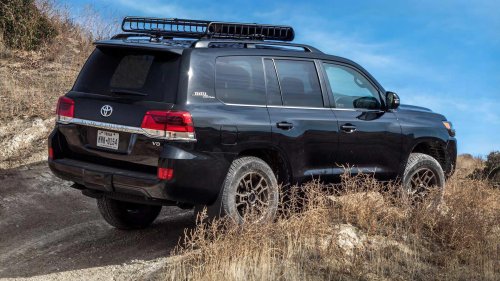
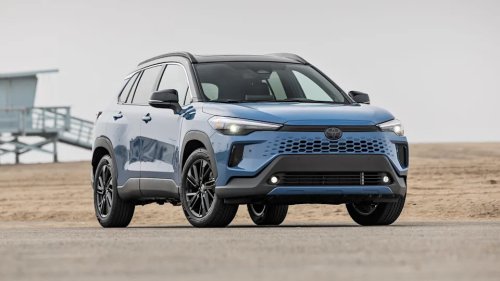
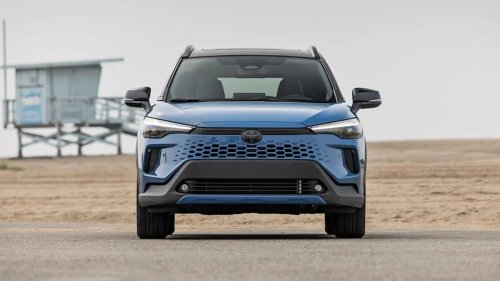
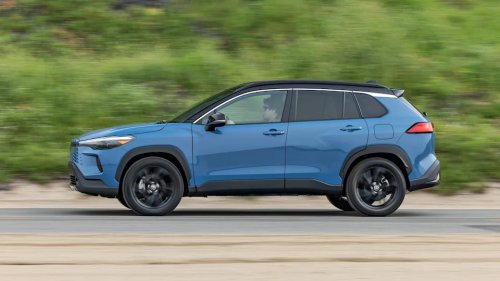
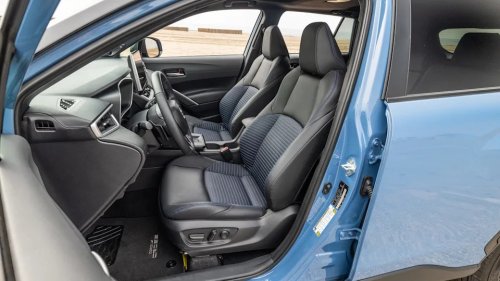
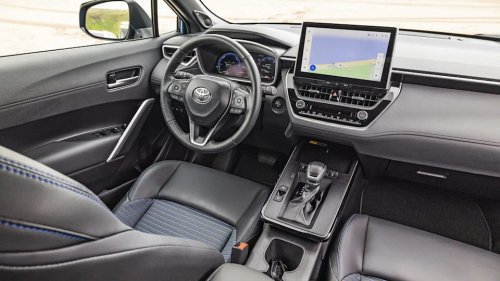
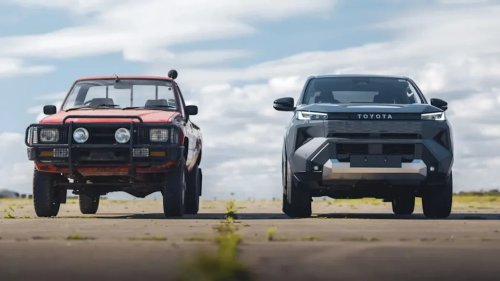
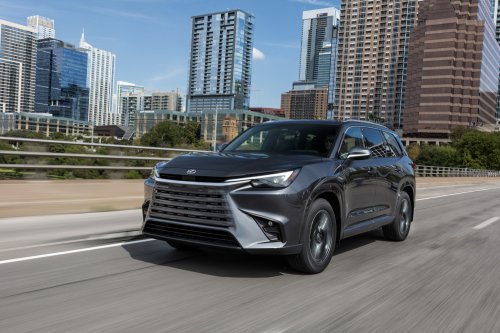
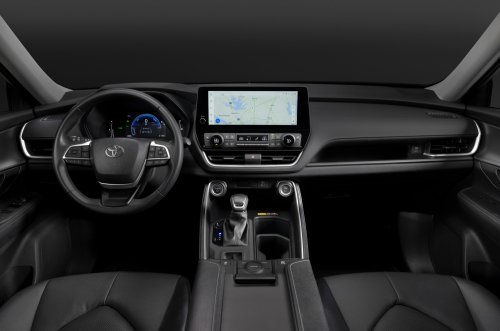
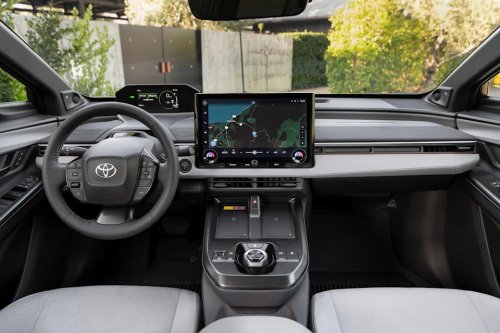
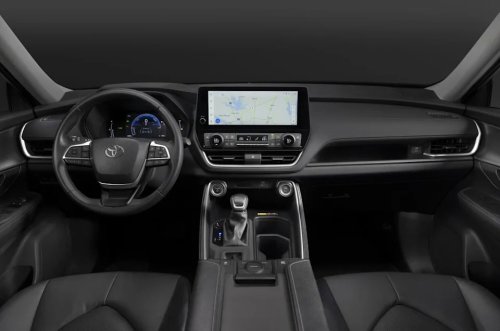
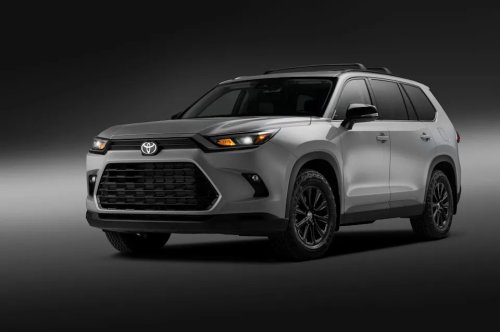
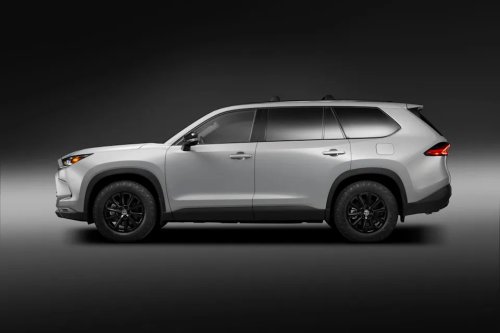
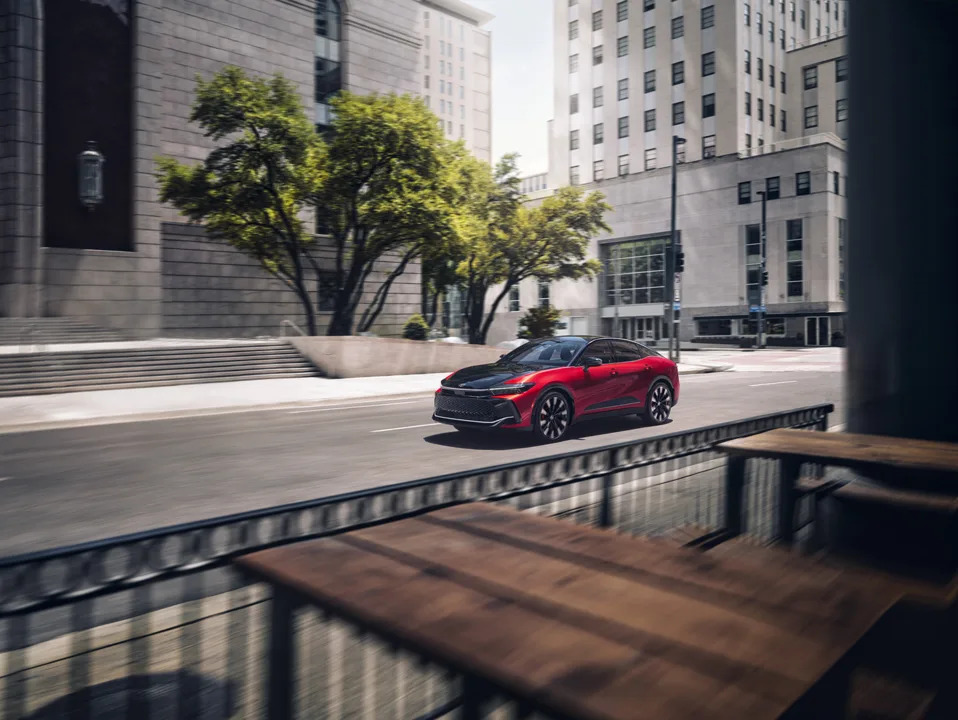
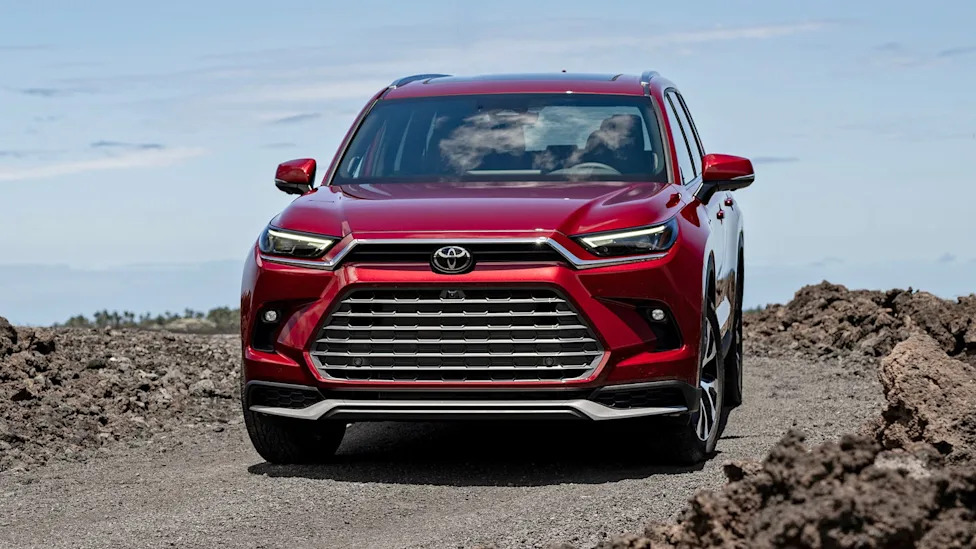
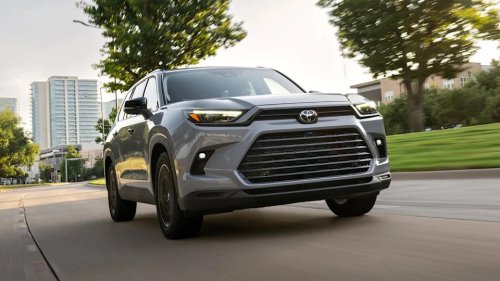
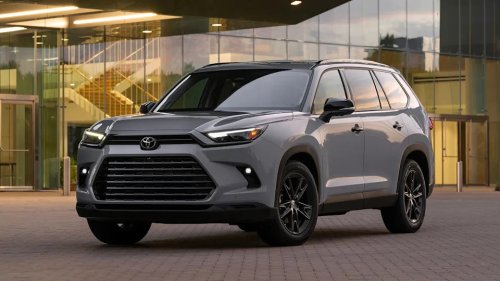
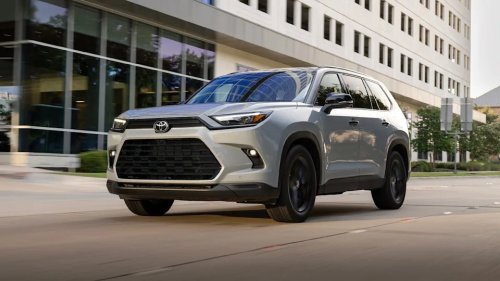
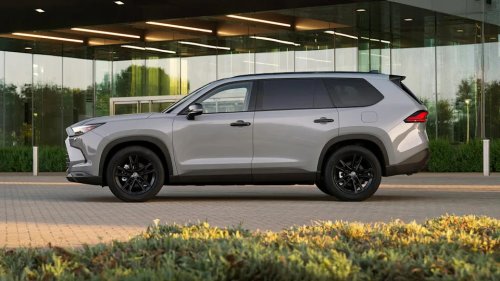
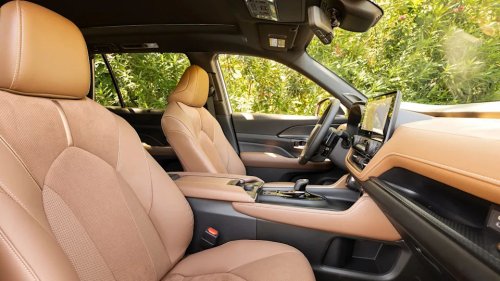
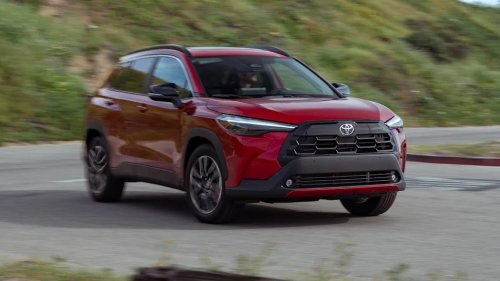
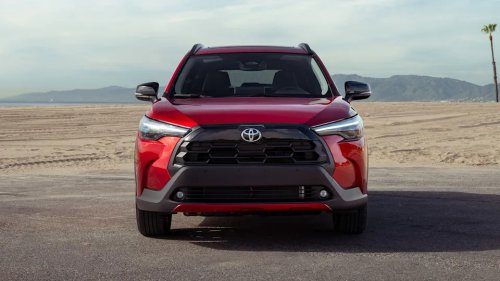
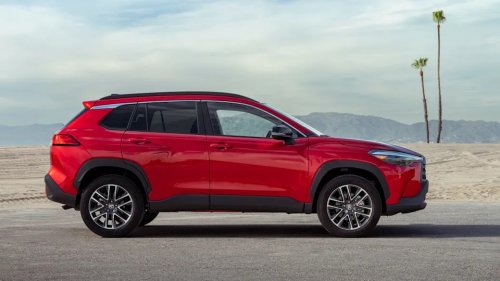
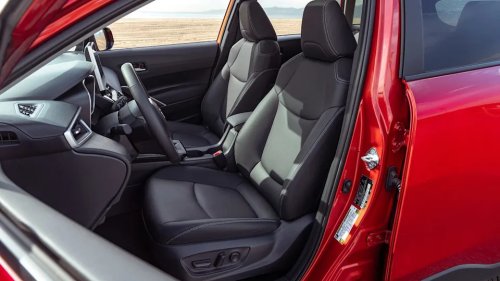
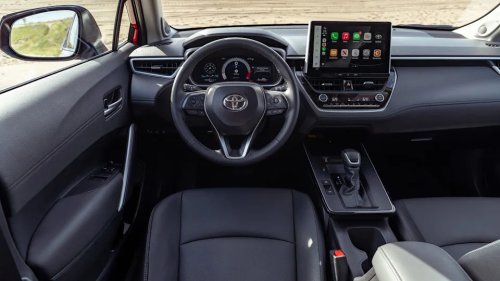
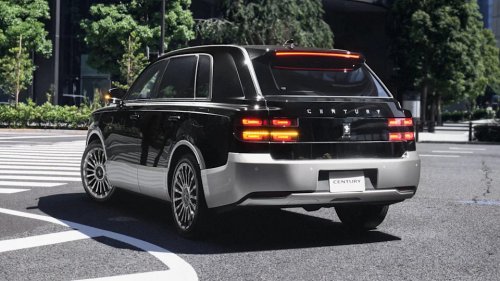
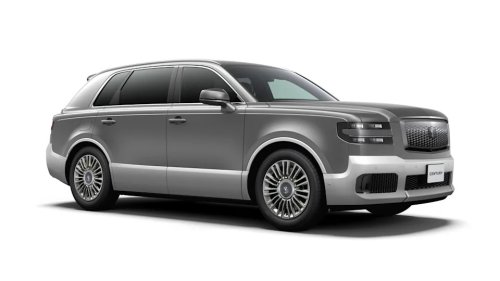
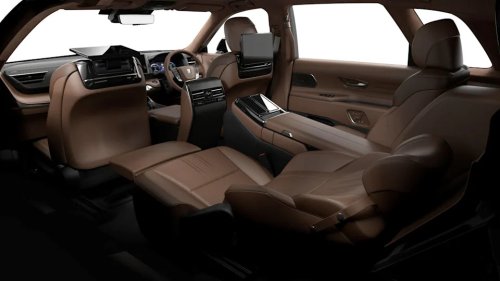
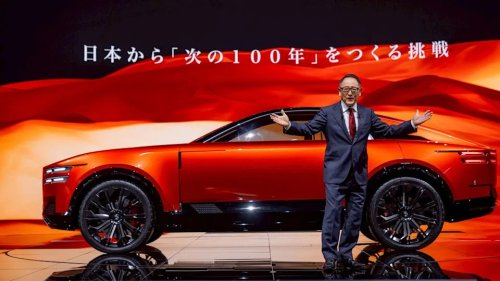
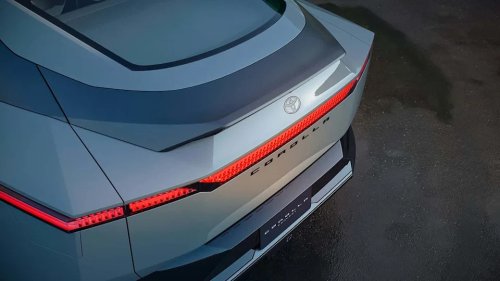
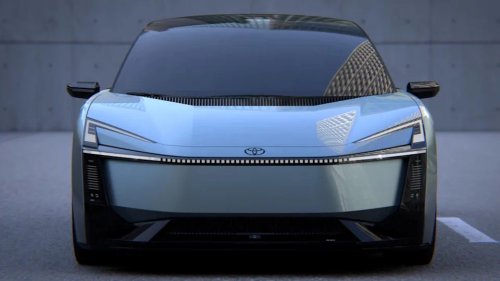
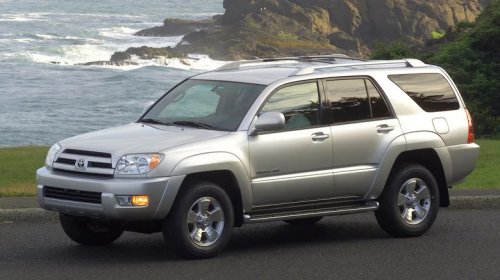
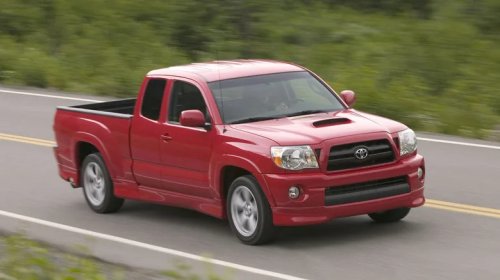
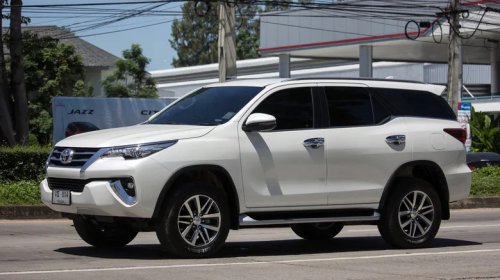
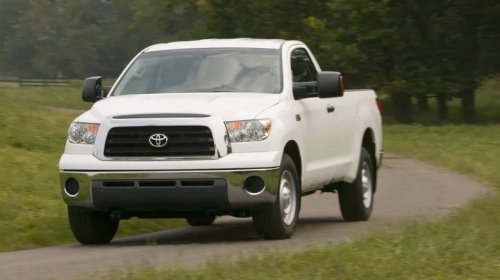
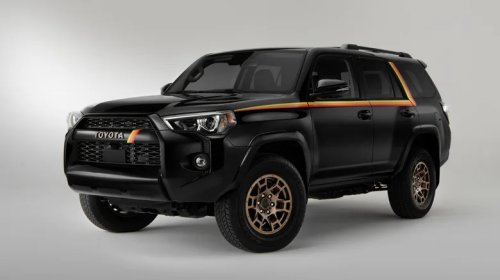
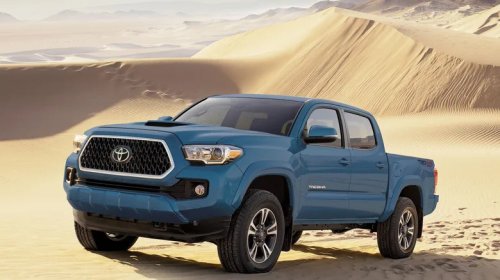
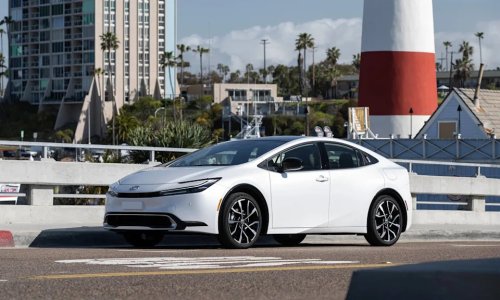
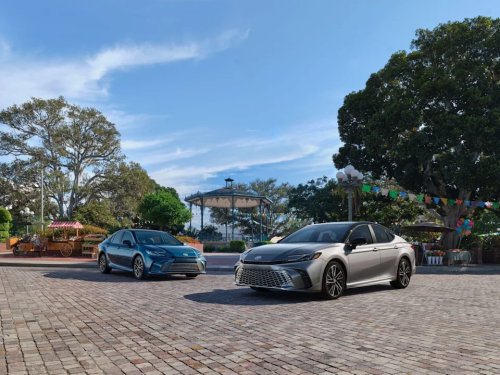
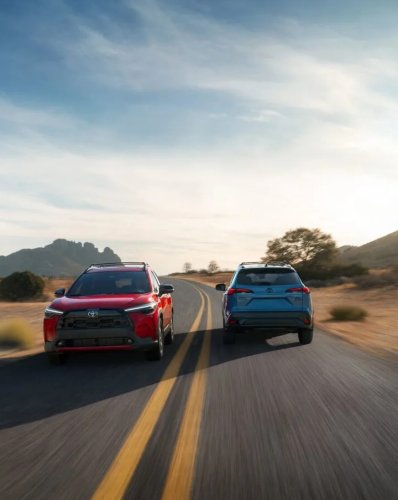
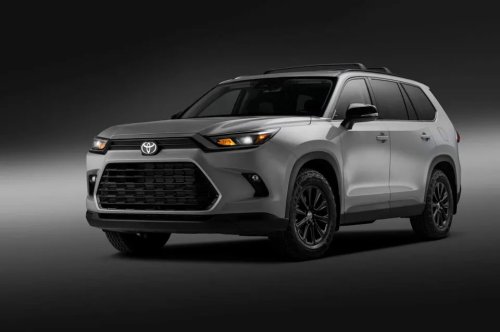
In today’s hyper-competitive SUV market, brand loyalty is supposed to be fading. Buyers have more choices than ever, from tech-forward newcomers to legacy automakers reinventing themselves with bold designs and electrified platforms. And yet, one brand continues to quietly dominate the conversation—Toyota.What’s remarkable isn’t just Toyota’s sustained success, but how often it wins over buyers who initially had no intention of considering it. Shoppers drawn to more stylish, more powerful, or more feature-packed alternatives frequently find themselves returning to Toyota showrooms. The reason isn't a single standout feature; it's a combination of qualities that align closely with real-world needs.Toyota SUVs don’t try to be everything to everyone. Instead, they focus on getting the fundamentals right: reliability that stands the test of time, efficiency that reduces running costs, interiors designed for everyday usability, and resale values that protect long-term investments. In a market increasingly driven by trends, Toyota’s formula remains refreshingly grounded. And that, more than anything, explains why so many buyers keep coming back, even when they thought they wouldn’t. The Reliability Reputation That Keeps Outlasting Flashier Rivals Toyota There’s a reason buyers who once swore allegiance to flashier brands often find themselves circling back to Toyota. It’s not because Toyota builds the most exciting SUVs on paper. It’s because, time and time again, they build the ones that simply refuse to quit. Over decades, Toyota has cultivated a reputation rooted in durability rather than drama. Models like the Toyota RAV4 and Toyota Land Cruiser have become benchmarks for long-term dependability, frequently surpassing 200,000 miles with routine maintenance. This isn't accidental; it's the result of a deeply ingrained engineering philosophy that prioritizes proven components over untested innovation.Toyota While rivals chase cutting-edge tech or aggressive performance gains, Toyota tends to refine existing systems until they’re virtually bulletproof. Naturally aspirated engines, conservative turbocharging strategies, and robust hybrid systems all contribute to lower failure rates and predictable ownership costs. For many buyers, especially those burned by costly repairs from other brands, reliability isn't just a perk—it's the deciding factor. And Toyota’s ability to consistently deliver vehicles that hold up under real-world stress is what keeps pulling them back. Why Toyota’s Conservative Design Still Wins Real-World Buyers Toyota In an era where SUVs are becoming increasingly stylized, Toyota’s design philosophy can seem almost restrained. But that restraint is exactly what resonates with a huge portion of the market. Take the Toyota Highlander or Toyota Corolla Cross. Neither is designed to shock or polarize. Instead, they aim for timeless appeal: clean lines, functional proportions, and interiors that prioritize usability over gimmicks.This conservative approach extends inside the cabin. Physical controls are still widely used for key functions, infotainment systems are intuitive rather than experimental, and materials are chosen for durability as much as aesthetics. While some competitors lean heavily into touch-sensitive everything, Toyota recognizes that real-world drivers value ease of use, especially over long ownership periods.Amee Reehal | TopSpeed There’s also a strategic advantage here. Bold, trend-driven designs can age quickly, making vehicles feel outdated within a few years. Toyota’s more understated styling tends to age gracefully, which not only benefits long-term owners but also plays a significant role in resale value. Ultimately, Toyota understands something many automakers overlook. Most buyers don't want their SUV to make a statement; they want it to make sense for daily life. Hybrid Efficiency Meets SUV Practicality And Thoughtful Design Chris Chin | TopSpeed If reliability built Toyota’s reputation, hybrid technology has helped future-proof it. Long before electrification became an industry buzzword, Toyota was perfecting hybrid systems that now define its SUV lineup. Models like the Toyota RAV4 Hybrid and Toyota Venza strike a balance that many competitors still struggle to achieve—impressive fuel economy without compromising usability. These aren't niche eco-focused vehicles; they're fully functional SUVs that just happen to be far more efficient.Toyota Toyota’s hybrid systems are also engineered with the same conservative mindset as its gasoline engines. Rather than pushing for maximum output, they prioritize longevity and seamless integration. The result is a driving experience that feels natural, with smooth power delivery and minimal complexity from the driver’s perspective. Beyond efficiency, Toyota’s SUVs are designed with practicality in mind. Cargo spaces are thoughtfully shaped, rear seats fold flat without awkward steps, and visibility remains a priority, something increasingly rare in modern cars. Resale Value Strength That Locks In Long-Term Loyalty Toyota One of Toyota’s most powerful, yet often underestimated, advantages is its resale value. Vehicles like the Toyota 4Runner and Toyota Tacoma (while technically a truck, it shares the same platform) consistently rank among the best in the industry for retained value. This isn't just a nice bonus; it fundamentally changes the ownership equation. A vehicle that holds its value well effectively reduces the true cost of ownership, even if the initial purchase price is higher than some competitors.Toyota There are several reasons behind this. First, Toyota’s reputation for reliability directly boosts demand in the used market. Buyers are willing to pay a premium for a vehicle they trust will last. Second, the brand’s conservative approach to updates means older models don’t feel obsolete as quickly. And third, supply often struggles to keep up with demand, especially for popular models.For new buyers, this creates a sense of financial security. Even if they plan to keep the vehicle for years, it’s reassuring to know it will still be worth a significant amount down the line. This strong resale performance doesn’t just attract buyers, it keeps them. Once you’ve experienced how much value a Toyota retains, it’s hard to justify switching to a brand that depreciates faster. The Ownership Experience That Turns First-Time Buyers Into Repeat Customers Toyota Beyond the vehicles themselves, Toyota has mastered something many automakers struggle with: the ownership experience. From dealership interactions to maintenance costs, Toyota ownership tends to be refreshingly straightforward. Service intervals are predictable, parts are widely available, and repairs, when needed, are generally less complex than those of more technologically aggressive competitors. This simplicity builds trust. First-time buyers who may have taken a chance on Toyota often find themselves surprised by how stress-free ownership can be. There are fewer unexpected issues, fewer costly surprises, and a general sense that the vehicle is working with you rather than against you.Toyota Toyota’s extensive SUV lineup also plays a key role here. Whether it’s the compact Toyota C-HR, the family-focused Highlander, or the rugged Land Cruiser, there’s a clear progression within the brand. As buyers’ needs evolve, they can move up or across the lineup without leaving the ecosystem they’ve come to trust. This continuity fosters loyalty in a way that flashy features simply can’t. Buyers aren't just choosing a vehicle; they're choosing a long-term relationship with a brand that consistently delivers on its promises.Sources: Toyota U.S., Consumer Reports & iSeeCars