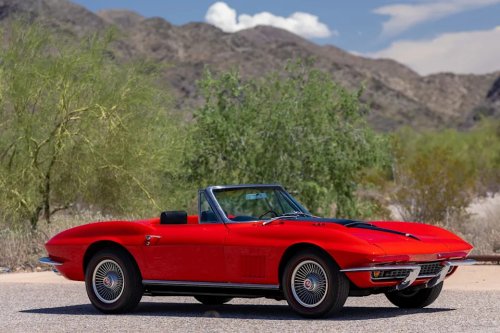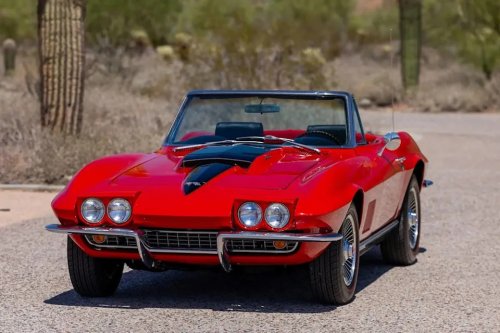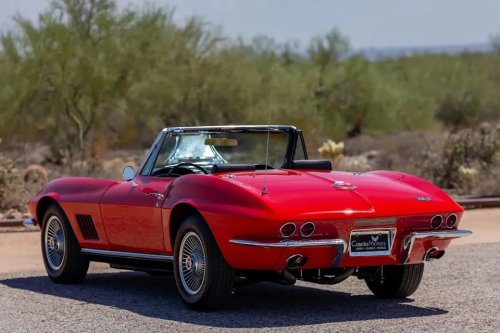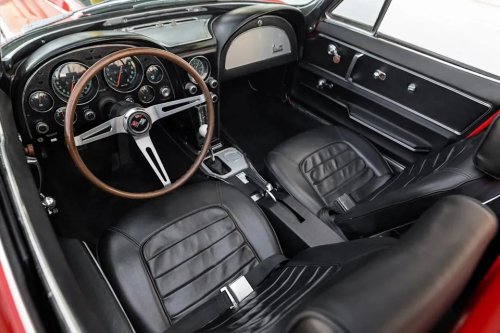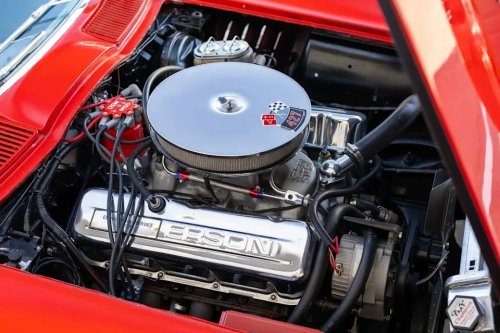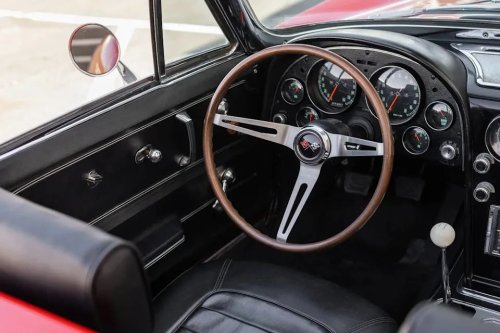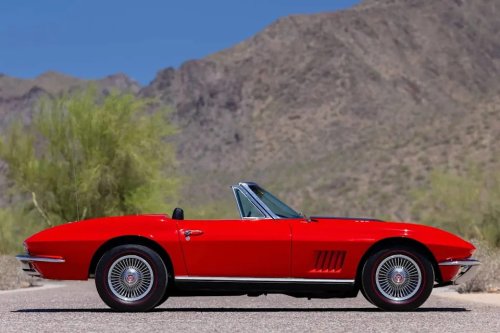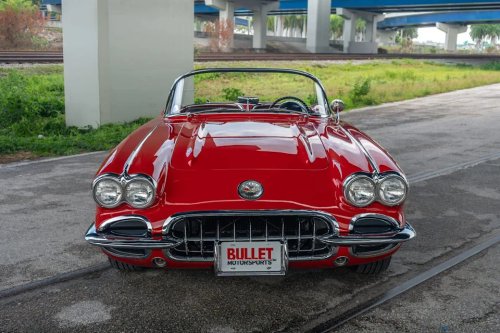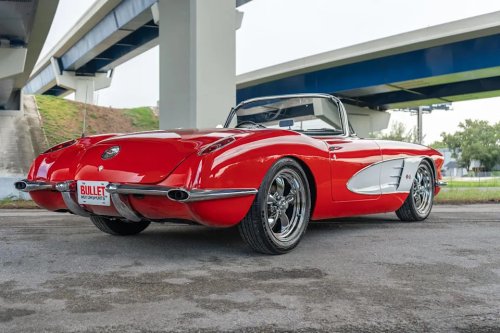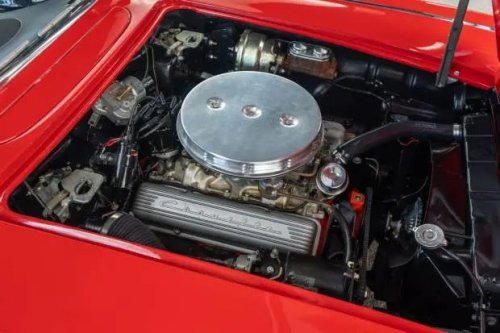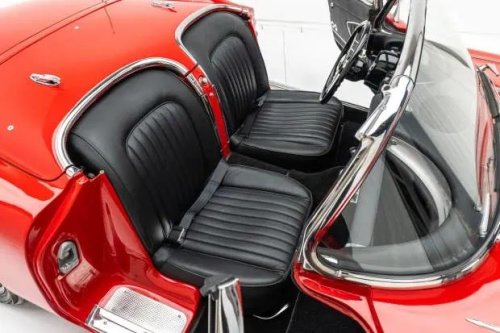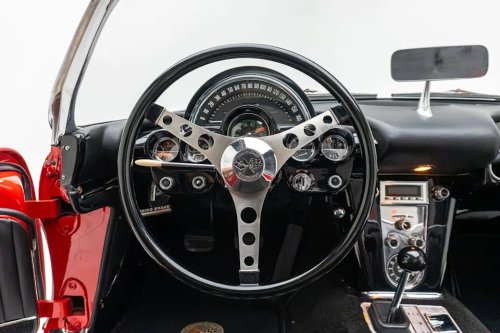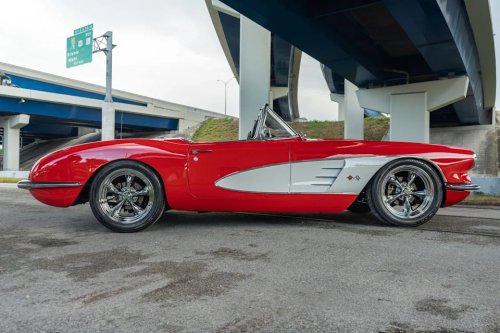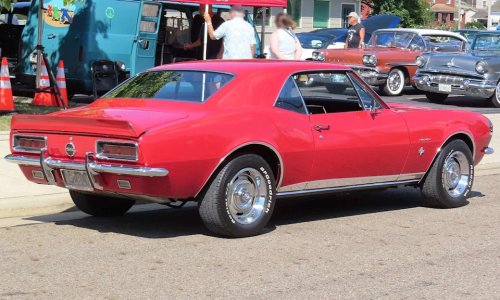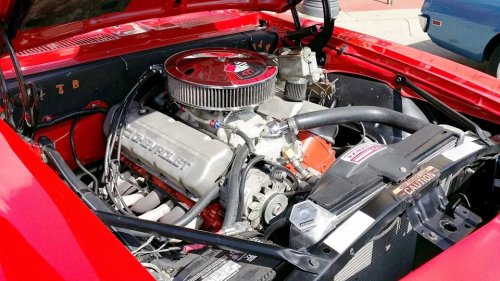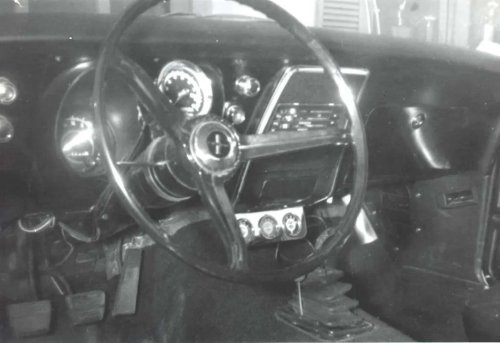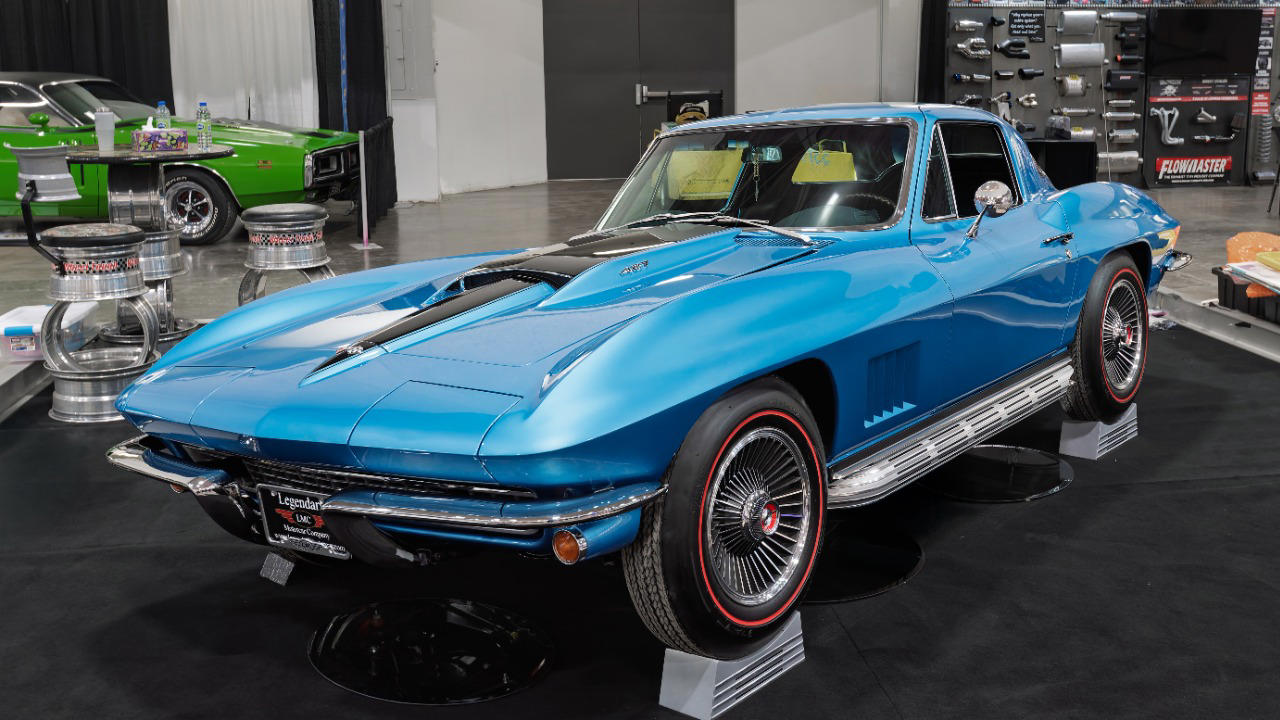



















Why the 1967 Chevrolet Corvette 427 scared everythingThe 1967 Chevrolet Corvette 427 arrived as a street car that behaved like a pit-lane escapee, a machine engineered less for commuting than for intimidation. Its big-block power, sparse comforts, and racing pedigree combined to unsettle rivals, regulators, and even some of its own buyers. In its most extreme L88 form, this Corvette pushed the polite idea of a sports car toward a barely contained competition weapon, which is why it still casts such a long, slightly menacing shadow over American performance culture. From stylish Stingray to blunt instrument The second-generation Stingray had already reset expectations with its fiberglass body, hidden headlights, and sharp lines, and by 1967 the shape was familiar but still aggressive. Contemporary descriptions of the Stingray emphasize how radical that body had been only a few years earlier, with its all-new fiberglass form and retractable lights. Under that familiar skin, however, the 1967 model year hid a very different character. Chevrolet made the 427 cubic-inch big-block the centerpiece of the range, turning what had been a stylish sports car into a blunt-force performance tool. The 427 as the final hammer The 427 cubic-inch V8 was not new to the Corvette, but by 1967 it had become the defining element of the car’s personality. One detailed account describes the 427 as the hammer that delivered Corvette’s final blow in the horsepower wars, calling the big-block brutal, uncompromising, and barely streetable. Buyers could order this displacement in several states of tune, including Tri-Power setups rated at 400 and 435 horsepower that used three two-barrel carburetors to feed the big engine. One period description of the 1967 Corvette notes optional 400 and 435 horsepower 427 cubic inch engines, each with Tri Power carburetion, and characterizes the top version as among the most powerful engines ever offered in a regular production car. Owners who experienced these 427 Tri-Power cars recall them as ferocious yet still barely manageable on the street. One driver who later shared his experience of a 1967 Corvette 427 with 3×2 carburetors and 435 horsepower remembered working at a Ford plant and still being drawn back to the Corvette, describing the combination as a handful but addictive. L88: the factory race car with plates If the regular 427s were intimidating, the L88 option was something closer to corporate mischief. Internal documents and later technical summaries describe the 1967 Chevrolet Corvette L88 as a pure racing engine that happened to be legal for street registration, created under the guidance of Zora Arkus-Duntov to give professional teams a factory-built endurance weapon for events like Le Mans and Sebring. The L88 used a high-strength iron block with four-bolt mains, high-flow aluminum heads, and a compression ratio listed as 12.5 to 1. One technical overview of the Chevrolet Corvette L88 notes that this 12.5 compression required 103-octane racing fuel and relied on a radical solid-lifter camshaft, an 850-cfm Holley carburetor, and a special cowl-induction air cleaner. Chevrolet officially rated the L88 at 430 horsepower, which made it appear only marginally stronger than the friendlier L71 Tri-Power 427. Yet contemporary and later assessments agree that the real output was well over 500 horsepower in stock form, a figure that placed the car in another league entirely. To keep this weapon in the hands of racers, Chevrolet used subtle deterrents. The L88 package deleted the radio and heater, and it carried warnings about fuel requirements that would have made everyday use nearly impossible in an era when 103-octane fuel was not available at every station. Scarcity, myth, and modern money Chevrolet also limited the L88 by simple scarcity. A period fiberglass fact notes that in 1967 only 20 RPO L88 427 engines were built, each advertised at an underrated 430 horsepower, a combination that has helped make them some of the most expensive Corvettes ever. That scarcity now translates directly into eye-watering auction results. Market data for the 1967 Chevrolet Corvette 427 L88 shows that the highest recorded sale reached $3,200,000 for a 1967 Chevrolet Corvette 427 L88 Coupe, a figure that underlines how the Chevrolet Corvette L88 has moved from feared street car to blue-chip collectible. Specialists and enthusiasts now refer to the 1967 L88 as one of the rarest Corvettes ever built. Video features that spotlight what one presenter calls The CRAZIEST and RAREST Corvette Ever Made treat the 1967 L88 as a kind of holy grail, using the Corvette as shorthand for extreme factory engineering. Even outside the L88 circle, the 1967 big-block cars have become family heirlooms. One account follows a 1967 Corvette 427 Tri-Power that stayed with a single owner for fifty years before passing to his son, emphasizing how the Corvette had become both a treasured object and a reminder of just how raw the 427 experience was. Why it scared everything The 1967 Corvette 427 frightened competitors because it delivered race-car power in a package that a determined privateer could buy off a showroom floor. With 400, 435, or the underrated 430 horsepower of the L88, the car arrived at drag strips and road courses with more engine than most rivals could match. It unsettled casual drivers because the car demanded real commitment. Commentators have described how cruising an L88 in town would quickly foul spark plugs, and how the solid lifter cam and fuel needs made it miserable in traffic. A feature on early Corvettes recalls that if an owner liked to cruise with an L88, the plugs would foul fast and 103-octane fuel was not available at every station, which meant the car punished anyone who tried to treat it as a normal daily driver. Regulators and safety advocates had reasons to be wary as well. A fiberglass-bodied two-seat car with more than 500 real horsepower, limited driver aids, and drum brakes still common on many roads represented a level of performance that far exceeded contemporary infrastructure and enforcement. Even Chevrolet seemed slightly afraid of its own creation. The company’s decision to underrate the L88 at 430 horsepower, to strip out comforts, and to bury the option behind coded order sheets suggests an awareness that this was too much car for most people. A modern account of the L88 notes that in 67 it was basically a factory-built race car with plates and that only a couple dozen were ordered because it was, in the writer’s words, too much car for most buyers. The 1967 Corvette 427 therefore scared everything around it for different reasons. It scared rival manufacturers by raising the bar for production performance. It scared some owners with its noise, heat, and unforgiving manners. It even scared its maker into disguising its true capability, a corporate admission that the car had crossed a line between road car and racing machine. Yet that fear has aged into fascination. The same qualities that once made the 1967 Corvette 427 seem excessive now make it a benchmark for authenticity in performance cars, a reminder of a brief moment when a manufacturer let engineering ambition outrun caution and created a machine that felt, and still feels, slightly dangerous. More from Fast Lane Only Unboxing the WWII Jeep in a Crate 15 rare Chevys collectors are quietly buying 10 underrated V8s still worth hunting down Police notice this before you even roll window down