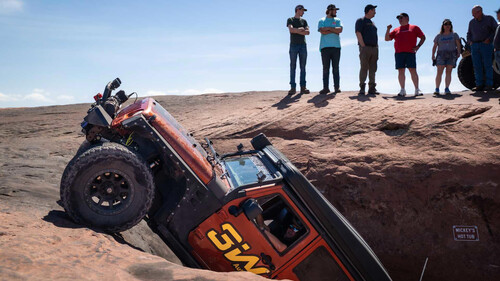
The underside of a Ford F-150 Raptor with a large silver skid plateThe world of off-roading is full of exciting experiences, but it's also full of food for thought. A familiar discourse in off-road circles often questions the necessity of skid plates. Some folks worry that these plates can trap heat and force your vehicle to run hotter than what's ideal, while others think factory splash guards are good enough and skid plates are too specialized. They're worthy concerns, but they're not entirely correct. The full picture is more useful.A proper skid plate is a solid modification. Built from thick metal rather than lightweight plastic, these plates are designed to take impacts that would otherwise reach components that cost thousands of dollars to replace. The plate either absorbs the force or redirects it away from expensive parts. Most skid plates also don't contribute to serious overheating issues.Skid plates typically fall into three material tiers, characterized by their thickness and resistance to the elements. Your standard steel plates are typically ⅛ inches thick or ³⁄₁₆ inches thick, and both offer solid protection at reasonable costs because of steel's easy fabrication process.Naturally, the ³⁄₁₆-inch steel has some added toughness for serious rock terrain and harder, more frequent impacts. Aircraft-grade aluminum lands in a different category entirely. This material is lighter than the latter two while being naturally resistant to corrosion — though it's harder to manufacture, more expensive, and can only take so much damage before bending. Debunking common myths of skid platesA JL Jeep Wrangler with an aftermarket ASFIR skid plate.Do skid plates cause overheating? In most normal situations, a skid plate is unlikely to cause serious overheating issues. However, you can further reduce the chances of overheating problems by investing in a custom skid plate. The cost of custom plates may be greater, but they help reduce overheating, thanks to increased ventilation. Heat is a more pressing concern when using plastic skid plates, which cannot conduct the heat as well as steel or aluminum and could melt if exposed to extreme temperatures.Is the plastic cover under your truck already a skid plate? Factory vehicles often come with thin, plastic underbody panels such as splash guards for day-to-day use, while some off-road-specific models like the beefy 770-horsepower Ram 1500 TRX come stock with true skid plates. A run-of-the-mill splash guard offers little meaningful protection to the engine, oil pan, transmission, and everything else that sits just above it, especially if you're doing any off-road driving.Another common misconception is that skid plates are only for serious off-roaders. Some of the most consequential undercarriage damage happens on roads far from rugged trails. Everything from potholes and road debris to even steep driveways can all crack an oil pan or damage a transmission during your commute. Skid plates offer an effective insurance policy against risks that are often overlooked. Consider the fit and cost when investing in a skid plateA 60 series Toyota Land Cruiser trekking through mountains on an unpaved roadThe choice between common skid plate options comes down to your vehicle's daily use. Rock crawlers and overlanders who regularly travel over hard-hitting terrain benefit from the rigidity of thicker steel, while trucks built for speed and sand can run lighter aluminum plates without sacrificing adequate protection. Finding the right skid plates also means deciding between custom plates or universal plates.Universal plates are adaptable across many vehicles but often need to be modified to achieve proper coverage. Custom plates are engineered for specific models — they fit tighter and deliver more precise protection without the guesswork. Needless to say, fit always matters — the distinction between universal and custom-fit skid plates is worth seriously considering before buying and installing.Skid plate pricing can run anywhere from $250 to $2,000, depending on the material and coverage. Set that against the components they protect, which can cost upward of $1,000 to replace if damaged, and it makes sense across many applications. If you regularly drive in conditions where undercarriage contact is possible, the math favors the plate.Beyond helping you avoid expensive repair costs, a protected undercarriage can also factor positively into resale value. Buyers familiar with off-road vehicles recognize what those modifications signal about how the truck was maintained. As always, try your best to avoid falling down the off-roading and overlanding rabbit hole. Want more like this? Join the Jalopnik newsletter to get the latest auto news sent straight to your inbox, and add us as a preferred search source on Google.