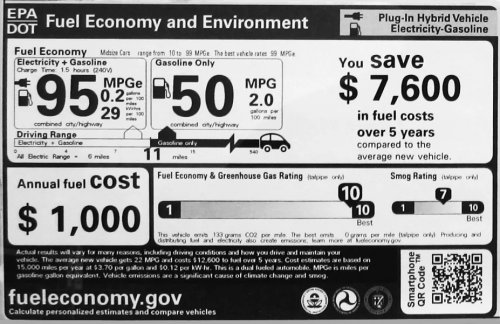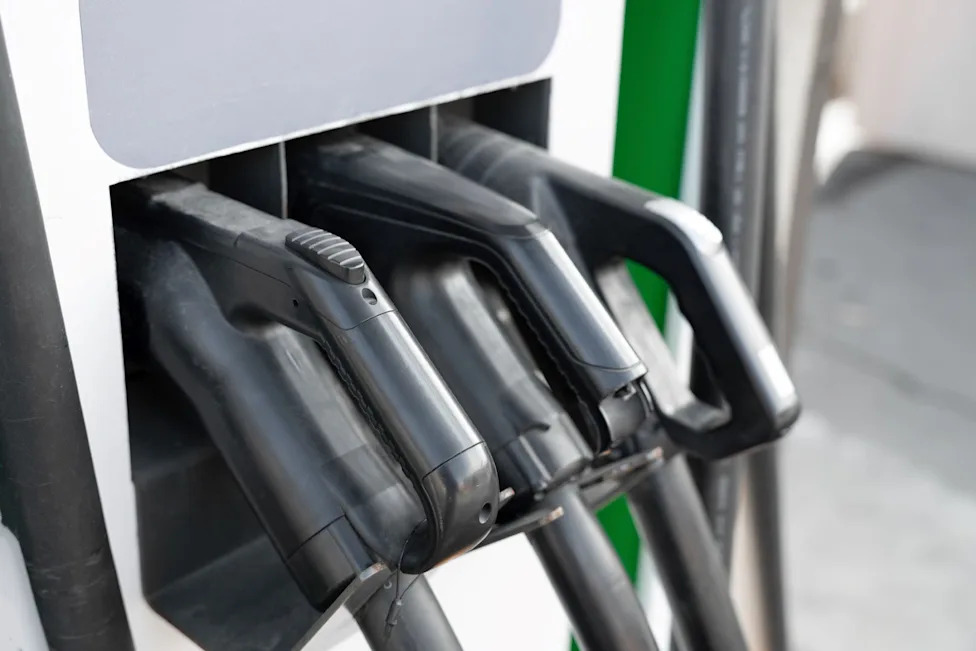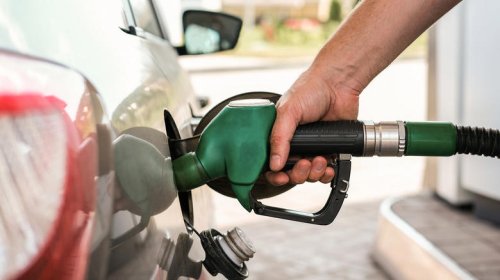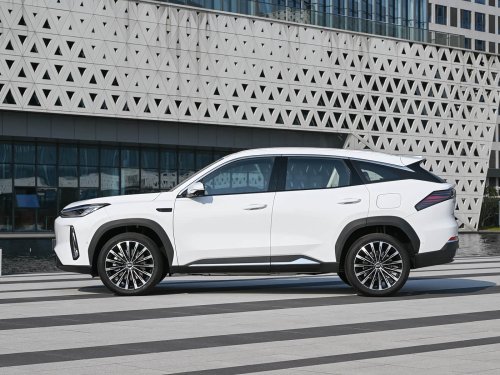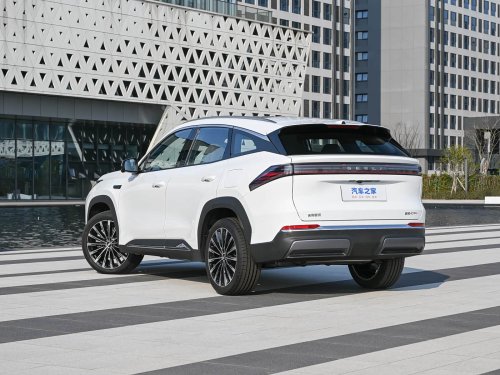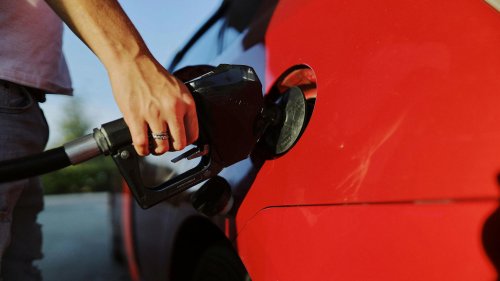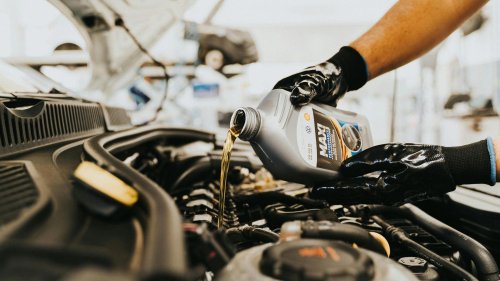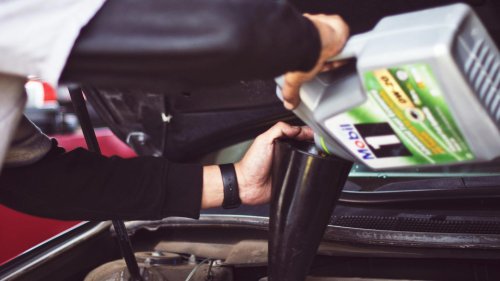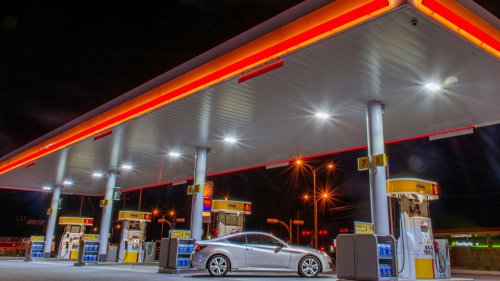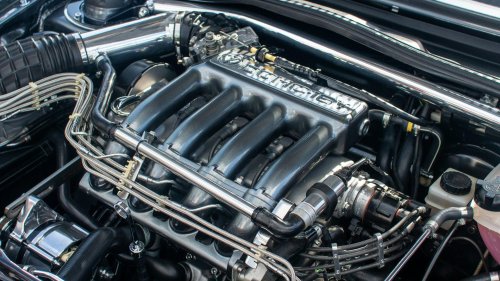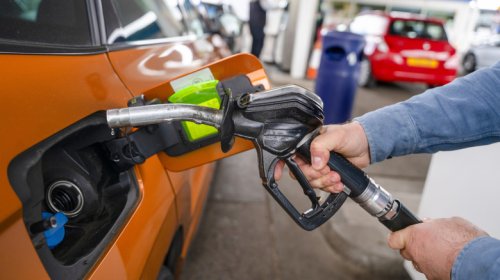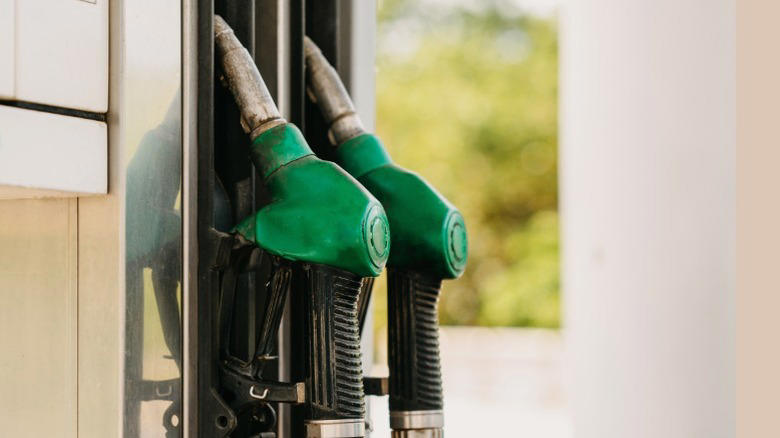






















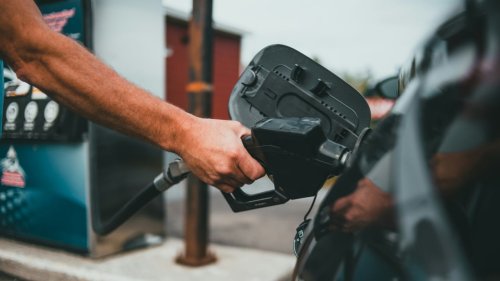
Refueling in the morning gives you more fuel mileageThere's a theory that when you purchase fuel in the morning or at night, you actually get more fuel than usual and more mileage out of your vehicle. If you've heard this before, you might have also found the reasoning compelling. The idea is that fuel is denser when cold and expands when heated. So, filling up your tank before or after the sun is out will give you a greater quantity of fuel than otherwise.While it is true that fuel gets denser in cooler temperatures, you're not getting much benefit from timing your purchase due to how fuel is stored. In most countries, including the U.S., gasoline and diesel fuel are stored in underground tanks. These tanks are heavily insulated, ensuring that the fuel retains a consistent temperature throughout the day. Even if any temperature changes occur, it is not high enough to increase the volume of fuel significantly.Also, when fuel gets to the pump, the large shade at the fuel station reduces how much heat gets to the fuel. In short, even if you're somehow able to save a few cents, going out of your way to fill your tank would likely cost you more.Fuel additives will transform your car's engineFuel additives are sometimes marketed as magic potions that will dramatically improve engine performance or boost gas mileage significantly. In reality, these products do offer benefits to your vehicle, but probably not as much as you think.To start with, you should understand what these products are. Fuel additives are chemical substances designed to enhance fuel quality and vehicle performance. These products, usually in liquid form, are mixed with fuel and are able to modify its properties and improve its quality in different ways.Depending on the type, fuel additives claim to boost octane ratings, clean the fuel injector by removing contaminants, prevent corrosion in the fuel system, or add to fuel shelf life. Whether they actually work largely boils down to the type of fuel additive, the brand, and your vehicle's needs. In most cases, as long as you're buying quality fuel and carrying out regular maintenance, you don't need any additives. In any case, their use is limited, and they can't fix any mechanical defects or transform your vehicle.Smaller cars always have better fuel mileageIf you think getting a small car is going to help you save some fuel costs, as opposed to a bigger car, we hate to break it to you, but that might not be the case. The reasoning here is that smaller engines usually equal less fuel consumption. Truly, many powerful cars that have graced the road have been fitted with large engines that have drained fuel generously. But with advancements in technology, a lot has changed, thanks to innovations like direct fuel injection, forced induction, and high compression.Moreover, even when smaller engines are advertised to burn less fuel than their larger counterparts, when performing actual on-road tasks, a smaller engine can end up consuming more fuel. For instance, a 2014 U.K. study found that cars that had smaller engines ended up burning more fuel than the advertised rate because they accelerated more and traveled at higher speeds than during the official testing. Thus, when a car is fully loaded or moving at high speed, a larger engine is likely to handle the extra work better. More importantly, an adequate fuel-to-weight ratio ensures that the engine is not overworked or producing more power than required.