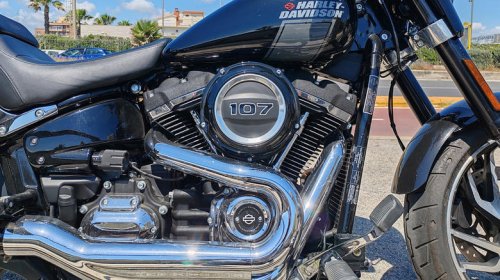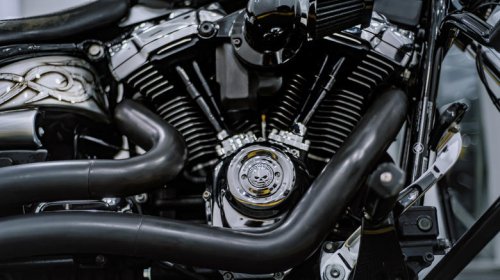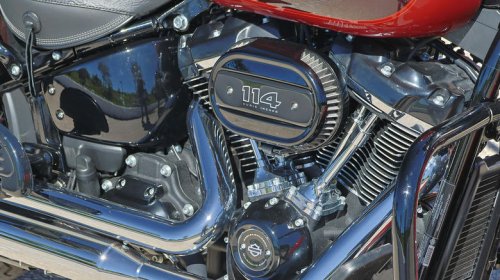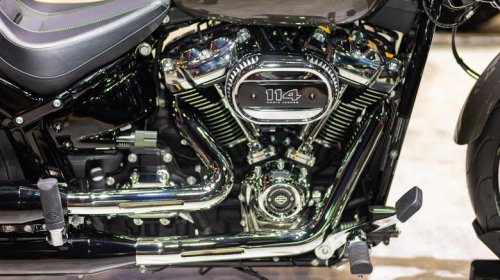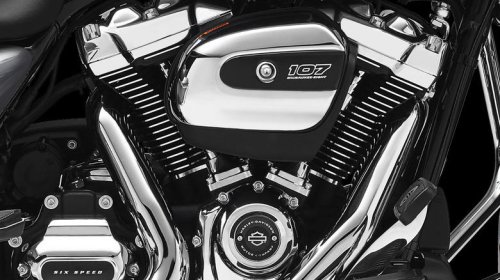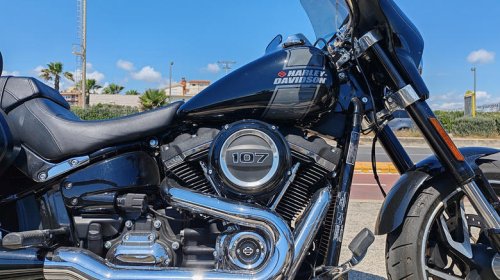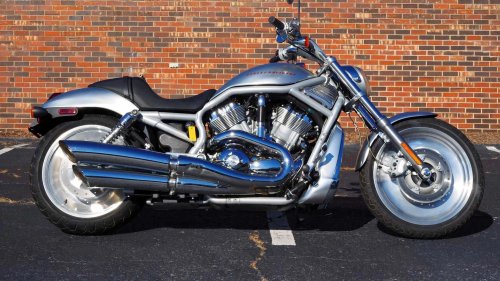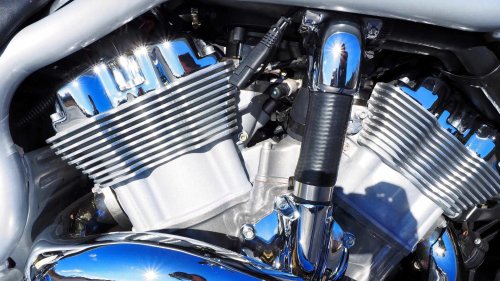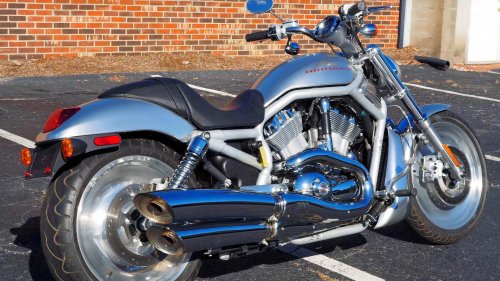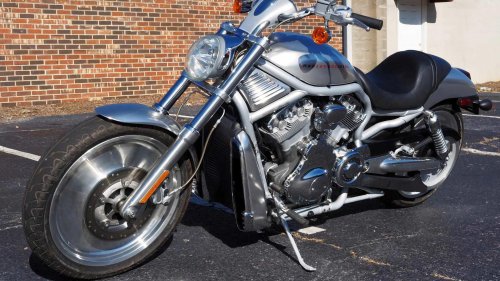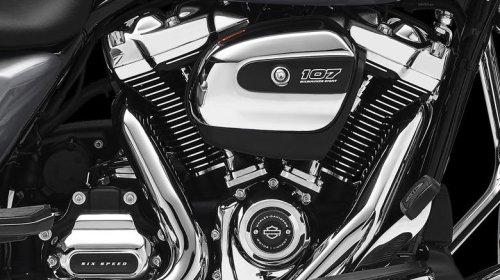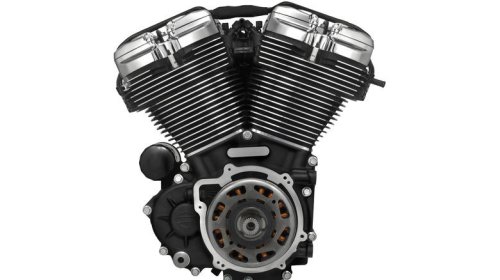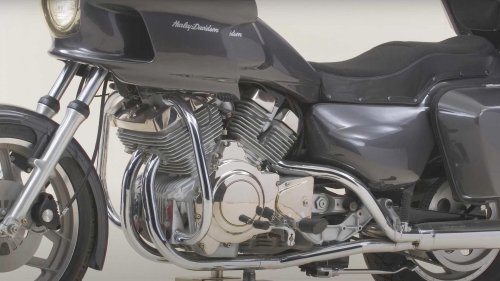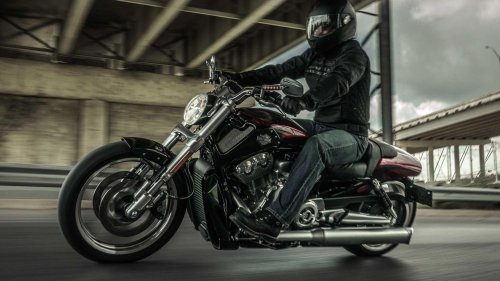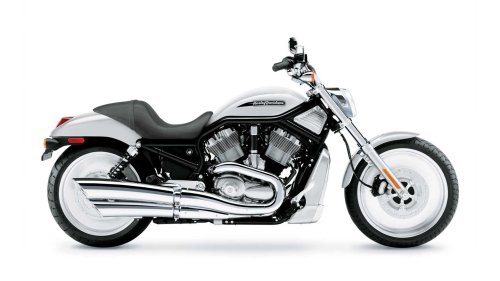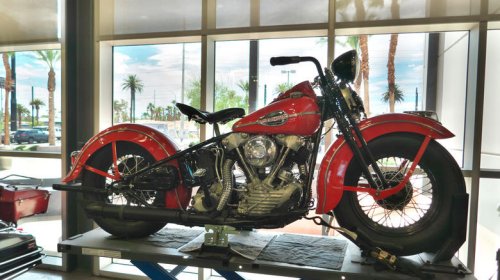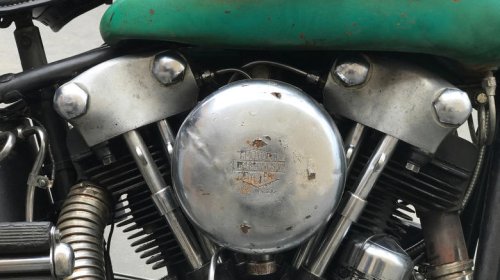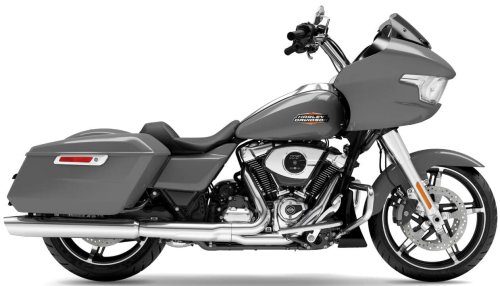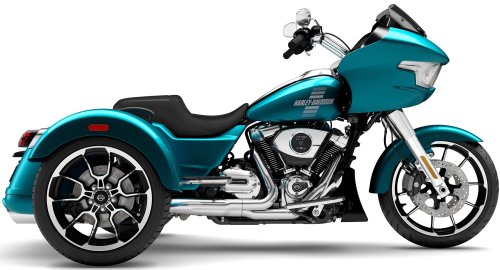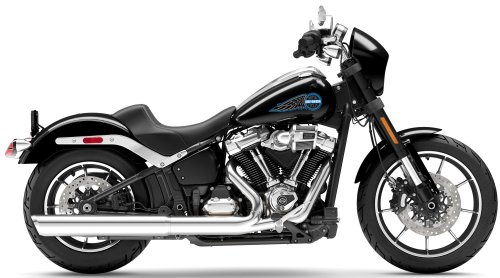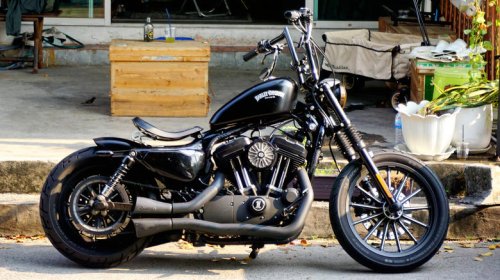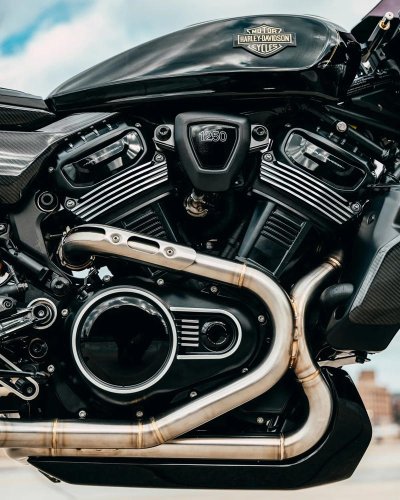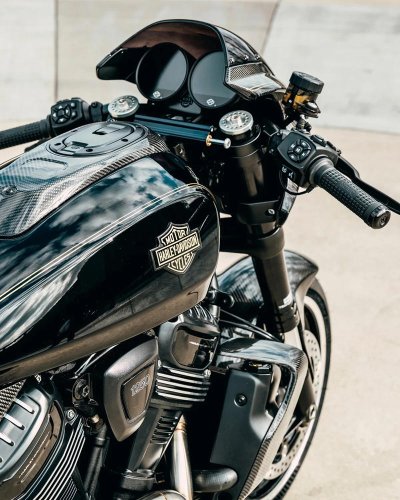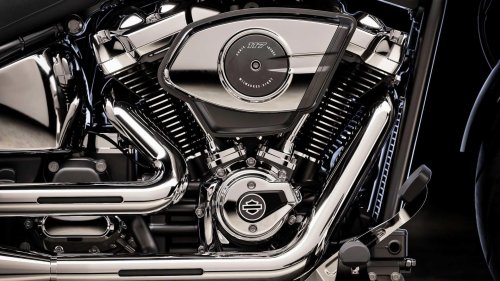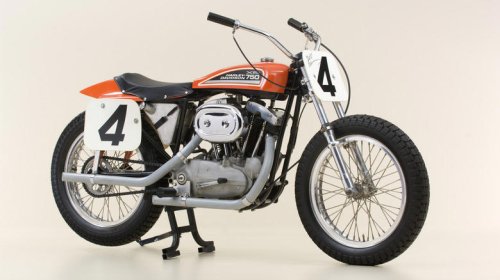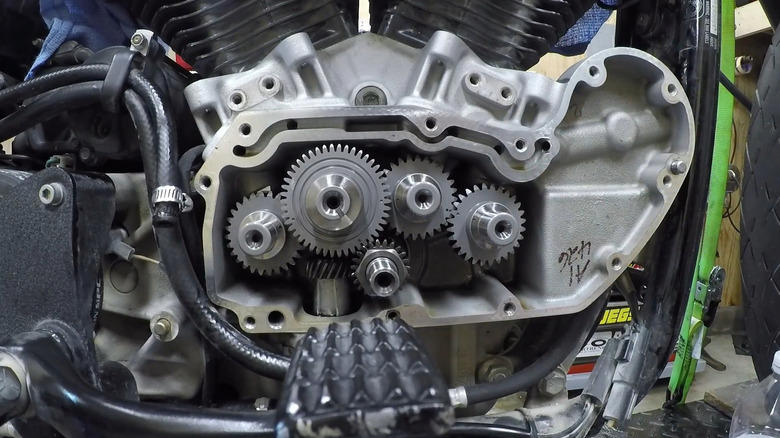
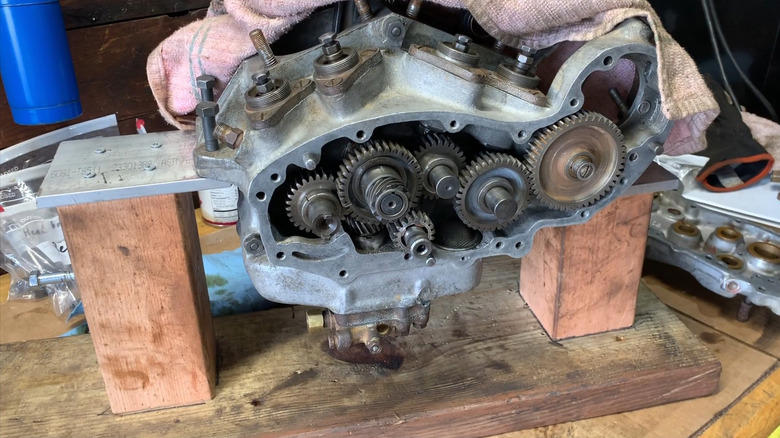
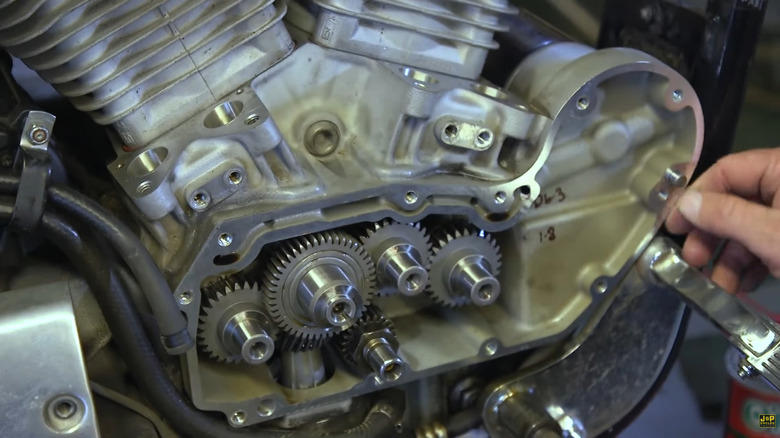



















A four-cam layout inside a Harley-Davidson Sportster engineThe Evolution Big Twin-engined motorcycles like Fat Boys and Road Kings spent 18 years using a single four-lobed camshaft, while the Sportster's Evolution motor — and its ancestors like the K-model and Flathead engine series — utilized a radically different cam architecture. They used four individual camshafts, each with its own gear, meshed together and spinning in a synchronized movement. To the uninitiated, the whole setup feels unnecessarily overengineered. But in the world of pushrod-driven engines, four cams were a necessity to achieve perfect valve alignment and stability at high rpm. This quad-cam obsession dates back to the late 1920s, when Harley-Davidson engineers were looking to compete with the sophisticated overhead-valve single-cylinder engines coming from Europe. (Even Indian jumped on the action, heading to England to find out more and helping to fuel the Harley vs Indian rivalry.)By giving each valve its own dedicated camshaft located directly beneath the lifter, engineers could achieve something valuable in the world of pushrod engines: straight-line geometry. Pushrods help transmit the cam motion to the lifter, moving the valve. In a standard single Evolution Big Twin V-twin, the pushrods have to snake up from a central point at awkward angles to reach the rocker arms. This creates side-loading on the lifters. By moving the cams outward and giving each valve its own pushrod, Harley engineers achieved parallel pushrod geometry. This allowed the rods to move in a perfectly vertical plane, allowing the engine to rev higher and more reliably than its single-cam siblings. The geometry of speed: why straight lines matterA four-cam setup in a Harley-Davidson Flathead engine on a workbenchTo understand why Harley-Davidson stood with this design for nearly a century, we need to understand valve angle geometry. In a high-performance V-twin, the goal is to make the intake and exhaust valves as large as possible while keeping the combustion chamber efficient. This often results in a "hemispherical" or steeply-angled valve arrangement. When you have a single camshaft placed deep in the "V" section of the crankcase, the pushrods are forced to travel at extreme angles to meet those valves. At high rpm, these angled pushrods can mess up valvetrain lash and affect valve timing accuracy. By utilizing four cams, Harley engineers were able to position the cam lobes directly under the lifters for each cylinder. This allowed the energy from the cam lobe to be transferred in a direct, straight line to the rocker arm.This layout gave engineers more precise control over valve actuation timing. Since four cams spread the load better, you can comfortably use high-lift valves for your Sportster's race engine. As each cam is an independent unit, a tuner can theoretically change the cam timing on the rear cylinder without touching the timing on the front cylinder. Additionally, the four-cam design utilized aircraft-style roller tappets, similarly to radial engines. These rollers produce less friction than the flat-tappet designs. When you combine straight-line pushrod geometry with low-friction roller tappets and independent cam timing, you get an engine that's reliable and highly capable. The engineering legacy of precision pushrodsA four-cam layout inside a Harley-Davidson Sportster engineThe transition from the flathead "K-Model" to the overhead-valve Sportster in 1957 was an important validation of Harley-Davidson's four-cam theory. While the Big Twin engines like the Knucklehead, Panhead, and Shovelhead were designed for torque and long-distance cruising, the Sportster was designed for sporty riding. The four-cam architecture allowed for a much narrower engine profile that made it more commuter-friendly, which was important for a motorcycle designed to take on the likes of Triumph and Norton. The modern Harley-Davidson Sportster S is a paradigm shift now usies a liquid-cooled overhead-cam Revolution Max engine. In fact, Harley as a whole has moved in a very different direction from the Sportster's gear-driven, four-cam architecture. Take the Milwaukee Eight engine as an example, which is currently the most advanced air-cooled Harley motor to date. It uses a chain-driven single camshaft that moves four valves on each cylinder thanks to the use of four pushrods driven by four distinct cam lobes. In the end, the future for these engines is more refined and efficient — but it arguably isn't as cool as a four-cam Sportster motor. Want more like this? Join the Jalopnik newsletter to get the latest auto news sent straight to your inbox, and add us as a preferred search source on Google.