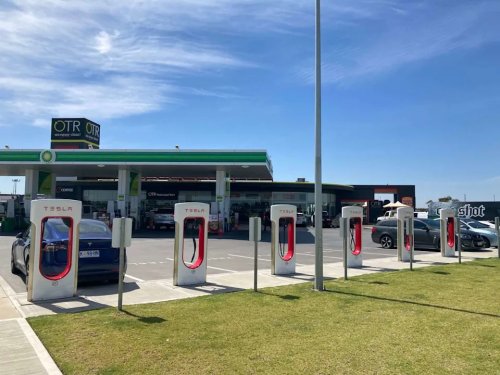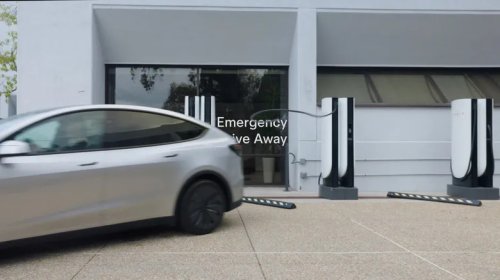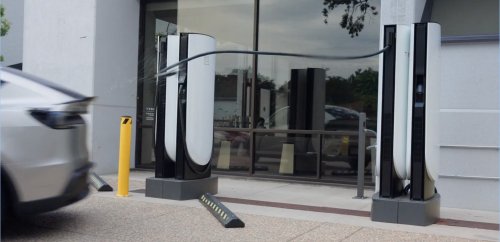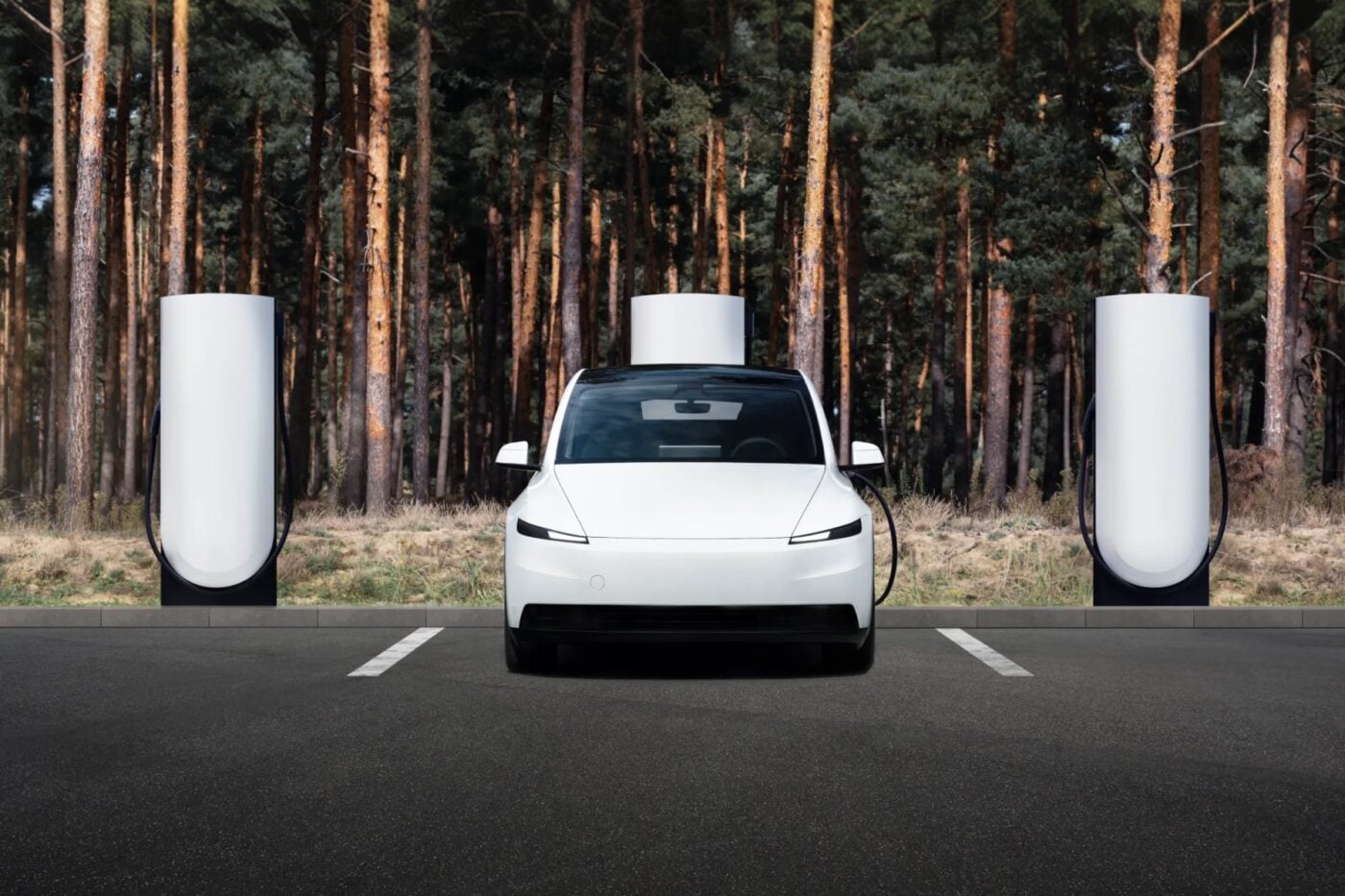



















Image: TeslaThe pricing covers a complete package consisting of a Supercharger V4 Cabinet with eight Supercharger V4 charging points, including installation. Tesla estimates the hardware itself at $500,000. The remaining $440,000 is allocated to a local installation partner, though this is not a fixed amount but rather Tesla’s estimate.In addition, there is a ‘Tesla Fee’ of $0.10 per kWh delivered. This covers integration into roaming networks with other eMSPs, payment processing, a service hotline for EV drivers using the Superchargers, a 97 per cent uptime guarantee, and access to service technicians. This fee represents another step in Tesla’s strategy to build an ecosystem and service business, enabling the company to generate a recurring revenue stream.As early as 2023, Tesla began selling its in-house-developed Superchargers—which had previously been used exclusively in its own charging network—to external customers. The first buyer was charging provider bp pulse. In September 2025, Tesla opened the technology to all interested businesses in the US and transformed the Supercharger into a white-label solution. Buyers can brand the chargers with their own logos, making the offering suitable for both company-owned fleets and public charging solutions. For example, retail or restaurant operators with their own parking facilities can install Superchargers, becoming public charging providers and generating revenue in the process.Last September, the prices for the white-label Superchargers were still unknown, but this has now changed with the launch of the new online configurator. Users simply enter a valid address in the USA to see specific prices. This also confirms a media report from last year, which stated that the minimum order quantity is four Supercharger charging points. Other suggested options are 8, 16, or 24 units, though customers can also enter a custom quantity manually.Another useful feature of the online configurator is a tool that allows potential customers to calculate potential revenue from selling charging electricity and the payback period for the initial investment. What makes this tool particularly compelling is that Tesla uses real vehicle data to project the utilisation of individual sites and estimate corresponding revenue.The US specialist publication Electrek tested this tool with various locations. The results showed that a randomly selected site at a petrol station in San Francisco would pay for itself within four years, while a site in New York City—due in part to lower utilisation—would take seven years. The tool assumes an annual increase in utilisation but does not account for potential costs associated with purchasing land, as the Tesla configurator assumes the customer already owns the property.electrek.co