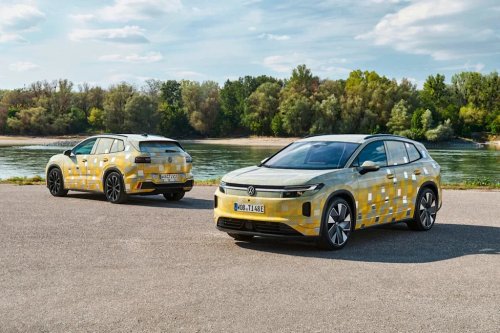
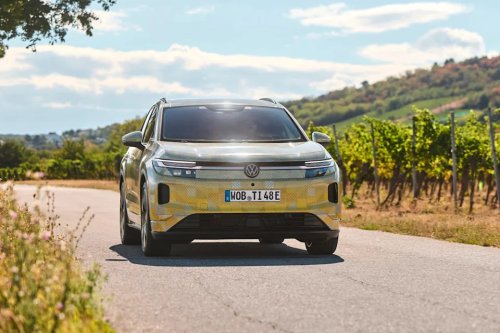
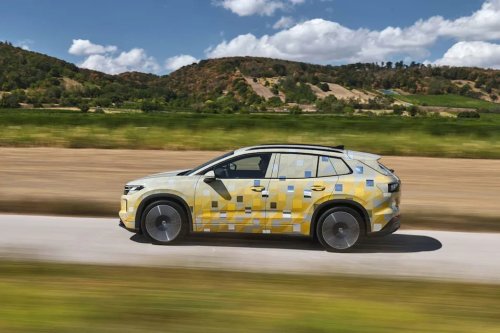
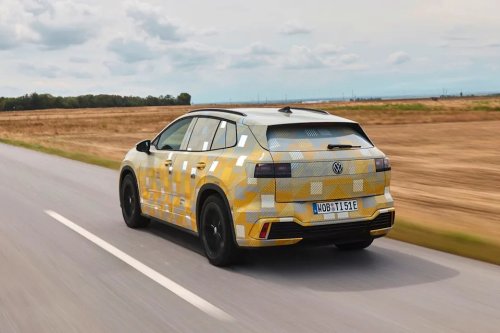
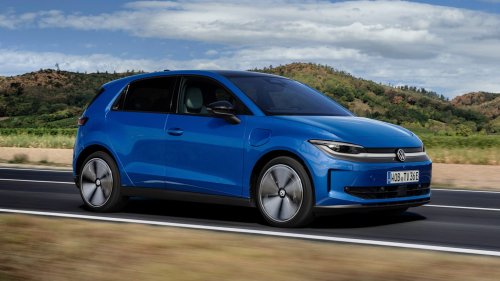
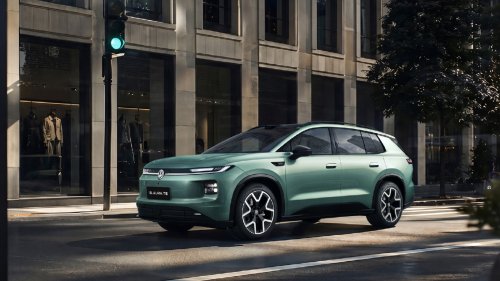
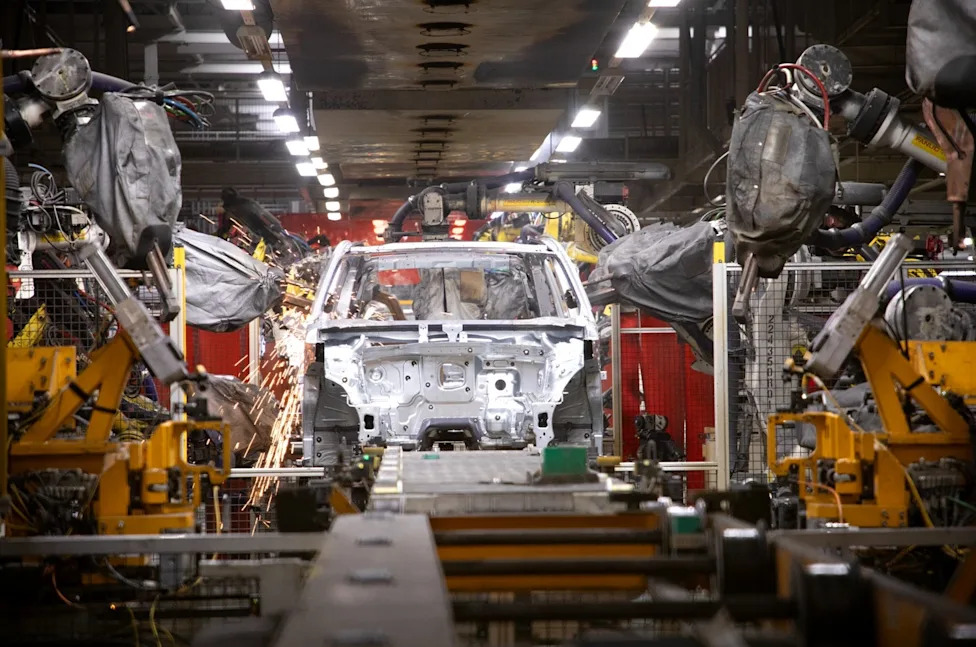
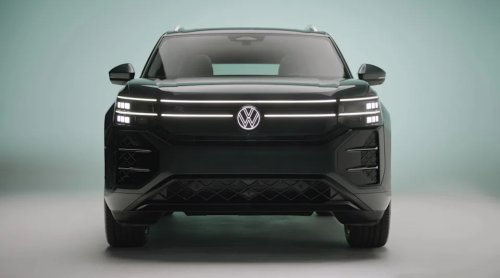
Image: VolkswagenCiting sources within VW Group, Automobilwoche reports that both governing bodies reached this ‘shared assessment’ during a supervisory board meeting. While no formal decisions were taken at this meeting, the conclusion that the company’s business model is no longer future-proof – despite ongoing cost-cutting efforts – is striking. “The message is clear: business as usual is no longer an option,” Automobilwoche states.“We must fundamentally transform our business model and achieve structural, sustainable improvements,” CFO Arno Antlitz is quoted as saying in an internal communication from the Board of Management to senior leadership. The management briefing also cites Group CEO Oliver Blume: “The Volkswagen Group has a strong foundation. However, we are not currently earning enough from our vehicles to sustainably finance our future.”The reference to a business model that is no longer future-proof does not imply that the production and sale of cars themselves are the issue. Instead, it highlights the Group’s Germany-centric focus: models and platforms are primarily developed domestically and manufactured in Germany or Europe. China, with its unique history and former joint-venture requirements, has evolved differently. While the Wolfsburg-based company operates plants and smaller development departments in other countries, its decades-long success has relied on exporting vehicles produced in Europe.This business model has come under increasing pressure over the past decade – driven by technological shifts towards software, autonomous driving, and electric powertrains, as well as trade barriers such as tariffs and geopolitical tensions between governments with economic repercussions. The pace and intensity of these challenges have accelerated significantly.According to the report, the Group will now spend the coming weeks and months ‘exploring ways to restore a viable foundation’. This will go beyond the cost-cutting measures already announced by VW CEO Oliver Blume, likely involving ‘structural adjustments and far-reaching austerity measures’ – whatever that may ultimately mean for the Group’s brands, plants, employees, and powertrain strategies. However, it is already clear that greater localisation in key markets will form part of this new strategy. Audi and Porsche, in particular, are severely affected by US tariffs, as all vehicles for the American market must currently be imported from Europe.While the question of US production for Audi – and potentially Porsche – is resurfacing, it is seen as a near-certainty that the Group’s global production capacity of around twelve million vehicles per year will need to be reduced. In an interview with Manager Magazin, Blume had already set a realistic sales target of around nine million vehicles annually – though he stopped short of confirming plant closures at the time, instead referring to ‘smarter methods’, such as plans for the German VW plants in Osnabrück and Dresden. However, according to Automobilwoche, the plants in Zwickau (ID.3, Born, Q4 e-tron), Emden (ID.4, ID.7), and the Volkswagen Commercial Vehicles factory in Hanover (ID. Buzz) remain under pressure.Audi has already reduced its production capacities at its Ingolstadt and Neckarsulm plants. However, if Audi aims to grow in North America with a dedicated US plant, this could negatively impact capacity utilisation at its German facilities. Recently, Audi CEO Gernot Döllner hinted that the measures agreed in March 2025 might not be sufficient. As mentioned, no decisions have been made yet, but Audi nevertheless felt compelled to deny rumours of a possible closure of the Neckarsulm plant: “There is currently no decision on further cost-cutting measures or plant closures.”The Group aims to finalise its repeatedly postponed ‘planning round’ – the critical allocation of plant capacities—by this summer. In hindsight, the significance of the word currently in Audi’s statement may then become clearer.automobilwoche.de, manager-magazin.de (sources both in German)



















 +38 others



![Volkswagen, Volkswagen ID.4, Volkswagen ID.5, Volkswagen's best-seller is going electric in 2027 to replace the ID.4 and ID.5 [Images]](https://cdn.topcarnews.net/thumb/id/aHR0cHM6Ly9pMC53cC5jb20vZWxlY3Ry-ZWsuY28vd3AtY29udGVudC91cGxvYWRz-L3NpdGVzLzMvMjAyNi8wOS9Wb2xrc3dh-Z2VuLUlELVRpZ3Vhbi1JRC00LmpwZWc_-dz0xNTAwJmFtcDtxdWFsaXR5PTgyJmFt-cDtzdHJpcD1hbGwmYW1wO3NzbD0x/aed2aa2870791850c8e69c5fc3a0ed85.jpeg?t=20261008&post_id=66267)
![Volkswagen, Volkswagen ID.4, Volkswagen ID.5, Volkswagen's best-seller is going electric in 2027 to replace the ID.4 and ID.5 [Images]](https://cdn.topcarnews.net/thumb/id/aHR0cHM6Ly9lbGVjdHJlay5jby93cC1j-b250ZW50L3VwbG9hZHMvc2l0ZXMvMy8y-MDI2LzA5L1ZvbGtzd2FnZW4tSUQtVGln-dWFuLUlELTQtZnJvbnQtcXVhcnRlci5q-cGc_c3RyaXA9aW5mbyZhbXA7dz0xMDI0/97fb00cd3919b8d0dc36440715039e6e.jpg?t=20261008&post_id=66267)
![Volkswagen, Volkswagen ID.4, Volkswagen ID.5, Volkswagen's best-seller is going electric in 2027 to replace the ID.4 and ID.5 [Images]](https://cdn.topcarnews.net/thumb/id/aHR0cHM6Ly9lbGVjdHJlay5jby93cC1j-b250ZW50L3VwbG9hZHMvc2l0ZXMvMy8y-MDI2LzA5L1ZvbGtzd2FnZW4tSUQtVGln-dWFuLUlELTQtc2lkZS5qcGc_c3RyaXA9-aW5mbyZhbXA7dz0xMDI0/ed240b20e8275f3af4b904f46ebb5fb3.jpg?t=20261008&post_id=66267)
![Volkswagen, Volkswagen ID.4, Volkswagen ID.5, Volkswagen's best-seller is going electric in 2027 to replace the ID.4 and ID.5 [Images]](https://cdn.topcarnews.net/thumb/id/aHR0cHM6Ly9lbGVjdHJlay5jby93cC1j-b250ZW50L3VwbG9hZHMvc2l0ZXMvMy8y-MDI2LzA5L1ZvbGtzd2FnZW4tSUQtVGln-dWFuLUlELTQtcmVhci1xdWFydGVyLmpw-Zz9zdHJpcD1pbmZvJmFtcDt3PTEwMjQ/436c7979cf5b947053f7f0bf39ff94bc.jpg?t=20261008&post_id=66267)
![Volkswagen, Volkswagen ID.4, Volkswagen ID.5, Volkswagen's best-seller is going electric in 2027 to replace the ID.4 and ID.5 [Images]](https://cdn.topcarnews.net/thumb/id/aHR0cHM6Ly9lbGVjdHJlay5jby93cC1j-b250ZW50L3VwbG9hZHMvc2l0ZXMvMy8y-MDI2LzA5L1ZvbGtzd2FnZW4tSUQtVGln-dWFuLUlELTQtZnJvbnQuanBnP3N0cmlw-PWluZm8mYW1wO3c9MTAyNA/ec2e4ca027ccbfb42942abe523f3acf7.jpg?t=20261008&post_id=66267)
![Volkswagen, Volkswagen ID.4, Volkswagen ID.5, Volkswagen's best-seller is going electric in 2027 to replace the ID.4 and ID.5 [Images]](https://cdn.topcarnews.net/thumb/id/aHR0cHM6Ly9lbGVjdHJlay5jby93cC1j-b250ZW50L3VwbG9hZHMvc2l0ZXMvMy8y-MDI2LzA5L1ZvbGtzd2FnZW4tSUQtVGln-dWFuLUlELTQtcmVhci5qcGc_c3RyaXA9-aW5mbyZhbXA7dz0xMDI0/668525889dc433b0fd0e166fd5bd8366.jpg?t=20261008&post_id=66267)