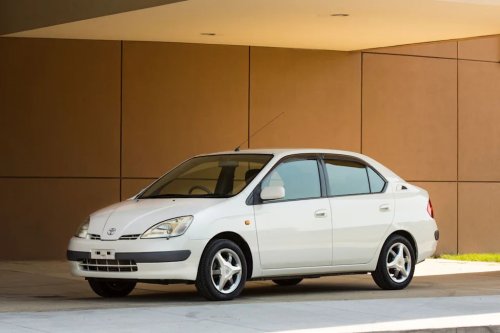
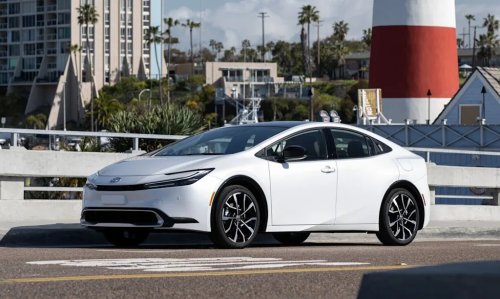
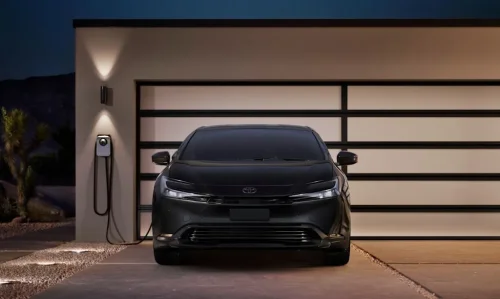
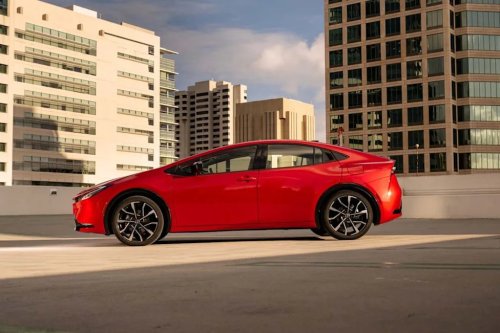
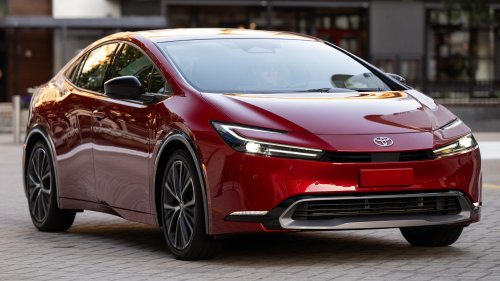
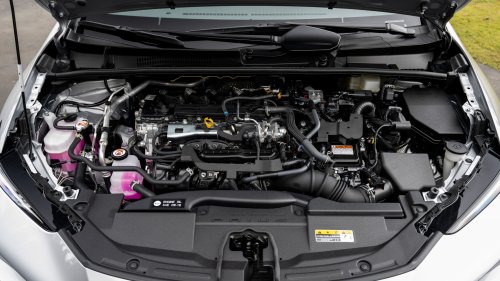
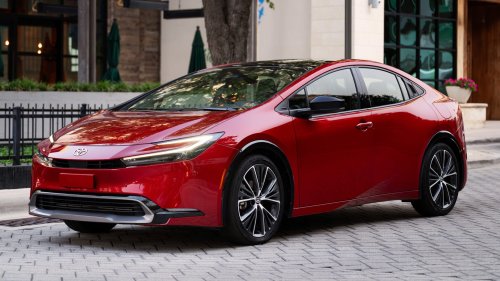
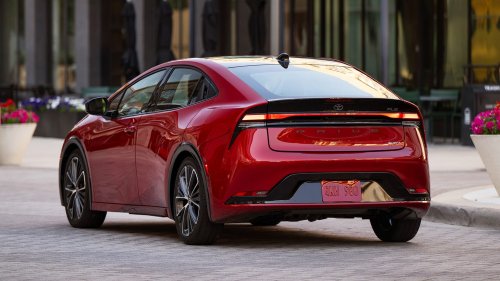
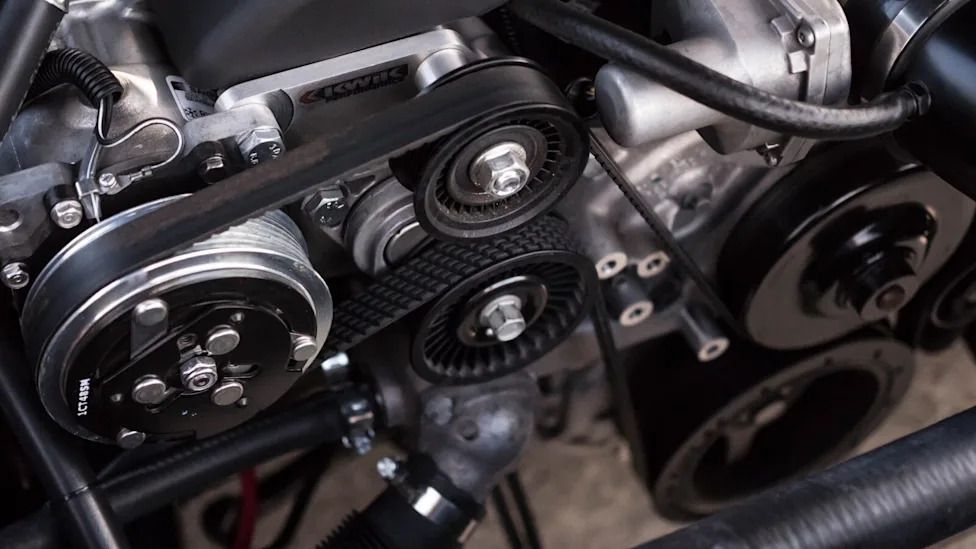
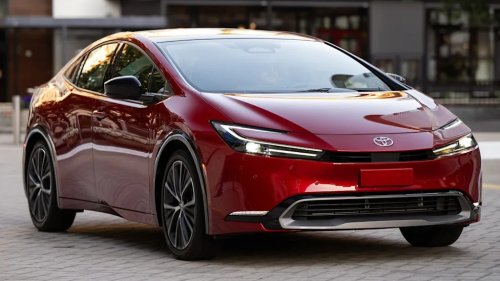
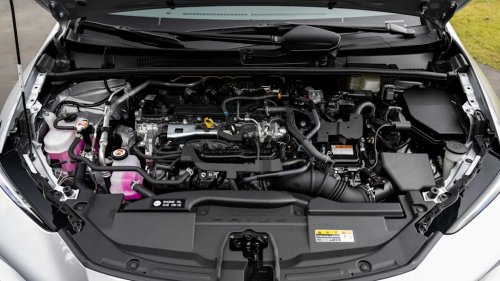
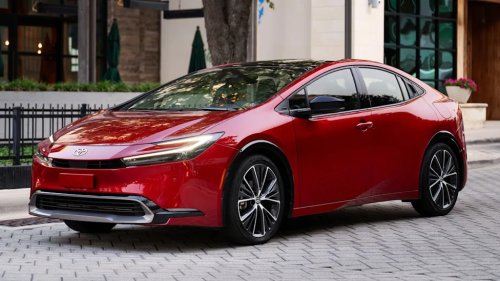
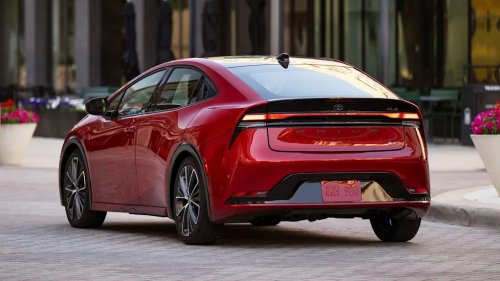
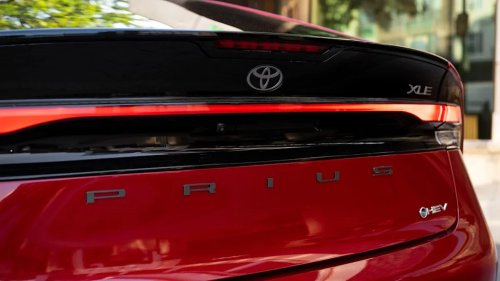
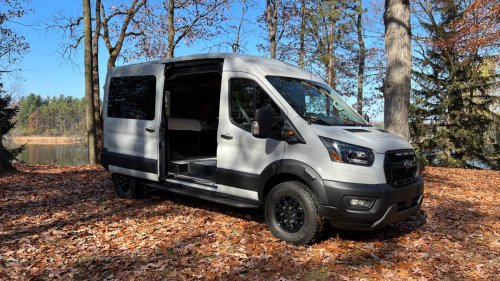
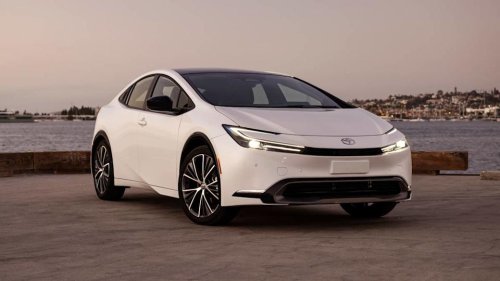
Photo Credit: iStockIs it smarter to put money into the car you already know, or gamble on a cheaper, more fuel-efficient replacement?A van owner trying to make that frugal call sparked a debate online. The numbers looked close at first glance, but many commenters still landed on the same answer: it depends on your situation, and in this one, the existing car won.Here's what to knowIn a Reddit post, the dilemma centered on a 2006 Toyota Sienna with 264,000 miles vs. buying a used Toyota Prius. The poster was deciding whether to spend about $1,800 on a timing belt for the van or put that money toward the older Prius instead. They said Priuses in their area could be found for roughly $1,800, though inspection-related fees and initial fixes would likely add about $2,000 more.Much of the appeal came from savings at the pump. The Redditor estimated a Prius would boost fuel economy from 22 mpg to 44 mpg and wrote, "The gas savings from the Prius will be about $600 at my current driving rate." They also said that if they end up with a longer commute for school, those yearly savings could increase to about $1,300.However, the plot thickened as the van also serves as a camper. That matters because the poster said they camp around 12 times a year and estimated that being able to stealth camp could be worth roughly $600 annually.Most replies surfaced the cheaper Prius option as less of a bargain than it seemed at first. One commenter wrote, "A Prius that is around $2k will most likely need its hybrid batteries replaced and those are pricey."More backgroundA more efficient car can reduce both fuel costs and pollution, but only if the upfront purchase price, repair needs, and reliability risks stay manageable.At the low end of the used-car market, a cheap sticker price can hide expensive mechanical problems. Several commenters raised concerns about battery replacement on older Priuses, while others pointed to possible head gasket or gas tank issues depending on the model year.One commenter noted that if the van's transmission is still in good shape, paying for scheduled maintenance may be the more predictable choice on a vehicle the owner already understands. "Your alternative [is] replacing the sienna with an unknown vehicle which may have a catastrophic failure [on] day on," they said.What can be done?DIY repair or shopping around might make the math even better; several people said $1,800 sounded high for a timing belt job, particularly at an independent repair shop.Commenters also said to compare total ownership costs rather than focusing only on mpg. That means accounting for the purchase price, repairs, inspections, and any lost utility, such as no longer having a camper setup.If shopping for a used vehicle, ask targeted questions about known problem areas. On an older hybrid, that can include battery history. On an older van, it can mean paying especially close attention to transmission performance and other major wear items.High-mileage vehicles can still be the cheapest option, but only if owners plan for repairs.One commenter wrote, "You have a running vehicle, the van; pay for the timing belt. Keep it running. Any used car is a mystery bag of things to address. That bag gets bigger and wild."Where can I learn more?For more on the tradeoffs behind repair costs, fuel savings, and overall ownership, these stories dig into the same questions from a few different angles.• A broader ownership analysis showed the sticker price alone misses what drivers really pay.• Longtime drivers say maintenance costs can diverge sharply between EVs and gas cars.• Stellantis rolled out a surprisingly cheap price tag for its Ram ProMaster EV cargo van.• Toyota's ChargeMinder app uses a little bit of gamification to nudge plug-in drivers.Get TCD's free newsletters for easy tips, smart advice, and a chance to earn $5,000 toward home upgrades. To see more stories like this one, change your Google preferences here.




















 +75 others