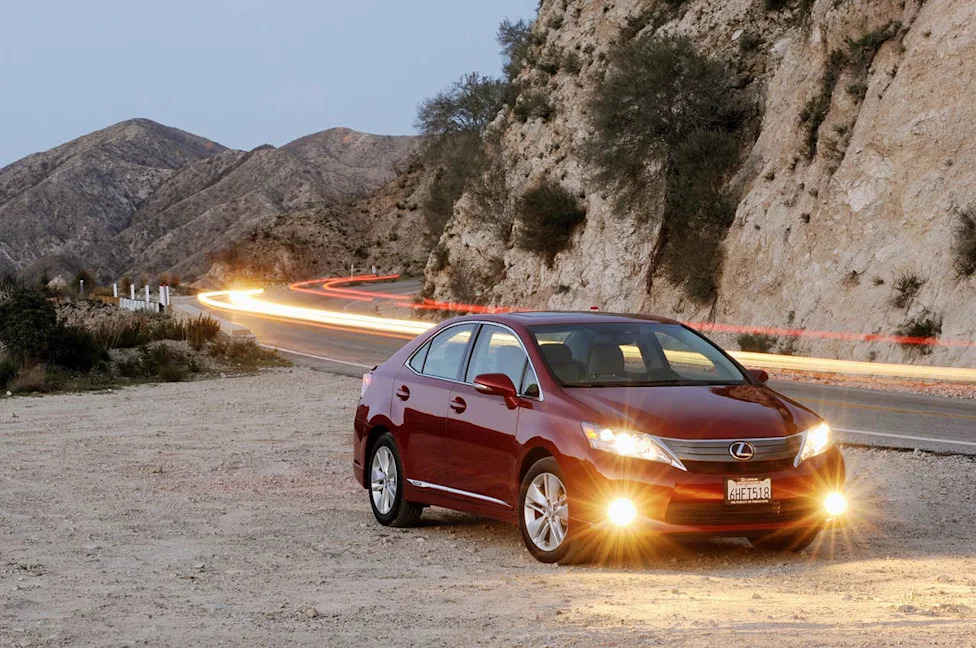
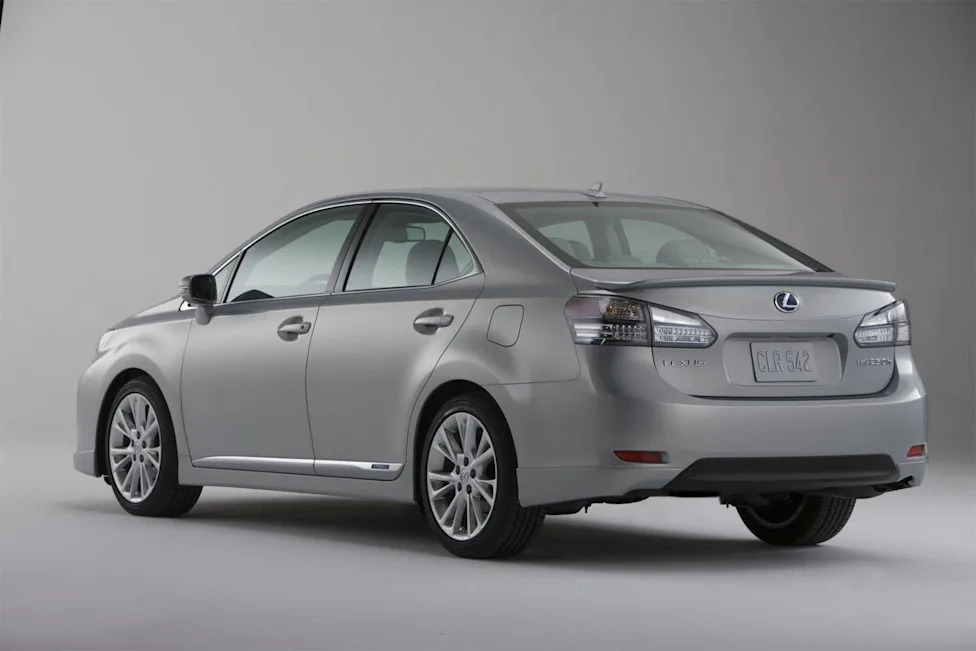
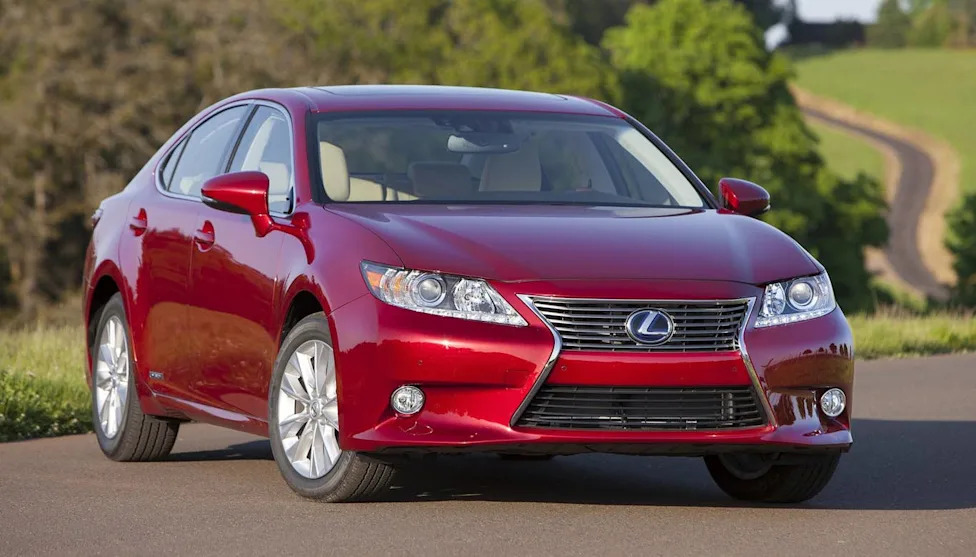
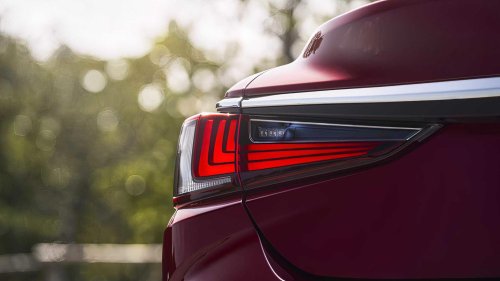
This Luxury Hybrid Cost $10,000 More Than a Prius and Got 15 MPG LessAutoblogYash BajajSat, September 12, 2026 at 3:15 PM UTCAdd us on GoogleAutoblog and Yahoo may earn commission from links in this article.The SC430's reputation problem is mostly aesthetic — Autoblog's own team once called it dated rather than disastrous, and it still moved enough units across a long production run to stick around for years. The HS 250h never got that chance. Lexus launched it in 2009 as its first dedicated hybrid-only model, built specifically to cash in on the Prius craze among wealthy buyers — and then quietly discontinued it after selling barely 20,880 units total across its entire lifespan.A Parts-Bin Car With A Deceptive NameThe HS 250h's badge suggests a 2.5-liter engine; it actually runs a 2.4-liter four-cylinder shared with the Camry Hybrid, part of a naming pattern Lexus used loosely across its early hybrid lineup. Nearly every body panel and mechanical component traces back to another Toyota or Lexus product — RX-style headlights and grille, a Prius-influenced silhouette, a RAV4 subframe and front suspension, and a rear tow-arm design that carried the same recall RAV4 owners dealt with for tie rods coming loose. The interior was the one area where Lexus actually pushed forward, with a tilting, foldable center screen and front/rear camera views that were genuinely ahead of their time for 2009 — features most competitors wouldn't offer for years.Why It Actually FailedAutoblog's own 2010 road test flagged the core problem at launch: the HS 250h cost roughly $10,000 more than a comparably equipped Prius while returning about 15 mpg less, undermining the exact reason eco-conscious buyers wanted a hybrid in the first place. Worse, it launched priced above Lexus's own V6-powered ES 350 — a larger, better-driving, better-known car — while offering a noticeably smaller back seat and narrower cabin. Lexus buyers, largely defectors from unreliable German luxury brands rather than green-signaling Prius shoppers, saw no reason to pay more for less car. The sales collapse was brutal and immediate: 10,663 units in 2010 fell to 2,864 in 2011, a 73 percent drop, then to under 800 in 2012 before Lexus pulled the plug entirely.What Changed In 2013Lexus's fix arrived a year later, and it was almost embarrassingly simple: rather than build another bespoke small hybrid from spare parts, the automaker just hybridized the Lexus ES buyers already wanted, calling it the ES 300h. It sold in far greater numbers from day one, proving the HS 250h's failure was never really about hybrids or Lexus's engineering — it was a car nobody asked for, priced above the car they actually wanted.The SC430's flaws were about taste, and taste is forgivable enough to keep a car in production for nine years. The HS 250h's flaws were about value, and value failures don't survive contact with the market.AdvertisementAdvertisementThis story was originally published by Autoblog on Sep 12, 2026, where it first appeared in the Features section. Add Autoblog as a Preferred Source by clicking here.